
Smart Glass
Smart Glass for Home Offices: Privacy & Productivity Without Blinds
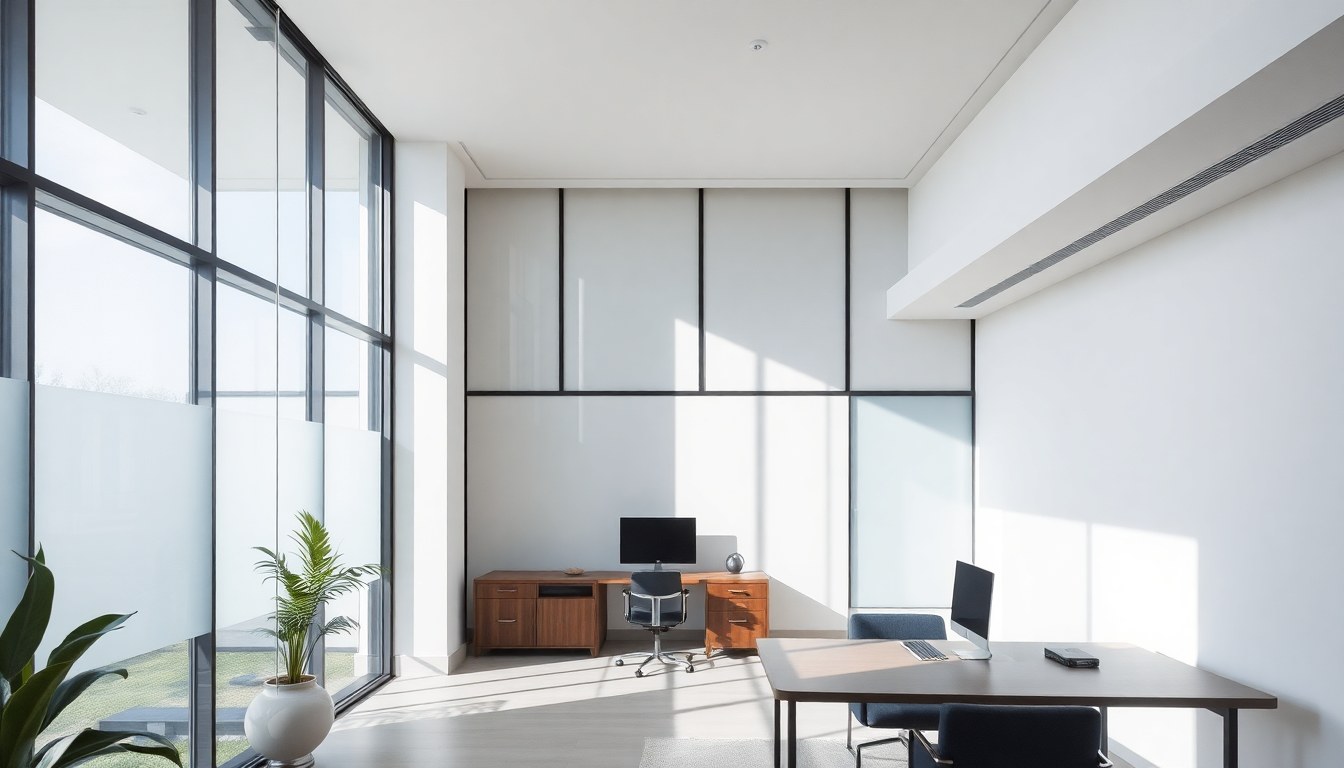
Working from home has become the norm for millions of professionals in India and worldwide, but creating a distraction-free, private workspace within your home remains a challenge. Smart glass technology—also called switchable glass or electrochromic glass—offers an elegant solution that transforms from transparent to opaque at the flick of a switch, eliminating the need for curtains, blinds, or heavy drapes. This innovation not only enhances privacy and reduces glare on screens but also creates a more polished, professional environment for video calls and focused work.
What Is Smart Glass and How Does It Work?
Smart glass, or switchable glass, is a cutting-edge material embedded with a thin layer of electrochromic or liquid crystal technology. When an electrical current is applied, the glass changes its light transmission properties—shifting from fully transparent to completely opaque or anywhere in between. This transformation happens in seconds, giving you instant control over privacy without moving a single blind.
The technology operates through one of two main mechanisms: electrochromic glass (which uses an ion-conducting layer) or suspended particle devices (SPD) or polymer-dispersed liquid crystals (PDLC). Both are safe, durable, and require minimal maintenance. Once installed, the glass needs only an electrical connection and a control switch—either manual, remote, or integrated with your home automation system.
Types of Smart Glass for Home Offices
- Electrochromic Glass: Changes opacity gradually and holds its state without continuous power, making it energy-efficient.
- PDLC (Polymer-Dispersed Liquid Crystal) Glass: Switches quickly between clear and frosted states; requires power to remain opaque.
- SPD (Suspended Particle Device) Glass: Offers variable tinting levels and excellent glare reduction; ideal for bright offices.
Privacy Benefits for Home Office Professionals
One of the biggest challenges for remote workers is managing visibility from outside. Whether you're on a confidential video call, reviewing sensitive documents, or simply want to maintain a professional appearance during work hours, smart glass gives you complete control. Unlike blinds that can develop gaps or require constant adjustment, smart glass provides uniform, instant privacy with a single command.
For professionals handling client data, financial records, or proprietary information, this technology is invaluable. You can keep your workspace transparent during the day for natural light and mental clarity, then switch to opaque mode when needed—during important calls, meetings, or when family members are home. This flexibility is impossible with traditional window treatments.
Professional Appearance for Video Calls
Video conferencing is now central to remote work. Smart glass eliminates the unprofessional look of visible blinds, curtains, or makeshift backdrops. Your window becomes either a clean, modern background or completely private—your choice. This polished appearance can positively influence client perceptions and team dynamics, especially for senior professionals or those in client-facing roles.
Glare Reduction and Improved Productivity
Screen glare is a silent productivity killer. Direct sunlight reflecting off your monitor causes eye strain, headaches, and forces you to adjust your screen position or angle awkwardly. Smart glass solves this problem elegantly by allowing you to reduce light transmission without blocking the view entirely. You maintain natural light—which boosts mood and energy—while eliminating harsh glare.
Studies consistently show that natural light improves focus, reduces fatigue, and enhances mood compared to artificial lighting alone. Smart glass lets you harness these benefits while maintaining optimal screen visibility. You can adjust opacity to match the time of day and sun angle, something no fixed blind can do.
Energy Efficiency and Temperature Control
Beyond glare reduction, smart glass helps regulate indoor temperature. By controlling light transmission, it reduces solar heat gain during hot months and retains warmth during cooler seasons. In India's varied climate—from the intense sun of Delhi and Mumbai to the humid heat of coastal cities—this can meaningfully reduce air conditioning costs. Over a year, the energy savings can offset part of the installation investment.
Aesthetic and Space-Saving Advantages
Traditional blinds, curtains, and shades occupy visual and physical space. They collect dust, require regular cleaning, and can make a room feel cluttered or dated. Smart glass eliminates this clutter entirely. Your windows remain clean, minimalist, and modern—enhancing the overall aesthetic of your home office.
For those working in compact urban apartments—common in Indian metros like Bangalore, Pune, and Hyderabad—this space-saving advantage is significant. You reclaim the area previously taken by blind mechanisms and curtain rods, making your office feel larger and more professional.
Design Flexibility
Smart glass works with any interior design style. Whether your home office is modern, traditional, or eclectic, the glass adapts without imposing a visual style. You can install it on full windows, partial panels, glass doors, or even partition walls within open-plan homes. This flexibility makes it suitable for virtually any home office layout.
Installation and Cost Considerations in India
Smart glass installation in India typically ranges from ₹8,000 to ₹25,000 per square meter, depending on the technology type, glass quality, and installation complexity. For a standard home office window (approximately 2-3 square meters), you can expect a total cost of ₹20,000 to ₹75,000. While this is higher than traditional blinds, the durability, maintenance savings, and productivity benefits justify the investment for serious remote workers.
Installation should be handled by certified professionals who can ensure proper electrical integration and weatherproofing. Many smart glass suppliers across major Indian cities—including Delhi, Mumbai, Bangalore, Chennai, and Kolkata—now offer installation services. The process typically takes 1-3 days and requires minimal disruption to your workspace.
Maintenance and Long-Term Costs
Smart glass requires virtually no maintenance beyond occasional cleaning like regular glass. There are no moving parts to jam, no slats to dust, and no mechanisms to repair. The electrical components are sealed and reliable, with most systems offering 10-15 year warranties. This low-maintenance profile makes it more economical than blinds over a 5-10 year period.
Integration with Home Automation
Modern smart glass systems integrate seamlessly with home automation platforms. You can control opacity through smartphone apps, voice commands (via Alexa or Google Home), or automated schedules. Imagine your glass automatically frosting during your scheduled video calls or clearing at sunset to enjoy the evening light—all without manual intervention.
For tech-savvy professionals, this integration adds another layer of convenience and sophistication. You can create scenes—like "Focus Mode" that frosts the glass and dims lights—triggered by a single button or voice command. This level of control enhances both productivity and comfort.
Frequently Asked Questions
Is smart glass safe for regular use in home offices?
Yes, smart glass is completely safe for daily use. The technology is non-toxic, and the electrical components are sealed within the glass structure. Modern smart glass meets all Indian safety standards and building codes. The glass itself is tempered for durability, and the low electrical voltage required (typically 24-48V) poses no shock hazard.
Can smart glass be installed on existing windows?
Smart glass can be retrofitted onto existing window frames in most cases, though installation is easier during new construction. A professional installer will assess your window dimensions and frame type to determine feasibility. In some older buildings with non-standard frames, custom solutions may be required, slightly increasing costs.
How long does it take for smart glass to switch from clear to opaque?
Switching time varies by technology type. PDLC glass typically switches in 1-3 seconds, while electrochromic glass may take 5-10 seconds. For practical home office use, even the slower options feel instantaneous. The gradual transition of electrochromic glass is often preferred as it's less jarring to the eyes.
What happens to smart glass during power outages?
Electrochromic glass retains its current state during a power outage—if it was opaque, it stays opaque. PDLC glass reverts to its transparent state when power is lost, as it requires continuous current to remain opaque. Most systems include battery backup options for critical situations, ensuring you maintain privacy even during outages.
Is smart glass more expensive than high-quality blinds over time?
While initial smart glass costs are higher (₹20,000-₹75,000 for a typical window), the total cost of ownership over 10 years is often comparable to or lower than quality motorized blinds. Smart glass requires no maintenance, doesn't degrade from dust or sun exposure, and offers superior durability. When you factor in convenience, aesthetics, and energy savings, smart glass becomes a worthwhile investment for serious remote workers.
Transform Your Home Office Today
Smart glass technology represents the future of home office design, combining privacy, productivity, and aesthetics in a single elegant solution. Whether you're a freelancer, corporate employee, or entrepreneur, upgrading to switchable glass can significantly enhance your workspace and work experience. Ready to explore smart glass options for your home office? Browse verified smart glass suppliers and installation experts on glassy.in, India's largest glass-business directory, and connect with professionals who can bring this technology to your space.