
Smart Glass
Switchable Smart Glass for Home Privacy: How It Works & Cost in 2026
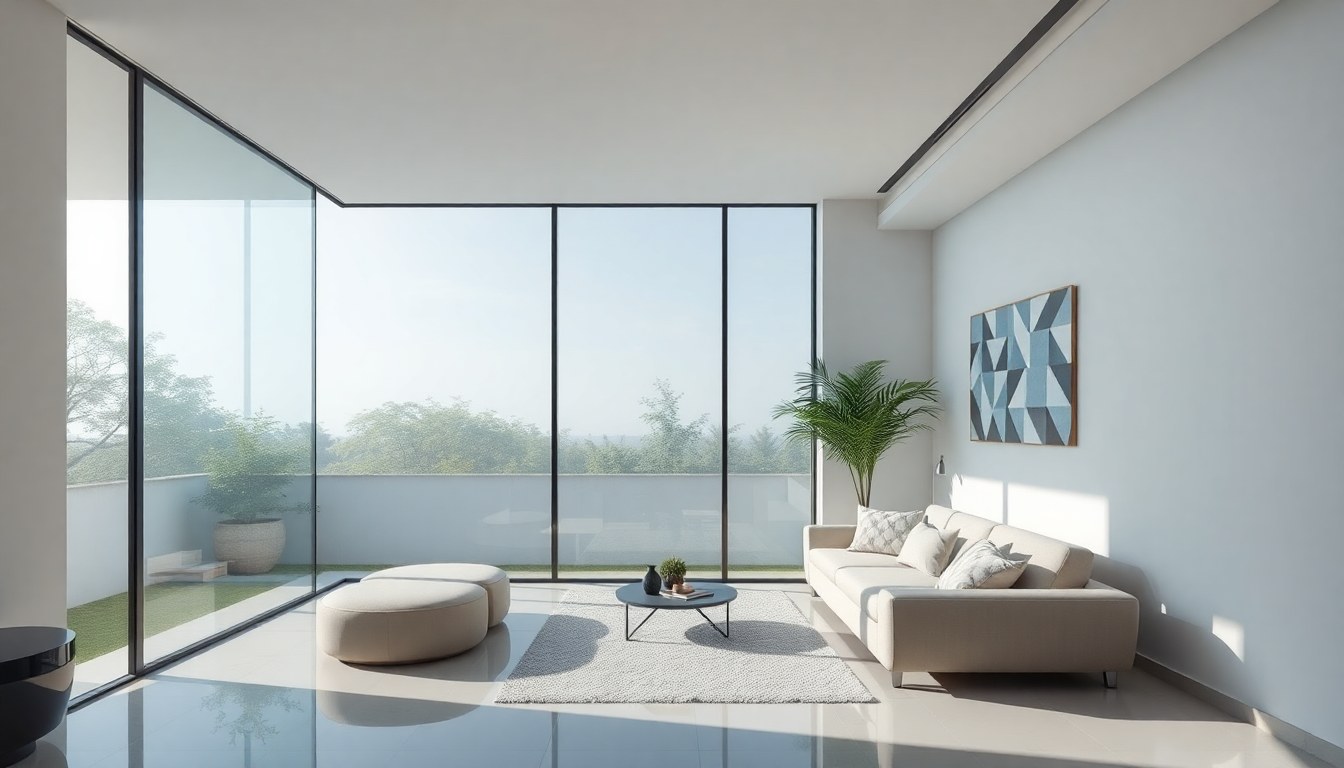
Smart glass is transforming how Indian homeowners manage privacy, replacing traditional curtains and blinds with technology that switches from transparent to opaque in seconds. Whether you're designing a modern villa in Bangalore, a city apartment in Mumbai, or a commercial space in Delhi, switchable smart glass offers both aesthetic appeal and practical control. This guide explores the two dominant technologies, real pricing for 2026, installation complexity, and whether the investment makes sense for your home.
What Is Switchable Smart Glass and Why It Matters for Indian Homes
Switchable smart glass, also called dynamic glass or privacy glass, is a window or partition that changes opacity electronically. At the flip of a switch or voice command, it transforms from clear to frosted or opaque, blocking visibility while maintaining natural light. Unlike conventional curtains that collect dust and require regular maintenance, smart glass offers a sleek, maintenance-light solution that appeals to modern Indian homeowners seeking minimalist design and convenience.
The technology is particularly valuable in India's urban context, where privacy concerns in high-density apartment complexes are real. Shared walls, close neighbors, and limited outdoor space make smart glass an attractive alternative to heavy drapes. Additionally, it works well in hybrid home-office setups, where you may want to maintain a professional appearance on video calls while keeping natural light flowing through your workspace.
How Electrochromic Smart Glass Works
Electrochromic smart glass operates using a thin layer of electrochromic material sandwiched between two glass panes. When a small electrical charge is applied, ions move within the material, causing it to darken. Remove the charge, and it returns to clear. This technology is similar to what you find in high-end automotive sunroofs and aircraft windows.
The Science Behind Electrochromic Technology
The electrochromic layer typically contains tungsten oxide and other metal oxides. These materials have a unique property: they change color when an electrical current passes through them. The process is reversible and can be controlled with precision, allowing you to set the glass to any tint level between fully clear and fully dark. The power requirement is minimal—usually just a few volts—and the glass retains its state even if power is cut, making it safe and reliable.
Electrochromic glass is ideal for large windows, glass walls, and skylights. It provides superior heat control compared to PDLC (discussed below), making it excellent for reducing air conditioning costs in India's hot climate. However, it requires a wired connection to a power source and a control system, which adds to installation complexity.
How PDLC (Polymer Dispersed Liquid Crystal) Smart Glass Works
PDLC smart glass uses a different mechanism: liquid crystal droplets suspended in a polymer film between two glass layers. When no electrical current flows, the crystals are randomly oriented, scattering light and making the glass appear frosted and opaque. Apply power, and the crystals align, allowing light to pass through and making the glass transparent.
Advantages and Limitations of PDLC Technology
PDLC is faster-switching than electrochromic glass—it goes from opaque to clear in milliseconds. It's also more affordable, easier to retrofit into existing windows, and doesn't require as robust an electrical infrastructure. Many PDLC products are available as self-adhesive films that can be applied to existing glass, making them suitable for renters or those with budget constraints.
The trade-off is that PDLC consumes more power continuously (it must remain powered to stay transparent), and it doesn't offer heat rejection as effectively as electrochromic glass. In India's intense summer heat, this means PDLC may not reduce cooling costs as significantly. Additionally, PDLC glass has a slight blue tint when transparent, which some homeowners find less aesthetically pleasing than electrochromic glass.
Smart Glass Costs in India for 2026
Pricing for smart glass in India varies widely based on technology, size, quality, and supplier. Here's a realistic breakdown:
Electrochromic Smart Glass Pricing
- Glass cost: ₹15,000 to ₹35,000 per square meter (depending on brand and thickness)
- Installation: ₹5,000 to ₹10,000 per square meter
- Control system: ₹20,000 to ₹50,000 (varies by complexity—simple switch vs. smart home integration)
- Total for a typical 2m × 1.5m window: ₹1,50,000 to ₹3,50,000
Premium brands like Halio and ChromoGenics command higher prices, while emerging Indian suppliers are beginning to offer competitive alternatives. Installation typically requires an electrician familiar with smart glass systems, and you may need to hire an architect to assess your window frames and structural requirements.
PDLC Smart Glass Pricing
- PDLC film (self-adhesive): ₹8,000 to ₹18,000 per square meter
- Professional installation: ₹3,000 to ₹6,000 per square meter
- Control system: ₹10,000 to ₹25,000
- Total for a typical 2m × 1.5m window: ₹60,000 to ₹1,50,000
PDLC's lower cost makes it accessible to more homeowners. Many suppliers offer DIY installation kits, though professional installation ensures better longevity and performance. If you're working with architects like Khurana Interior and Exterior Hub or Dream Homes Architects, they can advise on the best option for your space and budget.
Installation Complexity and Practical Considerations
Installing smart glass is more involved than hanging a curtain rod. Both technologies require electrical connections, and improper installation can lead to malfunctions, safety hazards, or warranty voidance.
Electrochromic Installation
Electrochromic glass must be fitted into your window frame during manufacturing or retrofitted by specialists. This typically means removing your existing window and installing a new smart glass unit. The process involves running electrical wiring to a control panel, integrating it with your home's power supply, and testing the system. Most installations take 2–5 days per window. You'll need a qualified electrician and ideally a glass fabricator experienced with smart glass, such as Mittal Fabrication, who can handle the technical aspects.
PDLC Installation
PDLC films are applied directly to existing glass, making them less invasive. A professional installer cleans the glass, applies the film carefully to avoid bubbles, and connects the electrical leads. This can often be completed in a single day. However, the film's lifespan is typically 10–15 years, after which it will need replacement, whereas electrochromic glass can last 20+ years.
Return on Investment and Long-Term Value
The ROI for smart glass depends on several factors: your climate, how much you value privacy and aesthetics, energy savings, and how long you plan to stay in your home.
Energy Savings
In India's hot climate, smart glass can reduce cooling costs by 5–15%, depending on window orientation and usage patterns. Electrochromic glass, with its superior heat-rejection properties, typically delivers better energy savings than PDLC. If you have large south or west-facing windows that receive intense afternoon sun, the savings compound over time. A 2m × 1.5m electrochromic window might save ₹2,000–₹5,000 annually in air conditioning costs, meaning payback occurs in 30–50 years—a long timeline, but the technology also adds property value.
Property Value and Lifestyle Benefits
Smart glass enhances a home's modern appeal and can justify a slight premium when selling, particularly in upscale urban markets. Beyond financials, many homeowners value the convenience, aesthetics, and privacy control that smart glass provides. If you're renovating a premium home or designing a new one, smart glass is a worthwhile investment for lifestyle quality.
Choosing Between Electrochromic and PDLC for Your Home
Your choice depends on priorities and budget:
- Choose electrochromic if: You want superior heat control, have large windows, plan to stay 20+ years, and can afford ₹1,50,000–₹3,50,000 per window. It's ideal for premium homes and commercial spaces.
- Choose PDLC if: You're budget-conscious, want quick installation, prefer retrofitting existing windows, or are renting. It's perfect for home offices, bathrooms, and partitions where privacy is the primary concern.
- Hybrid approach: Install electrochromic on high-exposure windows (south/west-facing) and PDLC on secondary windows or partitions to balance cost and benefit.
Smart Glass Trends and Future Outlook for 2026
India's smart glass market is growing, driven by rising disposable incomes, increasing awareness of energy efficiency, and the boom in smart home adoption. By 2026, expect more affordable local suppliers, better integration with voice assistants (Alexa, Google Home), and improved durability of PDLC films. Some manufacturers are experimenting with solar-integrated smart glass that generates power while controlling light, though these remain niche and expensive.
The regulatory environment is also evolving. Building codes in major Indian cities are beginning to recognize smart glass as a legitimate privacy and energy-control solution, which may accelerate adoption and standardization of installation practices.
Frequently Asked Questions
How long does smart glass last?
Electrochromic smart glass typically lasts 20–30 years with minimal maintenance. PDLC films have a shorter lifespan of 10–15 years before degradation becomes visible. Both technologies are durable and reliable when installed correctly and powered consistently.
Can smart glass be installed in existing windows?
PDLC films can be applied to existing glass, making retrofit easy. Electrochromic glass usually requires replacing the entire window unit, though some manufacturers offer retrofit kits for compatible frames. Consult a glass specialist to assess your specific situation.
Is smart glass safe and reliable?
Yes, both technologies are safe. They operate on low voltage (12–24V), and modern systems include fail-safes. If power is lost, electrochromic glass stays in its current state (safe), and PDLC reverts to opaque (also safe). Reputable manufacturers provide warranties of 5–10 years.
Does smart glass work with smart home systems?
Most modern smart glass systems can integrate with popular smart home platforms. You can control them via smartphone apps, voice commands, or automated schedules. Integration typically adds ₹10,000–₹20,000 to the control system cost but enhances convenience significantly.
What's the maintenance requirement for smart glass?
Smart glass requires minimal maintenance. Clean it like regular glass with mild soap and water. Avoid abrasive cleaners that might damage the electrochromic or PDLC layer. Electrical connections should be checked annually by a qualified technician.
Conclusion and Next Steps
Switchable smart glass represents a genuine leap forward in home privacy and energy management for Indian homeowners. Whether you choose electrochromic technology for its superior performance and longevity or PDLC for its affordability and ease of installation, you're investing in a modern, sustainable solution that enhances both comfort and property value.
Ready to explore smart glass options for your home? Visit glassy.in, India's largest glass-business directory, to connect with certified glass fabricators, installers, and architects in your region. Browse verified suppliers, compare quotes, and read reviews from homeowners who've already made the switch to smart glass.