
Smart Glass
Acoustic Insulated Glass (IGU) for Home Theaters: Soundproofing Standards
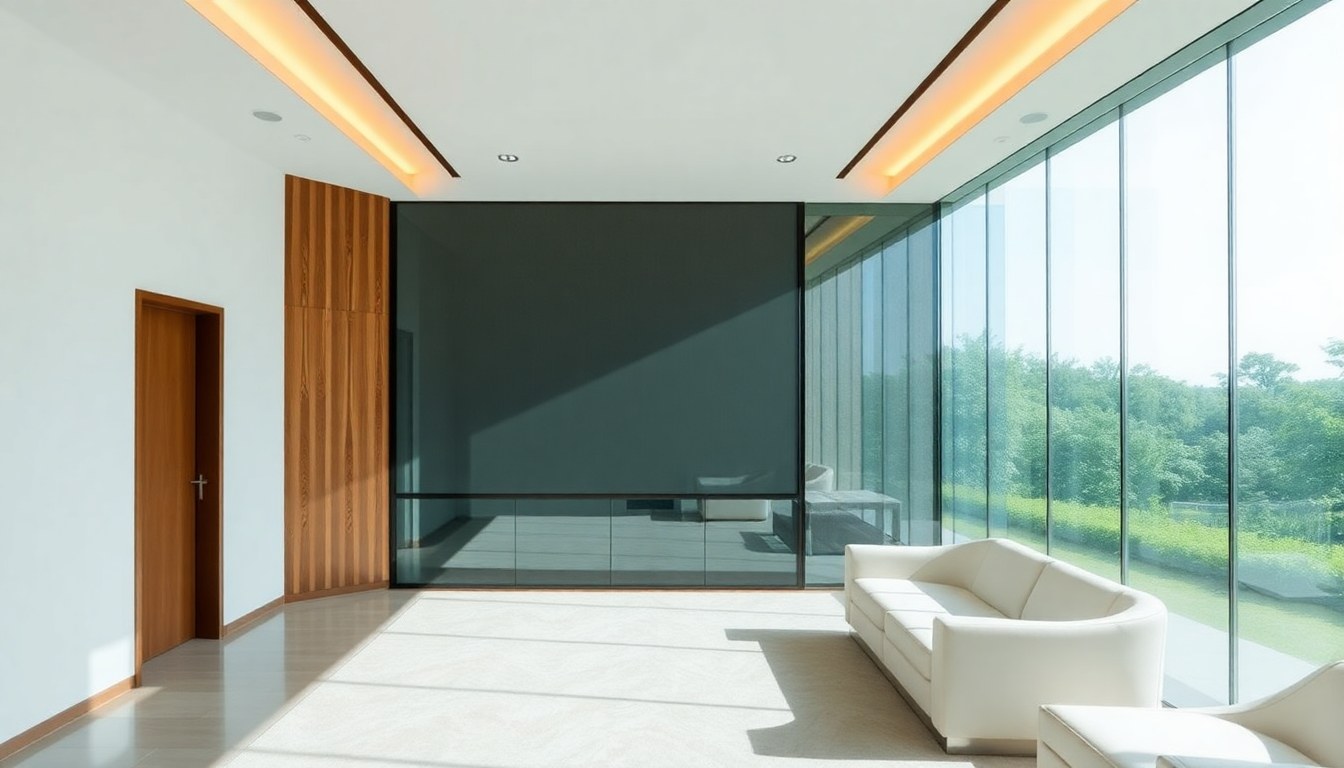
Building a home theater in urban India means battling traffic noise, construction sounds, and neighborhood activity. Acoustic insulated glass units (IGUs)—double or triple-glazed windows with specialized cavity gases—are the most effective transparent soundproofing solution available today. These systems can reduce external noise by 30–50 decibels, transforming your viewing experience while maintaining natural light and architectural aesthetics.
Understanding Acoustic Insulated Glass Units (IGUs)
An insulated glass unit (IGU) consists of two or more panes of glass separated by a sealed air cavity. For acoustic applications, this cavity is filled with inert gases like argon or krypton instead of regular air. The spacing between panes, gas type, and glass thickness all work together to absorb and dampen sound vibrations before they enter your home theater.
The principle behind acoustic IGUs is straightforward: sound travels as vibrations through air. When sound hits the first glass pane, some energy is reflected outward, some is absorbed, and some passes through to the cavity. The gas-filled space acts as a buffer, and the second (or third) pane catches remaining vibrations. This multi-layer approach is far more effective than single-pane windows, which offer minimal noise reduction.
For home theaters in metropolitan areas like Mumbai and Bangalore, where ambient noise levels often exceed 70–80 dB, acoustic IGUs are essential. They allow you to maintain window installations without compromising sound isolation, unlike solid walls that block light entirely.
Decibel Reduction Ratings and Performance Standards
Understanding Sound Transmission Class (STC) Ratings
The Sound Transmission Class (STC) rating measures how well a window assembly blocks sound. An STC rating of 30 blocks ordinary conversation; STC 40 blocks loud speech; STC 50 blocks loud traffic or music; and STC 60+ blocks heavy traffic and aircraft noise. For home theaters, aim for a minimum STC rating of 45–50, with premium installations targeting STC 55–60.
In India, while STC is the international standard, some manufacturers reference Rw (weighted sound reduction index) values, which operate on a similar scale. Always request certified test reports from your supplier rather than relying on marketing claims. Independent testing laboratories verify these ratings under controlled conditions.
Real-World Noise Reduction in Indian Cities
A double-glazed acoustic IGU with 6mm low-emissivity glass, 12mm argon-filled cavity, and 6mm acoustic laminated glass typically achieves 32–38 dB noise reduction. Triple-glazed units with varied pane thicknesses (5mm + 8mm cavity + 6mm laminated + 10mm cavity + 6mm laminated) can reach 42–48 dB reduction. In Mumbai's high-traffic zones, this translates to reducing 80 dB traffic noise to a manageable 32–38 dB inside your home theater—quieter than a library.
The effectiveness depends on the entire window assembly, not just the glass. Frame quality, seal integrity, and installation workmanship are equally critical. A premium IGU installed poorly will underperform significantly.
Glass Composition and Cavity Gas Selection
Laminated vs. Tempered Acoustic Glass
Acoustic performance improves dramatically with laminated glass, which has a polyvinyl butyral (PVB) interlayer that absorbs sound energy. A 6mm laminated pane outperforms 8mm tempered glass for noise reduction. For home theaters, the first pane (facing external noise) should always be laminated. The second and third panes can be laminated or tempered depending on safety requirements and budget.
Asymmetrical pane thicknesses further improve performance. A configuration like 5mm + 6mm cavity + 8mm laminated reduces resonance frequencies better than symmetrical 6mm + 6mm setups. Consult with manufacturers like those listed on glassy.in to customize pane specifications for your noise environment.
Argon vs. Krypton Gas Fill
Argon is the standard gas fill for acoustic IGUs in India due to cost-effectiveness and reliable performance. It reduces heat transfer and provides acoustic benefits without the premium price of krypton. Krypton is denser and offers marginally better insulation and sound damping, but costs 15–20% more and is rarely justified for home theaters unless combined with extreme climate control demands.
The cavity width matters significantly. A 10–12mm cavity is ideal for acoustic performance in the 500–2000 Hz range (where most traffic and speech noise concentrates). Wider cavities (16–20mm) offer additional benefits but require stronger frames to prevent flexing. Narrower cavities (6–8mm) are less effective acoustically.
Frame Sealing and Installation Standards for Soundproofing
Choosing the Right Frame Material
Aluminum frames conduct sound vibrations efficiently, making them poor choices for acoustic applications. Vinyl (uPVC) and fiberglass frames provide superior acoustic performance because they absorb vibrations rather than transmitting them. For home theaters in Bangalore and Mumbai, uPVC frames are most common and cost-effective, offering good acoustic properties at ₹800–1,200 per running meter for basic profiles.
The frame must be rigid enough to minimize vibration but not so rigid that it transmits sound directly. Structural integrity is critical; any flexing in the frame under wind or pressure reduces acoustic effectiveness. Consult architects like StudioPHI Architects who specialize in acoustic design for guidance on frame selection.
Sealing and Installation Protocols
Acoustic performance is lost if gaps exist around the window frame. Installation must follow these standards:
- Perimeter sealing: Use acoustic sealant (not standard silicone) around the entire frame. Acoustic sealants remain flexible and dampen vibrations. Apply continuously with no gaps, and allow proper cure time before operation.
- Cavity fill: The space between the window frame and wall opening must be filled with acoustic foam or mineral wool, not left hollow. This prevents sound from bypassing the IGU through structural cavities.
- Double-frame installation: For maximum acoustic isolation, install windows in staggered frames rather than a single frame. This decouples the two glass assemblies, preventing vibration transfer.
- Weather stripping: High-quality EPDM rubber gaskets must seal all moving parts. Even 1mm gaps reduce acoustic performance by 5–10 dB.
Professional installation is non-negotiable. Poor installation can reduce a premium IGU's effectiveness by 50%. In Mumbai and Bangalore, labor costs for acoustic window installation typically run ₹200–400 per running meter, but this investment protects your IGU investment.
Acoustic IGU Solutions for Mumbai and Bangalore Residential Projects
Mumbai's dense urban environment, with noise levels often exceeding 85 dB in commercial zones, demands triple-glazed acoustic IGUs for home theaters. The Arabian Sea humidity and salt air also require corrosion-resistant frame materials, making vinyl-clad aluminum or fiberglass frames preferable to bare aluminum.
Bangalore's relatively quieter neighborhoods (ambient noise 65–75 dB) often benefit from double-glazed acoustic IGUs, reducing installation costs while still achieving STC 45–50 ratings. However, proximity to major roads like the Outer Ring Road or IT corridors may necessitate triple-glazed systems.
Interior designers and architects working on home theater projects should partner with experienced glass suppliers. Spectrum Interior and Advaith Consultants have successfully integrated acoustic IGUs into residential projects, ensuring both performance and aesthetic integration with home theater design.
Cost Considerations and ROI
Acoustic insulated glass units cost 2.5–4 times more than standard double-glazed windows. A typical 1.2m × 1.5m double-glazed acoustic IGU costs ₹8,000–12,000, while triple-glazed units range from ₹15,000–22,000. Installation, sealing, and frame work add another ₹5,000–10,000 per window.
For a home theater with 4–6 windows, total acoustic glazing costs typically range from ₹80,000–150,000. While substantial, this investment delivers permanent noise reduction without ongoing maintenance, unlike mechanical soundproofing systems. The improved property value, enhanced audio experience, and health benefits (reduced stress from noise exposure) justify the expense for serious home theater enthusiasts.
Many homeowners combine acoustic IGUs with complementary soundproofing measures—acoustic panels, resilient channels in wall framing, and floating floor systems—for comprehensive noise control. This layered approach is more cost-effective than relying solely on windows.
Frequently Asked Questions
What is the minimum STC rating needed for a home theater?
An STC rating of 45 is the practical minimum for home theaters in moderately quiet residential areas. For urban locations in Mumbai or Bangalore with high ambient noise, aim for STC 50–55. Premium installations targeting complete isolation from external noise should achieve STC 55–60. Remember that STC ratings are measured for the entire window assembly, not just the glass, so frame quality matters equally.
Can I retrofit acoustic IGUs into existing window frames?
Retrofitting is possible but challenging. Existing frames must be structurally sound and compatible with heavier acoustic IGUs. The frame itself may not provide adequate acoustic performance, limiting the benefits of premium glass. New installation with acoustic-optimized frames is strongly recommended for home theater projects. Consult with suppliers to evaluate your specific situation before committing to retrofit work.
How much noise reduction can I realistically expect?
Realistic expectations depend on your acoustic environment. A double-glazed acoustic IGU (STC 45) reduces noise by approximately 30–35 dB, while triple-glazed units (STC 55) achieve 40–48 dB reduction. In practical terms, this means reducing loud traffic noise (80 dB) to a whisper-quiet 32–40 dB. However, this assumes professional installation and proper frame sealing. Poor installation can reduce effectiveness by 50%.
Is argon gas fill necessary for acoustic performance?
Argon gas improves both thermal and acoustic performance compared to air-filled cavities. It reduces sound transmission by approximately 2–3 dB compared to standard air. While argon is not strictly "necessary" for basic acoustic performance, it's standard in quality acoustic IGUs and adds minimal cost. Krypton offers marginal improvements but costs significantly more and is rarely justified for home theater applications alone.
How long do acoustic IGUs last?
High-quality acoustic IGUs typically last 15–20 years before seal degradation becomes noticeable. The acoustic performance remains constant throughout this period if the seal remains intact. Once the seal fails, gas escapes and acoustic performance degrades significantly. Choosing reputable manufacturers and professional installers ensures longevity. Maintenance involves regular cleaning and occasional gasket inspection, but no ongoing acoustic maintenance is required.
Conclusion and Next Steps
Acoustic insulated glass units are the most effective transparent soundproofing solution for home theaters in India. By combining laminated glass, specialized cavity gases, proper frame selection, and professional installation, you can reduce external noise by 30–50 dB—transforming your home theater into a truly immersive audio-visual environment. Whether you're in Mumbai's bustling neighborhoods or Bangalore's growing tech corridors, acoustic IGUs provide lasting performance without compromising natural light or aesthetics.
Ready to design your home theater with acoustic glazing? Browse verified glass suppliers, architects, and interior designers on glassy.in—India's largest glass-business directory. Connect with professionals who specialize in acoustic solutions for residential projects, get competitive quotes, and ensure your home theater achieves the soundproofing standards it deserves.