
Smart Glass
Switchable Smart Glass for Home Offices: Privacy on Demand
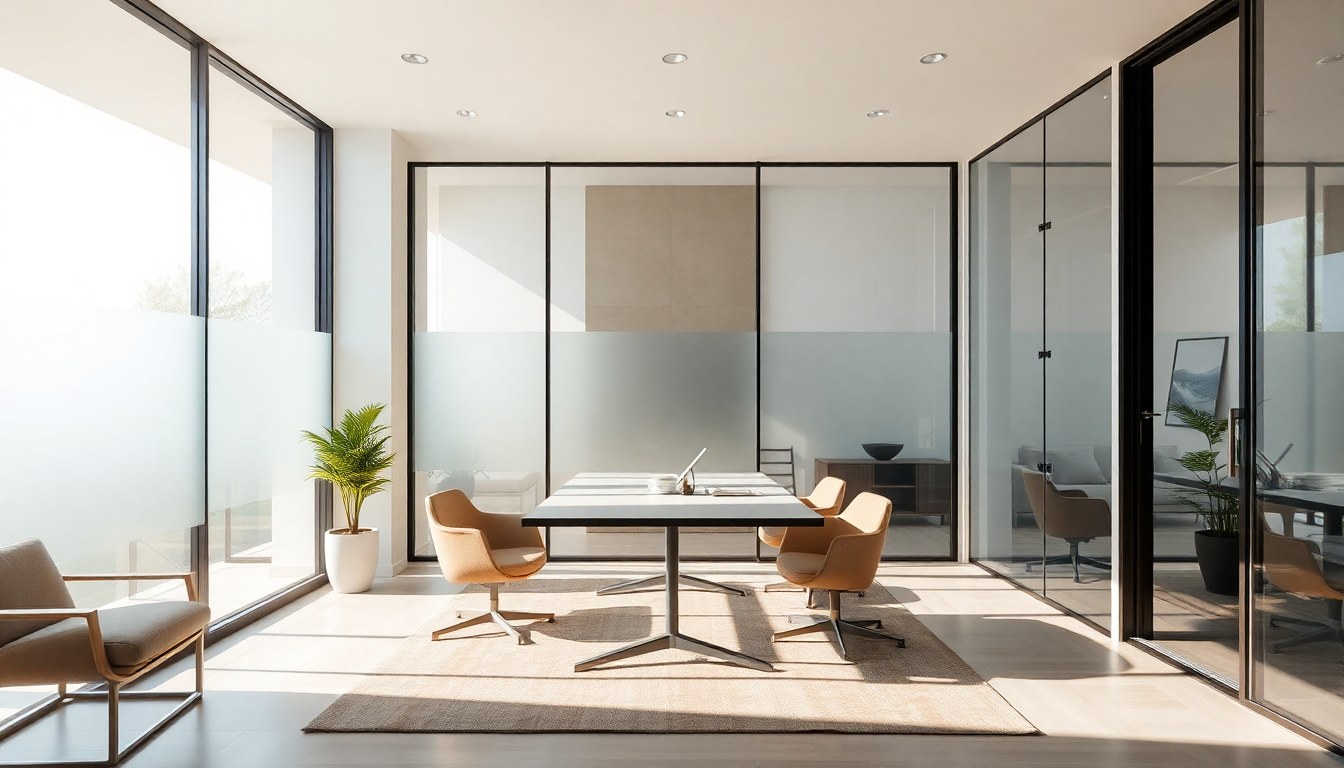
Working from home demands a dedicated, distraction-free space—but traditional blinds and curtains eat up wall space and look dated. Switchable smart glass, powered by electrochromic technology, lets you control privacy instantly with a button press or voice command, transforming your home office into a professional, modern workspace. If you're tired of fumbling with blind cords or want a sleek alternative that maximizes natural light while protecting your privacy, this guide reveals everything you need to know.
What Is Switchable Smart Glass and How Does It Work?
Switchable smart glass, also called electrochromic glass or dynamic glass, is a layered material that changes opacity when an electrical current passes through it. The glass contains a thin coating of electrochromic materials—typically metal oxides—sandwiched between conductive layers. When voltage is applied, ions move within the coating, causing the glass to darken; when the voltage is removed, it returns to clear.
The technology is non-toxic, doesn't rely on moving parts, and requires minimal power—most systems draw just a few watts when actively switching. Unlike passive tinting films, smart glass responds instantly (usually within seconds) and can be controlled remotely via wall switches, smartphone apps, or integration with smart home systems. This makes it ideal for home offices where you need to toggle privacy without leaving your desk.
Key Components
- Electrochromic coating: The active layer that changes color when powered
- Conductive layers: Transparent electrodes that distribute electrical current
- Ion conductor: Allows ion movement to trigger the color change
- Control unit: Manages voltage and switching speed
Privacy Benefits for Home Office Workers
A home office blurs the line between professional and personal space. Switchable smart glass creates an instant visual barrier without permanent fixtures. When you're on video calls, darken the glass to hide your surroundings; when you need concentration, keep it opaque; when you want natural light and openness, switch it transparent. This flexibility is impossible with static blinds.
Beyond privacy from external viewers, smart glass also reduces visual distractions. If you have a window facing a busy street or neighbor's property, switching the glass to a frosted state lets light in while blocking movement and activity that pulls focus. Many remote workers report improved concentration when they can control their visual environment without the clutter of blind mechanisms.
Video Call Confidence
Video meetings are a core part of remote work. Smart glass lets you present a professional background instantly—no scrambling to close blinds or reposition your setup. The frosted or darkened state creates a neutral, distraction-free backdrop that looks polished on camera.
Neighbor and Passerby Privacy
Ground-floor or street-facing home offices are vulnerable to casual observation. Smart glass ensures no one can peek in during confidential calls or when you're handling sensitive documents. This peace of mind is invaluable if your work involves client data, financial information, or proprietary details.
Aesthetic and Space-Saving Advantages
Traditional blinds, curtains, and shades consume visual real estate and require regular cleaning. Smart glass eliminates these bulky fixtures, creating a minimalist, modern look that elevates any home office. The glass itself is sleek and frameless when clear, maintaining clean sightlines and a contemporary aesthetic.
Space is precious in home offices, especially in Indian apartments and compact homes. By replacing window treatments with smart glass, you free up wall space for shelving, artwork, or breathing room. The result is a larger-feeling, more professional environment that doubles as an attractive room even when you're not working.
Maintenance and Durability
Smart glass is easier to maintain than fabric blinds. It doesn't trap dust, requires no mechanical adjustment, and can be wiped clean like regular glass. Most commercial-grade smart glass is rated for 500,000+ switching cycles, translating to decades of reliable use even with daily toggling.
Installation and Cost Considerations in India
Smart glass installation depends on whether you're retrofitting an existing window or building new. Retrofit options are simpler—smart glass can be installed as a secondary pane or film overlay on your current window. New construction allows for integrated smart glass units, which are cleaner and more efficient.
In India, smart glass costs typically range from ₹8,000 to ₹25,000 per square meter, depending on the supplier, technology (electrochromic vs. suspended particle), and installation complexity. A standard 1.2m × 1.5m home office window might cost ₹15,000 to ₹45,000 installed. While higher than blinds, the durability, aesthetics, and functionality justify the investment for professionals who spend 8+ hours daily in their home office.
Power Requirements
Smart glass requires a low-voltage power supply (usually 12V or 24V DC). Installation involves running electrical lines to the window frame and connecting to a control unit. Most modern homes can accommodate this without major rewiring. Solar-powered smart glass options are emerging, though they're less common and pricier in the Indian market.
Control Options
- Wall switch: Basic on/off toggle, simplest to install
- Dimmer switch: Allows gradual opacity adjustment for fine-tuned privacy
- Smartphone app: Control from anywhere; requires WiFi-enabled control unit
- Voice control: Integration with Alexa or Google Home for hands-free operation
- Automation: Schedule opacity changes based on time of day or calendar events
Comparing Smart Glass Technologies
Two main electrochromic technologies dominate the home office market: electrochromic gel and suspended particle devices (SPD). Electrochromic glass is more energy-efficient and offers clearer transparency when switched off. SPD glass transitions faster but consumes slightly more power and may show a faint tint even when clear. For home offices, electrochromic is generally preferred due to lower operating costs and superior optical clarity.
Photochromic glass, which darkens in sunlight without power, is another option—but it offers no active control, making it unsuitable for privacy-on-demand applications. Thermochromic glass responds to temperature, not electrical input, and is rarely used for windows. Always verify you're purchasing true electrochromic smart glass if instant, controllable privacy is your goal.
Integration with Smart Home Systems
Modern smart glass integrates seamlessly with popular home automation platforms. If you already use smart lights, thermostats, or security systems, adding smart glass to your ecosystem enhances convenience and efficiency. Many systems allow you to create scenes—for example, a "Do Not Disturb" scene that darkens the glass, dims lights, and silences notifications simultaneously.
In cities like Bangalore, Mumbai, and Delhi, where smart home adoption is growing, installers increasingly offer pre-configured systems that work out of the box with mainstream platforms. Ask your supplier about compatibility before purchasing to avoid integration headaches.
Maintenance, Troubleshooting, and Lifespan
Smart glass requires minimal maintenance. Clean it like regular windows using a soft cloth and mild glass cleaner—avoid abrasive materials that could scratch the electrochromic coating. Most systems include a simple control unit with indicator lights; if the glass doesn't respond, check the power supply and electrical connections first.
Lifespan typically exceeds 20 years for residential use, with the electrochromic coating remaining effective through hundreds of thousands of switching cycles. If a unit fails, replacement is usually a straightforward swap of the control module rather than the entire glass pane. Warranty coverage varies by manufacturer; reputable suppliers offer 5-10 year warranties on the glass and 2-3 years on electrical components.
Frequently Asked Questions
Is smart glass expensive compared to motorized blinds?
Smart glass costs more upfront—typically ₹15,000 to ₹45,000 for a standard home office window—but offers superior durability, lower maintenance, and a premium aesthetic. Motorized blinds might be cheaper initially (₹8,000 to ₹20,000), but they require periodic maintenance, repairs, and eventual replacement. Over 20+ years, smart glass often proves more cost-effective and delivers better value for daily users.
How long does it take for smart glass to switch from clear to frosted?
Most electrochromic smart glass switches within 2-10 seconds, depending on the product and size of the pane. Larger panes may take slightly longer due to the distance electrical current must travel. This speed is more than adequate for home office use and far faster than manually adjusting blinds.
Can smart glass be installed on existing windows?
Yes. Retrofit smart glass films and secondary panes can be applied to existing windows without replacement. However, integrated smart glass units (built into the window frame) require new window installation. Retrofit options are more affordable and simpler to install, making them popular for home offices in rental properties or when budget is tight.
Does smart glass work in direct sunlight?
Yes, smart glass functions in any lighting condition. When darkened, it reduces heat gain and glare from direct sunlight, which is beneficial for home offices where screen glare disrupts work. The opacity level you set is independent of ambient light, giving you full control regardless of time of day or weather.
What happens if the power goes out?
Most smart glass systems default to a transparent or slightly frosted state during power loss, ensuring you're not trapped in darkness. Some advanced systems include battery backup to maintain the last set state. Check the specifications of your chosen product to understand its fail-safe behavior.
Transform Your Home Office Today
Switchable smart glass represents the future of home office design—combining privacy, aesthetics, and convenience in a single elegant solution. Whether you're setting up a new workspace or upgrading an existing one, smart glass eliminates the friction of traditional window treatments while projecting professionalism to video call participants. Ready to explore smart glass options for your home office? Browse verified suppliers and installers on the Glassy.in directory to compare products, prices, and services in your city. Your ideal home office is just a click away.