
Smart Glass
Smart Glass for Office Cabins: Auto-Tinting Privacy Solutions in 2026
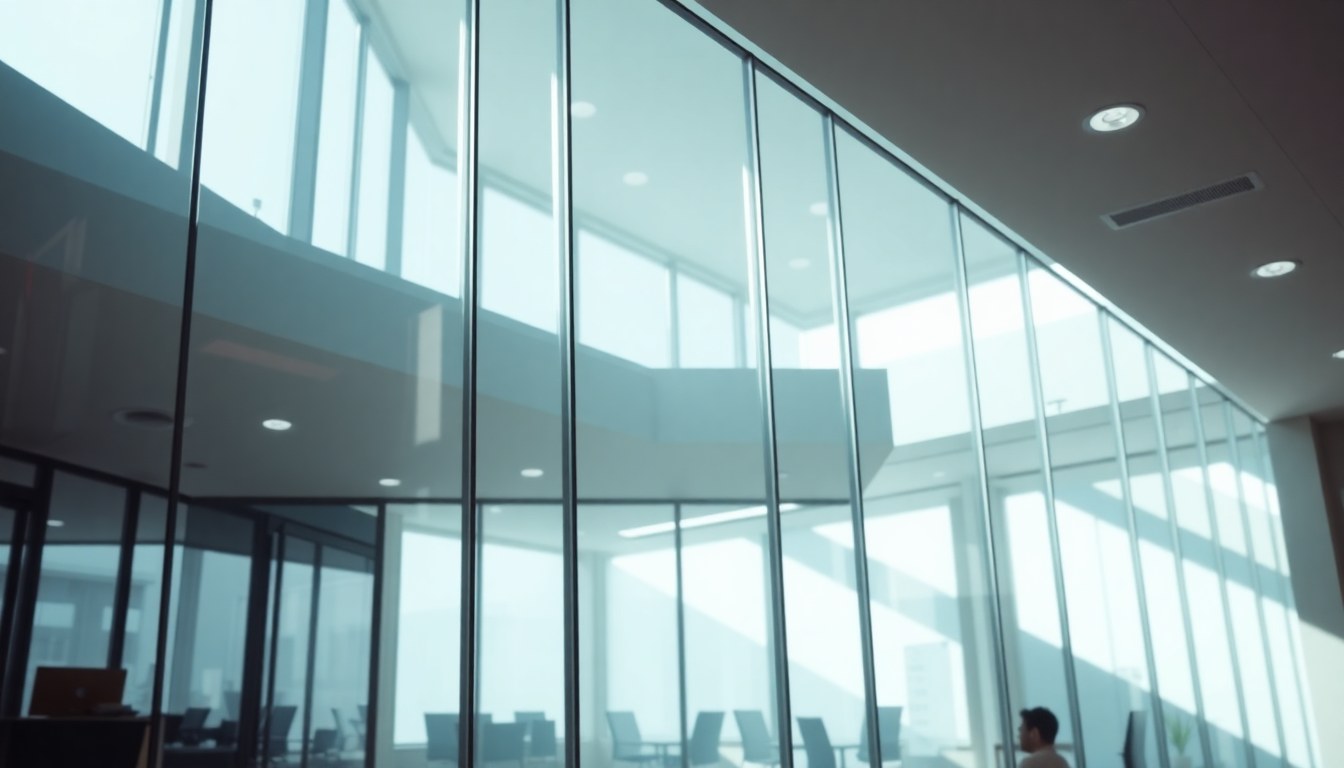
Modern office design demands flexibility, privacy, and sustainability—and smart glass delivers all three. Electrochromic and switchable glass technology allows office cabins to shift from transparent to opaque instantly, eliminating the need for traditional blinds while reducing energy consumption and creating a sleek, contemporary workspace. For tech parks across Bangalore and other Indian metros, smart glass represents a game-changing investment that combines professional aesthetics with practical functionality.
What Is Smart Glass and How Does It Work?
Smart glass, also called switchable or electrochromic glass, is a technology that changes its light transmission properties when an electrical current is applied. The most common types used in office environments are electrochromic glass and polymer-dispersed liquid crystal (PDLC) glass. When activated, the glass tints to block light and heat; when deactivated, it becomes clear and transparent.
The mechanism works through a thin layer of electrochromic material embedded between glass panes. When voltage is supplied, ions move within this layer, causing the glass to darken. The process is reversible and can be controlled manually via a switch, remote, or integrated smart building system. Unlike traditional tinted glass, smart glass adjusts its opacity in real time, giving office occupants complete control over privacy and light exposure.
Types of Smart Glass for Office Spaces
- Electrochromic Glass: Uses a thin electrochromic coating that darkens when voltage is applied. Offers smooth tinting gradation and is ideal for large cabin windows.
- PDLC Glass: Contains liquid crystals suspended in a polymer film. Switches between opaque and transparent states more dramatically, perfect for partition walls between open-plan areas.
- Photochromic Glass: Reacts to sunlight intensity without requiring electrical input, though less controllable than electrochromic options.
Privacy Benefits Without Sacrificing Aesthetics
Traditional office cabins rely on blinds, curtains, or frosted glass—all of which obstruct the view permanently and create visual clutter. Smart glass eliminates this problem. When privacy is needed, occupants activate the tinting with a simple tap on a wall-mounted panel or smartphone app. When the cabin is unoccupied or privacy is not required, the glass remains clear, maintaining the open, modern look that contemporary office design demands.
This flexibility is especially valuable in collaborative office environments where visual connection between teams is important, but individual contributors need focused work time. A cabin with smart glass partitions can transition from an open, connected space to a private meeting room in seconds—no reconfiguration needed.
Psychological and Professional Impact
Employees report higher satisfaction when they have control over their visual privacy. Smart glass empowers workers to manage their environment without feeling isolated. The seamless, minimalist appearance of smart glass cabins also projects a forward-thinking, tech-savvy image—crucial for attracting talent to tech parks and corporate offices across metros like Bangalore, Hyderabad, and Pune.
Energy Efficiency and Cost Savings
One of the most compelling advantages of smart glass is its impact on building energy consumption. By tinting automatically or manually in response to sunlight, smart glass reduces heat gain in summer and helps retain warmth in winter. This directly lowers air-conditioning and heating loads, translating to measurable reductions in energy bills.
Studies from glass manufacturers indicate that smart glass can reduce cooling costs by 20–30% in sun-exposed cabins. Over a year, this savings is significant for large office buildings. Additionally, smart glass reduces glare on computer screens, improving employee comfort and reducing eye strain—an indirect productivity gain that shouldn't be overlooked.
ROI and Long-Term Value
While smart glass carries a higher upfront cost than conventional glass (typically ₹8,000–₹15,000 per square meter installed, depending on the technology and supplier), the energy savings and reduced HVAC maintenance offset this investment within 5–7 years. For companies planning to occupy a space long-term, smart glass becomes a financially sound decision. When working with experienced interior designers like NewEra Interiors and Architect, you can optimize smart glass placement to maximize energy benefits.
Installation and Integration in Modern Office Cabins
Smart glass installation requires more planning than standard glass but is straightforward for experienced professionals. The electrical wiring must be integrated into the cabin structure, typically run through the frame or walls. Control systems can range from simple wall switches to sophisticated building management systems that automate tinting based on time of day, occupancy sensors, or sunlight intensity.
Most smart glass systems operate on low-voltage DC power (typically 24–48V), making them safe for office environments. Professional installers will ensure compliance with electrical codes and integrate the system with existing building automation if present. For cabin partitions, smart glass can be installed as a retrofit in many cases, though new construction allows for cleaner integration.
Choosing the Right Supplier and Installer
Quality matters significantly with smart glass. Poor installation or substandard materials lead to inconsistent tinting, electrical failures, and disappointing results. When sourcing smart glass for your office project, partner with established glass dealers who understand the technology and have a track record in commercial installations. Suppliers like SABRI GLASS HOUSE and Adithya Glass in major metros can provide quality materials and reliable installation support.
Smart Glass Applications in Different Office Scenarios
Smart glass is versatile and works in multiple office cabin configurations. Executive cabins benefit most visibly—leaders can maintain privacy for confidential calls and meetings while projecting openness when desired. Open-plan offices with smart glass partition walls create flexible collaboration zones that can be sealed off for focused work without permanent walls.
Conference rooms with smart glass walls allow presentations to be delivered with complete privacy, then quickly return to transparent mode for team brainstorming. Even window walls in high-rise tech parks can use smart glass to manage glare and heat while maintaining the prestigious appearance of floor-to-ceiling glazing.
- Executive Cabins: Privacy on demand for sensitive meetings and calls.
- Partition Walls: Flexible open-plan spaces that can be sealed instantly.
- Conference Rooms: Presentation privacy without permanent obstructions.
- Window Glazing: Solar control and glare reduction in high-rise offices.
Challenges and Considerations for 2026 Adoption
While smart glass technology is mature and proven, a few practical considerations remain. Cost is still a barrier for budget-conscious projects, though prices are declining as adoption increases. Maintenance is minimal—the glass surfaces clean like standard glass—but the electrical systems require occasional inspection to ensure reliable operation.
Response time varies by technology; electrochromic glass typically takes 5–10 minutes to fully tint, while PDLC glass switches in seconds. For cabins where instant privacy is critical, PDLC is preferable. Additionally, smart glass works best when integrated into the overall office design; retrofitting into poorly designed cabin layouts may yield disappointing results.
Power consumption of smart glass is low—typically 2–5 watts per square meter when actively tinting—but should be factored into electrical planning. For projects involving comprehensive interior redesign, consulting with experienced architects and interior designers like Viswam Interiors ensures smart glass is positioned and configured for maximum benefit.
Frequently Asked Questions
How much does smart glass cost for an office cabin?
Smart glass typically costs ₹8,000–₹15,000 per square meter installed, depending on the technology (electrochromic vs. PDLC), glass thickness, and local labor rates. A standard cabin with 20–30 square meters of smart glass would cost ₹1.6–₹4.5 lakhs. Prices are declining as the technology becomes more mainstream.
Can smart glass be retrofitted into existing office cabins?
Yes, smart glass can often be retrofitted, but it requires electrical work to bring power to the cabin partition or window. New construction allows for cleaner integration, but retrofitting is feasible in most modern office buildings. Consult with a professional installer to assess your specific cabin design.
How long does smart glass take to tint or clear?
Electrochromic glass typically takes 5–10 minutes to reach full opacity, offering smooth gradation. PDLC glass switches between opaque and transparent much faster, in seconds. The choice depends on your privacy needs and preferred user experience.
Is smart glass safe and durable?
Yes, smart glass is as durable as standard tempered glass and operates on safe low-voltage electrical systems. The electrochromic coating is sealed between glass panes, protecting it from damage. With proper installation and maintenance, smart glass lasts 20+ years.
Does smart glass reduce energy costs significantly?
Studies show smart glass can reduce cooling costs by 20–30% in sun-exposed areas. The exact savings depend on cabin location, orientation, and climate. For tech parks in warm regions like Bangalore, energy savings are substantial and often justify the investment within 5–7 years.
Conclusion: Smart Glass as the Future of Office Cabin Design
Smart glass technology represents a meaningful leap forward in office cabin design, combining privacy, aesthetics, energy efficiency, and flexibility in a single solution. As companies prioritize employee experience and sustainability, smart glass adoption will accelerate throughout 2026 and beyond. Whether you're designing a new tech park, renovating corporate headquarters, or upgrading individual cabins, smart glass deserves serious consideration.
Ready to explore smart glass solutions for your office project? Browse verified glass suppliers and interior designers on glassy.in, India's largest glass-business directory. Connect with experienced professionals who can assess your space, recommend the right smart glass technology, and deliver flawless installation tailored to your office environment.