
Smart Glass
Smart Glass Switchable Technology for Office Cabins: Cost, Installation & Benefits
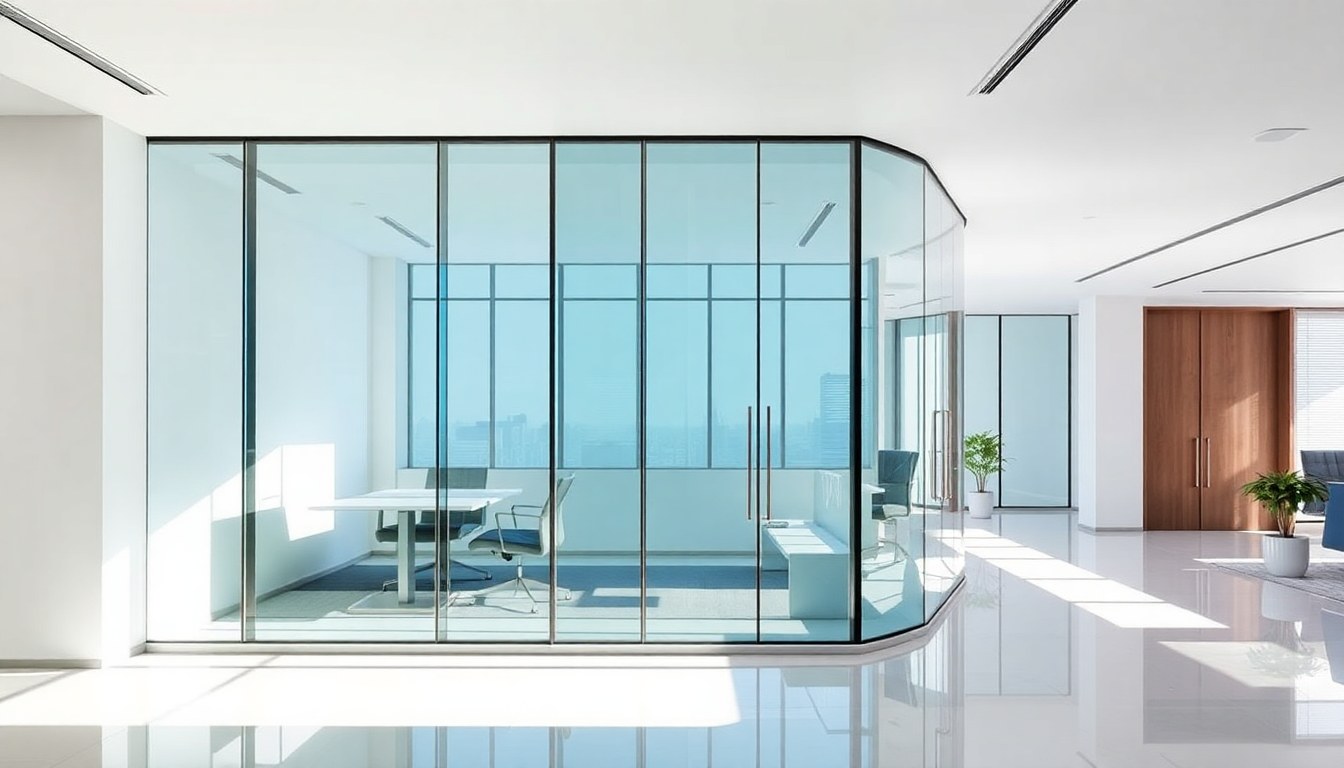
Smart glass—also called switchable glass or privacy glass—transforms ordinary transparent partitions into opaque barriers at the flip of a switch, offering Indian offices a modern solution for flexible workspace design. Whether you're renovating a corporate cabin or designing an open-plan office with privacy zones, understanding the technology, pricing, and installation process is essential to making an informed investment. This guide walks you through everything you need to know about smart glass for office cabins, from electrochromic and polymer-dispersed technologies to real-world costs and power requirements.
What Is Smart Glass Switchable Technology?
Smart glass, or electrochromic glass, uses an electrical charge to change its light transmission properties. When powered off, the glass remains transparent; when powered on, it becomes frosted or opaque, blocking visibility while still allowing light to pass through. This technology is ideal for office cabins where privacy needs fluctuate throughout the day—executives can hold confidential meetings without drawing physical blinds, and open-plan areas can be subdivided instantly without permanent walls.
There are two primary technologies used in smart glass for office applications:
- Electrochromic Glass (EC Glass): Uses a thin electrochromic layer that changes color when voltage is applied. It offers variable tinting from fully transparent to deeply tinted, consuming minimal power once the desired opacity is set.
- Polymer-Dispersed Liquid Crystal (PDLC) Glass: Contains liquid crystals suspended in a polymer matrix. When powered, crystals align to allow light through; when off, they scatter light randomly, creating a frosted appearance. PDLC typically switches between fully clear and fully opaque.
Both technologies are durable, require no maintenance, and last 15–20 years with proper installation. PDLC is more affordable and faster-switching; electrochromic offers finer opacity control and lower long-term power consumption.
Cost Breakdown for Smart Glass Office Cabins in India
Pricing for smart glass in India varies significantly based on technology type, glass size, thickness, and installation complexity. As of 2024, here's what you can expect:
Material Costs
- PDLC Smart Glass: ₹8,000–₹15,000 per square meter for standard 6mm thickness. Larger panels and custom sizes may push costs toward ₹18,000–₹22,000 per sq. m.
- Electrochromic Glass: ₹12,000–₹25,000 per square meter, depending on the manufacturer and control system sophistication. Premium imported variants can exceed ₹30,000 per sq. m.
- Laminated Smart Glass: Adds ₹2,000–₹5,000 per sq. m for safety and acoustic properties, recommended for high-traffic areas.
Installation and Control Systems
Installation costs typically range from ₹5,000–₹15,000 per cabin, depending on structural modifications needed. A complete smart glass partition system for a 3×4 meter office cabin (12 sq. m) costs between ₹1,20,000–₹3,00,000 all-in, including:
- Glass panels and framing (aluminum or steel)
- Electrical wiring and power supply integration
- Control system (wall switch, remote, or smartphone app)
- Installation labor
- Safety compliance and testing
Smart glass control systems range from simple wall-mounted switches (₹2,000–₹5,000) to advanced IoT-enabled systems that integrate with building management (₹15,000–₹50,000). Many Indian offices opt for mid-range solutions featuring remote controls or basic app integration.
Installation Process and Power Requirements
Smart glass installation requires careful planning and professional execution. The process typically takes 3–7 working days, depending on cabin size and existing infrastructure.
Step-by-Step Installation
- Site Assessment: Engineers measure the cabin, assess structural capacity, and identify electrical access points. This phase determines framing type and power routing.
- Framing Installation: Aluminum or steel frames are secured to walls, ceilings, and floors. Frames must be perfectly level and plumb to ensure glass seals properly.
- Electrical Preparation: Power lines are routed behind walls or through conduits to the smart glass panels. A dedicated circuit (typically 10–20 amps) is recommended to avoid interference with other office equipment.
- Glass Panel Installation: Smart glass panels are carefully fitted into frames with conductive contacts aligned. Seals and gaskets ensure weathertightness and electrical continuity.
- Control System Setup: Wiring connects panels to the control unit. Software is configured, and the system is tested across all opacity levels.
- Final Testing and Handover: Full functionality is verified, users are trained, and documentation is provided.
Power Consumption and Electrical Requirements
Smart glass power needs are modest, making it feasible for most Indian office buildings:
- PDLC Glass: Consumes 3–8 watts per square meter while actively switching; draws negligible power once set to a fixed opacity. A 12 sq. m cabin uses approximately 36–96 watts during switching.
- Electrochromic Glass: Even more efficient, drawing 1–3 watts per square meter during operation and minimal standby power.
- Typical Installation: A standard office cabin requires a 230V, 10–15 amp circuit. Most modern buildings support this without upgrades. In older structures, you may need to add a dedicated circuit, costing ₹3,000–₹8,000.
Smart glass does not require a backup power system unless you want the glass to retain its opacity during power cuts. Most offices accept the default behavior—glass reverts to transparent if power is lost.
Benefits and ROI for Indian Offices
While the upfront investment is significant, smart glass delivers measurable returns through improved productivity, reduced real estate costs, and energy efficiency.
Productivity and Privacy
Employees in private cabins with smart glass report higher focus and fewer distractions. The ability to control privacy without drawing blinds or closing physical doors creates a psychological sense of autonomy. Open-plan offices benefit from instant, flexible partitioning that encourages collaboration when needed and isolation when required.
Real Estate Optimization
Smart glass allows offices to reduce the number of fixed walls and dedicated cabins. A 2,000 sq. m office that previously needed 8–10 separate rooms can now operate with 5–6 flexible zones using smart glass partitions. Over a 10-year lease, this translates to savings of ₹20–₹40 lakhs in rent, easily offsetting the ₹15–₹25 lakh smart glass investment.
Energy Efficiency
Electrochromic smart glass reduces solar heat gain by up to 70% when tinted, lowering air-conditioning loads. In Indian climates with intense summer sun, this can reduce HVAC energy consumption by 15–25%, saving ₹30,000–₹80,000 annually for larger offices.
Aesthetic and Brand Value
Modern, tech-forward office design attracts top talent and impresses clients. Smart glass communicates innovation and flexibility—qualities that resonate with millennial and Gen-Z employees. This intangible benefit often justifies investment in premium finishes.
Calculating Your ROI
A typical ROI calculation for a 50-cabin office:
- Total smart glass investment: ₹30 lakhs
- Annual real estate savings: ₹25 lakhs (reduced cabin count)
- Annual energy savings: ₹5 lakhs
- Total annual benefit: ₹30 lakhs
- Payback period: 1 year
This simplified model assumes conservative savings. Many offices report payback within 18–24 months when factoring in improved employee retention and reduced absenteeism.
Choosing the Right Vendor and Installation Partner
Quality and reliability vary significantly among smart glass suppliers in India. When evaluating vendors, prioritize:
- Warranty and Support: Insist on a minimum 5-year warranty covering glass and control systems. Verify that the vendor offers on-site support for troubleshooting.
- Technology Maturity: Electrochromic glass from established manufacturers (e.g., SageGlass, ChromoGenics) carries lower failure risk than newer PDLC brands.
- Local Installation Expertise: Partner with architects and interior designers experienced in smart glass. Firms like Void + Edifice Architectural Design Studio and tada design collective bring both design vision and technical precision to smart glass projects.
- Compliance and Testing: Verify that installations meet Indian Standards (IS 2553 for safety glass) and local building codes. Request test certificates for electrical safety.
For interior design consultation and material sourcing, experienced firms like Viswam Interiors can integrate smart glass seamlessly into your office aesthetic while managing logistics and installation timelines.
Common Challenges and Solutions
Smart glass is robust, but awareness of potential issues helps you avoid costly mistakes:
- Electrical Interference: Smart glass control systems can be affected by high-frequency equipment (WiFi routers, microwave ovens). Keep control wiring separate from power lines; use shielded cables if necessary.
- Thermal Stress: Direct sunlight on large glass panels can cause expansion. Ensure proper spacing in frames and use thermal breaks to prevent stress fractures.
- Opacity Uniformity: Occasionally, PDLC glass shows slight color variation when switching. This is normal and does not affect privacy. Electrochromic glass offers more uniform tinting.
- Maintenance: Smart glass requires minimal upkeep—occasional cleaning with soft cloths and standard glass cleaner. Avoid abrasive materials that scratch the conductive layer.
Frequently Asked Questions
How long does smart glass take to switch from transparent to opaque?
PDLC glass switches in 1–3 seconds, while electrochromic glass typically takes 5–15 minutes to reach full opacity. The slower switching of electrochromic glass is offset by its lower power consumption and ability to achieve variable tinting levels.
Is smart glass compatible with existing office infrastructure?
Yes, in most cases. Standard 230V office electrical systems support smart glass installations. Older buildings may require a dedicated circuit, adding ₹3,000–₹8,000 to the project cost. Always have a qualified electrician assess your building before committing to a large installation.
What is the lifespan of smart glass panels?
High-quality smart glass lasts 15–20 years with minimal degradation. The control systems and electrical components may require replacement or upgrades after 10–12 years. Warranty coverage typically extends 5–7 years, with extended plans available.
Can smart glass be used in cabins with external windows?
Yes, but electrochromic glass is preferable for external windows because it reduces solar heat gain. PDLC glass works well for internal partitions. Combining both technologies—electrochromic on south-facing windows and PDLC for internal cabins—optimizes energy efficiency and privacy.
Does smart glass require a separate control system for each cabin?
No. A centralized control system can manage multiple cabins simultaneously, or each cabin can have its own switch. Smartphone app controls allow users to manage smart glass from anywhere, ideal for large offices or multi-floor buildings.
Conclusion and Next Steps
Smart glass switchable technology represents a significant step forward in office design, balancing privacy, flexibility, and sustainability. While initial costs range from ₹1–₹3 lakhs per cabin, the ROI through real estate optimization and energy savings typically justifies the investment within 1–2 years. The key to success is partnering with experienced architects and installers who understand both the technology and your office's unique needs.
Ready to explore smart glass for your office? Browse verified glass suppliers, architects, and interior designers on glassy.in—India's largest glass-business directory. Whether you're in Bangalore, Delhi, Mumbai, or any other major city, you'll find trusted professionals ready to transform your workspace with smart glass solutions.