
Smart Glass
Smart Glass Switchable Technology: How It Works & When to Use It
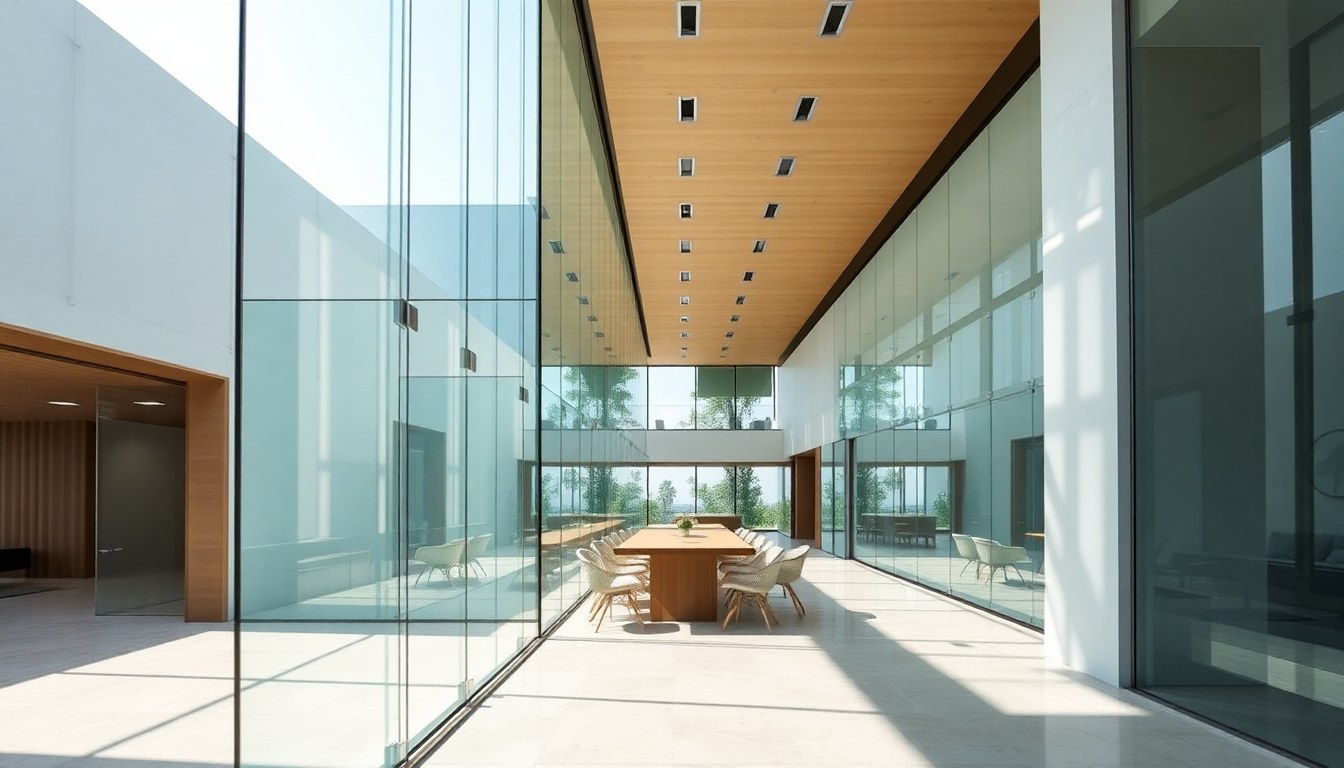
Smart switchable glass transforms from transparent to opaque at the flick of a switch, offering privacy, energy efficiency, and modern aesthetics without closing blinds or curtains. Whether you're renovating a home office or designing a corporate space, understanding how this technology works helps you make informed decisions about where and when to use it. This guide walks you through the science, installation needs, costs, and real-world applications across Indian homes and businesses.
What Is Smart Switchable Glass?
Smart glass—also called switchable glass or dynamic glass—is a glazing material that changes its light transmission properties when electrical current is applied. Unlike traditional glass, which remains permanently transparent, smart glass can shift between clear and frosted (or dark) states electronically. This happens without any moving parts, making it a seamless, durable solution for privacy and light control.
Two main technologies dominate the market: electrochromic glass and polymer-dispersed liquid crystal (PDLC) glass. Both serve the same purpose but work through different mechanisms. Electrochromic glass is typically used in larger installations like office windows and storefronts, while PDLC is popular for smaller applications such as doors, partitions, and skylights. The choice depends on your budget, space, and specific needs.
How Electrochromic Glass Works
Electrochromic glass contains multiple layers of thin-film coatings sandwiched between two panes. When a low-voltage electrical current (typically 1-3 volts) is applied, ions move between these layers, causing the glass to darken. Remove the voltage, and the ions return to their original state, making the glass clear again. This process is reversible and can be repeated thousands of times without degradation.
The key advantage of electrochromic technology is its gradual tinting—you can control exactly how dark or light the glass becomes. This fine-tuning makes it ideal for managing solar heat gain in offices and homes. Once tinted, electrochromic glass holds its state even without continuous power, making it energy-efficient. Response time ranges from 5 to 30 minutes for full tinting, depending on the product quality and size.
Benefits of Electrochromic Glass
- Reduces cooling costs by blocking solar heat in summer (up to 60% heat rejection)
- Gradual tinting allows precise light control
- Maintains state without continuous power supply
- Lasts 20+ years with minimal maintenance
- Ideal for large windows and glass facades
How Polymer-Dispersed Liquid Crystal (PDLC) Glass Works
PDLC glass uses a different approach. It contains tiny liquid crystal droplets suspended in a polymer resin, sandwiched between two glass panes. When no electrical current flows, these droplets scatter light randomly, making the glass appear frosted or milky white. Apply voltage, and the droplets align, allowing light to pass through, turning the glass transparent in milliseconds.
PDLC's instant response time—typically under 1 second—makes it feel more interactive and responsive than electrochromic glass. However, PDLC requires continuous power to stay transparent, consuming more electricity over time. It's excellent for privacy applications where you need quick switching between clear and opaque states, such as bathroom windows, conference room partitions, or storefront displays.
Benefits of PDLC Glass
- Instant switching (less than 1 second)
- Complete privacy when powered off
- No visible wiring or mechanical parts
- Works well for partitions and smaller installations
- Provides diffused light even when opaque
Installation Requirements & Considerations
Installing smart glass is more complex than standard glazing because it requires electrical integration. Before installation, you need to assess your building's electrical capacity, window frame compatibility, and the thickness of the glass unit. Most smart glass units are 6–12 mm thick and require reinforced frames to handle the additional weight and electrical connections.
Working with experienced architects and interior designers is crucial for proper installation. Professionals like Eka Studio By Sana and BM Design Studio can help you plan the electrical layout, frame specifications, and integration with your building management system. They'll also ensure compliance with Indian building codes and safety standards.
Electrical Requirements
Smart glass needs a dedicated power supply and control system. Electrochromic glass typically operates on low voltage (1–3V), while PDLC glass requires higher voltage (60–110V AC). You'll need to install wiring, switches, and potentially a central control system if you want to manage multiple panes simultaneously. Many modern installations use smartphone apps or voice control integration for added convenience.
Frame & Structural Considerations
Standard aluminum or uPVC frames may need reinforcement to support smart glass units. The electrical connections must be sealed properly to prevent moisture ingress. In humid climates like coastal Indian regions, this becomes even more critical. Professional fabricators like Mittal Fabrication understand these regional challenges and can customize frames accordingly.
Cost & Energy Savings
Smart glass is a premium product. In India, electrochromic glass costs between ₹3,000 to ₹8,000 per square meter, while PDLC glass ranges from ₹2,500 to ₹6,000 per square meter. Installation, electrical work, and frames add another 30–50% to the total cost. A 10 sq. meter installation might cost ₹50,000 to ₹1,20,000 all-in, depending on the technology and location.
Despite high upfront costs, smart glass delivers measurable energy savings. By reducing solar heat gain, electrochromic windows can lower air-conditioning costs by 20–30% annually in office buildings. In residential settings, the savings are typically 10–20% depending on climate, window orientation, and usage patterns. The payback period ranges from 5 to 15 years, after which the savings are pure benefit. Government incentives for energy-efficient building materials may also apply—check with your local municipality.
Real-World Applications in India
Smart glass is gaining traction across Indian residential and commercial sectors. In office buildings, it's used for conference rooms where privacy is needed on demand, reducing the need for blinds or curtains. Corporate campuses in Bangalore, Mumbai, and Delhi increasingly feature smart glass facades for their modern aesthetic and energy credentials.
For homes, smart glass works well in bathrooms, bedrooms, and home offices. A frosted PDLC glass partition between a living room and kitchen provides flexibility—clear for an open feel during gatherings, opaque for privacy during cooking. In luxury apartments and villas, smart glass skylights and large windows are becoming status symbols while delivering practical benefits.
Retail storefronts use PDLC glass for dynamic displays and privacy. Hospitals employ it in patient rooms and operating theaters where infection control and privacy are paramount. Educational institutions use smart glass in libraries and study areas to create flexible, distraction-free zones.
Maintenance & Longevity
Smart glass requires minimal maintenance compared to mechanical blinds. Regular cleaning with soft, non-abrasive cloths and mild soap suffices. Unlike traditional blinds, there are no moving parts to jam, dust to accumulate, or mechanisms to repair. The glass itself is durable—most quality products carry 10–20 year warranties and can last 25+ years with proper care.
In India's tropical and coastal climates, ensure proper sealing during installation to prevent moisture ingress, which can damage the electrical layers. Regular electrical inspections every 2–3 years help identify any issues early. Reputable installers provide after-sales support and maintenance packages.
Frequently Asked Questions
Does smart glass work in direct sunlight?
Yes, smart glass works in direct sunlight. In fact, electrochromic glass is most effective in bright conditions, where it can block solar heat and glare. PDLC glass also functions in sunlight but doesn't reduce heat as effectively—it primarily provides privacy by scattering light.
Can smart glass be installed in existing windows?
Smart glass usually requires new window frames and electrical infrastructure. Retrofitting existing windows is possible but often costly and complex. It's more practical during new construction or major renovations. Consult with architects like Khurana Interior and Exterior Hub to assess your specific situation.
What happens to smart glass during a power outage?
Electrochromic glass remains in its last state (clear or tinted) during a power outage, so you're not suddenly exposed. PDLC glass, however, returns to its opaque state when power is lost, which some view as a safety feature. You can install backup power systems to maintain control during outages if needed.
Is smart glass worth the investment for homes?
For homes, smart glass offers value if you prioritize privacy, energy savings, and modern aesthetics. The 10–20 year payback period is reasonable given the durability and minimal maintenance. It's especially worthwhile in bedrooms, bathrooms, and home offices. For budget-conscious homeowners, starting with one or two smart glass applications is a practical approach.
Can smart glass be dimmed or controlled remotely?
Yes, modern smart glass systems integrate with home automation and building management systems. You can control tinting levels via smartphone apps, voice assistants (Alexa, Google Home), or scheduled timers. This integration adds to the cost but enhances convenience and energy optimization.
Smart switchable glass represents the future of intelligent building design in India. Whether you're upgrading a home office or designing a new commercial space, understanding how this technology works empowers you to make decisions that balance comfort, efficiency, and cost. Ready to explore smart glass options for your project? Browse curated glass professionals and architects on glassy.in, India's largest glass-business directory, to connect with local experts who can guide you through every step of the installation process.