
Smart Glass
Smart Glass Technology: Switchable Privacy for Office Cabins
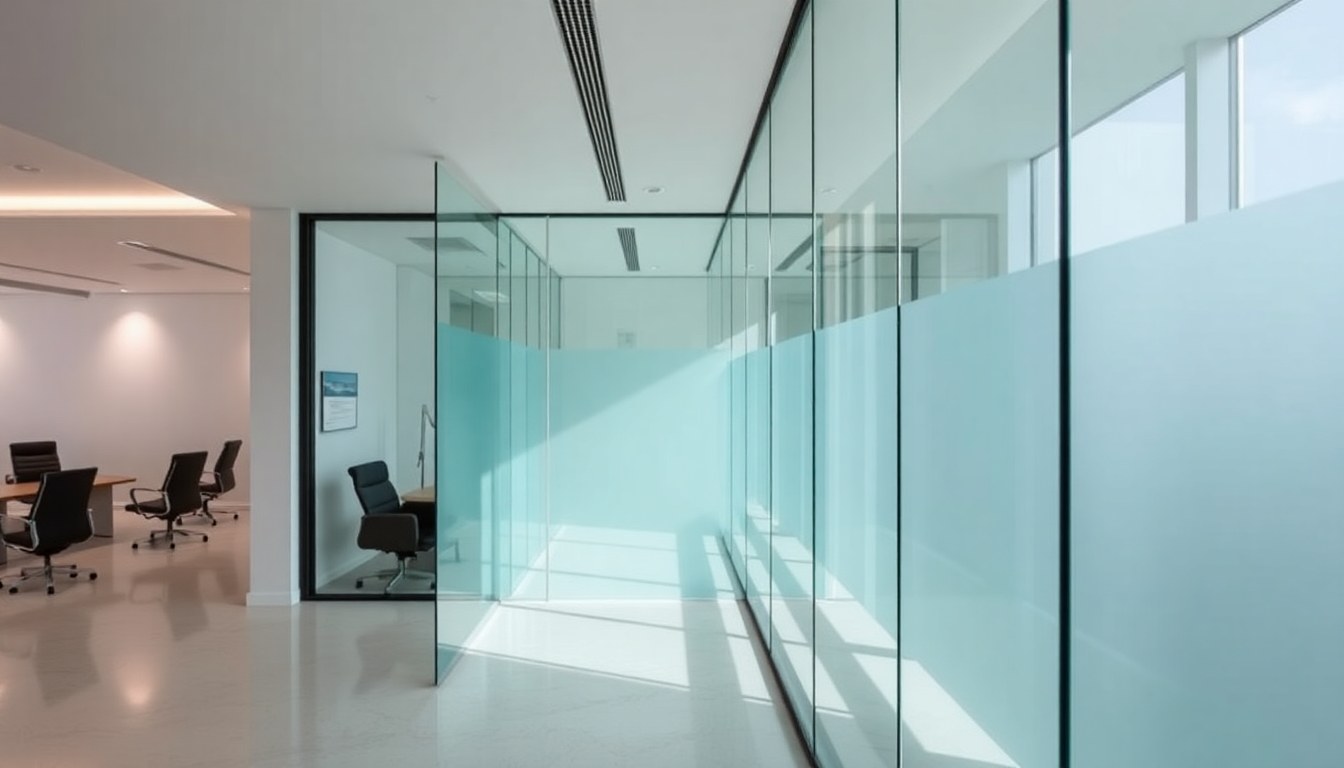
Modern office design demands flexibility—the ability to create private meeting spaces one moment and open collaborative areas the next. Smart glass technology delivers exactly that, using electrochromic and polymer-dispersed liquid crystal (PDLC) materials to switch from transparent to opaque at the flip of a switch. For Bangalore's growing corporate sector, this innovation eliminates the need for traditional blinds, reduces energy consumption, and creates a sleek, professional aesthetic that impresses clients and boosts employee satisfaction.
What is Smart Glass Technology?
Smart glass, also called switchable glass or dynamic glass, is a specially engineered material that changes its light transmission properties when electrical current is applied. In its default transparent state, it allows full visibility and natural light. When activated, it becomes frosted or opaque, blocking the view while maintaining light diffusion. This transformation happens in milliseconds and requires no mechanical moving parts.
Two primary technologies dominate the market: electrochromic glass (EC glass) and polymer-dispersed liquid crystal (PDLC) glass. Electrochromic glass uses a thin coating of electrochromic material that darkens when voltage is applied, similar to how photochromic sunglasses work but electronically controlled. PDLC glass contains microscopic liquid crystal droplets suspended in a polymer matrix; when unpowered, these droplets scatter light randomly, creating an opaque appearance, and align when current flows, allowing light through. Both technologies are durable, maintenance-free, and increasingly affordable for commercial installations.
How Smart Glass Works in Office Environments
In a typical office cabin setup, smart glass partitions are integrated into existing window frames or installed as full partition walls between adjacent spaces. A control system—wall-mounted switch, remote control, or smartphone app—manages the electrical supply to the glass. Employees can adjust privacy levels instantly without disturbing colleagues or compromising aesthetics.
The technology proves especially valuable in Bangalore's open-plan office culture, where privacy and collaboration must coexist. Conference rooms can remain transparent during presentations and become private during sensitive discussions. Executive cabins can display glass walls during collaborative periods and switch to opaque for confidential calls. Reception areas benefit from the professional appearance of transparent glass while maintaining the option to obscure internal operations.
- Instant privacy control: No need to operate blinds or curtains manually.
- Improved aesthetics: Clean lines and modern appearance enhance office design.
- Natural light optimization: PDLC glass diffuses light evenly even when opaque, reducing reliance on artificial lighting.
- Sound dampening: Laminated smart glass variants offer modest acoustic insulation.
- Energy efficiency: Electrochromic glass reduces solar heat gain, lowering air conditioning costs in Bangalore's hot climate.
Electrochromic vs. PDLC Glass: Which is Right for Your Office?
Electrochromic Glass (EC Glass)
Electrochromic glass gradually darkens in response to applied voltage, offering variable tint levels from fully transparent to dark gray or bronze. This gradual transition is ideal for spaces requiring partial privacy or light control, such as executive cabins with exterior windows. EC glass consumes minimal power—typically less than 5 watts per square meter during operation—and retains its tinted state even if power is lost, making it energy-efficient.
The primary drawback is cost: electrochromic glass typically ranges from ₹8,000 to ₹15,000 per square meter for high-quality imported variants, though Indian manufacturers are beginning to offer more competitive pricing. Installation requires professional expertise, and the lifespan of the electrochromic coating is generally 20–30 years.
Polymer-Dispersed Liquid Crystal (PDLC) Glass
PDLC glass switches between fully transparent and completely frosted (opaque) states with no gradual transition. When opaque, it diffuses light uniformly, creating a soft, frosted appearance ideal for partition walls and interior office cabins that don't rely on exterior natural light. PDLC glass is more affordable, typically ranging from ₹4,000 to ₹10,000 per square meter, and installation is simpler since the material is thinner and lighter.
PDLC's main limitation is that it requires continuous power to remain transparent; if power is cut, it defaults to opaque. For this reason, it's less suitable for exterior-facing windows where you want to retain transparency during power outages. However, for interior partitions in Bangalore offices, this is rarely a concern.
Cost Analysis and ROI for Bangalore Offices
Implementing smart glass in a typical Bangalore office cabin requires investment across multiple components: the glass material itself, control systems, electrical installation, and structural modifications. A 10-square-meter cabin partition using PDLC glass costs approximately ₹40,000 to ₹1,00,000 installed, while electrochromic glass for the same space ranges from ₹80,000 to ₹1,50,000.
The return on investment materializes through several channels:
- Energy savings: Electrochromic glass reduces cooling costs by 10–15% in Bangalore's tropical climate by blocking solar heat. Over 5 years, this translates to ₹50,000–₹1,00,000 in savings for a typical office floor.
- Reduced maintenance: Smart glass eliminates the need for blinds, which require regular cleaning and occasional replacement. Annual savings on maintenance reach ₹5,000–₹10,000 per cabin.
- Increased property value: Modern offices with smart glass command higher lease rates and attract premium tenants, boosting property value by 5–8%.
- Employee productivity: Studies indicate that employees working in spaces with dynamic natural light control report higher satisfaction and 5–10% improved productivity.
- Space flexibility: Ability to quickly reconfigure private and collaborative spaces reduces the need for additional physical square footage, saving on real estate costs.
For a 5,000-square-meter office floor in Bangalore with 20 smart glass cabins, the total investment of ₹10–₹20 lakhs typically pays for itself within 4–6 years through cumulative energy savings, maintenance reduction, and productivity gains.
Installation and Technical Considerations
Smart glass installation in Bangalore offices requires coordination between architects, electricians, and glass specialists. The process begins with structural assessment to ensure walls can support the weight of laminated or tempered smart glass. For interior partitions, the existing frame is often retained; for exterior windows, structural reinforcement may be necessary.
Electrical infrastructure is critical. Each smart glass panel requires a dedicated low-voltage power supply (typically 24V DC for PDLC, 12V–24V for electrochromic). A central control system manages multiple panels, often integrated with building management systems (BMS) for automated scheduling. For example, conference rooms can be programmed to become opaque during booked meeting times and transparent otherwise.
Professional installation by certified technicians ensures proper wiring, waterproofing (essential in Bangalore's monsoon season), and integration with existing electrical systems. Reputable glass dealers in India, such as those listed in the glassy.in directory, can connect you with installers experienced in smart glass projects. SR Glass Emporium Hyderabad and ARMAN GLASS EMPORIUM both serve corporate clients across southern India and can advise on smart glass options for your specific office layout.
Maintenance is minimal: periodic cleaning with soft, non-abrasive cloths and occasional software updates to control systems. Most smart glass installations come with 5–10 year warranties covering the glass material and electrical components.
Regulatory and Design Best Practices
While smart glass itself is not restricted by Indian building codes, installations must comply with general safety and electrical standards. All electrical work should follow the Indian Electrical Code (IEC) standards, and installations should be certified by licensed electricians. Fire-rated variants of smart glass are available and recommended for spaces classified as fire-sensitive under the National Building Code of India.
From a design perspective, smart glass works best when integrated thoughtfully into the overall office aesthetic. Transparent smart glass in collaborative zones creates a sense of openness while maintaining privacy control. Opaque PDLC partitions work well for executive cabins and confidential meeting rooms. Architectural design studios, such as Void + Edifice Architectural Design Studio, can help you plan smart glass layouts that maximize both functionality and visual appeal.
Consider the psychological impact: while smart glass offers privacy, completely opaque partitions can feel isolating. Many offices opt for frosted smart glass that obscures detail while allowing silhouettes to be visible, striking a balance between privacy and connection.
Smart Glass in Bangalore's Corporate Landscape
Bangalore's IT, biotech, and startup sectors are early adopters of smart glass technology. Companies like Infosys, TCS, and numerous multinational corporations have integrated smart glass in their offices to enhance flexibility and reduce real estate footprints. The technology aligns with India's push toward sustainable building practices and LEED-certified green office design.
For smaller companies and startups, the declining cost of PDLC glass makes smart glass increasingly accessible. A startup cabin with a 5-square-meter smart glass partition now costs as little as ₹20,000–₹40,000, making it a viable investment even for lean budgets.
Bangalore's humid climate and occasional power fluctuations require robust installation. Ensure your smart glass system includes surge protection and backup power options if the glass is in a mission-critical area. Interior designers like DezynTrend have extensive experience with Bangalore office environments and can recommend systems suited to local conditions.
Frequently Asked Questions
How long does smart glass take to switch from transparent to opaque?
PDLC glass typically switches in 1–3 milliseconds, making the transition instantaneous to the human eye. Electrochromic glass transitions more gradually, usually reaching full opacity in 2–10 minutes depending on the applied voltage and glass thickness. The slower transition of EC glass is often preferred for exterior windows to avoid sudden visual changes.
Can smart glass be used in areas with high humidity, like Bangalore's monsoon season?
Yes, smart glass is suitable for humid climates when properly installed and sealed. The critical factor is ensuring that the electrical connections are waterproofed and that the installation includes proper drainage. High-quality laminated smart glass variants are designed to withstand moisture and temperature fluctuations. Always hire certified installers familiar with monsoon conditions.
What is the lifespan of smart glass, and what happens when it fails?
Most smart glass installations last 15–30 years depending on the technology and usage patterns. If the electrochromic coating degrades or PDLC liquid crystals fail, the glass typically reverts to a permanently transparent or frosted state rather than shattering. Replacement of a single panel is possible without dismantling the entire partition, though costs range from ₹20,000 to ₹60,000 per panel.
Is smart glass more expensive than traditional blinds or curtains?
Initial installation costs are higher—₹4,000–₹15,000 per square meter versus ₹500–₹2,000 for quality blinds. However, over 10 years, smart glass becomes more economical when you factor in blind replacement, cleaning, maintenance labor, and energy savings from electrochromic variants. Additionally, smart glass eliminates the visual clutter of traditional window treatments, enhancing office aesthetics.
Can smart glass be retrofitted into existing office cabins?
Yes, smart glass can be retrofitted into existing cabins by replacing existing glass partitions or windows. However, structural assessment is necessary to ensure the frame can support the weight of laminated smart glass. Retrofitting typically takes 1–3 days per cabin and requires temporary relocation of occupants. Consult with experienced glass dealers and installers to evaluate your specific cabin design.
Transform Your Office with Smart Glass Today
Smart glass technology offers a modern, cost-effective solution for dynamic privacy in Bangalore offices. Whether you're designing a new workspace or upgrading existing cabins, electrochromic and PDLC glass deliver flexibility, energy efficiency, and aesthetic appeal. Explore smart glass options, connect with specialized installers, and discover how this technology can enhance your office environment. Visit glassy.in, India's largest glass-business directory, to find trusted glass dealers, architects, and interior designers in your area who specialize in smart glass installations for corporate spaces.