
Interior Design
Skylights & Glass Ceiling Panels: Natural Light Design for Villas
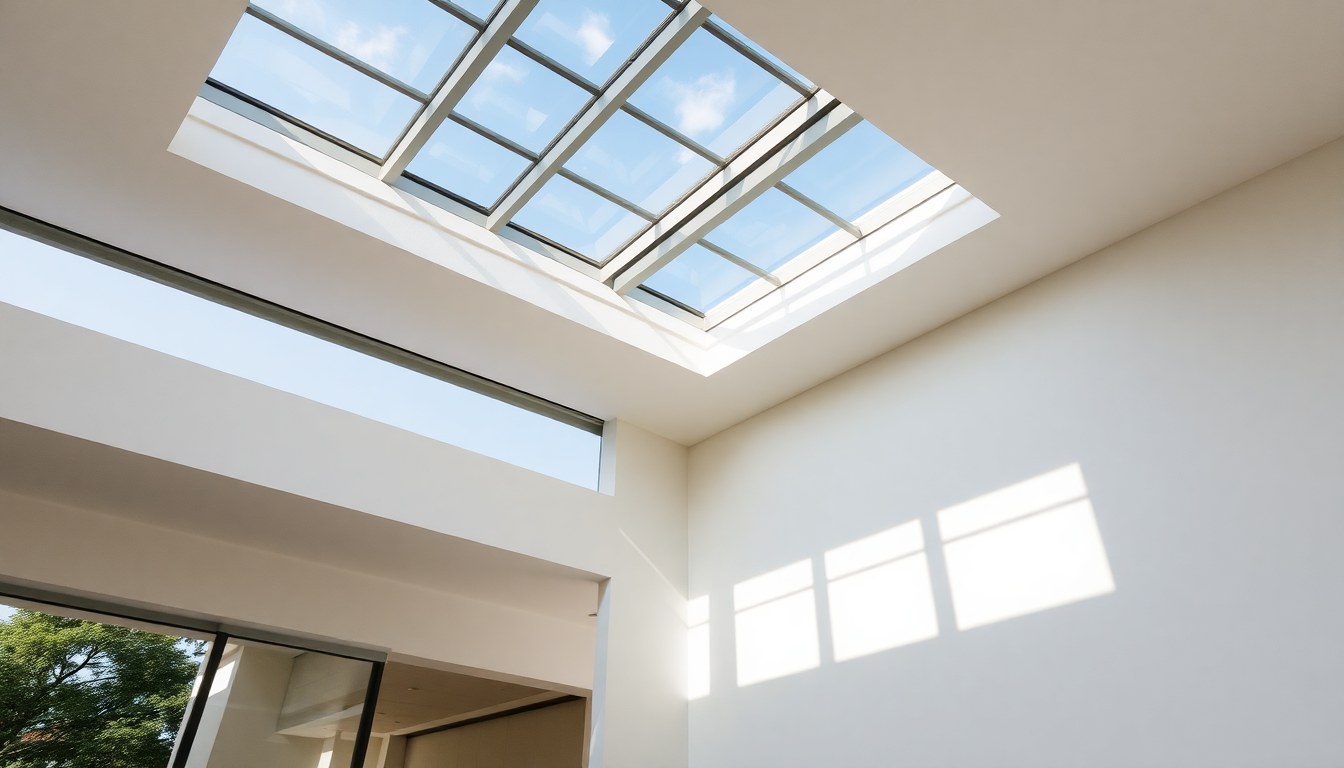
Skylights and glass ceiling panels have become essential architectural elements in modern villa design, flooding interior spaces with natural light while creating an open, airy aesthetic. For luxury homes in Bangalore and across India, these installations offer both aesthetic appeal and functional benefits—when designed and installed correctly with the right materials. This guide explores material options, thermal performance considerations, condensation prevention strategies, and installation best practices to help you make informed decisions for your villa's natural light design.
Why Skylights and Glass Ceiling Panels Matter in Villa Design
Natural light fundamentally changes how a space feels and functions. Skylights and glass ceiling panels eliminate the need for artificial lighting during daylight hours, reducing energy consumption while boosting occupant well-being. Studies consistently show that natural light improves mood, productivity, and sleep cycles—benefits that extend beyond commercial spaces into residential villa design.
In the Indian context, where summers are intense and cooling costs are significant, strategic placement of skylights can also support passive cooling strategies. When combined with proper shading solutions and ventilation, glass ceiling panels allow you to harness natural light without excessive heat gain. This is particularly valuable in Bangalore's warm climate, where balancing natural illumination with thermal comfort is crucial.
Material Options for Skylights and Glass Ceiling Panels
Toughened (Tempered) Glass
Toughened glass is the most popular choice for skylights in residential villas. It undergoes a heating and rapid cooling process that makes it approximately four to five times stronger than ordinary annealed glass. When toughened glass breaks, it shatters into small, relatively harmless granules rather than large, sharp shards—a critical safety feature overhead.
Toughened glass offers excellent clarity and maintains structural integrity even under thermal stress from temperature fluctuations. In Bangalore's climate, where temperatures can swing significantly between day and night, toughened glass resists thermal shock better than standard glass. Typical thickness ranges from 6mm to 12mm, with 8mm and 10mm being most common for residential applications.
Insulated Glazing Units (IGU)
IGUs, also called double-glazed or triple-glazed units, consist of two or more glass panes separated by air or inert gas (usually argon) sealed within a frame. This design dramatically improves thermal insulation compared to single-pane glass. For villas in warm climates like Bangalore, IGUs reduce heat transmission by 30-50%, significantly lowering air-conditioning loads.
The air gap between panes acts as an insulating barrier, and argon gas—denser than air—further enhances thermal performance. Many IGU systems include low-emissivity (Low-E) coatings that reflect infrared radiation while allowing visible light through, optimizing both brightness and energy efficiency. While IGUs cost 2-3 times more than single toughened glass, the long-term energy savings and comfort benefits justify the investment for luxury villa applications.
Polycarbonate Panels
Polycarbonate is a lightweight, impact-resistant plastic alternative to glass. It offers superior strength (200 times stronger than glass by weight) and excellent insulation properties, particularly in multi-wall configurations. Polycarbonate panels are easier to install, require less structural support, and are significantly cheaper than glass options—typically 40-50% less expensive.
However, polycarbonate has limitations. It yellows over time when exposed to UV radiation, reducing clarity and aesthetic appeal. It also scratches more easily than glass and has a lower refractive index, affecting light quality. For villa applications where aesthetic perfection matters, polycarbonate works better in covered patios or secondary spaces rather than prominent ceiling areas. UV-protective coatings can extend its lifespan to 10-15 years, but glass remains superior for premium residential design.
Thermal Performance and Energy Efficiency
Thermal performance is measured by U-value (lower is better), which indicates how much heat passes through the material. Single toughened glass has a U-value around 5.8 W/m²K, meaning significant heat transfer. Standard IGU units achieve U-values of 2.5-3.0 W/m²K, while high-performance triple-glazed IGUs can reach 0.8-1.2 W/m²K—a dramatic improvement.
For Bangalore villas, where cooling costs dominate energy bills, IGU skylights with Low-E coatings and argon fill provide measurable returns. A 2m² skylight with single glass might cost ₹8,000-12,000 installed but could add ₹2,000-3,000 annually to cooling bills. The same area with premium IGU costs ₹25,000-35,000 but may reduce cooling costs by ₹800-1,200 yearly. Over a 10-year lifespan, the energy savings offset the higher initial cost.
Orientation matters significantly. North-facing skylights provide consistent, cool light without excessive heat gain. South and west-facing installations require shading solutions like motorized blinds, external louvers, or reflective films to prevent overheating. East-facing skylights offer morning light with moderate afternoon heat gain, making them ideal for bedrooms and living spaces.
Condensation Prevention and Moisture Management
Condensation is the most common complaint with skylights, particularly in humid climates like Bangalore. When warm, moist indoor air contacts cold glass surfaces, moisture condenses—potentially damaging ceilings and creating aesthetic problems. The issue intensifies in kitchens, bathrooms, and bedrooms where humidity is naturally higher.
Root Causes and Prevention Strategies
Condensation occurs when interior dew-point temperature exceeds the glass surface temperature. IGU units are inherently superior here: the inner pane remains warmer than single glass, reducing condensation risk. A single-pane skylight might reach 15°C on a cool morning while the dew point is 16°C, guaranteeing condensation. The same conditions might result in an IGU inner pane at 18°C, preventing condensation entirely.
Beyond material selection, proper ventilation is essential. Ensure adequate air circulation near skylights through ceiling fans, mechanical ventilation systems, or operable windows. In kitchens and bathrooms, exhaust fans must vent moisture outside rather than into attic spaces. Bathroom skylights specifically should connect to exhaust systems to prevent moisture accumulation above the ceiling.
Installation details matter enormously. Skylights must be installed with proper flashing that directs water away from the building envelope. Insulation around the skylight frame should be continuous and air-sealed to prevent warm, moist air from reaching cold glass surfaces. Many condensation problems stem from poor installation rather than material failure.
Installation Best Practices for Villa Skylights
Structural Considerations
Skylights require structural modifications to your roof. The opening must be properly framed with reinforced headers to distribute loads safely. In Bangalore, where monsoon rains are intense, waterproofing is non-negotiable. Professional installation involves removing roof sections, installing waterproof flashing, sealing all joints with silicone or polyurethane sealant, and ensuring proper slope for water drainage.
For villas with concrete roofs (common in India), installation is more straightforward than with pitched tile roofs. However, thermal bridging through concrete requires careful insulation design. Metal frames conduct heat readily, so thermally-broken frames (with insulating material between interior and exterior metal) are essential for energy efficiency.
Professional Installation vs. DIY
Skylight installation should always be handled by qualified professionals. Poor installation causes 80% of skylight-related problems—leaks, condensation, and structural issues. Experienced installers understand local building codes, monsoon water management, and thermal design requirements specific to Indian climates.
When selecting an installer, verify their experience with villa projects in your region. Firms like Studio ARCPLUS CONSTRUCTION and Vastulinear Pvt Ltd bring architectural expertise to glass installations, ensuring skylights integrate seamlessly with your villa's overall design and structural integrity.
Maintenance and Longevity
Skylights require minimal maintenance but benefit from periodic attention. Clean glass surfaces semi-annually to maintain light transmission. Check flashing and seals annually, particularly after monsoon season, for any signs of water infiltration. Motorized blinds or shading systems should be tested seasonally to ensure proper operation.
Quality skylight systems last 20-30 years with proper maintenance. IGU units may require resealing after 15-20 years if the argon seal degrades, but this is far less expensive than replacement. Regular inspection catches minor issues before they become costly problems.
Design Integration and Aesthetic Considerations
Skylights should enhance your villa's architectural character rather than appear as afterthoughts. Linear skylights along hallways or stairwells create dramatic lighting effects. Clustered skylights over living spaces provide abundant natural light while maintaining privacy. Frameless glass ceiling panels in atriums or double-height spaces create a sense of openness and connection to the sky.
Consider the view: skylights facing tree canopies provide dappled, filtered light; those facing open sky offer bright, clear illumination. Seasonal sun angles affect how light moves through spaces throughout the year. Working with architects who understand both glass technology and spatial design—such as AB Initio Architects & Planners—ensures skylights enhance rather than compromise your villa's design intent.
Exterior aesthetics matter too. Skylights should align with roof lines and architectural proportions. Visible frames should complement your villa's style—minimalist black frames for contemporary designs, bronze or wood-tone frames for traditional aesthetics. Proper design integration makes skylights feel integral to the architecture rather than additions.
Cost Breakdown and ROI for Bangalore Villas
Skylight costs vary significantly based on material, size, and installation complexity. A standard 1.2m × 1.2m fixed skylight with toughened glass costs ₹12,000-18,000 for materials plus ₹5,000-8,000 for professional installation. The same size with IGU and Low-E coating costs ₹28,000-40,000 for materials plus installation.
Motorized shading systems add ₹15,000-25,000 but provide essential temperature control and privacy. Custom frameless glass ceiling panels for large areas cost ₹3,000-5,000 per square meter installed, with total projects ranging from ₹100,000 to ₹500,000+ depending on scale.
Energy savings provide measurable ROI. A villa with 5m² of IGU skylights might save ₹4,000-6,000 annually on cooling costs in Bangalore's climate. Over 20 years, this totals ₹80,000-120,000 in savings, far exceeding the initial investment differential between basic and premium options. Beyond financial returns, improved natural lighting, better mood and productivity, and enhanced property value justify the investment.
Frequently Asked Questions
What is the best glass type for skylights in Bangalore's climate?
IGU (double or triple-glazed) units with Low-E coatings and argon fill are optimal for Bangalore. They provide superior thermal insulation (reducing cooling costs by 30-50%), minimize condensation risk, and maintain excellent light transmission. While more expensive initially than single toughened glass, the long-term energy savings and comfort benefits justify the investment in luxury villa applications. Toughened glass alone is acceptable for secondary spaces or lower budgets, but IGU represents the best performance-to-cost ratio for primary living areas.
How can I prevent condensation on my skylights?
Condensation prevention involves three strategies: (1) Use IGU units rather than single glass—the warmer inner pane dramatically reduces condensation; (2) Ensure proper ventilation near skylights through ceiling fans or mechanical systems to prevent moisture accumulation; (3) Install skylights with thermally-broken frames and continuous insulation to maintain warmer inner surface temperatures. In kitchens and bathrooms, connect skylights to exhaust systems. Professional installation with proper flashing and air-sealing is crucial—most condensation problems stem from installation defects rather than material failure.
Are polycarbonate panels suitable for villa skylights?
Polycarbonate panels work well for covered patios, pergolas, and secondary spaces due to their strength, affordability, and ease of installation. However, they're not ideal for prominent villa skylights because they yellow over time, reducing clarity and aesthetic appeal. For premium residential applications where visual perfection matters, glass (especially IGU) is superior. Polycarbonate is best reserved for functional areas where durability and cost matter more than long-term visual clarity. UV-protective coatings can extend polycarbonate lifespan to 10-15 years but don't fully prevent yellowing.
What size skylights work best for villas?
Skylight sizing depends on room dimensions, desired light levels, and orientation. A general rule: skylight area should be 5-10% of the room's floor area for adequate natural light. For a 4m × 5m bedroom, a 1.2m × 1.2m skylight (1.44m²) provides good illumination. Larger spaces like living rooms may accommodate 2-3 skylights or larger panels. North-facing skylights can be larger without overheating; south and west-facing installations should be smaller or require external shading. Consult with experienced architects or designers to optimize sizing for your specific villa layout and climate.
How long do skylights last, and what maintenance is required?
Quality skylight systems last 20-30 years with proper maintenance. IGU units may require resealing after 15-20 years if the argon seal degrades, but this is inexpensive compared to replacement. Maintenance involves cleaning glass surfaces semi-annually, checking flashing and seals annually (especially after monsoon season), and testing motorized systems seasonally. Regular inspection catches minor issues before they escalate. With proper installation and maintenance, skylights represent a durable, long-term investment in your villa's natural lighting and energy efficiency.
Conclusion and Next Steps
Skylights and glass ceiling panels transform villa interiors with natural light while offering measurable energy efficiency benefits when designed and installed correctly. Material selection—whether toughened glass, IGU, or polycarbonate—depends on your priorities, budget, and specific application. IGU units with Low-E coatings deliver superior thermal performance and condensation resistance, making them ideal for Bangalore's warm, humid climate. Professional installation following best practices ensures decades of trouble-free performance.
Ready to explore skylight options for your villa? Browse qualified glass specialists, architects, and installation professionals in the glassy.in directory to connect with experienced providers who understand natural light design, thermal performance, and luxury villa applications across India.