
Interior Design
Glass False Ceiling Design Trends 2026: Backlit, Textured & Structural Options
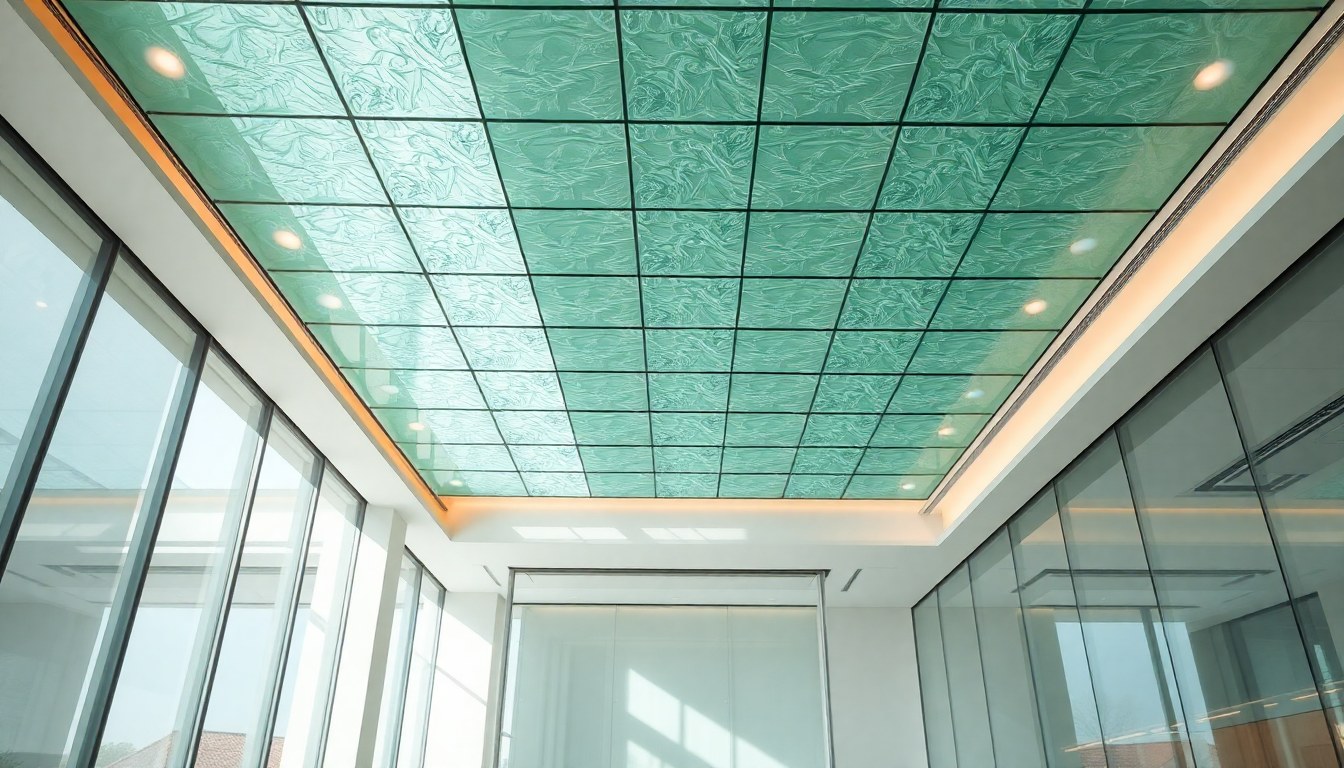
Glass false ceilings have evolved from simple suspended panels into sophisticated design elements that define contemporary interiors. Whether you're planning a residential renovation in Mumbai or a commercial fit-out in Bangalore, understanding the latest glass ceiling trends—from backlit innovations to textured finishes—will help you make informed decisions that enhance both aesthetics and functionality.
Why Glass False Ceilings Are Gaining Popularity in 2026
Glass false ceilings offer a unique combination of elegance and practicality that traditional materials struggle to match. They create an illusion of height and space, making even compact rooms feel open and airy. Unlike conventional plasterboard ceilings, glass panels allow light to flow naturally, reducing dependency on artificial lighting during daytime hours.
The shift toward glass ceilings reflects a broader design movement emphasizing transparency, minimalism, and sustainability. Homeowners and architects increasingly prefer materials that serve dual purposes—aesthetic appeal combined with functional benefits like thermal insulation and acoustic control. Glass false ceilings tick all these boxes, which explains their rising adoption across Indian residential and commercial spaces.
Backlit Glass Ceiling Panels: The Game-Changer
Backlit glass panels represent one of the most transformative trends in false ceiling design. These panels feature LED lighting integrated behind or within the glass, creating a soft, diffused glow that eliminates harsh shadows and establishes ambient lighting throughout the space. The effect is both luxurious and energy-efficient.
How Backlit Panels Work
Backlit glass ceilings typically use frosted or semi-translucent tempered glass paired with LED strips positioned on the structural frame behind the panels. When illuminated, the light disperses evenly across the glass surface, creating a luminous ceiling that can be dimmed or adjusted based on mood and time of day. Modern systems often include smart controls, allowing you to adjust color temperature and brightness via mobile apps.
Installation Considerations for Backlit Systems
- Electrical wiring must be planned before installation to accommodate LED strips and dimmer switches
- Adequate ventilation space (minimum 150-200mm) behind the glass allows heat dissipation from LED components
- Professional installation is essential to ensure waterproofing and electrical safety compliance with Indian standards
- Cost ranges from ₹800 to ₹2,500 per square foot depending on glass quality and LED specifications
Textured and Patterned Glass Designs
Textured glass false ceilings add visual interest and tactile depth without sacrificing light transmission. Unlike smooth glass, textured variants scatter light in multiple directions, reducing glare while maintaining brightness. Popular textures include rain patterns, honeycomb designs, and geometric motifs that complement both modern and traditional interiors.
Popular Texture Options for 2026
Frosted glass remains the most versatile choice, offering privacy while allowing light diffusion. Rain-effect glass creates a subtle, dynamic appearance that changes as light angles shift throughout the day. Honeycomb and grid patterns provide structural interest and are particularly popular in commercial spaces like offices and retail environments. Acid-etched glass offers a sophisticated matte finish that hides fingerprints and dust better than smooth glass.
The choice of texture influences both the aesthetic and functional properties of your ceiling. Heavily textured options provide better acoustic absorption, making them ideal for home theaters or conference rooms. Lightly textured variants maintain maximum light transmission, suitable for spaces where brightness is prioritized.
Structural Considerations and Load Capacity
Understanding the structural implications of glass false ceilings is crucial for safe and durable installation. Tempered glass used in ceiling applications undergoes special heat treatment to increase strength and safety, making it approximately four times stronger than regular glass of the same thickness.
Load-Bearing Capacity
Standard tempered glass panels (8-10mm thickness) can safely support their own weight plus additional loads from integrated lighting and ventilation ducts. However, the supporting frame—typically aluminum or steel—carries the primary load. The frame must be anchored securely to the structural beams above, with proper calculations for weight distribution. For residential installations, frame spacing of 1.2-1.5 meters is standard, while commercial applications may require closer spacing depending on ceiling height and environmental factors.
Safety Standards and Compliance
- All glass panels must be tempered or laminated to meet Indian Standards (IS 2553)
- Installation should comply with National Building Code (NBC) safety requirements
- Structural engineer certification is recommended for large installations exceeding 50 square meters
- Regular maintenance checks ensure frame integrity and prevent panel sagging over time
Installation Process and Timeline
Installing a glass false ceiling requires careful planning and skilled execution. The process typically spans 10-15 days for a residential space of 500-1000 square feet, depending on complexity and site conditions. Professional installers from accredited glass suppliers ensure quality workmanship and warranty support.
Step-by-Step Installation Overview
- Site assessment: Structural engineers evaluate the existing ceiling, identify load-bearing points, and plan frame placement
- Frame fabrication: Aluminum or steel frames are custom-cut and pre-assembled according to design specifications
- Electrical rough-in: Wiring for lighting and smart controls is installed before glass panels are mounted
- Frame installation: The support structure is anchored to ceiling beams using expansion bolts and appropriate fasteners
- Glass panel placement: Panels are carefully lifted and secured into the frame using rubber gaskets and fastening clips
- Sealing and finishing: Joints are sealed with silicone sealant to prevent dust and moisture ingress
- Testing and commissioning: All lighting systems and safety features are tested before final handover
Cost Breakdown and Budget Planning
Glass false ceiling costs in India vary significantly based on design complexity, glass type, and location. Basic clear glass systems start around ₹500-700 per square foot, while premium backlit textured installations can reach ₹3,000-4,500 per square foot. Additional costs include structural reinforcement, electrical work, and professional installation labor.
For a typical 300 square foot living room ceiling in Delhi or Pune, you should budget ₹1.5-2 lakhs for a mid-range installation with basic backlit features. Commercial projects benefit from economies of scale, with per-square-foot costs decreasing as project size increases. Always obtain detailed quotations from at least three suppliers to compare materials, workmanship guarantees, and after-sales service.
Maintenance and Long-Term Care
Glass false ceilings require minimal maintenance compared to traditional ceilings. Regular dusting with soft, lint-free cloths prevents dust accumulation on the glass surface. For textured panels, a slightly damp microfiber cloth works best. Avoid harsh chemicals or abrasive materials that can scratch the glass or damage the frame.
LED lighting systems typically require no maintenance for 25,000-50,000 hours of operation, translating to 5-10 years of daily use. However, dimmer switches and electrical connections should be inspected annually by qualified electricians. Silicone sealants around joints may need reapplication every 3-5 years to maintain waterproofing and prevent moisture penetration.
Frequently Asked Questions
What is the best glass thickness for false ceilings?
Tempered glass panels of 8-10mm thickness are ideal for most residential false ceiling applications. This thickness provides adequate strength while remaining lightweight enough for standard aluminum frames. Thicker glass (12-15mm) is recommended for larger commercial installations or areas prone to vibration. Always ensure the glass meets Indian Standards (IS 2553) for safety and quality assurance.
Can glass false ceilings be installed in kitchens and bathrooms?
Yes, but with special precautions. Use laminated or fully tempered glass to prevent shattering if moisture causes thermal stress. Ensure proper ventilation behind the panels to prevent condensation buildup. Install exhaust fans directly below or adjacent to the ceiling to manage humidity levels. Silicone sealants rated for wet environments must be used around all joints to prevent water ingress into the frame structure.
How much weight can a glass false ceiling support?
A properly installed 8-10mm tempered glass panel with aluminum framing can support approximately 50-100 kg per square meter beyond its own weight. This is sufficient for integrated LED lighting, small ventilation ducts, and acoustic panels. However, do not attempt to mount heavy fixtures like large chandeliers or ceiling fans directly onto glass panels. These should be anchored to the structural ceiling above using separate mounting brackets.
Are glass false ceilings cost-effective compared to gypsum boards?
Initial costs are higher—glass ceilings typically cost 2-3 times more than gypsum boards. However, they offer superior durability (20-30 years vs. 10-15 years), require less maintenance, improve natural lighting, and add significant aesthetic and property value. For commercial spaces, the return on investment through reduced lighting costs and improved ambiance often justifies the premium within 5-7 years.
What are the acoustic properties of glass false ceilings?
Plain glass has poor acoustic absorption, reflecting sound rather than absorbing it. To improve acoustics, pair glass panels with acoustic foam or mineral wool behind the frame, or use heavily textured glass varieties. For spaces requiring sound dampening—such as home theaters or offices—consider hybrid designs combining glass with acoustic materials, or install glass panels only in select areas while using acoustic ceilings elsewhere.
Transform Your Space with Modern Glass Ceiling Solutions
Glass false ceilings represent a forward-thinking choice for homeowners and businesses seeking to elevate their interiors with contemporary design and practical functionality. Whether you're drawn to the ambient glow of backlit panels, the visual interest of textured finishes, or the structural elegance of minimalist designs, 2026 offers abundant options to suit every aesthetic and budget. Connect with experienced glass suppliers and installation experts through the Glassy.in directory to find the perfect partner for your ceiling project. Browse our comprehensive listing of glass manufacturers, installers, and design consultants across India to bring your vision to life.