
Interior Design
Fluted & Reeded Glass: Texture Design Trends for Modern Interiors 2026
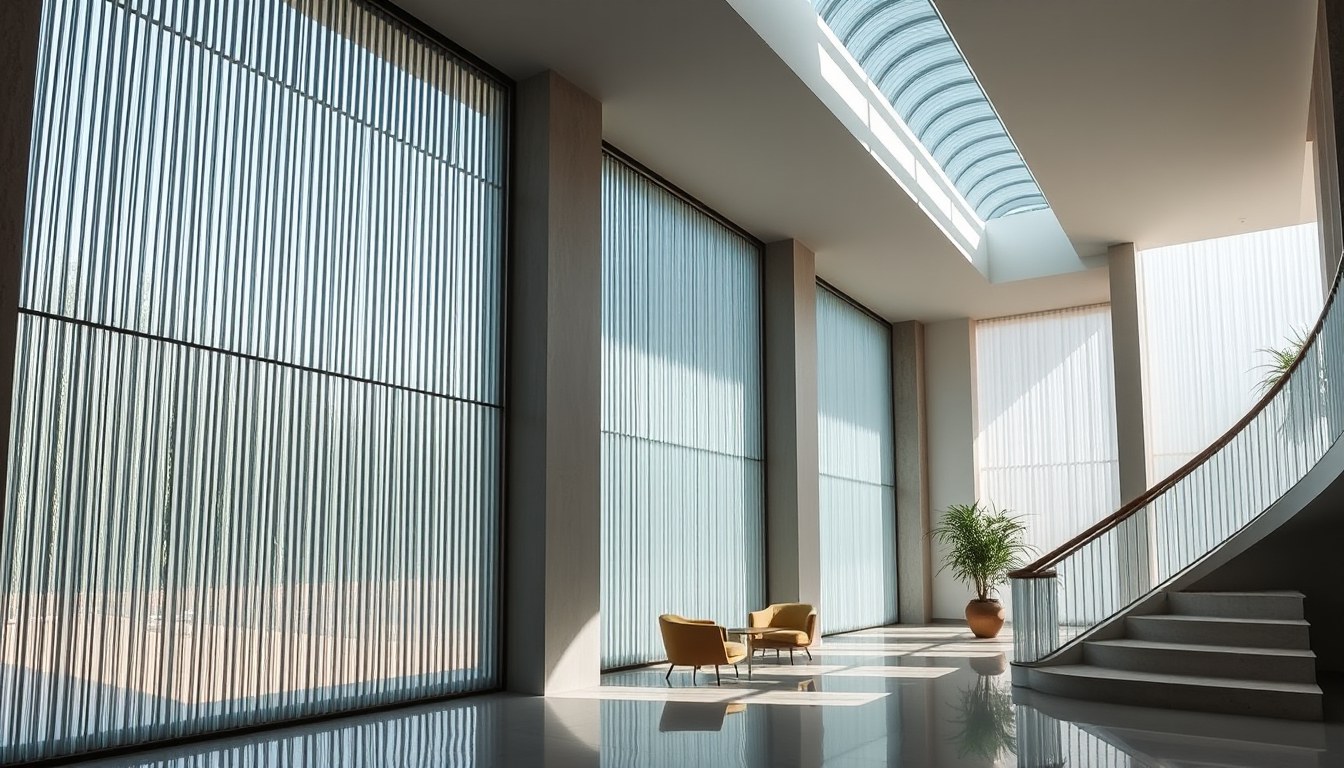
Fluted and reeded glass has emerged as a dominant texture trend in modern interior design, combining functional privacy with sophisticated visual appeal. Unlike frosted or etched glass, these ribbed patterns create dynamic light diffusion while maintaining a sleek, contemporary look that works across residential and commercial spaces. Whether you're designing a luxury apartment in Mumbai, a boutique office in Bangalore, or a minimalist home in Delhi, textured glass solutions are redefining how we think about transparency, privacy, and aesthetic elegance in 2026.
Understanding Fluted and Reeded Glass Patterns
Fluted glass features parallel vertical or horizontal grooves that run across the surface, while reeded glass displays a similar but slightly different pattern with rounded ribs. Both create a three-dimensional texture that catches and manipulates light in distinctive ways. The terminology often overlaps in the industry—fluted typically refers to deeper grooves, while reeded describes shallower, more delicate ridges. These patterns are created during the manufacturing process by passing molten glass through specially designed rollers or molds.
The depth and spacing of these grooves determine how much light passes through and how much privacy the glass provides. A 3mm fluted glass panel offers moderate privacy while still allowing silhouettes and movement to be visible, making it ideal for bathroom partitions or office dividers. Deeper patterns, sometimes reaching 5-8mm, provide near-complete privacy comparable to frosted glass but with superior aesthetic qualities and easier maintenance.
Types of Fluted and Reeded Patterns Available
- Vertical Fluting: Creates an elongating effect, perfect for narrow spaces or to draw the eye upward in residential interiors
- Horizontal Reeding: Offers a calming, linear aesthetic and works beautifully in contemporary kitchen designs
- Diagonal Patterns: Adds dynamic movement and visual interest to feature walls or glass partitions
- Combination Patterns: Cross-hatch or grid designs that blend multiple directions for sophisticated, layered effects
- Subtle Micro-Fluting: Fine, barely-perceptible grooves that provide minimal privacy but maximum elegance
Privacy Benefits Without Compromising Light
One of the primary advantages of fluted and reeded glass is its ability to obscure vision while maintaining luminosity. Traditional frosted glass achieves privacy through surface treatment that diffuses light uniformly, often resulting in a flat, two-dimensional appearance. Fluted glass, by contrast, uses its three-dimensional structure to scatter light in multiple directions, creating depth and visual interest while still blocking direct sightlines.
This makes fluted glass exceptionally practical for bathrooms, where complete privacy is essential but natural light is highly desirable. A bathroom window fitted with fluted glass allows sunlight to flood the space while preventing neighbors or passersby from seeing inside. Similarly, in open-plan offices across Indian metros like Hyderabad and Pune, fluted glass partitions create private meeting spaces without the claustrophobic feel of solid walls or the exposed vulnerability of clear glass.
The privacy level varies with pattern depth. For applications requiring maximum concealment—such as medical facilities or high-security offices—deeper fluting (6-8mm) is recommended. For applications where some visual connection is desirable, such as between a kitchen and dining area, shallow fluting (2-3mm) maintains the sense of openness while providing subtle visual separation.
Light Diffusion and Aesthetic Appeal
Fluted and reeded glass transforms how light interacts with interior spaces. Rather than creating harsh shadows or uniform brightness, the grooved surface breaks light into multiple directional beams, producing a softer, more diffused illumination. This quality is particularly valuable in spaces with strong, direct sunlight, where it prevents glare and reduces the need for additional window treatments.
From an aesthetic perspective, fluted glass adds tactile sophistication to modern interiors. The linear patterns create visual rhythm and movement, making even simple applications—such as a bathroom door or kitchen cabinet front—feel intentional and designed. In 2026, designers are increasingly pairing fluted glass with minimalist frameworks, natural wood, and matte finishes to create cohesive, contemporary spaces that feel curated rather than utilitarian.
How Fluted Glass Enhances Different Interior Styles
- Minimalist Interiors: Clean lines and subtle reeding complement sparse, uncluttered spaces
- Industrial Design: Fluted glass paired with metal frames and exposed brick creates urban sophistication
- Scandinavian Aesthetics: Light-diffusing properties align with the Scandinavian emphasis on natural light and simplicity
- Contemporary Luxury: Fluted glass adds textural richness to high-end residential and hospitality projects
- Transitional Spaces: Works seamlessly between traditional and modern design languages
Practical Applications in Modern Interiors
Fluted and reeded glass is increasingly specified for diverse applications across Indian homes and commercial spaces. In residential settings, it's popular for bathroom enclosures, where it provides complete privacy while maintaining the visual lightness of glass. Kitchen cabinet doors with fluted glass panels hide contents while creating an open-shelving aesthetic that's currently trending. Bedroom wardrobes with fluted glass fronts offer a sophisticated alternative to solid doors or mirrored surfaces.
In commercial and hospitality contexts, fluted glass partitions are transforming office design. Rather than floor-to-ceiling solid walls that create isolated cubicles, fluted glass allows natural light to penetrate throughout the space while maintaining acoustic separation and visual privacy. Hotels and resorts in Goa, Kerala, and Rajasthan are incorporating fluted glass in spa facilities, room dividers, and bathroom partitions to create luxurious, contemporary environments.
Popular Installation Locations
- Bathroom shower enclosures and partition walls
- Kitchen cabinet glass panels and backsplashes
- Bedroom wardrobe and storage doors
- Office partition walls and meeting room dividers
- Staircase balustrades and railings
- Entrance doors and sidelights
- Feature walls in living areas
- Retail display cases and shopfronts
Maintenance, Durability, and Cost Considerations
Fluted and reeded glass requires minimal maintenance compared to frosted glass. Because the texture is integral to the glass structure rather than a surface treatment, it won't wear away or degrade over time. Cleaning is straightforward—a soft cloth with mild soap and water removes dust and fingerprints. For stubborn spots, a glass cleaner works well, though care should be taken to avoid harsh abrasives that might scratch the surface in rare cases.
Durability is excellent, with fluted glass performing identically to clear glass in terms of structural integrity and longevity. It's equally suitable for high-traffic areas and humid environments like bathrooms. The cost of fluted glass typically ranges from ₹800 to ₹2,500 per square foot, depending on the pattern depth, glass thickness, and whether it's toughened (which is highly recommended for safety-critical applications). Toughened fluted glass costs approximately 20-30% more than annealed versions but offers superior safety and thermal resistance.
When budgeting for a fluted glass project, factor in framing costs, installation labor, and any specialized hardware required for your specific application. In metropolitan areas like Chennai, Kolkata, and Ahmedabad, installation typically costs ₹100-300 per square foot depending on complexity. Custom patterns or non-standard sizes will increase both material and labor costs.
Design Trends for 2026 and Beyond
The trajectory of fluted and reeded glass design in 2026 reflects broader interior design movements toward texture, sustainability, and functional beauty. Designers are moving away from purely decorative applications toward integrated solutions where glass serves multiple purposes—privacy, light control, structural definition, and aesthetic expression simultaneously.
One emerging trend is the combination of fluted glass with other textured materials. Pairing fluted glass with raw concrete, natural stone, or untreated wood creates layered, sophisticated interiors that feel both contemporary and timeless. Another trend is the use of colored fluted glass—subtle tints like soft gray, warm bronze, or cool blue add personality without overwhelming spaces. Sustainability is also driving interest in fluted glass, as it's 100% recyclable and requires no chemical treatments or coatings that might degrade over time.
Custom pattern variations are becoming more accessible as manufacturing technology improves. Rather than choosing from standard patterns, design-conscious clients can now commission bespoke fluting that aligns with their specific aesthetic vision. This democratization of customization is particularly relevant in India's growing luxury residential market.
Frequently Asked Questions
What is the difference between fluted and reeded glass?
Fluted glass typically features deeper, more pronounced grooves, while reeded glass has shallower, more delicate ridges. Both serve similar functions—providing privacy and diffusing light—but reeded glass offers a more subtle aesthetic. The terms are sometimes used interchangeably in the industry, but fluted generally refers to the deeper, more visible pattern. Your choice depends on how much privacy you need and the aesthetic effect you want to achieve.
Is fluted glass suitable for bathrooms?
Yes, fluted glass is excellent for bathrooms. It provides complete privacy when deeper patterns are used, allows natural light to enter, and is easy to clean and maintain. Toughened fluted glass is recommended for shower enclosures to ensure safety. The grooved texture won't trap moisture or mildew the way some other textured surfaces might, making it a practical and beautiful choice for wet areas.
How much privacy does fluted glass provide?
Privacy depends on the pattern depth. Shallow fluting (2-3mm) allows silhouettes and movement to be visible, suitable for applications where some visual connection is desired. Medium fluting (4-5mm) provides substantial privacy while still allowing light through. Deep fluting (6-8mm) offers privacy comparable to frosted glass, preventing any clear sightlines. Consult with your glass supplier to select the appropriate depth for your specific needs.
Can fluted glass be used outdoors?
Fluted glass can be used outdoors, but it should be toughened and properly framed to withstand weather exposure and UV radiation. Exterior applications include covered patios, pergolas, and weather-protected balcony partitions. For fully exposed outdoor installations, ensure the glass is treated for UV resistance and that the framing system is designed to handle thermal expansion and contraction. Consult with a professional glass supplier familiar with outdoor installations in your region.
What is the cost range for fluted glass in India?
Fluted glass typically costs between ₹800 and ₹2,500 per square foot, depending on pattern depth, thickness, and whether it's toughened. Toughened fluted glass costs approximately 20-30% more than standard versions. Installation labor adds ₹100-300 per square foot depending on your location and project complexity. Custom patterns or non-standard sizes will increase costs. Request quotes from multiple suppliers in your area for accurate pricing.
Conclusion: Elevate Your Interior with Textured Glass Solutions
Fluted and reeded glass represents a sophisticated evolution in interior design, offering practical benefits alongside aesthetic appeal. Whether you're renovating a bathroom in Bangalore, designing a contemporary office in Gurugram, or creating a luxury home in Mumbai, textured glass solutions provide privacy, light diffusion, and visual interest that clear glass and frosted alternatives simply cannot match. As design trends in 2026 increasingly emphasize texture, sustainability, and functional beauty, fluted glass stands out as a versatile, durable, and increasingly accessible choice for discerning homeowners and designers.
Ready to explore fluted and reeded glass options for your project? Browse the comprehensive directory of glass suppliers, manufacturers, and installation specialists on glassy.in. Find verified vendors in your city, compare products and pricing, and connect with experienced professionals who can bring your textured glass vision to life.