
Interior Design
Glass Skylight Maintenance in Monsoon: Preventing Leaks & Water Damage
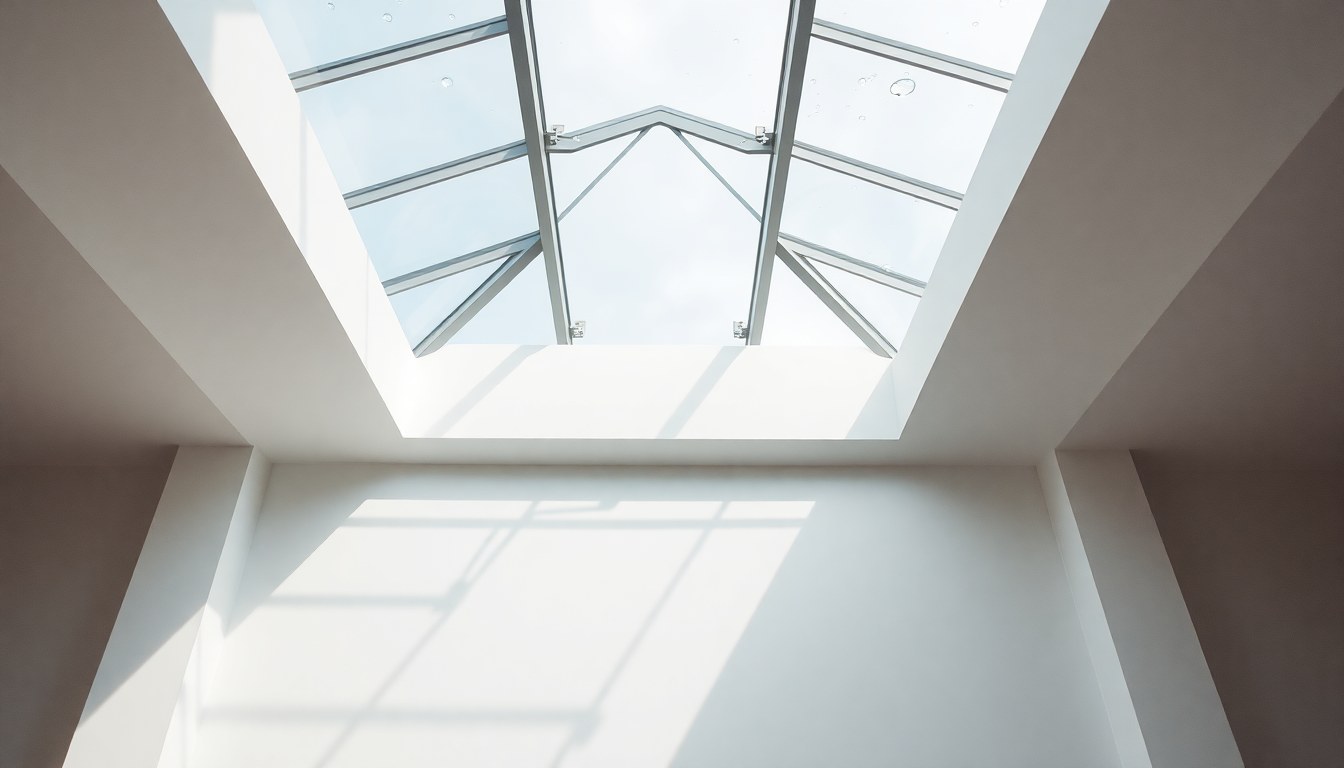
Glass skylights flood your home with natural light and create stunning visual appeal, but monsoon season transforms them into potential water damage hazards if not properly maintained. In cities like Bangalore and Hyderabad, where heavy rainfall is concentrated over a few months, skylight maintenance becomes critical to prevent expensive repairs and structural damage. This guide walks you through essential pre-monsoon checks, maintenance techniques, and emergency solutions to keep your skylights watertight all season long.
Why Glass Skylights Leak During Monsoon
Glass skylights are exposed to the harshest weather conditions your home faces. Unlike walls and roofs that slope away from the structure, skylights sit flat or at shallow angles, making them collection points for rainwater, debris, and wind-driven moisture. During monsoon, the sheer volume and intensity of rainfall exceeds the drainage capacity of aging sealants and poorly maintained frames.
The primary culprits behind skylight leaks are deteriorated silicone sealant, cracks in the glass frame, improper installation, and clogged drainage channels. Metal frames expand and contract with temperature changes, creating micro-gaps where water seeps through. Even hairline fractures in glass expand when exposed to thermal stress and water pressure, allowing moisture to penetrate into your home's interior and insulation.
Pre-Monsoon Inspection Checklist
Start your skylight maintenance routine 4–6 weeks before monsoon arrives. A thorough inspection identifies problems while you still have dry weather to address them. Safety is paramount: use a sturdy ladder, wear non-slip shoes, and consider hiring a professional if your skylight sits on a steep or high roof.
Visual Inspection from Inside
Begin indoors by examining the skylight from below during daylight hours. Look for water stains on the ceiling around the skylight frame, discoloration, or soft spots in the drywall or insulation. These indicate past or ongoing leaks. Check the interior frame for rust, mold growth, or peeling paint—all signs of moisture exposure. Run your hand along the interior sealant; if it feels crumbly or separates easily from the frame, replacement is overdue.
External Frame and Sealant Assessment
From the roof, inspect the exterior silicone sealant that bonds the skylight frame to the roof structure. Healthy silicone appears uniform in color and texture. Look for cracks, gaps, or areas where the sealant has pulled away from the frame or roof. Press gently on the sealant with your finger; it should feel slightly flexible, not hard and brittle. If the sealant crumbles or doesn't bounce back, it has lost its elasticity and cannot expand and contract with temperature changes.
Check the metal frame for corrosion, particularly at joints and corners. Rust indicates the protective coating has failed and water is actively corroding the metal. Examine the flashing—the metal transition piece between the skylight frame and roof—for gaps, lifted edges, or separation from the roof surface.
Drainage Channel Clearance
Most skylights have drainage channels or weep holes that direct water away from the interior frame. Remove leaves, dirt, bird nests, and other debris from these channels using a soft brush or cloth. Pour water gently into the channel to verify it flows freely toward the drainage outlets. Blocked channels force water to pool around the frame, increasing leak risk exponentially.
Silicone Resealing: The Most Critical Maintenance Task
Silicone sealant is the primary defense against water infiltration. Over 3–5 years, exposure to UV radiation, thermal cycling, and moisture causes sealant to degrade, shrink, and lose adhesion. Resealing before monsoon is one of the most effective preventive measures you can take.
When to Reseal Your Skylight
Reseal if you observe cracks wider than 1/8 inch, gaps between the sealant and frame, areas where sealant has pulled away, or if the sealant feels hard and brittle rather than slightly flexible. As a general rule, plan to reseal every 3–4 years in Indian climates, where temperature swings and intense UV exposure accelerate degradation.
DIY Resealing Process
For minor areas, homeowners can apply new sealant themselves. Clean the joint thoroughly with a stiff brush to remove old sealant, dirt, and mold. Use a utility knife to scrape away loose material. Wipe the joint with a damp cloth and allow it to dry completely. Apply painter's tape on both sides of the joint to create clean edges. Use a caulking gun to apply high-quality silicone sealant (not acrylic caulk, which doesn't last in outdoor conditions) in a continuous bead. Smooth the sealant with a wet finger or caulk tool, then remove the tape while the sealant is still wet. Allow 24–48 hours for full curing before exposing the joint to moisture.
For extensive resealing, cracked glass, or skylights on steep roofs, hire a professional glazier. The cost (typically ₹3,000–₹8,000 per skylight depending on size and location) is far less than repairing water damage inside your home.
Frame Inspection and Repair
The frame is the structural backbone of your skylight. Damage here compromises the entire system and allows water to penetrate even if sealant is intact.
Metal Frame Corrosion Treatment
If you spot surface rust, clean the affected area with a wire brush or steel wool to remove loose rust. Wipe away debris with a cloth, then apply a rust converter product (available at hardware stores) to chemically stabilize remaining rust. Once dry, apply a rust-inhibiting metal primer and paint to protect the frame. For deep corrosion that has weakened the frame, the affected section may need replacement—consult a professional glazier.
Glass Cracks and Thermal Stress
Small cracks in the glass pane don't necessarily require immediate replacement, but they will worsen during monsoon as water infiltrates the crack and freezes or thaws with temperature changes. Even hairline cracks reduce the structural integrity of the glass. If the crack is less than 6 inches long and not in a high-stress area of the pane, a temporary epoxy repair can hold it through the monsoon season. Clean the crack, apply epoxy resin, and allow it to cure fully. For safety and long-term performance, plan to replace the pane after monsoon.
Emergency Leak Patching Techniques
If water begins leaking during monsoon before you can schedule professional repairs, temporary patches can minimize damage while you arrange permanent fixes.
Quick Interior Patches
Place buckets or containers under the leak to catch water and prevent ceiling damage. Dry the area around the leak thoroughly. Apply waterproof tape or emergency roof patch material (available at hardware stores) over the interior ceiling around the leak point. This is not a permanent solution but can reduce water entry by 50–70% until professional repairs are completed.
Exterior Temporary Sealing
If you can safely access the roof during light rain, apply emergency roof sealant or silicone caulk to visible gaps in the frame or sealant. Work quickly and allow the material to cure before heavy rain resumes. Waterproof tape designed for metal surfaces can also provide temporary protection over small holes or gaps. These patches typically last 2–4 weeks; professional resealing should follow as soon as weather permits.
Drainage System Maintenance
Proper drainage is as important as sealant integrity. Water that cannot drain away from the frame will eventually find its way inside.
Clean the skylight's drainage channels monthly during monsoon season, or more frequently if your roof is surrounded by trees. Check that water flows freely from the drainage outlets. If your skylight has an internal drain pan or gutter, verify it's not clogged and that water flows toward the drain holes. Some modern skylights have weep holes—small openings that allow water that enters the frame cavity to drain outward rather than inward. Ensure these are clear and functioning.
Improve roof-level drainage by ensuring gutters and downspouts near the skylight are clean and functioning. Water pooling on the roof around the skylight increases pressure on seals and flashing. Consider installing a small gutter or slope-directing element immediately around the skylight's perimeter if water tends to collect there.
Professional Maintenance Services
Annual professional inspection and maintenance (₹2,000–₹5,000 per visit) catches problems early and extends skylight lifespan significantly. Professional glaziers have specialized equipment, high-quality materials, and the expertise to address complex issues safely. They can also apply protective coatings that enhance water resistance and UV protection.
Schedule professional maintenance in May or early June, before monsoon rains intensify. Document the inspection with photos and notes for your records, which help track recurring issues and warranty claims.
Frequently Asked Questions
How often should I reseal my glass skylight?
In Indian climates with intense UV exposure and significant temperature variation, reseal every 3–4 years. If your skylight is older than 5 years and you haven't resealed recently, prioritize this before monsoon season. Environmental factors like proximity to the ocean (salt spray) or heavy pollution can accelerate degradation, requiring more frequent resealing.
Can I repair a leaking skylight myself, or do I need a professional?
Minor sealant repairs and drainage clearing are manageable DIY tasks. However, if the leak involves cracked glass, corroded framing, compromised flashing, or if your skylight is on a steep or high roof, hire a professional. The safety risks and potential for incomplete repairs make professional service the better choice for complex issues.
What's the difference between silicone sealant and acrylic caulk for skylight maintenance?
Silicone sealant remains flexible and durable in outdoor conditions for 5+ years, making it ideal for skylights. Acrylic caulk hardens over time, cracks easily, and typically lasts only 1–2 years outdoors. Always use silicone sealant (not acrylic) for exterior skylight work.
How much does professional skylight resealing cost in India?
Professional resealing typically costs ₹3,000–₹8,000 per skylight, depending on the skylight's size, your location (Bangalore and Hyderabad may have different rates), roof accessibility, and the extent of repairs needed. Get quotes from 2–3 local glaziers before deciding. This investment is far less than repairing water damage to ceilings, insulation, and structural elements.
What should I do if my skylight leaks during heavy monsoon rain?
Place containers under the leak to catch water and prevent ceiling damage. Dry the surrounding area and apply temporary waterproof tape or emergency roof sealant if you can safely access the roof. Contact a professional glazier immediately to schedule repairs. Temporary patches typically hold for 2–4 weeks, so arrange permanent fixes promptly to prevent mold growth and structural damage.
Glass skylights enhance your home's aesthetics and natural lighting, but they demand seasonal attention to perform reliably. By following this maintenance guide and addressing issues before monsoon arrives, you'll protect your investment and enjoy your skylights for decades without costly water damage. Explore vetted glass professionals and skylight specialists on the glassy.in directory to find trusted service providers in your area who can help with inspection, resealing, and emergency repairs.