
Interior Design
Mirrored Glass Partitions for Small Bedrooms: Depth Illusion & Design Rules
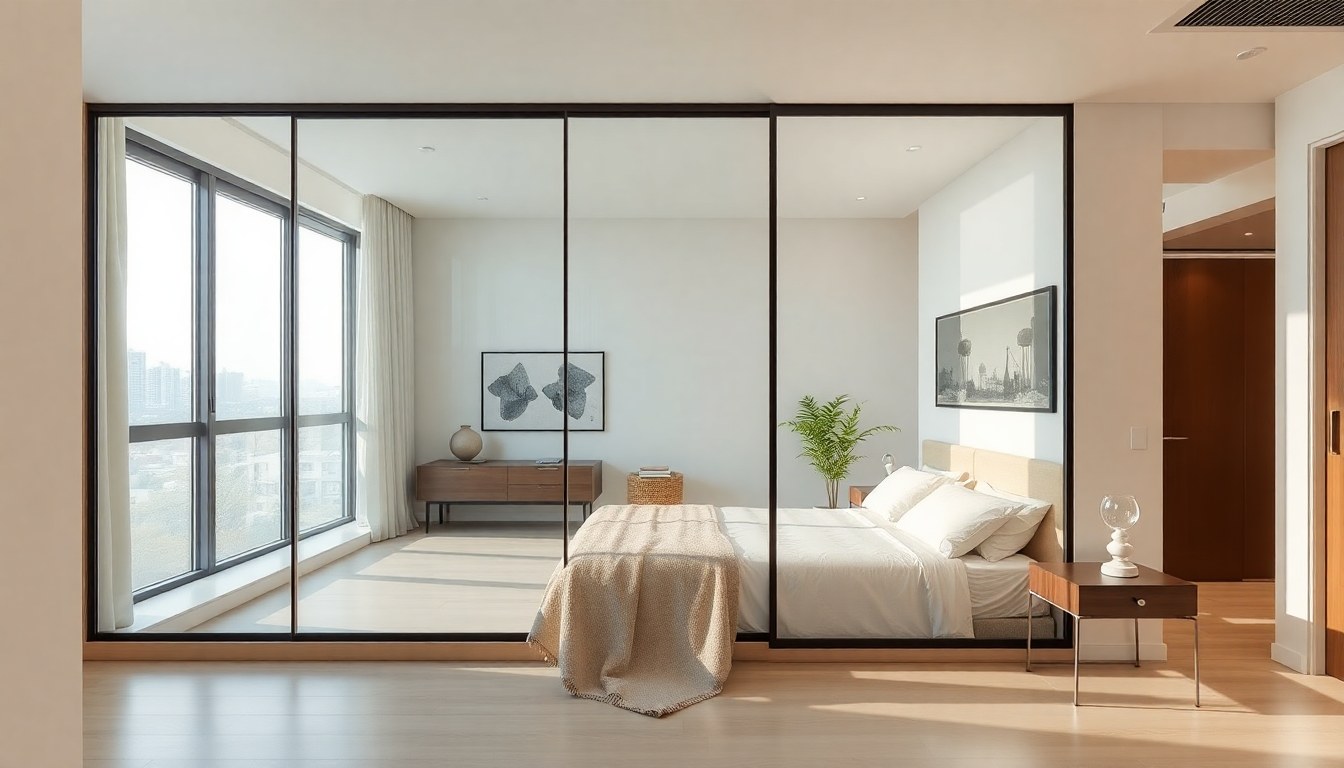
Small bedrooms in urban Indian homes demand clever design thinking, and mirrored glass partitions are one of the most effective tools to expand perceived space. When placed thoughtfully, mirrors reflect light and create visual depth, making a compact 120-square-foot bedroom feel significantly larger. This guide explores the strategic use of mirrored glass partitions, placement principles, and practical design rules tailored for homes in HSR Layout, Jayanagar, and similar Bangalore localities.
Why Mirrored Glass Partitions Work in Compact Bedrooms
The magic of mirrored surfaces lies in their ability to bounce natural and artificial light around a room. In small bedrooms where natural light is limited, a well-positioned mirrored glass partition can redirect sunlight into dark corners, instantly brightening the entire space. This optical illusion tricks the eye into perceiving more square footage than actually exists.
Beyond aesthetics, mirrored glass partitions serve a functional purpose: they allow you to divide space without blocking sightlines. Unlike solid walls or wooden partitions, glass maintains visual continuity while creating distinct zones for sleeping, working, or dressing. This is particularly valuable in studio apartments or one-bedroom homes common in Bangalore's HSR Layout and Jayanagar neighborhoods, where multipurpose rooms are the norm.
- Reflects light and amplifies brightness
- Creates illusion of 20–30% additional perceived space
- Maintains visual openness while defining zones
- Adds contemporary elegance to compact interiors
- Improves functionality without sacrificing aesthetics
Strategic Placement Rules for Maximum Impact
Placement is everything. A mirrored glass partition positioned incorrectly can create visual clutter, unwanted reflections, or even make a room feel cramped. The goal is to reflect desirable views—light, windows, architectural features—while avoiding reflections of cluttered corners or bathroom doors.
Opposite Windows and Natural Light Sources
The most effective placement is directly opposite or adjacent to windows. When a mirrored partition faces a window, it captures incoming daylight and bounces it across the room, eliminating dark zones. In a typical 10x12-foot bedroom in HSR Layout, placing a mirrored partition opposite the window can transform a dim corner into a bright, airy space. This is especially valuable during monsoon season or in north-facing rooms where natural light is scarce.
Corner Placement for Depth Illusion
Installing a mirrored glass partition in a corner creates a powerful depth-expanding effect. The angled reflection makes the room feel wider and taller. This technique works exceptionally well in L-shaped bedrooms or rooms with alcoves, common in older Bangalore apartments. A floor-to-ceiling mirrored partition in a corner can add perceived depth of up to 3–4 feet.
Avoid Direct Bed Placement
While mirrors amplify space, avoid placing a large mirrored partition directly across the bed. This creates an unsettling visual effect and, according to traditional Vastu principles followed by many Indian homeowners, can disrupt sleep quality. Instead, position mirrors on side walls or at an angle to the bed.
Design Rules and Warping Angles
Mirrored glass comes in flat and angled configurations. Understanding the difference helps you choose the right solution for your bedroom layout.
Flat vs. Angled Mirrors
Flat mirrored glass partitions provide undistorted reflections and work best for creating pure depth illusion. Angled or beveled mirrored partitions introduce subtle warping, which can be used strategically to expand perceived width. A 45-degree angled mirror in a narrow corridor leading to a bedroom, for example, makes the space feel wider without obvious distortion.
For small bedrooms in Jayanagar where space is genuinely tight, angled partitions (typically 15–30 degrees) can soften the visual impact while still amplifying light. This prevents the "glass box" feeling that flat mirrors sometimes create in very small rooms.
Frame Selection Matters
The frame of your mirrored glass partition influences the overall design aesthetic. Thin aluminum frames in silver or black suit modern minimalist bedrooms and are affordable (₹1,500–₹3,000 per square foot in Bangalore). Wooden frames in walnut or oak add warmth to traditional or eclectic interiors. Frameless options create a seamless, contemporary look but require professional installation and cost slightly more (₹2,500–₹4,500 per square foot).
Practical Installation Considerations for Small Spaces
Installing mirrored glass partitions in compact bedrooms requires careful planning. Unlike full-height walls, glass partitions demand precise measurement and structural support.
Floor Space and Traffic Flow
In a small bedroom, every inch matters. A mirrored glass partition should not obstruct the natural traffic path from the door to the bed or wardrobe. Ideally, position it to create a subtle divide without blocking movement. For a 10x12-foot bedroom, a partition running 4–5 feet along one wall works better than a full-width installation that would feel cramped.
Ceiling Height Considerations
Floor-to-ceiling mirrored partitions amplify the depth effect but only work in rooms with ceilings 8 feet or higher. In older Bangalore homes with lower ceilings (7.5 feet), a partition that reaches 6.5–7 feet maintains the illusion of height without looking awkward. Partial-height partitions (4–5 feet) work well for creating subtle zones in multipurpose bedrooms.
Ventilation and Moisture Control
Mirrored glass can trap moisture, especially in bedrooms adjacent to bathrooms. Ensure adequate ventilation through windows or exhaust fans. In humid Bangalore climates, choose mirrors with anti-moisture backing to prevent delamination. Budget an extra ₹500–₹1,000 per square foot for moisture-resistant coatings.
Design Integration with Existing Decor
A mirrored glass partition should complement, not clash with, your bedroom's existing style. The right integration makes the partition feel intentional rather than an afterthought.
Minimalist and Contemporary Bedrooms
In minimalist spaces, frameless or thin-framed mirrored partitions work best. Pair them with neutral wall colors (whites, grays, soft beiges) to let the partition become a design feature without overwhelming the room. This approach suits modern apartments in HSR Layout where clean lines and open aesthetics dominate.
Traditional and Eclectic Interiors
For homes with traditional wooden furniture or eclectic décor, a mirrored partition with a wooden or brass frame adds sophistication. Pair it with warm lighting and textured fabrics to balance the reflective surface. In Jayanagar homes with heritage architecture, a mirrored partition with a carved wooden frame can honor traditional aesthetics while solving modern space constraints.
Lighting Coordination
The success of a mirrored partition depends on lighting. Pair it with soft LED strips along the frame or strategically placed wall lights to enhance the reflective effect without creating glare. Avoid harsh overhead lights that create unflattering reflections. Warm white (2700K) LEDs work better than cool white in bedrooms, creating a cozy ambiance while amplifying the depth illusion.
Cost and Maintenance
Mirrored glass partitions are a mid-range investment for small bedroom renovations. In Bangalore, expect to pay ₹1,500–₹5,000 per square foot depending on glass quality, frame material, and installation complexity. A typical 4x6-foot partition costs ₹36,000–₹1,20,000 installed.
Maintenance is straightforward: regular cleaning with a microfiber cloth and glass cleaner keeps mirrors streak-free. Anti-fingerprint coatings (₹200–₹500 per partition) reduce cleaning frequency. Check seals and frames annually for moisture or dust accumulation, especially in humid climates.
Frequently Asked Questions
Can mirrored glass partitions make a bedroom feel smaller?
Yes, if placed incorrectly. A mirrored partition directly opposite the bed or reflecting cluttered corners can feel cramped. Always position mirrors to reflect light sources, windows, or open space. Avoid reflecting the bedroom door or tight storage areas.
Are mirrored glass partitions safe in bedrooms?
Mirrored glass partitions are safe when properly installed with tempered glass and secure framing. Tempered glass is 4–5 times stronger than regular glass and shatters into small, harmless pieces if broken. Always hire certified installers and ensure the partition is anchored securely to walls or floors.
Do mirrored partitions work in bedrooms with low natural light?
Yes, but they're most effective when paired with good artificial lighting. Position the mirror to reflect ceiling lights or wall-mounted LEDs. In rooms with minimal windows, use warm LED strips along the partition frame to create a soft glow that bounces around the space.
What's the difference between mirrored glass and regular mirrors in partitions?
Mirrored glass partitions use high-quality mirror coating applied to tempered glass, offering durability and safety. Regular mirrors are often thinner and more prone to damage. Mirrored glass partitions also come with anti-moisture backing and UV-protective coatings for longevity.
How do I prevent the "glass box" effect in a very small bedroom?
Use angled or beveled mirrors instead of flat ones, add a wooden or brass frame for warmth, and avoid mirroring opposite walls. Limit mirrored partitions to one wall or corner, and combine them with textured fabrics, plants, and warm lighting to create a balanced, inviting space.
Mirrored glass partitions are a transformative design solution for small bedrooms across Bangalore's urban neighborhoods. Whether you're working with a compact 100-square-foot bedroom in HSR Layout or a creative studio space in Jayanagar, strategic mirror placement amplifies light, creates depth, and enhances functionality. Ready to explore mirrored glass partition options for your home? Browse vetted glass suppliers and interior designers on glassy.in, India's largest glass-business directory, to find the perfect solution for your bedroom transformation.