
Interior Design
Fluted Glass vs Frosted Glass: Which Hides Dust Better for Interiors?
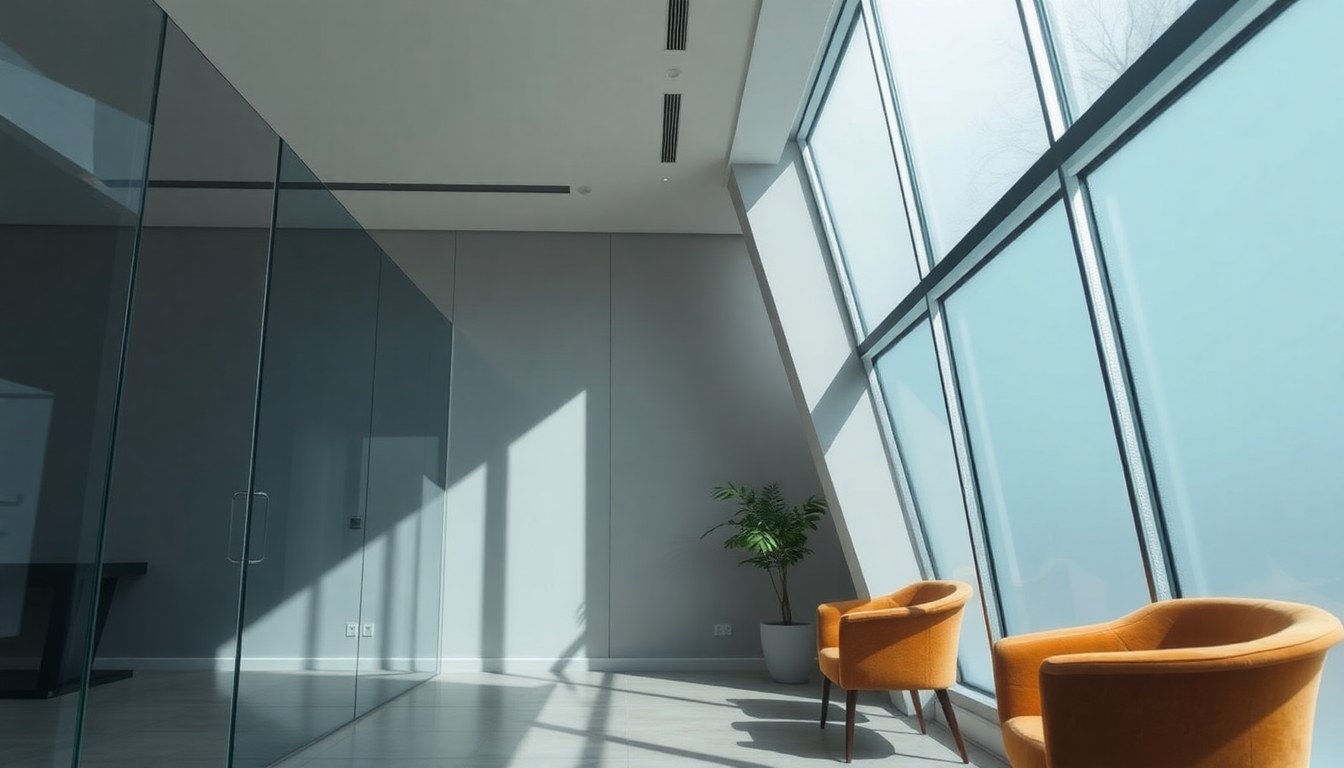
When choosing decorative glass for your kitchen, bathroom, or partition walls, the maintenance factor often gets overlooked until you're wiping down surfaces weekly. Fluted and frosted glass both offer privacy and aesthetic appeal, but they perform dramatically differently when it comes to hiding dust, fingerprints, and daily grime. Understanding these differences will help you make a choice that keeps your interiors looking pristine with minimal effort.
Understanding Fluted Glass and Its Maintenance Profile
Fluted glass, also called reeded glass, features parallel vertical grooves or ridges that run across its surface. These channels create a textured appearance that diffuses light while maintaining partial visibility. The pattern is achieved by pressing molten glass into molds with the desired ridge pattern, creating a permanent texture that won't wear away.
The grooved structure of fluted glass presents a unique maintenance challenge. Dust, debris, and fingerprints settle into the channels rather than sitting on a flat surface. This means dust becomes trapped in the grooves and is less visible at first glance, which sounds like an advantage—but cleaning requires more effort. You'll need to use brushes or cloths that can reach into the ridges, and even then, some particles remain lodged in the deeper crevices.
Where Dust Hides in Fluted Glass
- Horizontal dust accumulation in vertical grooves (gravity works against you)
- Fingerprints smudge across ridges, making them more noticeable despite texture
- Water spots and mineral deposits settle in channels during humid seasons
- Requires specialized cleaning tools to reach between ridges effectively
Understanding Frosted Glass and Its Dust-Hiding Abilities
Frosted glass has a uniformly matte surface created through acid-etching, sandblasting, or applying a frosted film. Unlike fluted glass's linear pattern, frosted glass has a consistent, fine granular texture across its entire surface. This texture scatters light evenly and completely obscures visibility while maintaining a smooth, uniform appearance.
Frosted glass's major advantage for maintenance is that dust doesn't accumulate in deep grooves—it sits on a relatively flat, textured surface. This means dust is less visible because the matte finish naturally camouflages fine particles. Fingerprints are also less obvious on frosted glass compared to clear or fluted surfaces, as the textured finish breaks up the reflection and visibility of oils and smudges.
Dust Visibility on Frosted Glass
- Fine dust blends into the matte texture and is less noticeable
- Fingerprints don't show as obvious streaks or smudges
- Water droplets and mineral deposits are less visible
- Cleaning is straightforward with a soft cloth and mild cleaner
- Dust doesn't embed into deep crevices like it does in fluted patterns
Direct Comparison: Dust and Fingerprint Visibility
When you place fluted and frosted glass side by side in natural light, the difference becomes immediately apparent. Fluted glass's ridges catch light and create shadows that make dust particles more visible despite being trapped in the grooves. The contrast between the raised edges and recessed channels highlights accumulated particles.
Frosted glass, conversely, distributes light uniformly across its surface. Dust particles on frosted glass blend into the overall texture, making the glass appear cleaner for longer periods between cleanings. This is especially noticeable in bathrooms where humidity causes water droplets and mineral deposits—these are far more obvious on fluted glass because they accumulate in the grooves and create visible streaks.
For fingerprints, frosted glass is the clear winner. On fluted glass, finger oils follow the ridges and create noticeable patterns. On frosted glass, the same fingerprints are nearly invisible because the matte surface breaks up the reflection of the oils.
Practical Applications in Kitchens and Bathrooms
Kitchen Use Cases
In kitchens, fluted glass works well for cabinet doors and decorative elements where you don't touch the surface frequently. However, if you're installing fluted glass on a backsplash or anywhere near cooking areas, be prepared for grease particles to lodge in the grooves. Frosted glass is superior for kitchen applications because it hides water spots, grease splatter, and dust more effectively with minimal maintenance.
Many homeowners pair frosted glass with stainless steel appliances in modern kitchens because the matte finish complements the aesthetic while hiding daily grime. If you're working with a designer like Ace Interiors, they'll often recommend frosted glass for high-traffic kitchen areas for this exact reason.
Bathroom Applications
Bathrooms are where the maintenance difference between these two becomes most critical. Fluted glass shower enclosures trap moisture in their grooves, leading to mold and mildew growth if not cleaned regularly. The ridges also collect soap scum, shampoo residue, and hard water deposits that are difficult to remove.
Frosted glass shower doors and partitions are significantly easier to maintain. The uniform texture prevents water from pooling in deep grooves, and soap residue doesn't accumulate as noticeably. A weekly wipe-down with a squeegee keeps frosted glass looking clean, whereas fluted glass requires scrubbing between ridges with a brush.
Cleaning and Maintenance Frequency Comparison
The cleaning schedule for each type differs substantially. Fluted glass should ideally be cleaned every 3–5 days if you want to prevent visible dust accumulation in the grooves. Frosted glass can go 7–10 days between cleanings and still appear relatively clean because dust blends into the texture.
For cleaning fluted glass, use a soft-bristled brush or an old toothbrush to reach into the grooves, followed by a microfiber cloth. For frosted glass, a simple spray cleaner and soft cloth suffice. If you're sourcing glass materials in India, reputable dealers like ALLNEW SAFETY GLASS can provide guidance on maintenance best practices for each type.
Recommended Cleaning Products
- For Fluted Glass: White vinegar solution, soft-bristled brush, microfiber cloth
- For Frosted Glass: Mild dish soap and water, squeegee, soft cloth
- Avoid: Abrasive scrubbers, harsh chemicals, or steel wool on either type
- Frequency: Fluted every 3–5 days; frosted every 7–10 days
Cost and Durability Considerations
Fluted and frosted glass are similarly priced in the Indian market, typically ranging from ₹500 to ₹2,000 per square foot depending on thickness and quality. Both are equally durable and will last 15–20 years or more without degradation. The difference lies in the total cost of ownership when you factor in cleaning time and maintenance effort.
If you value your time, frosted glass offers better long-term value because it requires less frequent and less intensive cleaning. Over five years, the time savings alone can justify choosing frosted over fluted glass. However, if your primary concern is aesthetics and you don't mind regular maintenance, fluted glass provides a more distinctive visual pattern.
Interior designers and contractors like Sriteja Interiors often recommend frosted glass for residential projects precisely because homeowners prefer low-maintenance solutions that still look elegant.
Which Should You Choose for Your Home?
Choose frosted glass if you prioritize ease of maintenance, live in a humid climate, or use the glass in high-moisture areas like bathrooms and kitchens. It hides dust, fingerprints, and water spots better and requires less frequent cleaning. Frosted glass is also ideal if you have a busy household with children or pets.
Choose fluted glass if you appreciate the distinctive aesthetic it provides, have a lower-traffic area where dust accumulation is less of a concern, or are willing to invest time in regular maintenance. Fluted glass works well for decorative cabinet doors, interior partitions, and accent walls where you won't be touching the surface frequently.
Frequently Asked Questions
Does frosted glass hide dust better than fluted glass?
Yes, frosted glass hides dust significantly better. The uniform matte texture camouflages fine dust particles, whereas fluted glass's grooves trap dust visibly. Dust on frosted glass blends into the overall surface, making the glass appear cleaner for longer between cleanings.
Can you use fluted glass in bathrooms without mold issues?
Fluted glass can be used in bathrooms, but it requires more diligent maintenance. The grooves trap moisture, soap scum, and mineral deposits, creating conditions for mold growth. Daily squeegee use and weekly deep cleaning are necessary to prevent mold. Frosted glass is a better choice for bathrooms if you want minimal maintenance.
How often should I clean frosted glass?
Frosted glass can typically go 7–10 days between cleanings. A simple wipe with a soft cloth and mild soap solution is usually sufficient. In high-traffic areas or humid bathrooms, you may want to clean weekly for optimal appearance.
Is frosted glass more expensive than fluted glass?
No, frosted and fluted glass are similarly priced in India, typically ranging from ₹500 to ₹2,000 per square foot. The cost difference between them is minimal, so your choice should be based on maintenance preferences and application rather than price.
Can I apply frosted film to fluted glass to make it easier to clean?
You could apply frosted film over fluted glass, but this would defeat the purpose of the fluted pattern and create an uneven surface. Instead, if you already have fluted glass and find it difficult to maintain, consider replacing it with new frosted glass or using a protective coating designed for textured surfaces.
Make the Right Choice for Your Space
The decision between fluted and frosted glass ultimately depends on your lifestyle, climate, and maintenance preferences. For most Indian homes, especially in humid regions or high-traffic areas, frosted glass offers superior dust-hiding properties and easier maintenance. If you're planning a renovation or new installation, consult with experienced professionals who understand your local climate and usage patterns. Browse our directory of trusted glass dealers and interior designers on glassy.in to find specialists in your area who can help you select and install the perfect glass solution for your home.