
Interior Design
Glass Staircase Installations: Load Bearing, Safety & Design Ideas
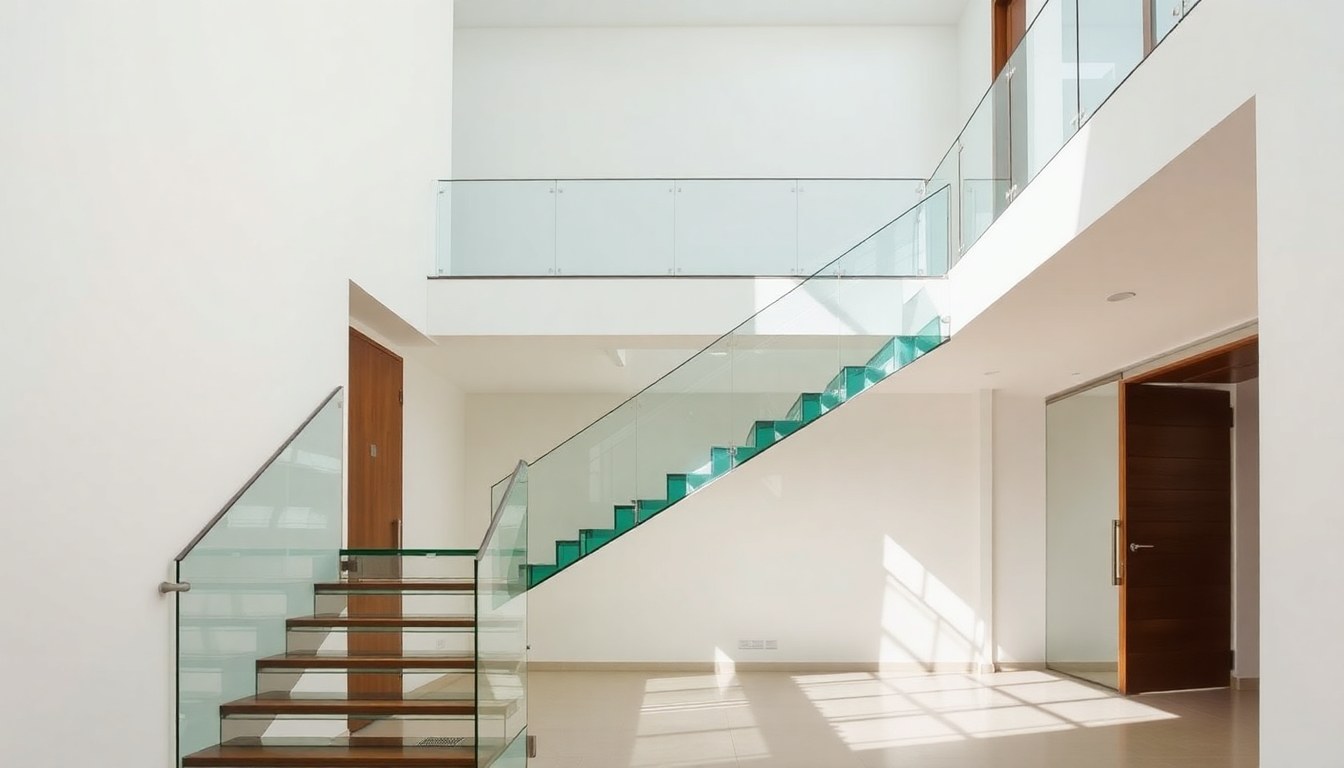
Glass staircases have transformed modern interior design, offering an open, airy feel that makes spaces appear larger while maintaining an elegant aesthetic. Whether you're building a luxury villa in Bangalore, Mumbai, or Delhi, understanding the engineering behind glass steps and railings is essential to ensure safety, durability, and compliance with Indian building codes. This guide explores the structural requirements, material choices, and stunning design possibilities that make glass staircases a premium choice for contemporary homes.
Understanding Glass Staircase Load-Bearing Capacity
Glass staircases must support significant weight while maintaining transparency and visual lightness. The load-bearing capacity depends on the type, thickness, and quality of glass used, as well as the underlying support structure. A typical residential glass staircase is engineered to support 1.5 to 2 times the expected live load, meaning it can safely handle far more weight than typical daily use requires.
The structural framework beneath glass steps—usually made of stainless steel, mild steel, or aluminum—transfers the load to the building's foundation. In India, where residential buildings must comply with the National Building Code (NBC), engineers calculate load distribution using standard formulas that account for the number of people using the staircase simultaneously, furniture movement, and dynamic forces like jumping or running.
Weight Distribution and Support Systems
Glass steps are typically supported in one of three ways: cantilever mounting (where steps are anchored directly to a wall), central beam support (where a central spine carries all steps), or full perimeter support (where both sides are secured). Cantilever designs create the most dramatic floating effect but require precise engineering and robust wall anchoring. A single glass step in a cantilever system can safely hold 500–800 kg depending on its dimensions and glass type.
Material Choices: Toughened vs Laminated Glass
Two primary glass types dominate staircase installations in India: toughened (tempered) glass and laminated glass. Each offers distinct advantages and is chosen based on safety requirements, budget, and aesthetic preferences.
Toughened Glass
Toughened glass is heat-treated to increase its strength by 4–5 times compared to annealed glass. When it breaks, it shatters into small, relatively harmless granules rather than sharp shards, making it ideal for high-traffic areas. Toughened glass is more affordable than laminated alternatives and is commonly used for staircase steps and railings in residential projects across India. However, it cannot be cut or drilled after tempering, so all customizations must be completed before the treatment process.
For a standard 12 mm toughened glass step measuring 1 meter by 30 cm, you can expect prices ranging from ₹4,000 to ₹7,000 depending on the supplier and location. Toughened glass is ideal when budget is a consideration and the staircase is in a lower-risk area.
Laminated Glass
Laminated glass consists of two or more glass panes bonded with a polyvinyl butyral (PVB) interlayer. If the glass breaks, the interlayer holds the pieces together, preventing them from falling and creating a safer environment. This makes laminated glass the preferred choice for staircases in homes with children or elderly residents, and it's often required by building authorities in high-rise residential projects.
Laminated glass can be cut and customized after manufacturing, offering greater design flexibility. It also provides better sound insulation and UV protection. A 12 mm laminated glass step typically costs ₹8,000 to ₹12,000, making it a premium option. Many architects in metropolitan areas like Pune, Hyderabad, and Chennai now specify laminated glass as the standard for residential staircases due to superior safety performance.
Safety Standards and Compliance in India
Glass staircase installations must comply with the National Building Code of India (NBC) and local municipal building bylaws. The NBC specifies minimum standards for stair geometry, railing heights, and material safety. For glass railings, the code requires a minimum height of 1.1 meters (or 1.2 meters in high-rise buildings) and mandates that the glass must withstand a horizontal load of 1.5 kN per linear meter without permanent deformation.
Additionally, glass used in staircases must be certified for safety. Look for glass that meets Indian Standards (IS) 2202 for toughened glass or IS 2206 for laminated glass. Any installation should be carried out by certified professionals who understand local building codes and have experience with glass staircase projects.
Slip Resistance and Visibility
While glass is beautiful, it can be slippery when wet. Many modern designs incorporate frosted sections, anti-slip coatings, or embedded grip strips to improve safety without compromising aesthetics. Some installations use acid-etched patterns or silk-screen printing to add grip while creating visual interest. Handrails must also be installed on at least one side of the staircase and should be made of materials like stainless steel or wood that provide secure grip.
Visibility is another safety concern. The NBC requires that glass railings be made visible through marking, frosting, or color to prevent accidental collision. Many designers use subtle frosted bands or decorative patterns that serve both safety and aesthetic purposes.
Modern Glass Staircase Design Ideas for Villas
Glass staircases have become a signature element in luxury villa design across India. Here are some popular design approaches that combine engineering excellence with stunning visual impact.
Floating Glass Staircases
Cantilever glass steps that appear to float create a dramatic, contemporary look perfect for open-concept villa interiors. These staircases are anchored to a structural wall on one side, with steps extending outward. The illusion of weightlessness is enhanced by using frameless glass railings. This design works exceptionally well in double-height living spaces and is popular in villas in Gurgaon, Bangalore, and Mumbai's premium developments.
Central Spine with Glass Steps
A central steel or aluminum beam runs down the middle of the staircase, with glass steps cantilevering from both sides. This design offers structural stability while maintaining the open, airy feel. The spine can be finished in matte black, brushed stainless steel, or powder-coated colors to complement the interior design scheme. This approach is particularly popular in contemporary villa designs where minimalism and functionality are valued.
Glass and Wood Combinations
Combining glass steps with wooden treads or risers adds warmth and texture. For example, toughened glass risers with solid wood or engineered wood steps create a balanced aesthetic that appeals to homeowners who want modernity without sacrificing traditional comfort. This hybrid approach is increasingly seen in villa renovations across Delhi and Bangalore.
Curved and Spiral Glass Staircases
While more challenging to engineer and install, curved and spiral glass staircases create stunning focal points. These designs require custom-bent glass (often laminated for added safety) and precision steel frameworks. They're ideal for villas with dramatic architectural features and are becoming more common in high-end residential projects in metropolitan areas.
Illuminated Glass Staircases
LED lighting integrated into the glass steps or railings creates a luxurious ambiance, especially in evening hours. Lights can be embedded in the support structure or mounted beneath the steps to create a glowing effect. This design element is popular in modern villas where entertainment spaces are a priority.
Installation Process and Professional Requirements
Installing a glass staircase is a specialized task that requires coordination between structural engineers, glass specialists, and skilled installers. The process typically involves several stages: structural assessment and design, fabrication of glass components and support framework, delivery and on-site preparation, installation of the support structure, mounting of glass steps and railings, and final finishing with handrails and safety features.
Professional installers in India's major cities typically charge between ₹50,000 and ₹2,00,000 for labor, depending on the complexity of the design and the size of the staircase. A complete glass staircase project (materials plus labor) for a typical villa can range from ₹3,00,000 to ₹10,00,000 or more, depending on design complexity and glass type.
Always hire installers who are certified, insured, and have a portfolio of completed projects. Request references and verify that they understand local building codes and have obtained necessary approvals from municipal authorities.
Maintenance and Long-Term Durability
Glass staircases require regular cleaning to maintain their transparency and aesthetic appeal. Use mild soap and water with a soft cloth, avoiding abrasive cleaners that can scratch the surface. Laminated glass may show minor discoloration over decades due to the PVB interlayer, but this doesn't affect structural integrity.
The support structure—whether steel or aluminum—requires periodic inspection to ensure fasteners remain tight and there's no corrosion. In India's humid coastal regions, stainless steel components are recommended over mild steel to prevent rusting. With proper maintenance, a well-engineered glass staircase can last 30+ years without significant issues.
Frequently Asked Questions
How much weight can a glass staircase support?
A properly engineered glass staircase is designed to support 1.5 to 2 times the expected live load. A single 12 mm toughened glass step can typically support 500–800 kg depending on its dimensions and support system. The total load capacity of the entire staircase depends on the support structure, which is usually calculated by structural engineers to safely accommodate multiple people simultaneously.
Is toughened or laminated glass safer for staircases?
Laminated glass is generally considered safer for residential staircases because if it breaks, the interlayer holds pieces together, preventing them from falling. Toughened glass is safer than ordinary annealed glass because it breaks into small, relatively harmless granules, but pieces can still fall. For homes with children or in high-traffic areas, laminated glass is the preferred choice, though it's more expensive.
Do glass staircases meet Indian building codes?
Yes, glass staircases can meet Indian building codes when properly designed and installed. They must comply with the National Building Code (NBC) requirements for railing height (minimum 1.1 meters), horizontal load resistance (1.5 kN per linear meter), and visibility markings. The glass must be certified to Indian Standards (IS 2202 for toughened, IS 2206 for laminated), and installation must be carried out by certified professionals.
What is the typical cost of a glass staircase in India?
A complete glass staircase project typically ranges from ₹3,00,000 to ₹10,00,000 depending on design complexity, glass type, and size. Toughened glass steps cost ₹4,000–₹7,000 each, while laminated glass steps cost ₹8,000–₹12,000 each. Installation labor ranges from ₹50,000 to ₹2,00,000. Premium designs with curved steps, integrated lighting, or custom finishes can exceed this range significantly.
How often does a glass staircase need maintenance?
Glass staircases require regular cleaning with mild soap and water to maintain transparency. The support structure should be inspected periodically to ensure fasteners are tight and there's no corrosion, especially in humid regions. With proper maintenance, a well-engineered glass staircase can last 30+ years without structural issues.
Ready to transform your villa with a stunning glass staircase? Explore verified glass suppliers, installers, and designers in your city through the Glassy.in directory. Whether you're in Delhi, Mumbai, Bangalore, or any other Indian city, find trusted professionals who specialize in glass staircase installations and can guide you through design, engineering, and compliance requirements.