
Interior Design
Mirrored Glass False Ceiling Installation: Illusion, Maintenance & Cost
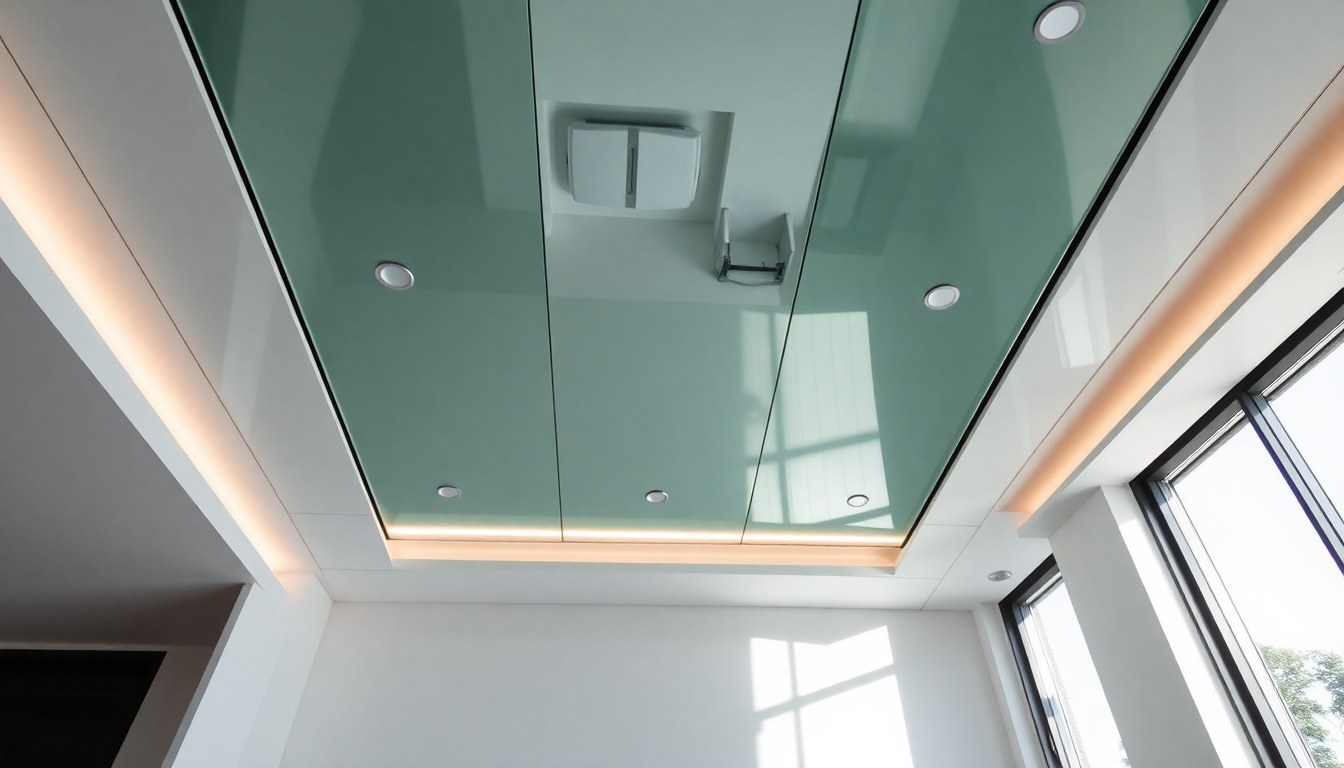
Mirrored glass false ceilings transform interiors by amplifying natural light, creating the illusion of height, and adding a touch of luxury to any room. But beneath the visual appeal lies a complex installation requiring structural load calculations, proper safety fastening, and a rigorous maintenance schedule. Whether you're planning a residential makeover in Bangalore or upgrading a commercial space, understanding the installation process, cost per square foot, and long-term upkeep is essential to avoid costly mistakes.
Understanding Mirrored Glass False Ceilings
A mirrored glass false ceiling is a suspended ceiling system where mirror panels replace or supplement conventional tiles. The mirrors are typically 4–6mm thick tempered glass, mounted on an aluminium or steel framework using safety clips and adhesives. The system sits below the structural ceiling, creating a gap that accommodates electrical wiring, HVAC ducts, and acoustic insulation.
The appeal is straightforward: mirrors reflect light and create visual depth, making rooms feel larger and brighter. They work particularly well in small apartments, offices, retail spaces, and hospitality venues. However, they demand careful planning around moisture, vibration, and weight distribution to prevent sagging or panel displacement.
Why Choose Mirrored False Ceilings?
- Light amplification: Mirrors bounce natural and artificial light, reducing dependency on electric lighting during daytime.
- Space illusion: Reflective surfaces visually expand confined areas.
- Aesthetic versatility: Suits modern, contemporary, and luxury interiors equally well.
- Easy access: Allows concealment of wiring, pipes, and ductwork while remaining removable for maintenance.
- Durability: Tempered glass is resistant to scratches and impact compared to acrylic alternatives.
Structural Load Calculations and Safety Requirements
Before a single mirror panel is installed, a structural engineer must assess the load-bearing capacity of your existing ceiling or roof. Mirrored glass panels are heavier than standard false ceiling tiles—typically 12–15 kg per square meter for 6mm tempered glass—and improper installation can lead to catastrophic failure.
The structural assessment involves calculating the dead load (weight of the system itself), live load (occupancy and vibration), and environmental loads (wind, seismic activity in earthquake-prone regions). In Bangalore, seismic considerations are moderate but must still be factored in. The engineer will determine the spacing of support hangers and confirm that the existing slab can bear the additional weight.
Safety Fastening Systems
Mirrored panels must never rely on adhesive alone. The industry standard uses a combination of:
- Stainless steel safety clips: Mounted on the aluminium framework, these clips grip the top edge of each mirror panel. They prevent lateral movement and act as a failsafe if adhesive degrades.
- Structural silicone sealant: Used as a secondary bond between the panel and frame, not as the primary support.
- Anti-slip pads: Rubber or silicone pads placed between the panel and frame to dampen vibration and reduce stress concentration.
- Perimeter edge supports: Channels or angles along the outer edges of the installation to contain any panel that might dislodge.
All fastening hardware must be stainless steel (grade 304 or 316) to resist corrosion, especially in humid climates like Bangalore's. Regular inspection of clips and sealant is mandatory—at least once every 6–12 months—to catch early signs of degradation.
Installation Process and Timeline
Professional installation in Bangalore typically takes 5–10 days, depending on ceiling area and complexity. The process follows a strict sequence to ensure safety and alignment.
Step-by-Step Installation
- Site preparation: Clear the room, protect furniture, and set up scaffolding or mobile elevated work platforms (MEWPs) if ceiling height exceeds 3.5 metres.
- Framework installation: Suspend the aluminium or steel grid using adjustable hangers anchored to the structural slab. Ensure the grid is level using a laser level—tolerance should be within 3mm per 3 metres.
- Panel cutting and edge finishing: Tempered glass cannot be cut on-site; panels are pre-cut at the factory to exact dimensions. Edges are polished and bevelled to prevent sharp corners.
- Panel placement: Install panels from one corner, working systematically. Apply structural silicone to the frame first, then place the panel and secure it with safety clips.
- Sealant application: Fill gaps between panels with silicone sealant to prevent dust and moisture ingress. Allow sealant to cure for 48 hours before the ceiling is considered load-ready.
- Final inspection: Check all clips, verify alignment, and test load distribution with a calibrated pressure gauge.
Weather and humidity are critical factors in Bangalore. Installation should ideally occur during the dry season (November–February) to ensure optimal sealant curing. Avoid monsoon periods when high humidity can compromise adhesive bonds.
Cost Breakdown in Bangalore
Mirrored glass false ceiling costs in Bangalore vary based on glass quality, frame material, installation complexity, and labour rates. Here's a realistic breakdown:
Per Square Foot Pricing
- Basic mirrored ceiling (4mm glass, aluminium frame): ₹800–₹1,200 per sq ft
- Premium mirrored ceiling (6mm tempered glass, stainless steel frame): ₹1,500–₹2,500 per sq ft
- Designer/custom layouts (bevelled edges, tinted mirrors, shaped panels): ₹2,500–₹4,000+ per sq ft
Component Cost Breakdown (for 100 sq ft installation)
- Tempered mirror glass (6mm): ₹50,000–₹80,000
- Aluminium framework and clips: ₹15,000–₹25,000
- Structural silicone sealant and adhesives: ₹3,000–₹5,000
- Labour (installation, finishing, inspection): ₹25,000–₹40,000
- Miscellaneous (scaffolding, safety equipment, site clearance): ₹5,000–₹10,000
A typical 300 sq ft bedroom or office space in Bangalore would cost ₹2.4–₹7.5 lakh for a mirrored false ceiling installation, including labour. Premium finishes and custom designs can push costs higher. Always obtain written quotations from at least three certified installers and verify their past projects and client references.
Maintenance and Cleaning Protocols
Mirrored ceilings are only as beautiful as they are clean. Dust, fingerprints, and moisture stains accumulate quickly, and improper cleaning can damage the mirror coating or weaken sealants.
Regular Cleaning Schedule
- Weekly: Dust with a soft microfibre cloth to remove loose particles and prevent scratching.
- Bi-weekly: Spot-clean with a mild glass cleaner (diluted vinegar solution or commercial glass spray) and lint-free cloth. Wipe in circular motions and dry immediately to prevent water stains.
- Monthly: Deep clean the entire ceiling using a professional-grade glass cleaner. In high-humidity areas like Bangalore, this may need to be weekly.
What Not to Do
- Never use abrasive scrubbers, steel wool, or harsh chemicals (bleach, ammonia) that damage the mirror coating.
- Avoid excessive water spray; moisture can seep into gaps and corrode the framework or weaken sealants.
- Do not apply pressure or hang items from the ceiling—it is not load-rated for point loads.
- Keep humidity levels below 70% using air conditioning or dehumidifiers to prevent mildew and sealant degradation.
Annual Professional Inspection
Hire a certified installer to inspect the ceiling annually. They will check for:
- Cracks, chips, or delamination in mirror panels
- Corrosion or rust on metal framework
- Degradation of silicone sealants and safety clips
- Sagging or misalignment due to load shift
- Moisture ingress or mould growth in gaps
Early detection of issues can prevent expensive replacements. Budget ₹5,000–₹10,000 annually for professional maintenance in Bangalore.
Common Installation Mistakes to Avoid
Understanding what goes wrong helps you hire installers who get it right. The most frequent errors include:
- Skipping structural assessment: Assuming the existing ceiling can support added weight without engineering verification.
- Using non-tempered glass: Annealed glass is cheaper but shatters into large, dangerous shards if impacted. Always insist on tempered glass.
- Relying solely on adhesive: Safety clips are non-negotiable; adhesive alone fails over time.
- Inadequate sealant curing time: Rushing to re-occupy the space before silicone fully cures (48–72 hours) compromises structural integrity.
- Poor gap management: Leaving unsealed gaps allows dust, insects, and moisture to accumulate behind the ceiling.
- Ignoring humidity control: In Bangalore's monsoon season, high humidity without proper HVAC can degrade adhesives and corrode fasteners within months.
Frequently Asked Questions
Is a mirrored false ceiling suitable for kitchens and bathrooms?
Mirrored false ceilings are not ideal for kitchens or bathrooms due to constant moisture, steam, and temperature fluctuations. While tempered glass itself is water-resistant, the silicone sealants and aluminium framework can degrade quickly in high-humidity zones. If you must use mirrors in these spaces, invest in stainless steel (grade 316) framework, marine-grade sealants, and ensure robust exhaust ventilation to keep humidity below 60%. Regular monthly inspections are essential. Alternatively, consider partial mirrored panels in drier zones and moisture-resistant tiles in wet areas.
Can existing false ceilings be retrofitted with mirrors?
Yes, but only if the structural framework and hangers are strong enough to bear the additional weight of mirror panels (12–15 kg per sq m). You'll need a fresh structural assessment. If the existing framework is undersized, you'll need to reinforce it—adding new hangers, upgrading frame gauge, or installing additional support columns. This can cost nearly as much as a new installation. It's often more economical to remove the old ceiling and install a new mirrored system if the existing structure cannot be safely upgraded.
What is the lifespan of a mirrored false ceiling?
With proper maintenance, a mirrored false ceiling lasts 15–20 years. The tempered glass itself is extremely durable, but the sealants and fasteners degrade over time, especially in humid climates. In Bangalore, where monsoon moisture and dust are constant, proactive maintenance—annual inspections, timely sealant replacement, and humidity control—can extend lifespan to 20+ years. Without maintenance, degradation can begin within 5–7 years, leading to sagging panels, mould growth, and safety hazards.
How much does it cost to repair or replace individual mirror panels?
Replacing a single damaged panel typically costs ₹8,000–₹15,000 in Bangalore, including the panel itself (₹4,000–₹8,000), labour, and sealant. If multiple panels are damaged or the framework is corroded, it may be more cost-effective to replace the entire section (50–100 sq ft) rather than patch individual panels. Always get quotes for both repair and replacement scenarios before deciding.
Do mirrored ceilings require any special permits or approvals in Bangalore?
For residential installations, no specific permit is required, but your building's society or landlord may have restrictions on structural modifications. For commercial spaces, offices, or public buildings, you'll need approval from the Bruhat Bengaluru Mahanagara Palike (BBMP) and must comply with the National Building Code of India (NBC). Your installer should be familiar with local regulations. Always check with your local authority before starting work to avoid legal complications or forced removal.
Conclusion and Next Steps
Mirrored glass false ceilings are a powerful design tool when installed correctly and maintained diligently. The initial investment—₹1,500–₹2,500 per square foot in Bangalore—is substantial, but the visual impact and longevity justify the cost if you partner with certified, experienced installers. Prioritise structural assessment, tempered glass, stainless steel fasteners, and a robust maintenance plan to protect your investment.
Ready to transform your space? Browse certified glass ceiling installers and suppliers in Bangalore on glassy.in, India's largest glass-business directory. Compare quotes, view past projects, and connect directly with professionals who understand the nuances of mirrored installations in your region.