
Interior Design
Glass Shopfront Design Trends 2026: Retail Display & Customer Experience
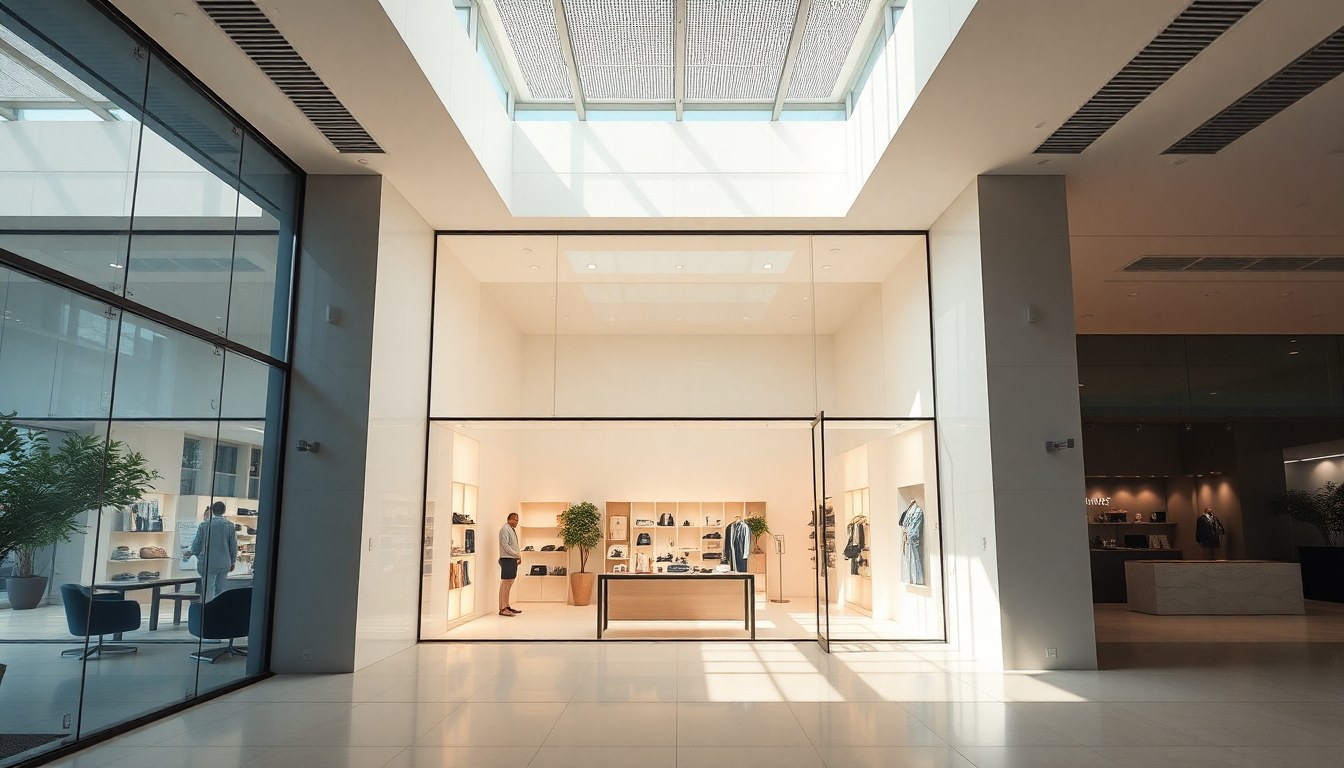
Glass storefronts are no longer just transparent barriers between your shop and the street—they're dynamic retail experiences that drive foot traffic, showcase products, and communicate brand identity. As we move into 2026, retail designers and shop owners across Indian cities are embracing innovative glass technologies and design strategies that blend aesthetics with functionality, creating shopfronts that captivate customers and boost sales.
Frameless Glass Storefronts: The Minimalist Revolution
Frameless glass storefronts have become the gold standard for modern retail design, particularly in metropolitan areas like Mumbai, Bangalore, and Delhi. This trend eliminates visible metal frames or mullions, creating an unobstructed view of your display and merchandise. The seamless aesthetic makes spaces feel larger, more open, and distinctly contemporary—qualities that resonate strongly with today's conscious consumers.
The technical shift toward frameless designs is made possible by advanced structural glazing systems and high-performance sealants that bond glass panels directly to the building structure. This approach not only looks premium but also reduces maintenance points where dirt and debris accumulate. For retail businesses in India, frameless storefronts signal investment in quality and modernity, often justifying premium positioning in the market.
Installation and Durability Considerations
Frameless installations require precision engineering and certified installers. The glass thickness typically ranges from 10mm to 12mm tempered glass, ensuring safety and longevity. While the upfront cost is higher than framed alternatives, the durability and maintenance savings over 10-15 years make frameless systems cost-effective for established retail brands.
Anti-Reflective Glass: Clarity Meets Product Visibility
Anti-reflective (AR) glass technology is transforming how customers perceive window displays. Standard glass reflects 8-10% of light, creating glare and reducing visibility into the shop, especially during daytime hours. Anti-reflective coatings reduce reflectance to 1-2%, allowing customers to see products with exceptional clarity and detail. This technology is particularly valuable in Indian cities where intense sunlight creates significant glare issues.
The coating process involves applying multiple thin layers of metal oxides to the glass surface, engineered to minimize reflection across the visible light spectrum. High-quality AR coatings are durable, scratch-resistant, and maintain their performance for 15-20 years. For jewelry stores, electronics retailers, and luxury brands, AR glass has become essential for accurate color representation and product appreciation from the street.
Cost-Benefit Analysis for Indian Retailers
AR glass costs approximately 20-30% more than standard glass, but the investment translates directly into improved product visibility and customer engagement. Retailers report increased foot traffic and higher conversion rates when upgrading to AR glass, making it a worthwhile investment for high-traffic locations in premium commercial zones.
Smart Signage Integration and Digital Displays
Interactive digital signage embedded within or adjacent to glass storefronts is reshaping how retailers communicate with customers. Smart displays can showcase dynamic product catalogs, real-time promotions, inventory updates, and even personalized recommendations based on foot traffic patterns and time of day. These systems integrate with inventory management software, allowing seamless updates across multiple locations.
LED-integrated glass panels and transparent OLED displays are emerging technologies gaining traction in 2026. Transparent displays allow customers to see products behind the glass while viewing promotional content simultaneously. This dual-functionality is particularly effective for fashion retailers, cosmetics brands, and electronics shops where visual appeal and real-time information drive purchase decisions.
Implementation in Indian Retail Environments
Smart signage systems must be designed for India's diverse climate conditions—intense heat, humidity, and dust require robust IP-rated enclosures and quality cooling systems. Many Indian retailers are opting for modular digital display systems that can be retrofitted to existing storefronts without major structural changes. Cloud-based management platforms enable centralized control across multiple store locations, a critical feature for growing retail chains.
Strategic Lighting Techniques for Shopfront Excellence
Lighting design has evolved from simple illumination to a sophisticated tool that influences customer behavior, highlights merchandise, and creates emotional connections with brands. Modern shopfront lighting combines ambient, accent, and task lighting to create layered visual experiences that draw customers in and encourage browsing.
LED technology dominates contemporary shopfront lighting due to its energy efficiency, color accuracy, and design flexibility. Retailers are increasingly using color-tunable LEDs that adjust throughout the day—cooler tones during daytime to compete with natural light, warmer tones in evening to create inviting ambiance. For Indian retailers managing energy costs, LED systems reduce electricity consumption by 60-70% compared to traditional halogen or fluorescent fixtures.
Accent Lighting and Product Emphasis
Strategic accent lighting highlights key products and creates focal points that guide customer attention. Directional spotlights, track lighting, and recessed fixtures positioned at specific angles enhance texture, color, and three-dimensional form of merchandise. High-end jewelry, apparel, and home décor retailers use accent lighting to create theater-like displays that command attention from the street.
Backlighting and Halo Effects
Backlighting glass shelves or product displays creates glowing halos that make items appear to float, adding sophistication and visual depth. This technique is particularly effective for luxury brands and high-value products where perceived quality directly influences purchasing decisions. The subtle glow also serves as a wayfinding element, guiding customers' eyes toward entry points and key displays.
Sustainable Glass Shopfront Design
Environmental consciousness is reshaping retail design across India. Low-emissivity (Low-E) glass coatings reduce heat transmission through storefronts, lowering cooling loads and energy costs—a significant advantage in India's hot climate. These coatings reflect infrared radiation while allowing visible light to pass through, maintaining product visibility while improving thermal performance.
Recycled glass and sustainable manufacturing practices are increasingly important to conscious retailers and customers alike. Several glass manufacturers in India now offer eco-certified products with reduced carbon footprints. For retailers targeting environmentally aware demographics in metropolitan areas, communicating sustainable design choices reinforces brand values and appeals to modern consumer preferences.
Energy Efficiency and Cost Savings
Low-E glass can reduce cooling costs by 15-25% annually, a meaningful saving for retail spaces with extensive glazing. Combined with smart lighting systems that adjust based on natural light availability, total energy consumption for climate control and illumination can drop by 30-40%. These savings accumulate significantly over time, improving bottom-line profitability while reducing environmental impact.
Color Psychology and Brand Expression Through Glass
The color and tint of glass itself communicates brand personality and influences customer perception. Clear glass conveys transparency and trust, ideal for banks, healthcare retailers, and transparency-focused brands. Tinted or colored glass creates distinctive visual identity—bronze, gray, or blue tints add sophistication and reduce glare while creating memorable brand aesthetics.
Gradient or gradient-effect glass, where tint intensity varies across the surface, is an emerging trend in 2026. This technique creates visual interest while maintaining product visibility. Some retailers use color-changing smart glass that adjusts tint based on sunlight intensity or time of day, combining aesthetic appeal with functional benefits. For premium brands in Bangalore, Mumbai, and Delhi, these innovative glass solutions differentiate storefronts in competitive retail environments.
Frequently Asked Questions
What is the typical cost of upgrading to a frameless glass shopfront in India?
Frameless glass shopfront installation costs range from ₹2,500 to ₹5,000 per square meter, depending on glass thickness, location, and structural complexity. A typical 20-square-meter storefront would cost ₹50,000 to ₹1,00,000. While higher than framed alternatives, the premium reflects superior aesthetics, durability, and minimal maintenance requirements over 10-15 years.
How much does anti-reflective glass cost compared to standard glass?
Anti-reflective glass typically costs 20-30% more than standard glass—approximately ₹800 to ₹1,200 per square meter versus ₹600 to ₹900 for standard glass. The investment is justified by improved product visibility, reduced glare, and enhanced customer engagement, particularly in high-traffic retail locations where foot traffic directly correlates with sales.
Can I retrofit smart signage to an existing glass shopfront?
Yes, modular digital display systems can be retrofitted to existing storefronts without structural modifications. Transparent OLED or LED panels mount directly to glass or frames, and cloud-based management systems integrate with existing point-of-sale and inventory software. Installation typically takes 2-4 weeks depending on complexity and location-specific requirements.
What lighting color temperature works best for retail storefronts in India?
Daytime lighting should use 5000K-6500K (cool white) to compete with natural sunlight and maintain product color accuracy. Evening lighting transitions to 3000K-4000K (warm white) to create inviting ambiance. Color-tunable LED systems automatically adjust throughout the day, optimizing visibility and customer experience while reducing energy consumption.
How do Low-E glass coatings perform in India's climate?
Low-E coatings are particularly effective in India's hot climate, reducing solar heat gain by 40-50% while maintaining visible light transmission. This translates to 15-25% annual savings on cooling costs for retail spaces. The coatings are durable, lasting 15-20 years, and maintain optical clarity without affecting product visibility or brand aesthetics.
Transform Your Retail Presence with Expert Glass Solutions
Your shopfront is your brand's first impression—and glass design trends in 2026 offer unprecedented opportunities to create memorable, functional retail experiences. Whether you're considering frameless installations, upgrading to anti-reflective glass, integrating smart signage, or optimizing lighting design, the right glass solutions elevate your retail space and drive customer engagement. Explore verified glass manufacturers, installers, and design specialists across India on glassy.in's comprehensive directory. Connect with experts in your city today and discover how modern glass technology can transform your shopfront into a competitive advantage.