
Buying Guides
Skylights with IGU: Balancing Natural Light & Heat Gain in Indian Summers
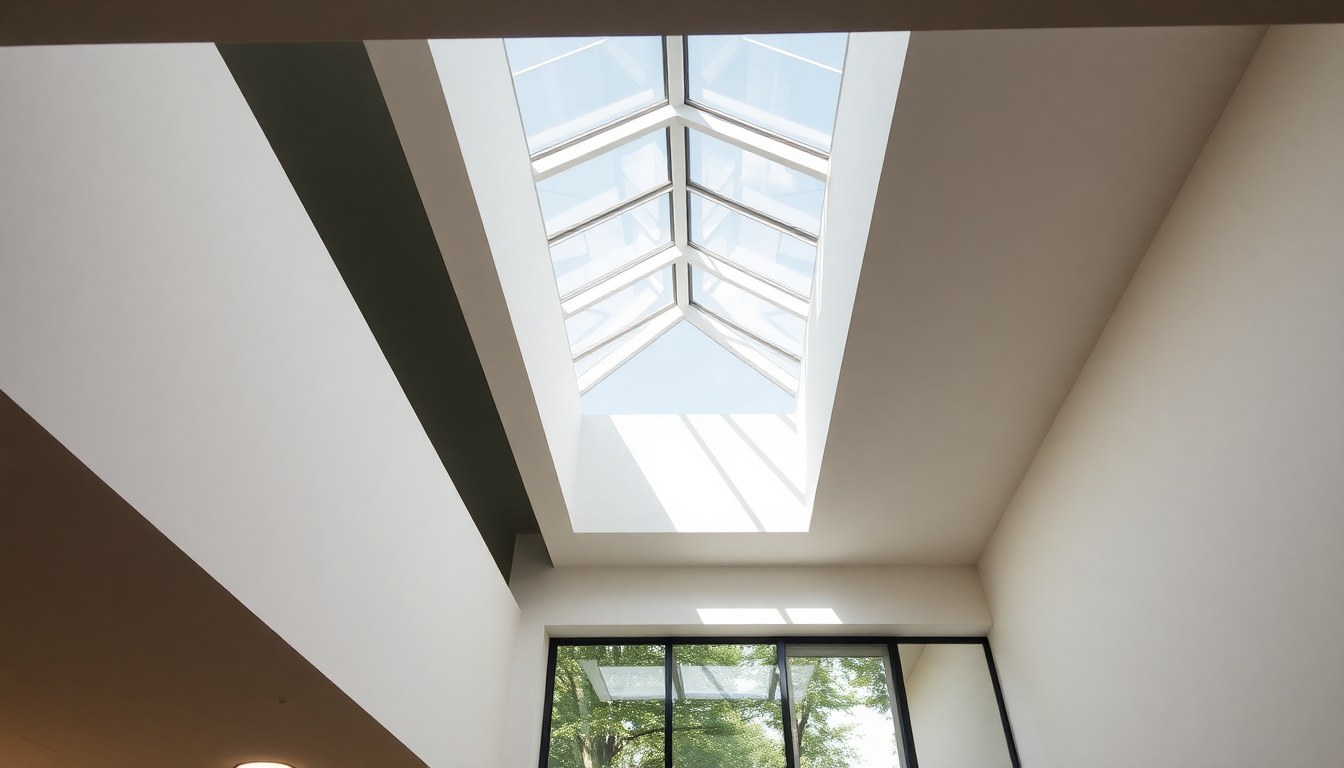
Skylights flood homes with daylight and create stunning visual connections to the sky—but in India's intense summer heat, a standard single-pane skylight becomes a thermal liability, driving air-conditioning costs through the roof. Insulated Glass Unit (IGU) skylights solve this dilemma by combining natural light transmission with superior heat rejection, keeping interiors cool while reducing energy bills. This guide explains how IGU technology works for skylights, compares heat-rejection performance metrics, and shows you the real ROI versus traditional glass alternatives.
What Are IGU Skylights and Why They Matter in Indian Summers
An Insulated Glass Unit (IGU) skylight consists of two or three panes of glass separated by a sealed air or inert-gas (argon or krypton) gap. This design creates a thermal barrier that slows heat transfer into your home—critical in a country where summer temperatures regularly exceed 40°C in many regions. Unlike single-pane skylights, which transmit nearly all solar radiation, IGU skylights can reject 50–70% of unwanted heat while still allowing 60–80% of visible light through, depending on the coating and gas fill.
The Indian climate presents unique challenges: intense direct sunlight, high humidity, and rapid temperature swings between indoors (air-conditioned) and outdoors. Single-pane skylights cause condensation on the interior surface during monsoons and early mornings, leading to mold, water damage, and compromised structural integrity. IGU skylights maintain interior surface temperatures closer to room temperature, virtually eliminating condensation risk. For homeowners in cities like Bangalore, Delhi, Mumbai, and Hyderabad, this means better comfort, lower cooling loads, and longer-lasting roof structures.
Heat Rejection Ratings: Understanding Solar Heat Gain Coefficient (SHGC)
The Solar Heat Gain Coefficient (SHGC) is the industry standard that measures how much solar radiation a window transmits into your home. SHGC values range from 0 to 1; lower numbers mean better heat rejection. For example, an SHGC of 0.30 means the skylight allows only 30% of solar heat to pass through, while 0.70 allows 70%. In Indian summers, you want skylights with SHGC ratings between 0.25 and 0.40 for maximum cooling efficiency.
IGU skylights achieve low SHGC ratings through specialized coatings applied to the glass surface during manufacturing. Common options include:
- Low-Emissivity (Low-E) Coatings: Reflect infrared radiation while transmitting visible light. Solar-control Low-E coatings are optimized for hot climates and can reduce SHGC to 0.25–0.35.
- Tinted Glass: Absorbs solar radiation but reduces visible light transmission. Bronze or gray tints are popular in India but may darken interiors.
- Reflective Coatings: Mirror-like finishes that bounce heat away but compromise daylighting and aesthetics.
- Spectrally Selective Coatings: Advanced films that block infrared while allowing visible light (best performance but higher cost).
When comparing IGU skylights, always request the SHGC value from your supplier. ZUBIA GLASS WORK and other reputable dealers in India can provide certified SHGC data for their products. A skylight with SHGC 0.30 will reduce your cooling load by 40–50% compared to single-pane glass.
Condensation Prevention: The Hidden Benefit of IGU Skylights
Condensation on skylights is a widespread problem in Indian homes, especially during the monsoon season and early mornings when outdoor air cools rapidly. Water droplets form when warm, humid indoor air contacts a cold glass surface. Single-pane skylights reach near-outdoor temperatures, making condensation inevitable. IGU skylights maintain interior surface temperatures 8–15°C warmer than single-pane alternatives, dramatically reducing condensation risk.
How IGU Design Prevents Condensation
The sealed air gap (typically 6–12 mm) acts as insulation. Even on a 5°C winter morning or during humid monsoon evenings, the inner pane of an IGU skylight remains warmer than the dew point of indoor air, preventing water droplets from forming. Additionally, modern IGU skylights are sealed with high-quality sealants (polyisobutylene or silicone) that prevent air infiltration and moisture ingress at the frame edges.
In high-humidity regions like coastal cities (Mumbai, Kochi) or during monsoon months across India, this feature alone justifies the IGU investment. Homeowners report zero condensation issues within the first 10 years, whereas single-pane skylights require regular wiping and risk structural damage from water seepage.
Cost-Benefit Analysis: IGU vs. Single-Pane Skylights
Single-pane skylights cost ₹2,000–₹5,000 per square meter installed, while IGU skylights range from ₹8,000–₹18,000 per square meter, depending on coating quality and gas fill. The upfront premium is substantial—typically 3–4 times higher. However, the long-term savings and benefits often justify the investment.
Energy Savings Calculation
A typical 2 m² skylight in a Bangalore home with single-pane glass might contribute 500–800 watts of heat gain during peak afternoon hours in summer, forcing your air-conditioning to work harder. Switching to an IGU skylight with SHGC 0.30 reduces this to 150–240 watts, saving approximately 350–550 watts of cooling load. Over a 5-month Indian summer season, this translates to ₹2,500–₹4,500 in reduced electricity costs annually. Over 10 years, cumulative savings reach ₹25,000–₹45,000, nearly offsetting the initial IGU premium.
Non-Energy Benefits
- Condensation Prevention: Eliminates mold, water stains, and structural damage (savings on repairs: ₹10,000–₹30,000 over 10 years).
- Comfort: Reduced thermal discomfort near skylights improves livability.
- Resale Value: Homes with high-performance skylights appeal to eco-conscious buyers; estimated premium of 2–4% on property value.
- Durability: IGU skylights last 15–20 years; single-pane skylights often require replacement or re-sealing after 8–10 years.
Architects and interior designers like those at Dzyner and Concept Craves increasingly recommend IGU skylights for high-end residential projects in India, recognizing that the lifecycle cost (initial purchase plus maintenance and energy) favors IGU solutions.
Selecting the Right IGU Skylight for Your Home
Choosing an IGU skylight involves assessing your climate zone, orientation, and aesthetic priorities. Here's a practical checklist:
- Check Your Orientation: North-facing skylights receive less direct sun and may not need aggressive heat rejection; south or west-facing skylights demand SHGC ≤ 0.30. In India, west-facing skylights are the most problematic in summer.
- Verify the Gas Fill: Argon gas (standard) offers good insulation at lower cost. Krypton gas (premium) provides better performance in narrow gaps but costs 20–30% more. Most Indian installations use argon.
- Confirm the Coating Type: Ask suppliers for the specific Low-E coating (e.g., "Solar Control Low-E" vs. "Neutral Low-E"). Solar-control coatings are optimized for hot climates like India.
- Check the U-Value: This measures overall heat transfer. Lower is better. IGU skylights typically achieve U-values of 1.1–1.5 W/m²K; single-pane skylights are around 5.8 W/m²K.
- Ensure Proper Installation: Even the best IGU skylight performs poorly if installed incorrectly. Use certified installers and ensure proper flashing, sealing, and ventilation around the frame.
- Consider Motorized Shading: For maximum flexibility, pair your IGU skylight with motorized blinds or shades. These allow you to block heat when needed and maximize daylight when conditions permit.
Leading glass shops and architects across India, such as Kajal Glass Shop and StudioPHI Architects, can guide you through these specifications and source certified IGU products that meet Indian building codes and climate requirements.
Common Mistakes to Avoid When Installing IGU Skylights
Many homeowners and builders make avoidable errors that compromise IGU performance. Inadequate ventilation around skylights traps heat in the roof cavity, negating some cooling benefits. Poor flashing or sealant application allows water infiltration, especially during monsoons. Oversizing skylights without considering heat gain leads to excessive cooling costs, even with IGU technology.
Another frequent mistake is installing skylights on south or west-facing roofs without any external shading. Even with SHGC 0.30, a large west-facing IGU skylight in direct afternoon sun will still transmit significant heat. Consider installing external louvers, solar shades, or reflective films on the roof surface above the skylight. This layered approach—high-performance IGU glass plus external shading—delivers optimal results in Indian summers.
Frequently Asked Questions
What is the typical payback period for an IGU skylight in India?
Based on energy savings alone, payback periods range from 8–15 years, depending on your location's summer duration and electricity rates. However, when you factor in avoided condensation repairs, extended lifespan, and improved resale value, the effective payback is often 5–8 years. In high-electricity-cost cities like Mumbai and Bangalore, payback is even faster.
Can I retrofit an existing single-pane skylight with an IGU unit?
Yes, retrofitting is possible if the existing frame is structurally sound and meets current building codes. However, complete replacement is often more cost-effective than attempting to swap glass panes. Consult a qualified architect or installer to assess your specific skylight frame before deciding.
Do IGU skylights require special maintenance?
IGU skylights require minimal maintenance—periodic cleaning of the exterior glass surface and inspection of seals every 5 years. Avoid high-pressure washing, which can damage seals. If condensation appears inside the sealed unit (between panes), the seal has failed and the unit should be replaced; this is rare with quality products installed correctly.
Which is better for Indian homes: argon-filled or krypton-filled IGU skylights?
Argon-filled IGU skylights are the standard choice for India, offering excellent performance at reasonable cost. Krypton-filled units are superior but cost significantly more and are justified only in premium projects or where space constraints require narrower gaps. For most Indian residential applications, argon is the practical choice.
How do I know if my IGU skylight has the right SHGC rating for my location?
A general rule: aim for SHGC ≤ 0.35 for hot-climate regions (most of India). For coastal or extremely hot zones (Rajasthan, interior Maharashtra), target SHGC ≤ 0.30. Your architect or glass supplier should provide SHGC values in the product specification sheet. Always request certified data, not estimates.
Conclusion: Make the Smart Choice for Your Indian Home
IGU skylights represent a modern, energy-efficient solution to the age-old challenge of balancing natural light with summer heat control in Indian homes. While the upfront cost is higher than single-pane alternatives, the combination of reduced cooling loads, condensation prevention, improved comfort, and extended lifespan makes IGU skylights a sound long-term investment. By understanding heat rejection ratings, proper installation practices, and your home's specific needs, you can maximize daylight while keeping your interiors cool and your energy bills manageable.
Ready to explore IGU skylight options for your project? Browse certified glass suppliers and architects on glassy.in, India's largest glass-business directory. Connect with specialists in your region who understand local climate challenges and can recommend the ideal IGU skylight solution for your home.