
Buying Guides
Low-E Coated Glass for North-Facing Windows: Beat Heat Loss in Winter
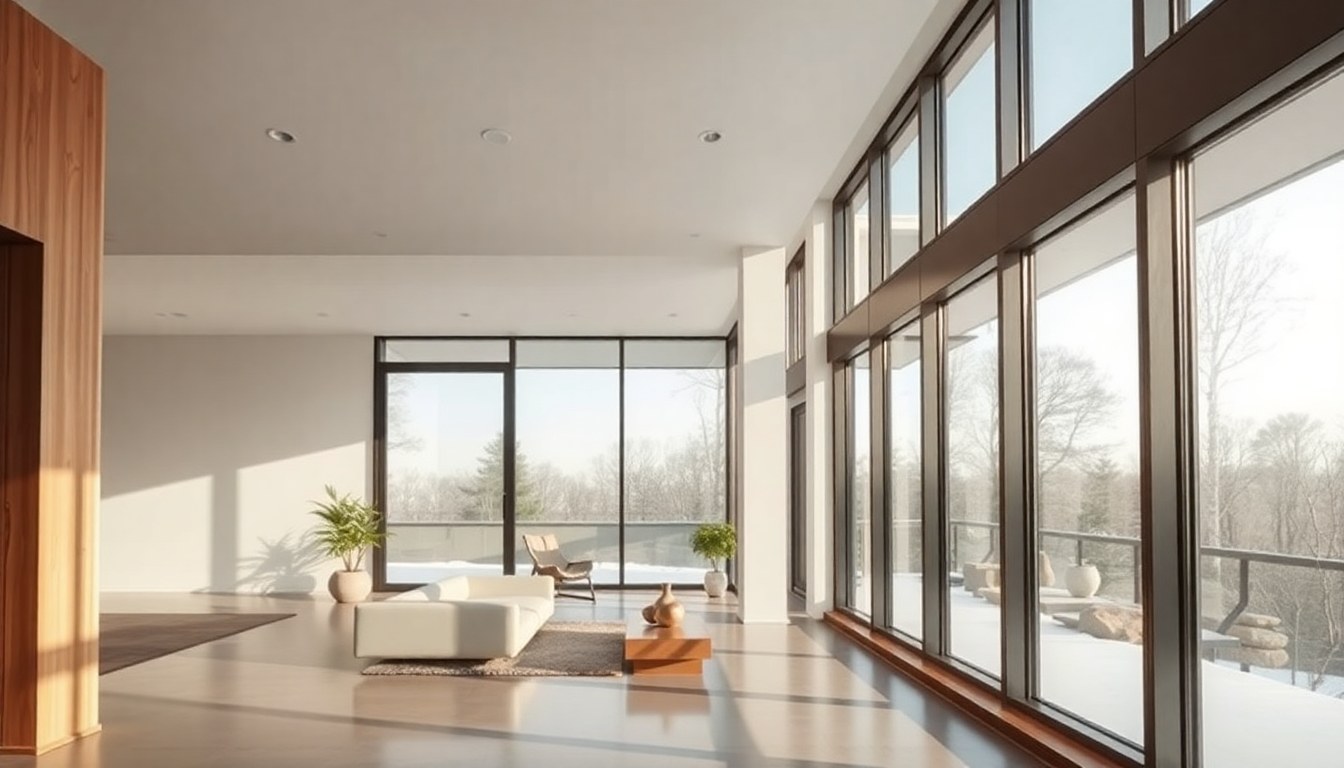
North-facing windows are a double-edged sword in Indian homes: they provide steady, glare-free light year-round, but they also leak precious heat during winter months. If you live in a cold-climate region—the Himalayas, northern plains, or high-altitude areas—those uninsulated north windows can account for significant heating losses. Low-emissivity (Low-E) coated glass is engineered specifically to solve this problem, reflecting interior heat back into your home while allowing daylight to enter. Unlike summer-focused tinted glass, Low-E coatings work invisibly and thermally, making them the smart choice for winter warmth and reduced energy bills.
What Is Low-E Coated Glass and How Does It Work?
Low-emissivity glass is coated with an ultra-thin metallic layer—typically silver, tin oxide, or a multi-layer composite—that is invisible to the naked eye but highly reflective to infrared radiation. When indoor heat (infrared energy) tries to escape through a north-facing window, the Low-E coating bounces it back into the room, much like a thermal mirror. At the same time, visible light passes through unimpeded, so you don't lose brightness or views.
The coating is applied during manufacturing, either in a "hard coat" process (pyrolytic, fused to hot glass) or a "soft coat" process (sputtered onto cooled glass). Hard coats are more durable and suit cold climates; soft coats offer superior thermal performance but require protective glazing. For Indian north-facing windows, a soft-coat Low-E glass is typically paired with an inert gas (argon) fill in a double-glazed unit to maximize heat retention.
The Science Behind Emissivity
Emissivity is a material's ability to emit (or release) thermal radiation. Regular glass has an emissivity of around 0.84, meaning it radiates 84% of heat outward. Low-E coated glass reduces emissivity to 0.05–0.10, cutting heat loss dramatically. This property is measured by the U-value: lower U-values indicate better insulation. A typical Low-E coated double-glazed unit achieves a U-value of 1.0–1.4 W/m²K, compared to 2.7–3.0 W/m²K for standard clear glass.
Why North-Facing Windows Lose Heat Faster
North-facing windows receive little to no direct sunlight in the Northern Hemisphere (and Southern Hemisphere for south-facing), especially in winter. This means they never benefit from passive solar heat gain. Instead, they act as cold bridges—areas where interior warmth escapes to the frigid exterior air. In regions like Himachal Pradesh, Uttarakhand, and Kashmir, winter temperatures can drop below freezing, and uninsulated north windows can create uncomfortable drafts and ice formation on the interior pane.
Traditional clear glass or even tinted glass offers minimal thermal resistance. A north-facing window in a home without Low-E coating can lose 15–20% of total household heat during winter, particularly if the glazing is single-pane. This drives up heating costs and reduces interior comfort near windows.
Low-E Glass vs. Summer Tints: Key Differences
It's crucial to understand that Low-E coatings are fundamentally different from reflective or absorptive tints designed for summer heat rejection. Summer tints (often metallic or bronze-colored) reflect and absorb solar radiation, reducing cooling loads. However, in winter, they also block useful solar heat and can make interiors feel dim. Low-E coatings, by contrast, are spectrally selective: they allow most visible light and near-infrared solar radiation to pass through while reflecting far-infrared (thermal) radiation from warm indoor surfaces.
- Low-E Coating: Reflects interior heat outward; allows solar light and warmth in; winter-focused; nearly invisible appearance.
- Summer Tint: Absorbs or reflects solar radiation; reduces cooling load; can darken interiors; not ideal for winter climates.
- Dual-Purpose Glass: Some advanced Low-E coatings (e.g., spectrally selective types) balance winter heat retention with modest summer solar control, suitable for regions with both cold winters and hot summers.
For north-facing windows in cold climates, a winter-optimized Low-E coating is the right choice. Architects and interior designers like those at Shashank Innovations increasingly specify Low-E glass for residential projects in elevated or northern regions, recognizing its energy-saving potential.
Energy Savings and Cost-Benefit Analysis
Installing Low-E coated double-glazed windows on north-facing elevations can reduce heating energy consumption by 10–25%, depending on climate severity, window area, and existing insulation. In a 2,000 sq. ft. home with 15–20% of wall area as north-facing windows, the annual heating bill reduction can range from ₹8,000 to ₹25,000 in regions like Delhi, Shimla, or Srinagar.
A Low-E coated double-glazed unit costs roughly 30–50% more than standard clear double-glazing (approximately ₹800–1,200 per sq. ft. vs. ₹500–800 per sq. ft.). However, the payback period is typically 5–8 years in cold climates, after which the savings accumulate. Over a 20-year window lifespan, the net savings often exceed ₹1–3 lakhs for a typical home.
Additional Benefits Beyond Heat Retention
- Condensation Reduction: The inner pane of a Low-E unit stays warmer, reducing interior condensation and mold growth.
- UV Protection: Many Low-E coatings block 99% of UV rays, protecting furnishings and flooring from fading.
- Sound Insulation: Double-glazed Low-E units with gas fill provide better acoustic insulation than single pane.
- Comfort: Eliminates cold drafts and "cold wall" sensation near windows, improving perceived comfort.
Installation and Specification Considerations
Specifying Low-E coated glass for north-facing windows requires attention to several technical details. First, confirm that the coating is optimized for winter performance (low solar heat gain coefficient, or SHGC, is less critical; focus on low U-value). Second, ensure the glass is installed in a proper double-glazed frame with thermal breaks and a low-conductivity spacer (e.g., warm-edge spacer) to prevent thermal bridging at the frame edges.
Gas filling (usually argon or krypton) between the panes enhances thermal resistance. Argon is standard and cost-effective; krypton is superior but more expensive. The glazing should be sealed with high-quality sealants (silicone or polyurethane) to prevent gas leakage over time.
Professional architects and builders, such as DK Architecture Design in Ahmedabad, ensure that Low-E specifications align with building codes and climate zones. In India, the Energy Conservation Building Code (ECBC) recommends U-values below 1.8 W/m²K for windows in cold climates, which Low-E double-glazing easily meets.
Frame and Sealing Best Practices
The frame material matters as much as the glass. Aluminum frames without thermal breaks conduct cold; uPVC, fiberglass, or thermally broken aluminum frames are superior. Proper installation by certified glaziers prevents air leaks and ensures the Low-E coating's performance is not compromised by drafts around the frame perimeter.
Common Misconceptions and FAQs
Will Low-E glass make my north-facing room too dark?
No. Low-E coatings have a visible light transmittance (VLT) of 70–80%, meaning they allow most daylight through. The coating is nearly invisible and does not create a tinted or reflective appearance from inside. From outside, there may be a slight warm or greenish tint, but this is subtle.
Can I apply Low-E coating to existing windows?
Retrofitting existing windows with Low-E coating is not practical. Low-E coatings must be applied during glass manufacturing. If you want the benefits on older windows, you'll need to replace the glazing units. Studio Grid and similar firms can advise on cost-effective replacement strategies.
Is Low-E glass worth it in regions with mild winters?
In mild-winter regions (e.g., coastal or southern India), the payback period extends beyond 10 years, making Low-E less economically compelling for heating alone. However, if summer cooling is also a concern, dual-purpose Low-E coatings (with moderate SHGC) may still offer value.
Does Low-E coating degrade over time?
Hard-coat Low-E (pyrolytic) is very durable and can last 20+ years. Soft-coat Low-E (sputtered) is more sensitive to moisture and requires protective glazing (typically sealed in a double-glazed unit) but lasts 15–20 years in proper conditions. Regular maintenance (cleaning, sealant inspection) extends lifespan.
What's the difference between soft-coat and hard-coat Low-E for north windows?
Soft-coat Low-E offers superior thermal performance (lower U-value) and is ideal for cold climates, but it must be protected in a sealed glazing unit. Hard-coat Low-E is more durable and can tolerate some exposure, but thermal performance is slightly lower. For north-facing windows in cold regions, soft-coat in a double-glazed unit is recommended.
Frequently Asked Questions
What is the typical cost of Low-E coated glass in India?
Low-E coated double-glazed units typically cost ₹800–1,200 per sq. ft., depending on the coating type (soft or hard), gas fill, and frame material. Single-pane Low-E is rarely used because it doesn't achieve the thermal resistance needed for winter climates. Prices vary by region and supplier; bulk orders for new construction projects often attract discounts.
Can Low-E glass be combined with other features like lamination or tinting?
Yes. Low-E coating can be applied to laminated glass for safety and sound insulation, or to tinted glass for additional privacy or summer heat control. However, ensure the combination aligns with your climate needs. For north-facing windows in winter-cold zones, a clear Low-E laminate is ideal; tinting is unnecessary and may reduce light transmission.
How much can I save on heating bills with Low-E windows?
In cold climates (e.g., Delhi, Shimla, Srinagar), homeowners typically see 10–25% reduction in heating energy costs. For a 2,000 sq. ft. home with 300–400 sq. ft. of north-facing glazing, annual savings range from ₹8,000 to ₹25,000, depending on heating system efficiency and local energy prices.
Do I need to replace all my windows or just north-facing ones?
Prioritize north-facing windows for the best return on investment in cold climates. East and west-facing windows benefit from Low-E in summer and winter. South-facing windows may not need Low-E in winter (they receive solar gain) but benefit in summer. A phased approach—starting with north windows—is cost-effective.
Is Low-E glass suitable for heritage or listed buildings?
Low-E coated glass is visually subtle and can be installed in heritage buildings with minimal aesthetic impact, especially if the coating is applied to the inner pane of a double-glazed unit. However, always consult local heritage authorities and specialists like SS Builders before proceeding, as regulations vary by region.
Conclusion: Making the Right Choice for Your North Windows
Low-E coated glass is a proven, cost-effective solution for reducing heat loss through north-facing windows in cold-climate regions of India. By reflecting interior thermal radiation while allowing visible light and solar warmth to enter, Low-E coatings deliver measurable energy savings, enhanced comfort, and long-term value. Unlike summer-focused tints, Low-E technology is winter-optimized and nearly invisible, making it the intelligent choice for homes in Himachal Pradesh, Uttarakhand, Kashmir, and the northern plains.
When planning a renovation or new build, consult with qualified architects and glazing specialists to specify the right Low-E coating (soft or hard), gas fill, and frame system for your climate and budget. The upfront investment pays dividends in lower heating bills, reduced condensation, and a more comfortable home for decades to come.
Ready to upgrade your north-facing windows? Explore verified glass suppliers, architects, and interior designers on glassy.in, India's largest glass-business directory. Browse profiles, compare specifications, and connect with professionals who understand Low-E technology and your local climate needs.