
Buying Guides
Laminated Glass vs Toughened Glass for Shopfront Security
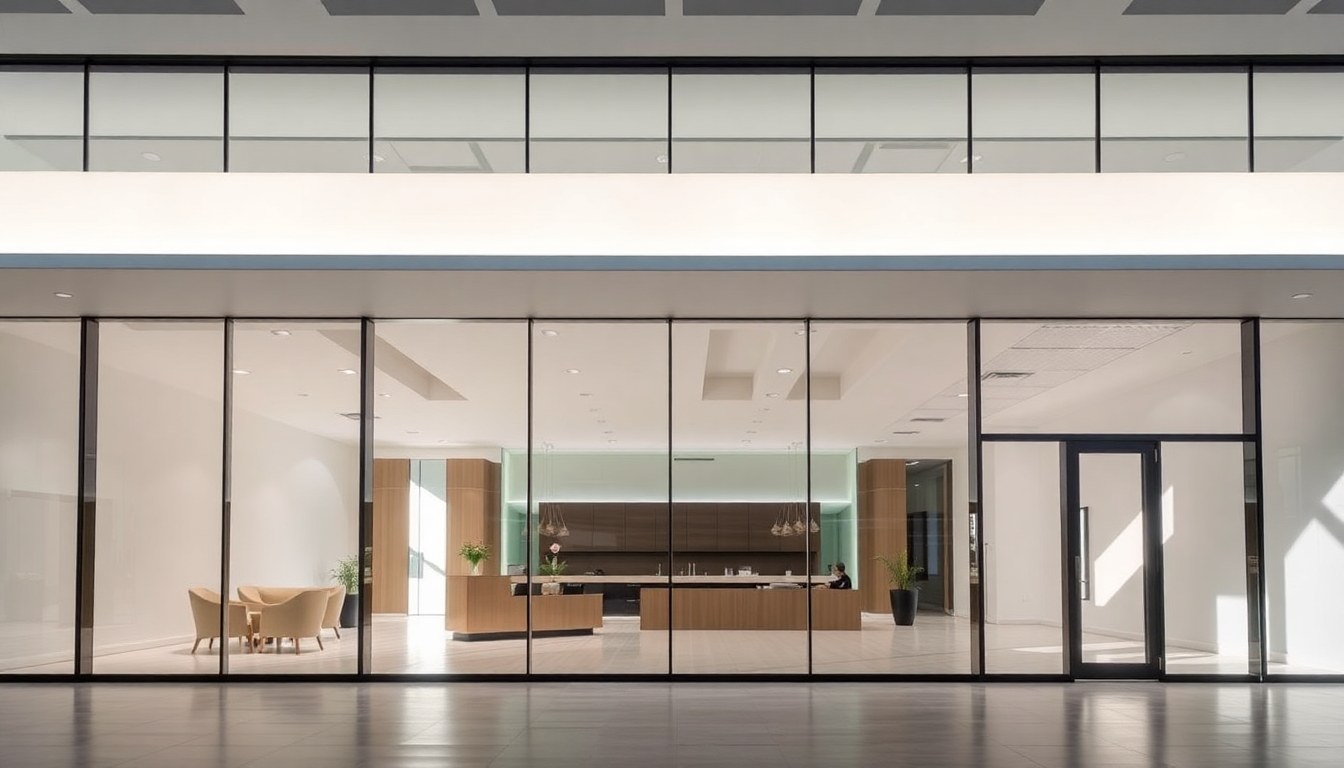
Your shopfront glass is often the first line of defense against break-ins, accidents, and noise pollution. Both laminated and toughened glass offer distinct security advantages, but they work in fundamentally different ways. Understanding which solution fits your retail business—whether you operate in Mumbai, Delhi, Bangalore, or smaller metros—will help you invest wisely in long-term protection and customer safety.
Understanding the Basics: How Each Glass Type Works
Toughened glass, also called tempered glass, is created by heating ordinary glass to around 650°C and then rapidly cooling it. This process creates internal stress that makes the glass much harder and more resistant to impact. When toughened glass does break, it shatters into small, relatively harmless granules rather than sharp shards, which is why it's often called "safety glass."
Laminated glass, by contrast, consists of two or more panes of glass bonded together with a transparent plastic interlayer, typically polyvinyl butyral (PVB). When laminated glass breaks, the interlayer holds the pieces together, preventing them from scattering. This creates a spiderweb pattern of cracks rather than a complete breach, making it much harder for intruders to gain entry.
Break Resistance: Which Glass Stops Intruders Better?
For shopfront security against forced entry, laminated glass has a clear advantage. Even if an intruder breaks through the outer pane, the plastic interlayer keeps the glass intact and bonded together. Multiple strikes are needed to create an opening large enough to climb through, which takes time and makes noise—both factors that deter burglars.
Toughened glass, while more impact-resistant than regular glass, can still shatter completely under sustained or focused force. Once it breaks, there's nothing holding the pieces together, giving intruders immediate access. However, toughened glass is excellent for high-traffic areas where accidental impacts from customers or merchandise are common, as it won't produce dangerous sharp fragments.
- Laminated glass: Holds together after breaking; requires multiple impacts; delays entry significantly
- Toughened glass: Resists initial impact better; shatters safely but doesn't prevent access
Sound Dampening and Noise Control
Retail storefronts in busy Indian markets—from Connaught Place in Delhi to Fort in Mumbai—face constant street noise. Laminated glass excels at sound insulation because the plastic interlayer absorbs and dissipates sound waves. Depending on the thickness and interlayer material, laminated glass can reduce external noise by 30-50 decibels, creating a quieter shopping environment for customers.
Toughened glass offers minimal sound dampening. It's a solid pane of glass with no built-in acoustic properties, so noise travels through it much as it would through standard glass. If noise control is important for your shopfront—whether from traffic, construction, or street vendors—laminated glass is the better choice.
Real-World Impact on Customer Experience
Retailers in high-traffic zones report that laminated glass shopfronts create noticeably quieter interiors, allowing staff to hear customers better and reducing fatigue from constant noise exposure. This subtle improvement can enhance the shopping experience and even influence customer dwell time.
Cost Comparison Across Indian Markets
Pricing varies significantly based on location, thickness, and supplier. As of 2024, here's what you can expect across major Indian cities:
Laminated Glass Pricing
- 6mm (single layer equivalent): ₹400–600 per square foot
- 10mm (dual-layer): ₹700–1,100 per square foot
- 12mm (premium security): ₹1,000–1,500 per square foot
Laminated glass is more expensive upfront, but the cost reflects superior security and sound control. Installation is also more specialized and typically costs 20-30% more than toughened glass due to the precision required to avoid damaging the interlayer.
Toughened Glass Pricing
- 6mm: ₹250–400 per square foot
- 8mm: ₹350–550 per square foot
- 10mm: ₹450–700 per square foot
Toughened glass is more budget-friendly and installation is straightforward, making it attractive for startups or smaller retail operations. However, if your shopfront is ever broken into, the cost of replacement and potential inventory loss may exceed the initial savings.
Long-Term Value Consideration
While toughened glass costs less upfront, laminated glass often delivers better value over 10-15 years when you factor in reduced insurance premiums (many insurers offer 10-15% discounts for laminated shopfronts), lower break-in losses, and fewer replacements due to accidental damage in busy retail environments.
Security Features and Break-In Prevention
Laminated glass is specifically designed to resist forced entry. The plastic interlayer can be engineered with varying thickness and materials to create different security levels. High-security laminated glass can withstand sledgehammer blows and sustained impact from crowbars, making it the preferred choice for jewelry stores, electronics retailers, and high-value merchandise shops across Indian cities.
Toughened glass is not designed for security against deliberate break-ins. Its primary benefit is safety—preventing injury from accidental breakage. For retail environments where theft risk is low but customer safety is paramount (such as children's clothing stores or food courts), toughened glass is adequate.
Insurance and Compliance
Many insurance companies specifically recommend or require laminated glass for storefronts in high-crime areas. Before choosing, consult your insurer about which glass type qualifies for the best premium rates in your specific location. Compliance with local building codes also varies—some municipalities in metros like Bangalore and Hyderabad have specific requirements for retail frontages in certain zones.
Which Should You Choose for Your Shopfront?
Your choice depends on three key factors: your location, the nature of your merchandise, and your budget.
Choose Laminated Glass If:
- Your shopfront is in a high-crime area or a busy, crowded market
- You sell high-value items (jewelry, electronics, cosmetics)
- Noise reduction is important for customer experience
- You want maximum insurance coverage and lowest premiums
- You're willing to invest more upfront for long-term security
Choose Toughened Glass If:
- Your shopfront is in a relatively safe neighborhood
- You sell low-value merchandise with low theft appeal
- Budget constraints are significant
- Accidental breakage from customer traffic is your main concern
- You can accept higher replacement costs if break-ins occur
The Hybrid Approach
Some retailers in Indian metros use a combination: laminated glass for the lower portion of the shopfront (where break-ins typically occur) and toughened glass for the upper section. This balances security with cost-effectiveness and is particularly popular among mid-sized retailers in cities like Pune, Ahmedabad, and Jaipur.
Installation and Maintenance Considerations
Laminated glass requires specialized installation to prevent interlayer damage, which can compromise its security properties. Always hire certified installers with experience in security glass. The installation process is slower and more expensive, but it's a one-time investment.
Toughened glass installation is simpler and faster, but once installed, it cannot be cut, drilled, or modified without losing its temper. If you need to add signage or fixtures after installation, you'll face complications. Laminated glass, while harder to install initially, offers more flexibility for future modifications.
Both types require regular cleaning with mild soap and water. Avoid abrasive cleaners that can scratch the surface. Laminated glass may show slight discoloration at the edges where the interlayer is visible—this is normal and doesn't affect performance.
Frequently Asked Questions
Can laminated glass be broken by a determined burglar?
Yes, but it takes significantly more time, effort, and noise than breaking toughened glass. High-security laminated glass with thicker interlayers (12mm or more) can resist prolonged attacks, making break-ins impractical. Most burglars target easier opportunities, so laminated glass acts as a strong deterrent.
Is toughened glass safe if it breaks?
Yes, toughened glass is designed to shatter into small, granular pieces rather than sharp shards, making it safer for customers and staff. However, this safety feature doesn't prevent entry during a break-in, which is why it's not recommended for high-security applications.
How long do laminated and toughened glass last?
Both types can last 15-20 years or longer if properly maintained. Laminated glass may need interlayer replacement after 15-20 years in extreme weather conditions, while toughened glass typically lasts the lifetime of the building. The interlayer in laminated glass can degrade over time due to UV exposure, though quality products are designed to resist this.
Will my insurance premium decrease with laminated glass?
Most insurance companies offer discounts of 10-15% for storefronts with laminated security glass, especially in high-risk areas. Contact your insurer for specific rates in your location and building type. The insurance savings can offset the higher installation cost within 5-7 years.
Can I retrofit my existing shopfront with laminated glass?
Yes, but it's more expensive and disruptive than installing it initially. You'll need to remove existing frames and install new ones designed for the heavier laminated glass. In many cases, retrofitting costs 30-40% more than new installation. It's worth considering if your shopfront has experienced break-ins or if your merchandise value has increased.
Final Thoughts: Making the Right Investment
Laminated glass offers superior security and sound control, making it the ideal choice for most retail storefronts across Indian cities, especially in high-traffic or high-crime areas. Toughened glass is a budget-friendly alternative for low-risk environments where accidental safety is the primary concern. Whatever you choose, prioritize quality installation from certified professionals and regular maintenance to ensure your investment protects your business for years to come.
Ready to upgrade your shopfront security? Explore verified glass suppliers, installers, and security specialists in your area through the Glassy.in directory. Connect with trusted vendors who understand your local market and can recommend the best glass solution for your retail business.