
Buying Guides
Laminated Glass vs Toughened Glass: Safety Comparison for Homes
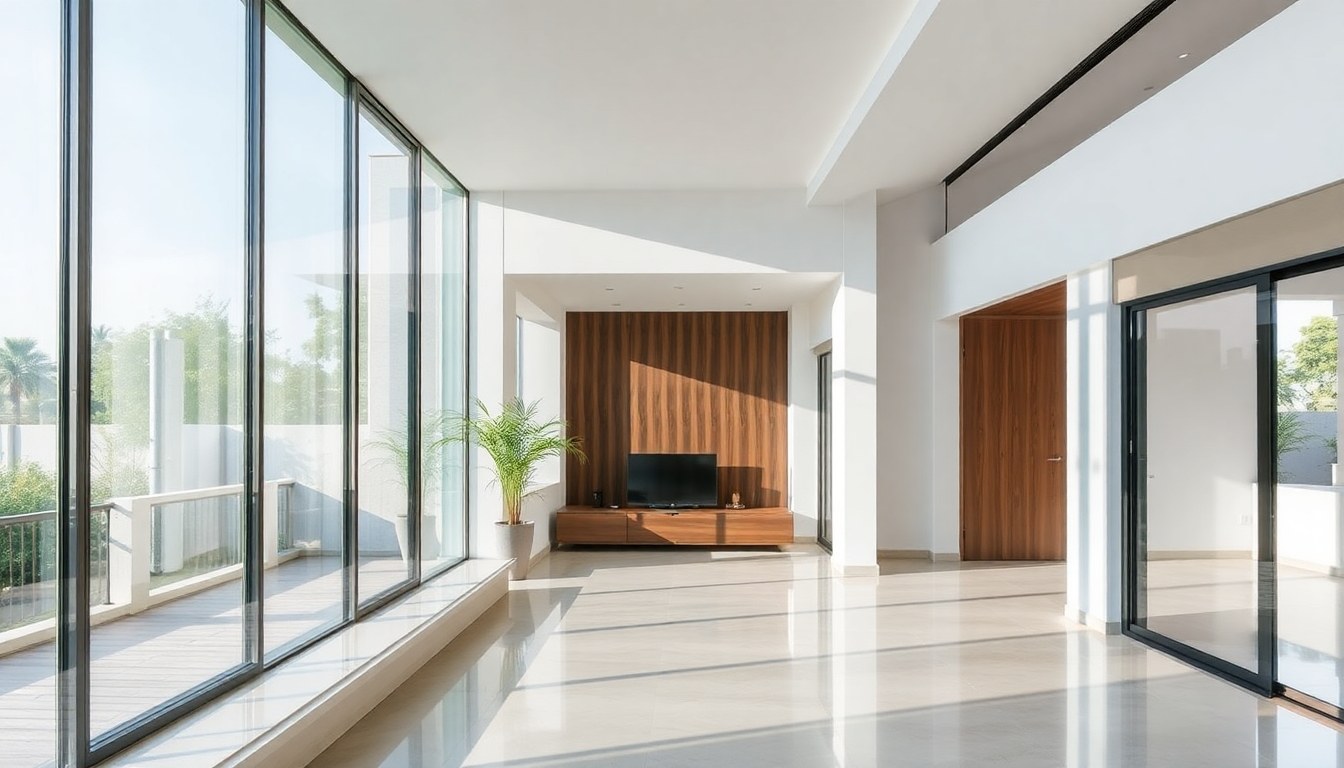
When securing your home against accidents, weather, and intruders, the type of glass you choose matters far more than most homeowners realize. Laminated and toughened glass are the two most trusted safety glass options in India, yet they work in completely different ways—and excel in different situations. Understanding their distinct safety profiles will help you protect your family and property with confidence.
How Toughened Glass Works and Why It's Safer
Toughened glass, also called tempered glass, undergoes a specialized heating and rapid cooling process that compresses the outer surface while leaving the inner core in tension. This internal stress distribution makes toughened glass roughly four to five times stronger than regular annealed glass of the same thickness. When it does break—whether from impact, thermal shock, or stress—it shatters into small, relatively harmless granules rather than sharp shards.
This breakage pattern is toughened glass's greatest safety advantage. The small, pebble-like fragments are far less likely to cause deep lacerations or serious injuries compared to the large, jagged pieces produced when standard glass breaks. For this reason, toughened glass is mandatory in bathrooms, shower enclosures, and frameless glass doors across India, as per building codes. The granular breakage also means less cleanup and lower risk of hidden glass fragments.
Toughened Glass Safety Benefits
- Breaks into small, blunt granules that rarely cause serious cuts
- Four to five times stronger than ordinary glass
- Resists thermal shock better than laminated glass
- Ideal for high-impact areas like bathrooms and kitchens
- Approved by Indian Standards (IS 2553) for safety applications
How Laminated Glass Works and Its Safety Advantages
Laminated glass consists of two or more glass panes bonded together with an interlayer of polyvinyl butyral (PVB) or similar resin. When laminated glass breaks, the interlayer holds the glass fragments in place, preventing them from scattering or falling. The glass may crack or shatter, but it stays largely intact—similar to a car windshield after an accident.
This "stay-put" characteristic makes laminated glass exceptionally valuable for security and protection against forced entry. Even if an intruder strikes the glass repeatedly, the fragments remain adhered to the interlayer, making it extremely difficult to create an opening. Laminated glass also provides sound insulation, reducing external noise by 30–50%, and offers UV protection by blocking up to 99% of harmful ultraviolet rays. These qualities make it ideal for ground-floor windows, doors, and noise-sensitive areas.
Laminated Glass Safety Benefits
- Fragments stay bonded to the interlayer; glass doesn't scatter
- Provides superior protection against break-ins and burglary
- Reduces noise transmission significantly
- Blocks 99% of UV rays, protecting furnishings and skin
- Safer in earthquake-prone regions—fragments won't fall
- Complies with IS 2553 for security-critical applications
Breakage Patterns: The Key Difference
The way glass breaks is perhaps the most important distinction between these two safety options. Toughened glass is designed to fail catastrophically—when the internal stress exceeds its limits, the entire pane shatters into thousands of small, dull granules in a fraction of a second. This sudden, complete failure is actually a safety feature because the granules are far less likely to cause injury than traditional glass shards.
Laminated glass, by contrast, fails gracefully. When struck or damaged, it cracks but holds together, much like a damaged car windshield. The PVB interlayer acts as an adhesive, keeping fragments in place even after multiple impacts. This makes laminated glass slower to fail but far more resistant to penetration. In security scenarios, this is a decisive advantage—an intruder cannot easily enlarge the hole to gain entry.
For accidental impacts (a child running into a glass door, or a falling object), toughened glass is generally safer because it won't create a gaping hole. For intentional attacks or forced entry attempts, laminated glass is superior because it resists penetration and maintains its barrier function even after damage.
Best Applications for Each Glass Type in Indian Homes
Where to Use Toughened Glass
Toughened glass is the right choice for wet areas and high-impact zones. Bathrooms, shower enclosures, and kitchen backsplashes benefit from toughened glass because of its thermal resistance and the safe granular breakage pattern. If a child accidentally strikes a toughened glass shower door, the glass will shatter into harmless granules rather than dangerous shards. Toughened glass is also ideal for interior partitions, glass railings on staircases, and balcony railings, where thermal shock from temperature changes is common.
In Mumbai, Delhi, Bangalore, and other major Indian cities, building codes mandate toughened glass for all bathroom and wet-area applications. The cost is moderate (₹150–300 per square foot depending on thickness), and the safety benefits are well-established.
Where to Use Laminated Glass
Laminated glass excels in security-sensitive applications and areas exposed to weather. Ground-floor windows, entry doors, and sliding glass doors benefit tremendously from laminated glass because it resists break-ins and maintains its structural integrity after impact. If you live in a high-crime neighborhood or in a ground-floor apartment, laminated glass is the stronger choice for protection.
Laminated glass is also superior for noise reduction. If your home is near a busy road, airport, or railway line, laminated glass can reduce external noise by 30–50%, creating a quieter indoor environment. Additionally, laminated glass blocks UV rays, making it ideal for windows facing direct sunlight—it prevents fading of furniture, curtains, and artwork while reducing heat gain. Laminated glass costs more (₹250–500 per square foot) but offers superior security and comfort benefits.
Safety Ratings and Indian Standards Compliance
Both laminated and toughened glass are governed by Indian Standards (IS 2553: 2017), which specifies safety requirements for glass in buildings. IS 2553 classifies safety glass into categories based on impact resistance, breakage pattern, and intended use. Both glass types meet these standards, but they excel in different categories.
Toughened glass must meet IS 2553 requirements for thermal stress resistance and impact strength. Manufacturers conduct impact tests using a steel ball dropped from a specified height. Toughened glass must withstand the impact without breaking, or break into granules that don't create sharp edges. Laminated glass is tested for penetration resistance—the interlayer must resist perforation even after the glass fractures.
When purchasing glass for your home, always verify that the product carries an ISI (Indian Standards Institution) mark and a certificate of compliance. Reputable glass suppliers in major cities provide documentation of their testing and certifications. Avoid unmarked or uncertified glass, which may not meet safety standards and could pose serious risks.
Cost Comparison and Long-Term Value
Toughened glass is generally more affordable than laminated glass. A standard 6mm toughened glass panel costs approximately ₹150–250 per square foot, while laminated glass of comparable thickness ranges from ₹250–500 per square foot. The price difference reflects the additional manufacturing complexity and the PVB interlayer material used in laminated glass.
However, the lower upfront cost of toughened glass doesn't always mean better value. If you need security, noise reduction, or UV protection, the additional investment in laminated glass pays dividends over time. Laminated glass reduces energy costs by minimizing heat gain, extends the life of furnishings by blocking UV rays, and provides intangible peace of mind regarding home security. For most homeowners, a hybrid approach—using toughened glass in bathrooms and interior areas, and laminated glass for ground-floor windows and entry doors—offers the best balance of safety, comfort, and cost.
Frequently Asked Questions
Can toughened glass be cut or modified after manufacturing?
No, toughened glass cannot be cut, drilled, or modified after the tempering process. Any attempt to cut or drill toughened glass will cause it to shatter immediately into granules. If you need custom sizes or shapes, you must order toughened glass cut to size from the manufacturer before tempering. This is one reason why planning your glass specifications carefully before ordering is essential.
Is laminated glass more expensive to replace if it breaks?
Yes, laminated glass is more expensive to replace—both because the material itself costs more and because the interlayer adds manufacturing complexity. However, laminated glass is far less likely to break than toughened glass under normal household conditions. For ground-floor windows and doors, the reduced likelihood of breakage and the superior security benefits often justify the higher replacement cost.
Which glass is better for earthquake-prone regions?
Laminated glass is superior for earthquake-prone areas. During seismic activity, toughened glass can shatter completely into granules that fall to the ground, potentially injuring people below or creating openings in the building envelope. Laminated glass, by contrast, holds together even after shattering, preventing fragments from falling and maintaining the structural integrity of windows and doors. Many architects in India recommend laminated glass for homes in seismically active zones like parts of Himachal Pradesh, Uttarakhand, and Northeast India.
Can laminated glass provide the same thermal safety as toughened glass?
Laminated glass has lower thermal shock resistance than toughened glass. Sudden temperature changes (such as pouring hot water near a cold laminated glass surface) can cause cracks. For bathrooms and kitchens where thermal stress is common, toughened glass remains the better choice. Laminated glass works well in these areas only if you're careful to avoid rapid temperature changes on the glass surface.
What thickness should I choose for maximum safety?
For safety applications, 6mm to 8mm thickness is standard for both toughened and laminated glass. Thicker glass (10mm or more) provides additional strength and sound insulation but increases cost significantly. For most residential applications, 6mm toughened glass or 6mm laminated glass (with a 0.76mm PVB interlayer) offers an optimal balance of safety, clarity, and cost. Consult with your glass supplier or architect to determine the right thickness for your specific application and local building codes.
Choose the Right Safety Glass for Your Home
Both laminated and toughened glass offer genuine safety benefits—they simply protect against different risks. Toughened glass is your best choice for wet areas and high-impact zones where the granular breakage pattern prevents serious injuries. Laminated glass excels where security, noise reduction, and UV protection matter most. By understanding the strengths of each type, you can make informed decisions that protect your family and property for years to come. Explore the verified glass suppliers and manufacturers in your city through the glassy.in directory to find certified, high-quality safety glass products that meet Indian Standards and your home's specific needs.