
Buying Guides
Tinted Glass vs. Laminated Glass for Car Showroom Frontage
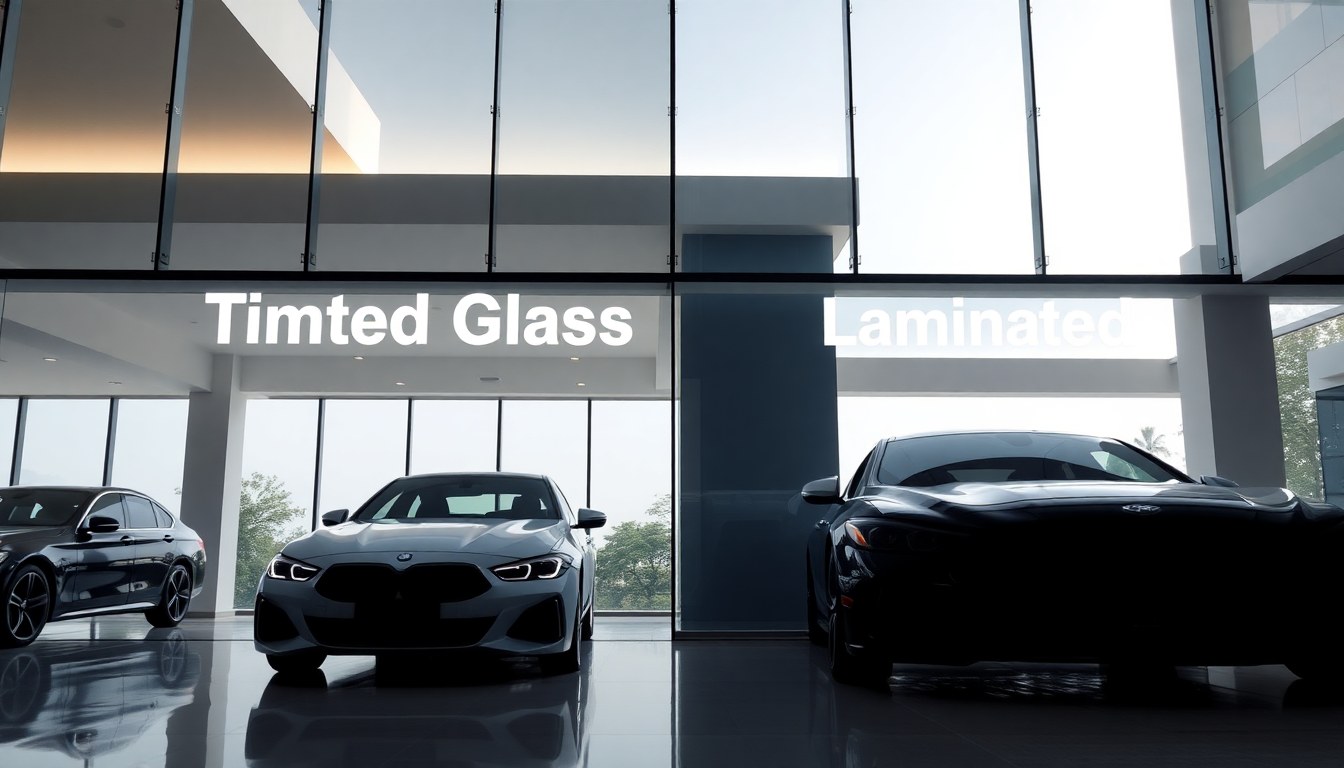
Your car showroom's frontage is the first impression customers have of your business—and the glass you choose directly impacts both the vehicles on display and the customer experience. Tinted and laminated glass each offer distinct advantages for automotive retail environments, from UV protection and safety compliance to aesthetic appeal and product visibility. Understanding the differences between these two options is essential for making an informed decision that aligns with your showroom's operational needs and local building codes.
What is Tinted Glass and How Does It Work?
Tinted glass is manufactured by adding color pigments or metallic oxides during the glass production process, creating a consistent tint throughout the material. The tint reduces light transmission and glare while maintaining reasonable visibility from both inside and outside the showroom. Common tint levels range from 20% to 70% visible light transmission (VLT), with lower percentages offering stronger privacy and heat rejection.
The primary function of tinted glass in a car showroom is heat and UV reduction. By absorbing and reflecting solar radiation, tinted glass can lower interior temperatures by 5–10°C during peak sunlight hours, reducing air-conditioning costs. This is particularly valuable in Indian climates where intense sun exposure can fade vehicle interiors and upholstery over time. The aesthetic benefit is equally important—tinted glass creates a modern, premium appearance that enhances brand perception.
- Visible Light Transmission (VLT): Determines how much light passes through; lower VLT means darker glass and more privacy.
- Solar Heat Gain Coefficient (SHGC): Measures how much solar heat the glass blocks; tinted glass typically reduces SHGC by 20–40%.
- UV Blocking: Standard tinted glass blocks 99% of UV-A and UV-B rays.
- Cost: Generally less expensive than laminated glass, ranging from ₹800–₹1,500 per square meter depending on tint quality.
What is Laminated Glass and How Does It Work?
Laminated glass consists of two or more glass panes bonded together with a polyvinyl butyral (PVB) interlayer. This construction creates a safety-focused product that holds together when broken, preventing sharp fragments from scattering. The interlayer also provides inherent UV protection and sound insulation, making it an excellent choice for high-traffic showroom environments.
In a car showroom context, laminated glass serves a dual purpose: safety compliance and brand protection. If the glass breaks due to impact or accident, the PVB layer keeps the pieces adhered together, reducing injury risk and preventing unauthorized entry. Additionally, the interlayer can be tinted or treated with UV-blocking coatings, allowing you to combine safety with heat and light control. Many showrooms use laminated glass specifically because it meets stringent Indian safety standards and insurance requirements.
- Interlayer Material: PVB is the industry standard; acoustic interlayers are also available for noise reduction.
- Thickness Options: Typically 6.38mm, 8.38mm, or 10.38mm (two 3mm or 4mm panes with interlayer).
- UV Protection: Standard PVB blocks 99% of UV rays; specialized interlayers offer enhanced protection.
- Sound Insulation: Reduces external noise by 30–40%, beneficial for showrooms near busy roads.
- Cost: Higher than standard tinted glass, ranging from ₹1,200–₹2,500 per square meter.
UV Protection and Vehicle Preservation
UV radiation is a primary concern for car showrooms, as prolonged exposure fades paint, cracks leather seats, and damages dashboard materials. Both tinted and laminated glass offer strong UV protection, but they achieve it differently. Tinted glass absorbs UV radiation as light passes through, while laminated glass's PVB interlayer filters UV rays before they reach the interior.
For showrooms displaying high-value vehicles, the choice between these options often comes down to how much visible light you want to allow. Tinted glass can be adjusted to any VLT level, giving you precise control over light entry and product visibility. If you opt for a 40% VLT tint, you'll reduce glare and heat while still showcasing vehicles effectively. Laminated glass, particularly when combined with a tinted interlayer, offers comparable UV protection without the same degree of light reduction, making it ideal if you want maximum product visibility.
Both options significantly extend the lifespan of vehicle interiors, protecting your inventory investment. In Indian showrooms, where outdoor temperatures regularly exceed 40°C, the combined effect of UV blocking and heat reduction can prevent interior degradation that might otherwise reduce resale value.
Safety Codes and Legal Compliance in India
Indian building codes and safety standards strongly favor laminated glass for public-facing commercial frontages. The National Building Code of India (NBC) and Bureau of Indian Standards (BIS) recommend laminated glass for ground-floor retail spaces, particularly where large glass panels are present. This requirement exists because laminated glass prevents injury in case of breakage and deters forced entry, both critical for showrooms displaying valuable inventory.
Tinted glass alone does not meet these safety requirements unless it is laminated. However, you can purchase laminated glass that is also tinted, combining the benefits of both. Many car showrooms in cities like Bangalore, Mumbai, and Delhi now use tinted laminated glass to satisfy both safety codes and aesthetic preferences. Insurance policies for automotive retail often explicitly require laminated glass for frontage, making it a practical necessity rather than an optional upgrade.
Before finalizing your choice, consult with local municipal authorities and your insurance provider. They can clarify specific requirements for your showroom's location and size. Architects and design professionals like Archidose Architects can guide you through compliance requirements during the planning phase.
Product Visibility and Customer Experience
A car showroom's frontage must balance protection with visibility. Customers should be able to see vehicles clearly from the street, which influences purchasing decisions and foot traffic. Tinted glass with a higher VLT (50–70%) allows excellent visibility while still reducing glare and UV exposure. This option is particularly effective in showrooms where the display area receives direct sunlight throughout the day.
Laminated glass, especially without additional tinting, maintains maximum clarity and allows customers to see vehicles in their true colors. This is important for luxury car showrooms where paint finish and interior details are key selling points. If you choose laminated glass without tint, you may need to rely on interior lighting, window displays, and architectural shading to manage heat and UV exposure.
The customer experience also extends to the showroom's overall aesthetic. Tinted glass creates a sleek, modern appearance that conveys premium branding. Laminated glass offers clarity and transparency, which some customers perceive as honest and straightforward. Interior designers like S R Interior Designers often recommend combining laminated glass with strategic interior lighting and display design to maximize visual impact while maintaining compliance.
Cost-Benefit Analysis and Long-Term Value
Initial material cost is a significant factor. Tinted glass is typically 30–40% cheaper than laminated glass of equivalent size and quality. For a 500 square meter showroom frontage, the cost difference could range from ₹2,00,000 to ₹4,00,000. However, this calculation must account for long-term benefits, maintenance, and regulatory compliance.
Laminated glass offers superior durability and lower maintenance costs over 15–20 years. It resists scratching, requires less frequent cleaning, and provides better sound insulation—reducing noise pollution and improving the customer experience. Additionally, if you ever need to upgrade from tinted to laminated glass later, removal and replacement costs will far exceed the initial premium you paid for laminated glass upfront.
From an insurance and liability perspective, laminated glass reduces your risk exposure. Many insurers offer lower premiums for showrooms with laminated frontage, offsetting some of the initial cost difference. For high-value inventory, this protection is invaluable.
Frequently Asked Questions
Can I use tinted glass alone for a car showroom frontage in India?
Tinted glass alone does not meet Indian safety codes for ground-floor commercial frontages. You must use laminated glass, though it can be tinted. Check with your local municipal authority and insurance provider for specific requirements in your area, as regulations vary by state and city.
How much heat does tinted glass actually reduce?
High-quality tinted glass can reduce solar heat gain by 30–50%, depending on the tint level and glass thickness. In Indian climates, this can lower air-conditioning costs by 15–25% during peak summer months. Laminated glass with a tinted interlayer offers similar heat reduction.
Will tinted or laminated glass affect vehicle colors as customers see them?
Tinted glass will slightly alter how colors appear, especially with darker tints (below 40% VLT). Laminated glass without additional tinting maintains true color representation. If color accuracy is critical for your showroom, choose laminated glass or a lighter tint (50–70% VLT).
How often does laminated glass need to be replaced?
High-quality laminated glass can last 15–20 years with minimal maintenance. The PVB interlayer may yellow slightly over decades, but this rarely affects functionality. Regular cleaning and occasional resealing of edges ensure maximum lifespan.
What's the best option for a budget-conscious showroom?
If budget is the primary concern, use laminated glass (which is mandatory anyway) without additional tinting, and rely on interior shading, curtains, or architectural overhangs to manage UV exposure. This meets safety codes at the lowest possible cost while still providing full UV protection through the PVB interlayer.
Make the Right Choice for Your Showroom
Choosing between tinted and laminated glass for your car showroom frontage isn't simply a matter of preference—it's a decision that impacts safety, vehicle preservation, customer experience, and regulatory compliance. Laminated glass is the legally required foundation, and tinting it adds aesthetic and functional benefits without compromising safety. Whether you prioritize maximum visibility, heat reduction, or brand perception, the combination of tinted laminated glass offers the best balance for most automotive retail environments.
Ready to upgrade your showroom's frontage? Browse trusted glass dealers and interior design professionals on glassy.in, India's largest glass-business directory. Connect with certified suppliers like Dimond Glass and CHOICE ART GLASS to get quotes, compare options, and find the perfect glass solution for your showroom today.