
Buying Guides
Frosted Glass vs Acid-Etched Glass: Which Offers Better Privacy for Bathrooms?
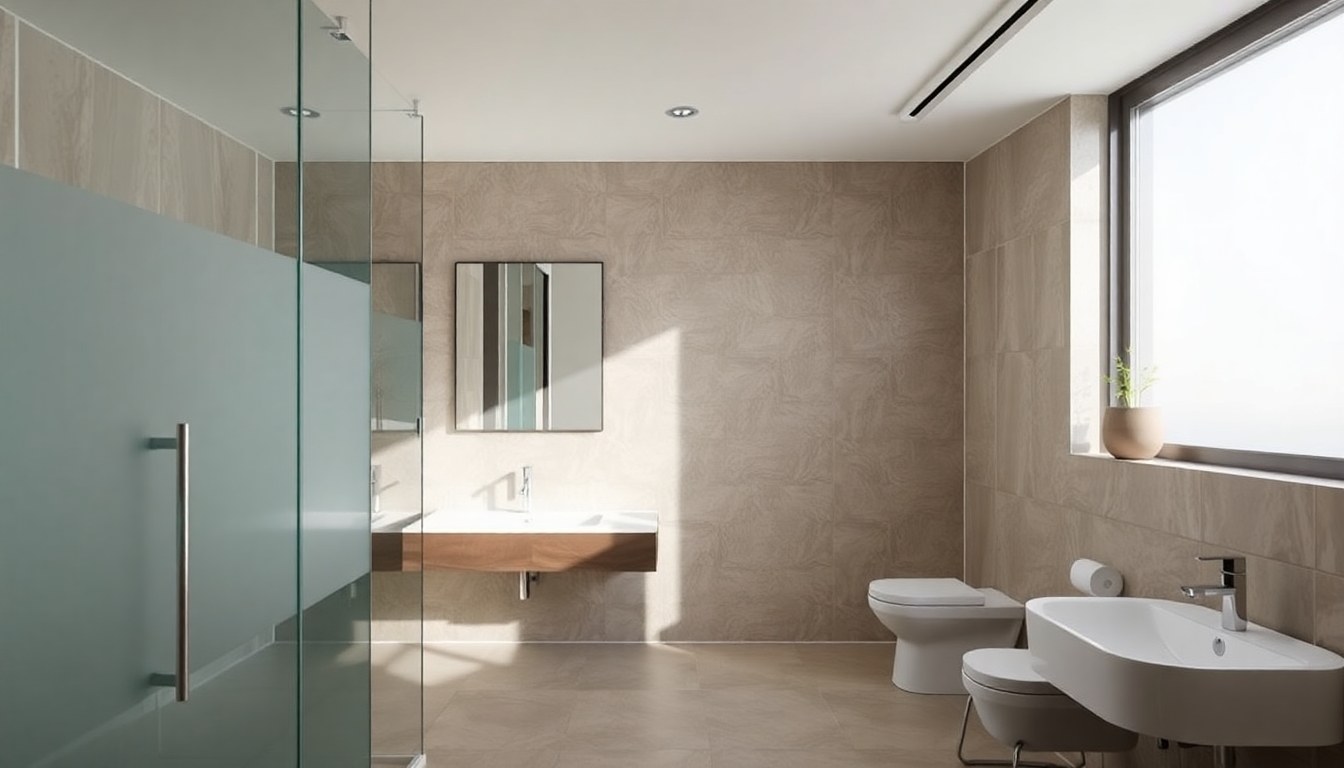
When designing a bathroom with glass partitions or shower enclosures, privacy is paramount. Both frosted glass and acid-etched glass are popular choices that obscure visibility while allowing light to pass through, but they're created using different methods and offer distinct advantages and drawbacks. Understanding the differences between these two options will help you make an informed decision that balances privacy, durability, maintenance requirements, and budget for your bathroom renovation.
Understanding Frosted Glass: Method and Characteristics
Frosted glass is created by sandblasting or acid-etching the surface of clear glass to create a uniform, translucent finish. The sandblasting process involves propelling fine sand particles at high velocity against the glass surface, which scatters light and creates the frosted appearance. This mechanical abrasion removes a thin layer from the glass, creating microscopic pits that diffuse light rather than allowing it to pass straight through.
The frosted finish provides excellent privacy while maintaining a modern, sleek aesthetic. Light still passes through the glass, which is beneficial in bathrooms where natural illumination is limited. The finish is available in varying degrees of opacity—some frosted glass allows faint silhouettes to be visible, while heavier frosting provides near-complete obscurity. Frosted glass is widely available across India, with manufacturers in cities like Bangalore, Delhi, and Mumbai offering competitive pricing and customization options.
Understanding Acid-Etched Glass: Method and Characteristics
Acid-etched glass is produced by applying hydrofluoric acid or similar chemical etching solutions to the glass surface, which chemically dissolves the top layer and creates a frosted appearance. Unlike the mechanical process of sandblasting, acid-etching is a chemical process that achieves a similar visual effect through different means. The result is a smooth, satin-like finish that feels different to the touch compared to sandblasted frosted glass.
Acid-etched glass also provides excellent privacy and light diffusion, making it equally suitable for bathroom applications. The chemical process allows for more precise control over the opacity level and can create more uniform finishes. This method is particularly popular for high-end bathroom installations and is favored by designers seeking a more refined aesthetic. The process leaves the glass surface chemically altered but structurally intact, with no mechanical damage to the material.
Durability and Longevity: Which Lasts Longer?
Durability is a critical factor when choosing bathroom glass, as the humid environment and frequent cleaning can wear on materials over time. Frosted glass created through sandblasting has a slightly textured surface due to microscopic pits, which can trap moisture and soap residue more easily than smoother surfaces. Over time, these trapped particles can lead to discoloration or spotting, particularly in hard-water areas common across many Indian cities.
Acid-etched glass generally offers superior durability in bathroom environments. The chemical etching creates a more uniform surface that is less prone to trapping moisture and contaminants. The glass itself is not weakened by the acid-etching process—the chemical simply alters the surface structure without creating the microscopic damage that sandblasting produces. Acid-etched glass maintains its appearance longer with proper maintenance and resists the buildup of mineral deposits more effectively.
- Frosted glass: Prone to spotting and discoloration in humid bathrooms; surface texture traps debris
- Acid-etched glass: More uniform surface; better resistance to mineral deposits and staining
- Both options: Structurally sound and safe for bathroom use when properly installed
Maintenance and Cleaning Requirements
Bathroom glass requires regular cleaning to maintain clarity and prevent buildup of soap scum, hard-water deposits, and mold. The maintenance demands differ between frosted and acid-etched glass due to their surface characteristics. Frosted glass's textured surface requires more thorough cleaning, as particles can lodge in the microscopic pits created during sandblasting. Standard glass cleaners and soft cloths work, but stubborn deposits may require stronger solutions or scrubbing.
Acid-etched glass is significantly easier to maintain due to its smoother, more uniform surface. Routine cleaning with standard glass cleaner and a soft cloth is usually sufficient to keep acid-etched glass looking pristine. The chemical nature of the etching makes the surface less receptive to mineral buildup, meaning you'll spend less time and effort on maintenance. For homeowners in areas with hard water—common in Delhi, Bangalore, and other Indian cities—acid-etched glass is the more practical choice.
Cleaning Best Practices for Both Types
Regardless of which type you choose, avoid abrasive scrubbers that can damage the frosted or etched finish. Use microfiber cloths, squeegees, and pH-neutral cleaners. For stubborn hard-water stains on frosted glass, white vinegar or commercial hard-water deposit removers can help. Regular cleaning immediately after use prevents buildup and extends the life of the glass.
Cost Comparison: Budget Considerations
Cost is often a deciding factor in bathroom renovations. Frosted glass is generally more affordable than acid-etched glass in India, with prices typically ranging from ₹500 to ₹1,500 per square foot depending on thickness and quality. The sandblasting process is simpler and faster, allowing manufacturers to produce frosted glass at lower costs. This makes frosted glass an attractive option for budget-conscious homeowners.
Acid-etched glass commands a premium price, typically ranging from ₹800 to ₹2,500 per square foot. The chemical etching process requires more specialized equipment and expertise, and the results offer superior durability and easier maintenance that justify the higher cost. When considering the total cost of ownership—including maintenance time and potential replacement costs—acid-etched glass may prove more economical over time, particularly in bathrooms with hard water or frequent use.
- Frosted glass: ₹500–₹1,500 per sq. ft.; lower upfront cost
- Acid-etched glass: ₹800–₹2,500 per sq. ft.; higher initial investment but lower maintenance costs
- Installation costs: Similar for both types; professional installation recommended
Aesthetic and Design Differences
Beyond functionality, the visual appeal of your bathroom glass matters. Frosted glass has a slightly cloudy, diffused appearance with visible texture when examined closely. It creates a more casual, contemporary look that works well in modern bathroom designs. The texture is visible to the touch and can add a tactile element to the space.
Acid-etched glass presents a smoother, more refined aesthetic with a satin-like finish that appears more luxurious. The surface is uniform and feels smooth to the touch, creating a more high-end appearance. Acid-etched glass integrates seamlessly into minimalist, contemporary, and even traditional bathroom designs. If you're aiming for a sophisticated bathroom renovation, acid-etched glass offers superior visual appeal.
Both options provide excellent privacy while maintaining light transmission, making them suitable for bathrooms without windows or those requiring additional privacy screening. The choice between them often comes down to personal preference, budget, and maintenance tolerance.
Frequently Asked Questions
Is frosted glass or acid-etched glass better for bathroom privacy?
Both provide excellent privacy and obscure visibility equally well. The choice depends on other factors like durability, maintenance, and budget. Acid-etched glass offers better long-term durability and easier maintenance, while frosted glass is more budget-friendly initially. Neither option is superior for privacy alone—they perform equally in this regard.
Can you see through frosted or acid-etched glass?
Neither option allows clear visibility, though the degree of opacity can be customized. Both diffuse light and prevent people from seeing distinct shapes or details through the glass. Very light frosting or etching may allow faint silhouettes, while heavier applications provide near-complete obscurity. Discuss your privacy requirements with your glass supplier to achieve the right level.
Which is easier to clean in a hard-water area?
Acid-etched glass is significantly easier to clean in hard-water areas. Its uniform surface resists mineral deposit buildup better than frosted glass, which has microscopic pits that trap hard-water deposits. If you live in an area with hard water—common in many Indian cities—acid-etched glass will require less frequent and less intensive cleaning.
How long do frosted and acid-etched glass last in bathrooms?
Both types are durable and can last 15-20+ years with proper care. Acid-etched glass generally maintains its appearance longer due to better resistance to staining and mineral buildup. Frosted glass may show discoloration sooner, particularly in humid bathrooms with hard water. Proper installation, regular maintenance, and avoiding harsh chemicals extend the lifespan of either option.
Can you repair frosted or acid-etched glass if it gets damaged?
Minor scratches or damage cannot be easily repaired on either type without professional intervention. Small chips or cracks may be sealed with clear epoxy, but this affects appearance. Significant damage typically requires replacing the entire glass panel. Both types are equally susceptible to damage from impact, so proper installation and protective measures are important.
Whether you choose frosted glass for its affordability or acid-etched glass for its durability and elegance, both are excellent options for bathroom privacy. Visit the glassy.in directory to connect with experienced glass suppliers across India who can provide samples, pricing, and professional installation services for your bathroom project.