
Buying Guides
Laminated Glass for Shopfront Security: Burglar-Resistant Design & Cost
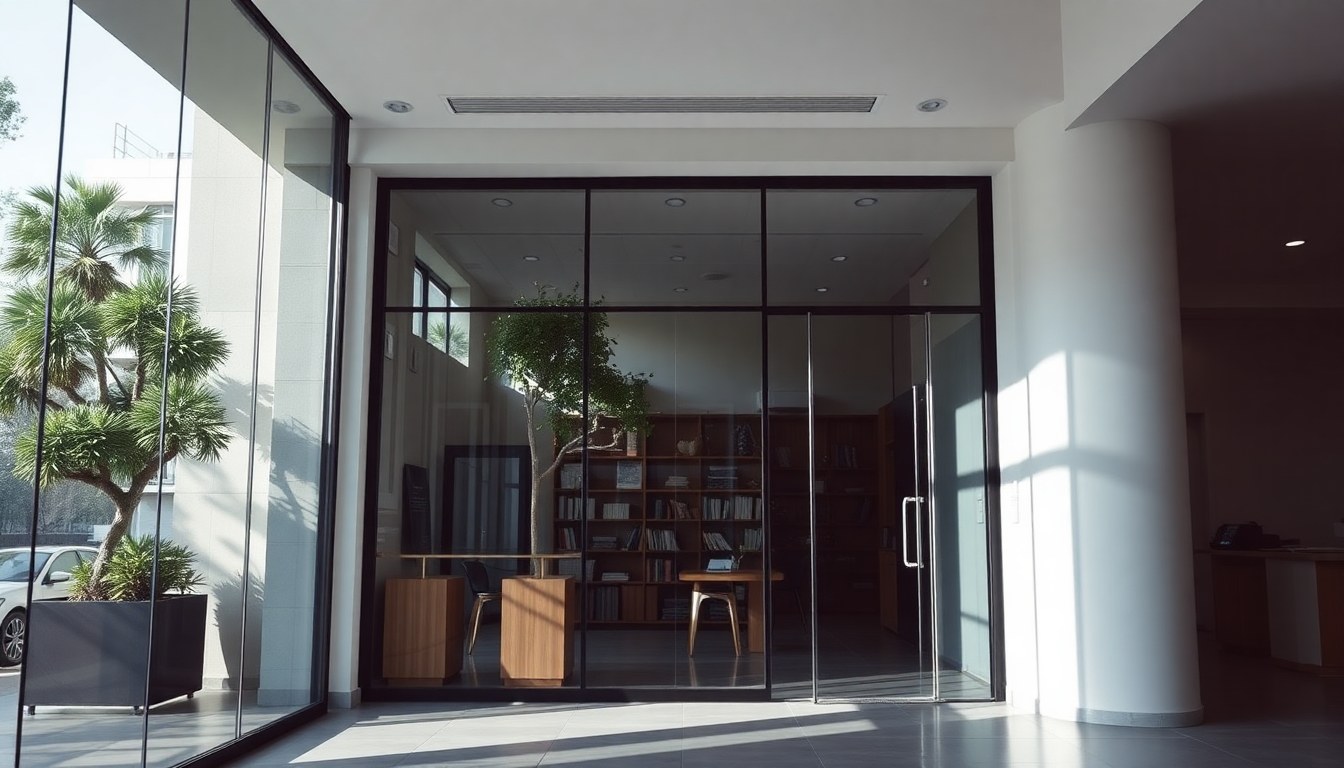
Retail break-ins cost Indian shop owners millions annually, with smash-and-grab thefts targeting jewelry, electronics, and luxury goods in seconds. Laminated glass has become the industry standard for shopfront security because it resists impact, holds together when broken, and buys critical time for alarm systems and police response. In this guide, we'll explore how laminated glass prevents burglaries, what thickness you actually need, installation best practices, and real-world case studies from Indian retailers.
Why Laminated Glass is Essential for Retail Security
Laminated glass consists of two or more panes of glass bonded together with a plastic interlayer—typically polyvinyl butyral (PVB). When a burglar strikes the glass with a hammer or crowbar, the interlayer holds the panes together, preventing the sudden collapse that makes ordinary glass so vulnerable. This critical delay—often 30 seconds to several minutes—gives alarm systems time to trigger, alert authorities, and deter the thief from continuing the break-in attempt.
Unlike tempered glass, which shatters into small cubes when broken, laminated glass cracks but remains bonded. Burglars face a frustrating barrier: they cannot easily punch through, cannot quickly enlarge the opening, and cannot silently remove large shards. The psychological factor matters too—experienced thieves know laminated glass means more risk and less reward, so they often move on to easier targets.
Laminated glass also protects against:
- Forced entry through smash-and-grab attacks
- Accidental impacts and weather-related damage
- UV damage to merchandise on display
- Flying glass shards in case of impact (safety hazard reduction)
Laminated Glass Thickness: What You Actually Need
Standard Thickness Recommendations
The thickness of laminated glass directly affects security level and cost. Indian retailers should understand these options:
- 6mm (2mm + 0.76mm PVB + 2mm): Basic security for low-risk areas; resists minor impacts but offers limited burglar resistance. Cost: ₹300–₹500 per sq. ft.
- 8mm (3mm + 0.76mm PVB + 3mm): Moderate security for small jewelry shops and convenience stores; delays break-ins by 15–30 seconds. Cost: ₹400–₹700 per sq. ft.
- 10mm (5mm + 0.76mm PVB + 5mm): High security for premium jewelry, electronics, and luxury retail; resists sustained attacks. Cost: ₹600–₹1,000 per sq. ft.
- 12mm (6mm + 0.76mm PVB + 6mm) or thicker: Maximum security for high-value merchandise; recommended for gold, diamonds, watches, and designer goods. Cost: ₹800–₹1,500 per sq. ft.
Choosing the Right Thickness for Your Shop
The right thickness depends on three factors: merchandise value, location risk, and budget. A jewelry shop in central Delhi or Mumbai selling items worth ₹10+ lakhs should invest in 10–12mm laminated glass. A general retail store in a quieter neighborhood can often manage with 8mm. Always consult your insurance provider—many require minimum 10mm laminated glass for high-value goods, and using substandard glass may void your coverage.
Remember that thickness alone doesn't guarantee security. The interlayer quality, frame strength, and installation method are equally important. Cheap laminated glass with thin interlayers or poor adhesion fails faster than premium products.
Installation Best Practices for Maximum Security
Even the best laminated glass fails if installed poorly. Proper installation requires:
- Structural Frame: Use steel or aluminum frames, not wood. Wood frames can be pried apart, defeating the laminated glass advantage. Frames should be anchored to the building structure with bolts, not just screws.
- Silicone Sealant: Apply high-quality structural silicone sealant around all edges. Cheap sealants degrade in sunlight and lose adhesive strength, creating gaps burglars can exploit.
- Proper Gasket Installation: Use EPDM or neoprene gaskets to distribute pressure evenly across the glass. Poor gasket installation creates stress points where glass cracks more easily.
- No Gaps or Overlaps: Ensure glass panes fit snugly in the frame with consistent spacing. Uneven gaps allow tools to be inserted and leverage applied.
- Professional Installation: Hire certified glaziers experienced in security installations. DIY or low-cost installations often compromise safety.
After installation, inspect the frame monthly for cracks, sealant deterioration, or loose bolts. In monsoon seasons (June–September in most of India), check for water ingress, which weakens the interlayer and compromises security.
Real-World Case Studies from Indian Retail
Case Study 1: Jewelry Shop in Bangalore (High-Value Merchandise)
A jewelry retailer on Brigade Road in Bangalore experienced a break-in attempt in 2022. The shop had recently upgraded from ordinary tempered glass to 12mm laminated glass after an insurance assessment. During a smash-and-grab attempt, the burglar struck the window with a sledgehammer three times. The laminated glass cracked but held together, and the alarm triggered within 15 seconds. Police arrived within 8 minutes, catching the suspect before he could enlarge the opening. The shop owner reported that the laminated glass upgrade cost ₹85,000 but saved an estimated ₹12+ lakhs in prevented theft and avoided insurance claim complications.
Case Study 2: Electronics Retail Chain in Mumbai (Multiple Locations)
A mid-sized electronics retailer with five stores in Mumbai converted all shopfronts to 10mm laminated glass after a coordinated break-in spree in 2021 that targeted three of their locations. Total investment: ₹3.5 lakhs across all stores. In the following year, attempted break-ins dropped by 70% (from 8 attempts to 2), and both subsequent attempts failed. The retailer's insurance premiums decreased by 12%, partially offsetting the installation cost. They now recommend 10mm laminated glass as standard for all electronics retailers in high-density urban areas.
Case Study 3: Small Convenience Store in Delhi (Budget-Conscious Approach)
A small convenience store in South Delhi with limited budget opted for 8mm laminated glass on the main shopfront and reinforced steel grilles on side windows. Total cost: ₹45,000. While not as secure as 12mm glass, the combination of 8mm laminated glass plus visible security measures (CCTV, alarm box signage) successfully deterred break-in attempts. The store owner noted that burglars often target shops with obvious security gaps; a visible combination of measures is sometimes more effective than a single high-cost solution.
Cost Analysis and Return on Investment
Laminated glass shopfront security involves upfront costs, but the ROI is often clear within 2–3 years through prevented losses and reduced insurance premiums.
Typical Cost Breakdown (for a 10 sq. ft. shopfront):
- 10mm laminated glass: ₹6,000–₹10,000
- Steel frame and installation: ₹15,000–₹25,000
- Silicone sealant and gaskets: ₹2,000–₹4,000
- Total: ₹23,000–₹39,000
For a typical jewelry or electronics shop, this investment prevents even a single break-in. Insurance premium reductions (typically 5–15% for laminated glass) recover costs within 3–5 years. More importantly, the peace of mind and reduced operational disruption are invaluable for small business owners.
Compare this to the cost of a single successful break-in: merchandise loss (₹1–₹10+ lakhs), glass replacement (₹5,000–₹15,000), alarm system repair, police reports, insurance deductibles, and lost business during closure. Laminated glass is almost always the smarter investment.
Complementary Security Measures
Laminated glass is most effective as part of a layered security strategy. Consider combining it with:
- Security Grilles or Shutters: Visible grilles deter break-ins and provide additional protection. Motorized shutters offer convenience and can be deployed after closing.
- CCTV Cameras: Visible cameras and signage deter burglars. Ensure cameras cover entry points and are monitored or cloud-recorded.
- Alarm Systems: Silent alarms alert authorities without warning the burglar. Loud alarms can scare off opportunistic thieves.
- Lighting: Well-lit storefronts are less attractive to burglars. Motion-activated lights increase visibility during night hours.
- Display Management: Avoid leaving high-value items in the window overnight. Rotate displays and use opaque backing to limit visibility of inventory.
Frequently Asked Questions
How long does laminated glass take to break through?
A burglar with hand tools (hammer, crowbar) typically requires 30 seconds to 2 minutes to break through 8mm laminated glass, and 2–5 minutes for 10–12mm glass. With power tools, times decrease significantly, but the noise and time required often exceed a burglar's risk tolerance. Most break-in attempts are abandoned within 60 seconds if the glass doesn't yield quickly.
Does laminated glass prevent all break-ins?
No security measure is 100% foolproof, but laminated glass combined with other measures (alarms, grilles, cameras) prevents 85–95% of opportunistic break-ins. Determined, professional burglars with specialized equipment may eventually breach laminated glass, but they typically target easier victims. The goal is to make your shop a harder target than others nearby.
Can laminated glass be repaired if cracked?
Minor cracks in the outer pane can sometimes be filled with resin, but once the interlayer is damaged, the glass should be replaced. Repairing a cracked laminated pane is usually more expensive than replacing it entirely, so replacement is the standard approach.
Is laminated glass more expensive than tempered glass?
Yes, laminated glass costs 30–50% more than tempered glass. However, the superior security, UV protection, and interlayer durability justify the cost for retail applications. Tempered glass is better for safety (bathrooms, partitions) but offers minimal security benefit.
How often should I inspect my laminated glass shopfront?
Inspect monthly for visible cracks, sealant deterioration, or loose frame bolts. After extreme weather (heavy rain, hail, strong winds), conduct an immediate inspection. Professional inspections annually or every two years are recommended, especially in high-risk areas.
Protect Your Retail Business Today
Laminated glass shopfront security is a proven, cost-effective investment that protects your merchandise, staff, and peace of mind. Whether you operate a jewelry store, electronics shop, or high-value retail business, upgrading to laminated glass should be a priority. Find certified glaziers and security specialists in your area through the Glassy.in directory—India's largest glass business platform—to get quotes, compare options, and connect with experienced installers who understand retail security requirements.