
Buying Guides
Skylights with IGU Glass: Natural Light Without Heat Loss in Monsoon
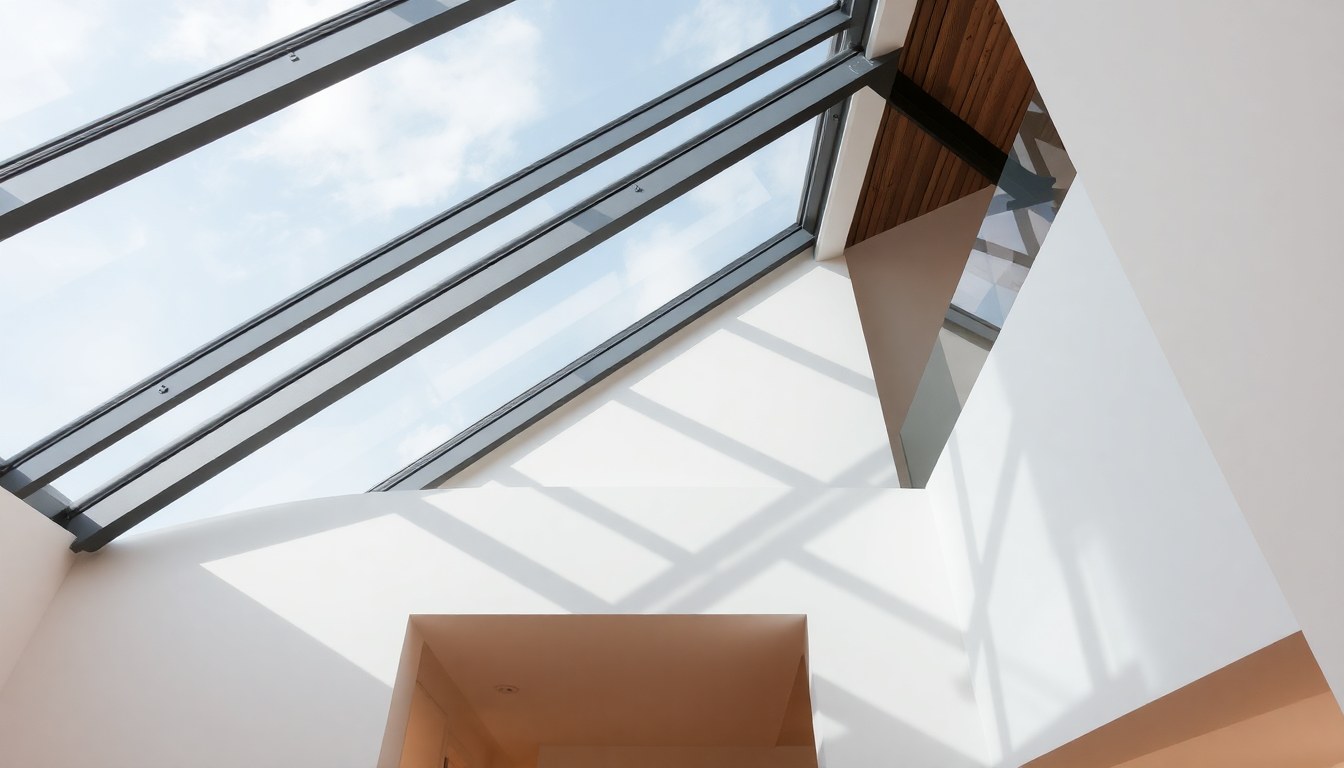
During India's monsoon season, homeowners face a tough choice: enjoy natural light through skylights or battle condensation, heat loss, and potential water damage. Insulated Glazing Units (IGU) solve this dilemma by combining two or more glass panes with a sealed air gap that traps thermal resistance while blocking moisture. If you're considering skylights for your home or office, understanding how IGU technology performs in humid, rainy conditions is essential to making an investment that lasts decades without regret.
What Are IGU Skylights and Why They Matter in Monsoon
IGU skylights consist of two or more panes of glass separated by a spacer bar and sealed with desiccant material. The air gap between panes—typically 6mm to 12mm—acts as an insulator, reducing heat transfer and condensation formation. Unlike single-pane skylights that sweat and leak during monsoon, IGU units maintain a stable internal temperature that prevents moisture buildup on the inner surface.
In India's tropical and subtropical climates, where humidity levels can exceed 80% during the rainy season, this thermal buffering becomes critical. The outer pane absorbs external temperature and moisture, while the inner pane remains closer to room temperature. This temperature differential prevents condensation from forming on the indoor surface—the main complaint homeowners have about traditional skylights.
Single vs. Double vs. Triple Glazing
Single-pane skylights offer no insulation; they transmit external temperatures directly indoors and condense rapidly when warm, humid air meets cold glass. Double-glazed (IGU) skylights provide a middle ground: excellent thermal performance and condensation control at reasonable cost. Triple-glazed units (three panes, two air gaps) offer maximum insulation but are heavier, more expensive, and rarely necessary in Indian climates except for specialized applications.
- Single pane: No thermal break; high condensation risk; poor energy efficiency.
- Double-glazed (IGU): One air gap; excellent condensation prevention; standard choice for monsoon regions.
- Triple-glazed: Two air gaps; maximum insulation; overkill for most Indian homes; higher weight and cost.
How IGU Glass Prevents Condensation During Monsoon
Condensation occurs when warm, moisture-laden air contacts a cold surface. In monsoon, external air is both warm and humid, while interior air-conditioned spaces are cool. A single-pane skylight becomes a cold surface on which moisture condenses, dripping into your living space and damaging furniture, ceilings, and walls.
IGU skylights break this cycle by insulating the inner pane. The air gap acts as a thermal buffer, keeping the inner pane warmer than it would be in a single-pane system. When the inner pane temperature stays above the dew point of indoor air, condensation cannot form. Modern IGU units use low-emissivity (Low-E) coatings that further reduce heat transfer and improve thermal performance.
The Role of Desiccant and Sealing
The spacer bar that holds the two panes apart contains desiccant material—typically silica gel or molecular sieve—that absorbs any moisture that enters the sealed space. A high-quality primary and secondary seal (usually polyisobutylene and polysulfide or silicone) prevents moisture infiltration. Over time, seals can degrade, allowing moisture into the cavity; choosing reputable manufacturers and proper installation minimizes this risk.
Thermal Efficiency and Energy Savings
IGU skylights reduce heating and cooling loads, lowering electricity bills year-round. During monsoon, when outdoor temperatures are moderate but humidity is high, IGU units minimize the need for dehumidifiers. In summer, they block solar heat gain when fitted with reflective or tinted coatings. In winter (relevant in northern and hilly regions), they retain indoor heat.
The U-value (heat transfer coefficient) of a double-glazed unit is typically 1.4–2.0 W/m²K, compared to 5.0–6.0 W/m²K for single pane. Lower U-values mean better insulation. For Indian climates, a U-value around 1.6–1.8 W/m²K is ideal for skylights.
Solar Heat Gain and Monsoon Comfort
While monsoon brings cloud cover and reduced solar radiation, skylights with high Solar Heat Gain Coefficient (SHGC) can still contribute unwanted heat on clear days. IGU units with Low-E coatings reduce SHGC to 0.25–0.40, allowing natural light while minimizing heat absorption. This is especially valuable in south-facing skylights in central and northern India.
Installation Best Practices for Monsoon Regions
Even the best IGU skylight fails if installed poorly. Proper flashing, slope, and drainage are non-negotiable in monsoon-prone areas. Water must be directed away from the skylight frame and roof structure, not trapped or allowed to seep around the edges.
Key Installation Steps
- Roof slope: Ensure the skylight is installed on a sloped roof (minimum 15°) to allow water runoff. Flat roofs are high-risk for leaks.
- Flashing: Use aluminum or stainless-steel flashing that extends under roof tiles or shingles. Seal all joints with high-quality silicone sealant rated for outdoor use.
- Drainage: Install a secondary drain pan beneath the skylight frame to catch any water that penetrates the primary seal. Connect it to a drain pipe that leads away from the building.
- Ventilation: Ensure adequate roof ventilation to prevent moisture accumulation in attic or cavity spaces above the skylight.
- Professional installation: Hire experienced installers familiar with local monsoon conditions. Poor installation voids warranties and causes costly damage.
Choosing the Right Professional
Architects and glass specialists who understand local climate challenges are invaluable. Firms like Advaith Consultants and StudioPHI Architects bring expertise in designing and specifying glazing systems for Indian weather conditions. Similarly, glass dealers such as ZUBIA GLASS WORK can source quality IGU units and coordinate installation.
Maintenance and Durability
IGU skylights require minimal maintenance compared to single-pane alternatives. Annual inspections—especially before and after monsoon—should check for seal integrity, dirt accumulation, and water stains. Clean the exterior and interior surfaces with soft, non-abrasive cloths to maintain clarity and allow maximum light transmission.
If condensation appears inside the sealed cavity (between the two panes), the seal has failed and the unit should be replaced. This is rare with quality units but more common in cheaper, poorly manufactured IGUs. Investing in reputable brands with long warranties (10–25 years) is wise.
Warranty and Lifespan
Quality IGU skylights last 25–30 years or more if installed and maintained properly. Warranties typically cover seal failure but not damage from poor installation, extreme weather, or lack of maintenance. Always request warranties in writing and verify the manufacturer's reputation before purchase.
Cost-Benefit Analysis for Indian Homeowners
IGU skylights cost 40–60% more than single-pane units but deliver returns through reduced energy bills, eliminated condensation damage, and improved indoor air quality. A typical double-glazed skylight measuring 1.2m × 1.2m costs ₹8,000–₹15,000 depending on glass type, coating, and frame material. Installation adds another ₹5,000–₹10,000.
In monsoon regions, the avoidance of water damage, mold growth, and dehumidifier costs justifies the investment within 5–10 years. Homes with proper IGU skylights also command higher resale value and appeal to buyers concerned about durability and comfort.
Frequently Asked Questions
Will IGU skylights prevent all condensation during monsoon?
IGU skylights prevent condensation on the inner pane by keeping it warmer than the dew point of indoor air. However, if indoor humidity is extremely high (above 70%) and the skylight is poorly ventilated, some surface condensation may still occur. Proper ventilation, controlled humidity, and quality installation minimize this risk to near-zero levels.
Can I install IGU skylights on a flat roof?
Flat roofs are not ideal for skylights in monsoon regions because water pools and drainage is poor. If you must use a flat roof, ensure the skylight has a raised curb (at least 150mm), excellent flashing, and a secondary drain system. Sloped roofs are always preferable.
How much can IGU skylights reduce my electricity bills?
Energy savings depend on climate, orientation, and existing insulation. In tropical India, IGU skylights typically reduce cooling costs by 5–15% if they replace single-pane skylights or large windows. Savings are higher in regions with significant heating or cooling demands.
What is the difference between Low-E and regular IGU glass?
Low-E (low-emissivity) coatings are thin metallic layers applied to one pane that reflect infrared radiation, reducing heat transfer. Regular IGU glass has no coating. Low-E coatings improve thermal performance by 10–20% and are recommended for monsoon climates in India, especially in south-facing skylights.
How do I know if my IGU skylight seal has failed?
A failed seal allows moisture to enter the cavity between panes. Signs include visible condensation, frost, or fogging inside the sealed space that doesn't clear when the glass warms. External water seeping around the frame is another red flag. Failed seals cannot be repaired; the unit must be replaced.
Conclusion: Invest in Quality IGU Skylights for Long-Term Comfort
IGU skylights are the smart choice for Indian homes in monsoon-prone regions. They deliver natural light without the condensation, heat loss, and water damage that plague single-pane alternatives. By understanding how IGU technology works, choosing quality products, and ensuring professional installation, you can enjoy bright, dry, comfortable interiors year-round—even during the heaviest rains.
Ready to upgrade your skylights? Browse trusted glass dealers and architects on glassy.in, India's largest glass-business directory. Compare quotes, read reviews, and connect with specialists who understand monsoon challenges in your region.