
Buying Guides
Reflective Glass vs Anti-Reflective Glass: Which Suits Your Storefront?
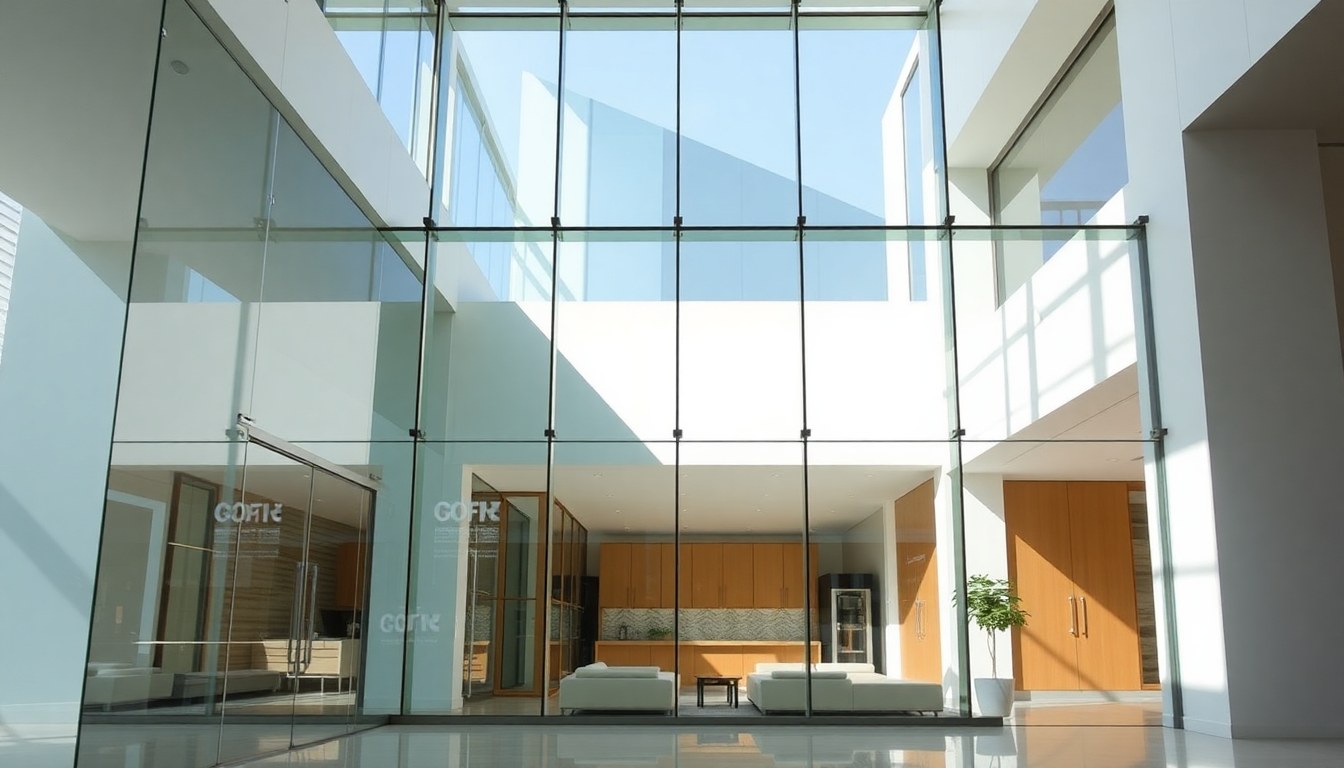
Your storefront's glass is often the first impression customers have of your business. The choice between reflective and anti-reflective glass coatings fundamentally affects visibility, glare control, and the overall shopping experience. Understanding the differences between these two technologies will help you select the coating that aligns with your retail goals and customer expectations.
Understanding Reflective Glass Coatings
Reflective glass features a thin metallic or oxide coating that bounces light away from the surface. This coating is typically applied to the exterior-facing side of the glass, creating a mirror-like effect that reflects the surrounding environment rather than displaying what's inside the storefront.
Reflective coatings work by using layers of materials such as aluminum, gold, or silver to create a reflective barrier. The thickness and composition of these layers determine how much light is reflected and what color the reflection appears. Common types include silver reflective coatings, which offer maximum reflectivity, and bronze or gray tinted reflective coatings, which provide a more subtle appearance while still maintaining privacy.
Key Benefits of Reflective Glass
- Privacy Protection: Reflective glass prevents passersby from easily seeing inside your store, protecting merchandise and customer privacy.
- Heat Reduction: By reflecting sunlight, these coatings reduce solar heat gain, lowering cooling costs in warm climates.
- UV Protection: Reflective coatings block harmful ultraviolet rays, protecting both merchandise and customers from sun damage.
- Energy Efficiency: The reduced heat load means your HVAC system works less, translating to lower energy bills.
Drawbacks of Reflective Glass
The primary limitation of reflective glass is reduced visibility into your storefront. Potential customers cannot easily see your displays, product arrangements, or promotional materials from the street. This can significantly impact foot traffic and impulse purchases, especially for retail businesses that rely on window displays to attract shoppers.
Reflective glass also creates an uninviting appearance during daytime hours, as the storefront appears opaque or mirror-like rather than welcoming. This aesthetic can make your store seem closed or exclusive rather than accessible to the general public.
Understanding Anti-Reflective Glass Coatings
Anti-reflective glass, also called low-reflectance glass, features a specialized coating that minimizes light reflection and maximizes light transmission through the glass. Instead of bouncing light away, anti-reflective coatings allow light to pass through the glass while reducing the glare that normally occurs at glass surfaces.
Anti-reflective coatings work through a process called destructive interference, where multiple thin layers of materials with different refractive indices are applied to the glass. These layers are precisely engineered so that reflected light waves cancel each other out, resulting in minimal reflection and exceptional clarity. The glass appears nearly invisible, offering unobstructed views both into and out of your storefront.
Key Benefits of Anti-Reflective Glass
- Maximum Visibility: Customers can clearly see your products, displays, and store interior from the street, encouraging foot traffic and sales.
- Reduced Glare: The coating minimizes harsh reflections, creating a comfortable viewing experience for customers and reducing eye strain.
- Professional Appearance: Anti-reflective glass creates a clean, modern, and inviting storefront aesthetic that conveys quality and accessibility.
- Better Color Representation: Products are displayed in their true colors without reflection-induced distortion, enhancing their appeal.
- Increased Perceived Value: Clear visibility of high-quality merchandise can positively influence purchasing decisions.
Drawbacks of Anti-Reflective Glass
Anti-reflective coatings offer less privacy than reflective glass, as both the interior and exterior are clearly visible. This may be a concern for certain retail applications where merchandise security or customer privacy is paramount.
The coating also provides minimal heat rejection compared to reflective glass, meaning your cooling costs may be slightly higher in hot climates. Additionally, anti-reflective coatings are more expensive than standard glass, and they require careful maintenance to preserve their optical properties. Fingerprints, dust, and smudges are more visible on anti-reflective surfaces, requiring more frequent cleaning to maintain the professional appearance.
Comparing Performance Metrics
When evaluating reflective versus anti-reflective glass for your storefront, several performance metrics deserve consideration. Light transmission, reflectance, solar heat gain coefficient (SHGC), and aesthetic impact all play roles in determining which coating suits your business best.
Light Transmission and Visibility
Reflective glass typically transmits 10-40% of visible light, depending on the coating intensity. This significantly reduces visibility into your storefront. Anti-reflective glass, by contrast, transmits 99% or more of visible light, providing near-perfect clarity. For retail businesses where window displays drive sales, anti-reflective glass clearly wins in this category.
Solar Performance and Energy Efficiency
Reflective glass excels at reducing solar heat gain, with SHGC values often below 0.30, meaning less than 30% of solar energy enters through the glass. Anti-reflective glass provides minimal heat rejection, with SHGC values typically between 0.70-0.85. If your storefront receives significant direct sunlight and you're located in a hot climate, reflective glass offers superior energy performance.
Choosing the Right Glass for Your Storefront Type
The ideal choice between reflective and anti-reflective glass depends on your specific retail business, location, and priorities. Different storefront types benefit from different coatings.
Reflective Glass Works Best For:
- Luxury Boutiques and High-Value Merchandise: Privacy and security are paramount, and the exclusive appearance aligns with brand positioning.
- Hot Climate Locations: Energy savings and heat reduction justify the reduced visibility trade-off.
- Offices and Professional Services: Storefronts for law firms, medical practices, and corporate offices benefit from privacy and a formal appearance.
- Jewelry Stores and High-Security Retail: Merchandise protection and theft prevention are critical priorities.
- Restaurants with Interior Focus: Ambiance inside matters more than street-facing displays.
Anti-Reflective Glass Works Best For:
- Fashion and Apparel Retail: Window displays are essential marketing tools that drive foot traffic and sales.
- Electronics and Technology Stores: Clear visibility of products and displays enhances perceived quality and encourages browsing.
- Grocery Stores and Supermarkets: Customers need to see product availability and pricing from the street.
- Art Galleries and Museums: Artwork must be displayed without glare or reflection distortion.
- Modern Retail Concepts: Contemporary businesses benefit from the sleek, transparent aesthetic anti-reflective glass provides.
- Moderate Climate Zones: Where energy costs from reduced heat rejection are not prohibitive.
Installation and Maintenance Considerations
Both reflective and anti-reflective coatings require professional installation to ensure optimal performance and durability. The coating application process is delicate and demands precision to avoid defects, bubbling, or uneven coverage.
Reflective glass coatings are generally more durable and require less frequent maintenance. Regular cleaning with standard glass cleaners keeps them in good condition. Anti-reflective coatings, however, demand more careful maintenance. Use microfiber cloths and specialized anti-reflective glass cleaners to avoid scratching the coating or leaving streaks. Avoid abrasive materials and harsh chemicals that can degrade the coating over time.
When working with architects and designers on your storefront renovation, professionals like The Architect's Studio or BN Design Studio can help you select the appropriate glass coating based on your building's orientation, climate, and retail strategy. They understand how coating choices impact both functionality and aesthetic appeal.
Cost Analysis: Reflective vs Anti-Reflective
Initial investment differs significantly between these two options. Reflective glass coatings typically cost ₹400-₹800 per square meter, depending on the coating type and quality. Anti-reflective coatings are more expensive, ranging from ₹800-₹1,500 per square meter due to the complexity of the multi-layer coating process.
However, long-term cost considerations extend beyond initial installation. Reflective glass reduces cooling costs, potentially saving ₹5,000-₹15,000 annually in hot climates depending on storefront size and sun exposure. Anti-reflective glass may result in slightly higher cooling costs but can generate additional revenue through improved visibility and increased customer engagement. For many retail businesses, the increased sales from better product visibility justify the higher initial cost and modest energy penalty.
Frequently Asked Questions
Can I apply anti-reflective coating to existing reflective glass?
Applying anti-reflective coating over existing reflective coating is not recommended and typically won't work effectively. The reflective layer underneath will interfere with the anti-reflective coating's performance. If you want to switch coatings, you'll need to replace the glass entirely or remove and recoat existing panes, which is often more expensive than replacement.
How long do reflective and anti-reflective coatings last?
Quality reflective coatings typically last 10-15 years with proper maintenance. Anti-reflective coatings are generally more durable, lasting 15-20 years or longer if properly cared for. The lifespan depends on climate exposure, maintenance frequency, and coating quality. UV exposure, temperature fluctuations, and moisture can all affect longevity.
Will anti-reflective glass help reduce glare on my storefront?
Yes, anti-reflective glass significantly reduces glare by minimizing light reflection at the glass surface. This creates a more comfortable viewing experience for customers and reduces eye strain when looking at displays. Reflective glass, conversely, can actually increase glare during certain times of day when sunlight reflects off the coating.
Is anti-reflective glass more scratch-resistant than reflective glass?
No, anti-reflective coatings are generally more susceptible to scratching and damage than reflective coatings. The multi-layer anti-reflective coating is more delicate and requires careful cleaning with soft materials. Reflective coatings, being thicker and more robust, are more resistant to scratches and minor damage from cleaning.
Can I use a combination of reflective and anti-reflective glass in my storefront?
Yes, many modern storefronts use a hybrid approach. You might use anti-reflective glass for primary display windows where visibility is critical and reflective glass for upper sections or secondary areas where privacy or heat control is prioritized. This balanced approach maximizes visibility where it matters most while maintaining energy efficiency and privacy where needed.
Making Your Final Decision
Selecting between reflective and anti-reflective glass for your storefront ultimately depends on your priorities. If maximum visibility, customer engagement, and modern aesthetics are your goals, anti-reflective glass is the superior choice despite higher costs. If energy efficiency, privacy, and merchandise security are paramount, reflective glass delivers better performance in those areas.
Consider consulting with experienced glass professionals and retail design specialists who understand your specific market and customer base. Whether you're working with established firms like Balaji Glass or custom design studios, expert guidance ensures your storefront glass investment enhances both functionality and profitability.
Ready to upgrade your storefront with the perfect glass coating? Explore India's largest glass-business directory at glassy.in to connect with certified glass suppliers, installers, and design professionals in your area who can help you make the right choice for your retail space.