
Buying Guides
Soundproof Glass Partitions: Which Thickness & Glazing Works Best?
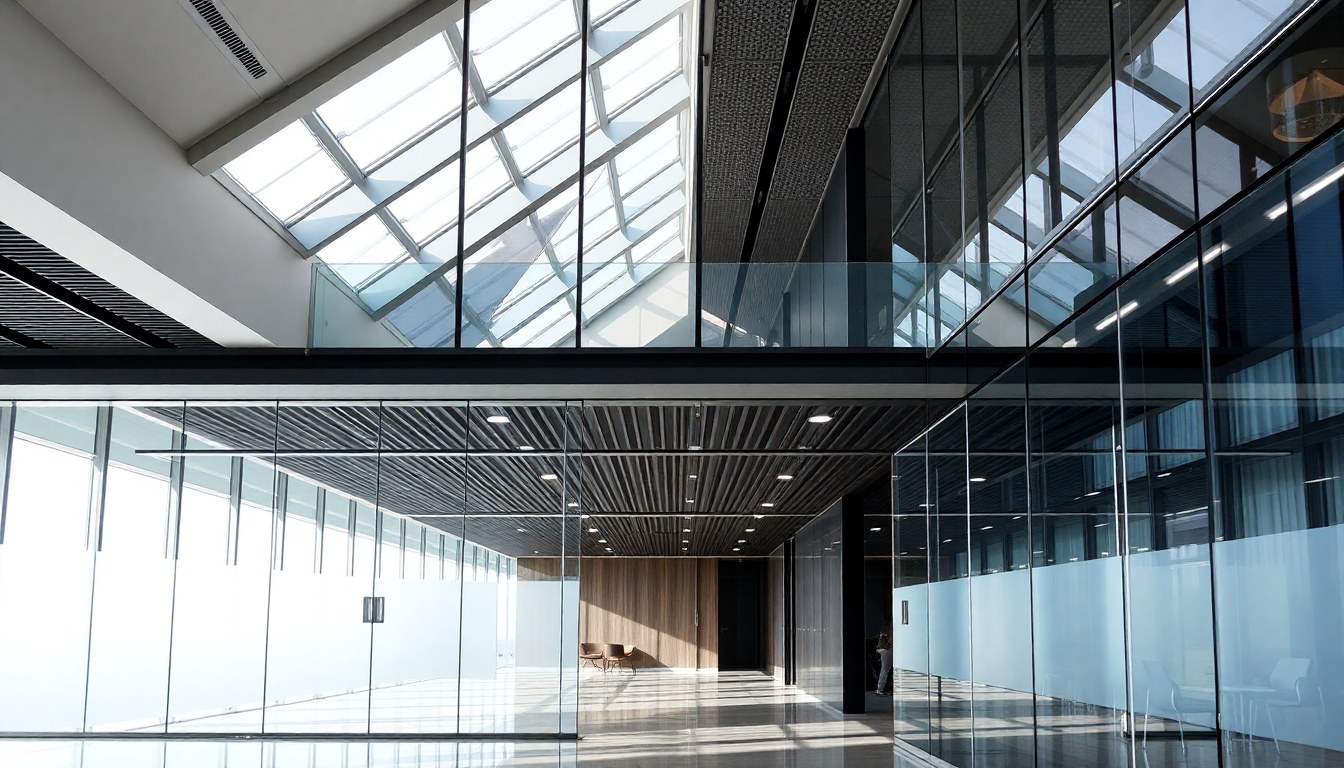
If you're setting up a home office, recording studio, or corporate meeting room, soundproof glass partitions offer a modern solution to noise control without sacrificing natural light or visual openness. But with options ranging from laminated glass to insulated glass units (IGUs) and triple-glazed systems, knowing which thickness and glazing type delivers the noise reduction you need—and fits your budget—can be confusing. This guide breaks down the acoustic performance, decibel reduction ratings, and pricing of each option to help you make an informed decision.
Understanding Sound Reduction Ratings for Glass Partitions
Sound reduction in glass partitions is measured using two key metrics: Sound Reduction Index (SRI) and Noise Reduction Coefficient (NRC). The SRI, measured in decibels (dB), tells you how much noise a material blocks. A higher SRI means better sound isolation. For reference, a normal conversation registers around 60 dB, office noise around 70 dB, and traffic noise around 80 dB or higher.
When comparing glass partitions, you'll often see terms like "SRI 30" or "SRI 40." Each 10-point increase in SRI roughly halves the perceived loudness. So a partition rated SRI 40 blocks significantly more sound than one rated SRI 30. The thickness of the glass, the type of glazing, and the air gap between panes all influence these ratings. Understanding these numbers helps you select a partition that actually meets your acoustic needs rather than overspending on unnecessary thickness.
Laminated Glass Partitions: Best for Budget-Conscious Buyers
Laminated glass consists of two or more glass panes bonded together with a polyvinyl butyral (PVB) interlayer. This interlayer absorbs sound vibrations, making laminated glass an excellent choice for noise reduction without the premium cost of more complex systems.
Thickness and Performance
Laminated glass partitions typically range from 6 mm to 12 mm in total thickness. A 6 mm laminated partition (3 mm + 3 mm with interlayer) offers modest sound reduction of around SRI 28–32 dB, suitable for light office environments. A 10 mm laminated partition (5 mm + 5 mm) delivers SRI 35–38 dB, reducing typical office noise by 50–60%. For studios or high-noise environments, 12 mm laminated glass achieves SRI 40–42 dB, blocking approximately 75% of external noise.
The PVB interlayer is the workhorse here. Thicker interlayers or specialized acoustic interlayers (such as those using ionoplast resins) can boost performance further. Some manufacturers offer 1.5 mm or 2 mm interlayers specifically designed for acoustics, pushing SRI ratings higher without dramatically increasing thickness.
Pricing for Laminated Glass
Laminated glass is the most affordable soundproof option. In India, expect to pay ₹500–₹1,200 per square meter for 6 mm laminated partitions, and ₹1,500–₹2,500 per square meter for 10–12 mm versions. Installation costs add another ₹2,000–₹5,000 per partition, depending on size and complexity. For a 2 m × 2 m home office partition, budget ₹8,000–₹15,000 all-in.
Insulated Glass Units (IGUs): The Middle Ground
Insulated Glass Units, or double-glazed systems, consist of two glass panes separated by an air gap (typically 6–12 mm) or filled with argon or krypton gas. This design traps air, which dampens sound waves far more effectively than a single pane. IGUs are more expensive than laminated glass but offer superior acoustic and thermal performance.
How IGUs Reduce Noise
The magic of IGUs lies in the air gap. Sound waves must travel through the first pane, across the gap, and through the second pane. This multi-layer path breaks the sound transmission. A standard IGU with 6 mm air gap and standard 4 mm glass on each side (4-6-4) achieves SRI 30–32 dB. Upgrading to 5 mm glass with a 12 mm gap (5-12-5) pushes performance to SRI 35–37 dB. For maximum isolation, a 6-12-6 IGU delivers SRI 38–40 dB.
For even better results, you can use laminated glass within the IGU. A laminated-air-laminated configuration (such as 5+5-12-5+5, meaning 10 mm laminated on each side with a 12 mm gap) achieves SRI 42–45 dB, rivaling triple-glazed systems at a lower cost.
Pricing for IGUs
Standard IGUs cost ₹1,500–₹3,000 per square meter, roughly double the price of basic laminated glass. Laminated-air-laminated IGUs range from ₹3,500–₹5,500 per square meter. Installation adds ₹3,000–₹7,000. A 2 m × 2 m IGU partition for a home office runs ₹16,000–₹30,000 installed. For studios requiring maximum isolation, expect ₹25,000–₹40,000.
Triple-Glazed Partitions: Maximum Sound Isolation
Triple-glazed systems use three glass panes with two air gaps, offering the highest noise reduction available in partition form. These are less common in India but increasingly popular in premium studios, high-end offices, and luxury residential spaces.
Performance and Specifications
A basic triple-glazed unit (4-6-4-6-4) achieves SRI 40–42 dB. Premium versions using laminated glass and wider gaps (5+5-12-5+5-12-5+5) reach SRI 45–48 dB, blocking 80–90% of external noise. This level of isolation is overkill for most home offices but essential for recording studios, music practice rooms, and buildings near airports or highways.
The trade-off is weight and cost. Triple-glazed partitions are significantly heavier, requiring reinforced frames and professional installation. They also reduce light transmission slightly due to the extra panes, though modern low-iron glass minimizes this effect.
Pricing for Triple-Glazed Systems
Triple-glazed partitions are premium products, ranging from ₹5,000–₹8,000 per square meter for standard configurations and ₹8,000–₹12,000+ for laminated triple-glazed systems. A 2 m × 2 m partition costs ₹40,000–₹65,000 before installation. Professional installation adds ₹8,000–₹15,000. In major Indian cities like Bangalore, Mumbai, and Delhi, expect 10–20% higher pricing due to labor costs.
Home Office vs. Studio: Which Option to Choose
Your choice depends on your noise environment and budget. For a home office with moderate background noise (traffic, neighbors), a 10 mm laminated partition (SRI 35–38 dB) or a basic IGU (4-6-4) usually suffices, costing ₹12,000–₹25,000 installed. These block most conversational speech and ambient office noise while keeping costs reasonable.
For a music or podcast studio, aim for at least SRI 40 dB. A 12 mm laminated partition or a laminated-air-laminated IGU is the minimum investment. If you're recording vocals or drums, a triple-glazed system or acoustic laminated IGU is worth the premium ₹40,000–₹65,000 cost. The difference between SRI 38 and SRI 45 is the difference between "pretty quiet" and "studio-ready silence."
Consider your frame too. Aluminum frames with acoustic seals perform better than standard frames. Ensure the partition is sealed at the bottom and sides—even small gaps undermine acoustic performance by 5–10 dB.
Installation and Maintenance Tips
Proper installation is as important as choosing the right glass. Here are key considerations:
- Sealing: Use acoustic sealant around all edges, gaps, and joints. Standard caulk is insufficient; specify acoustic-grade products.
- Frame Quality: Aluminum frames should be thermally broken and fitted with acoustic gaskets. Cheaper frames leak sound.
- Floor and Ceiling: Partitions should extend from floor to ceiling (or very close). Gaps above suspended ceilings are common weak points.
- Doors: If your partition includes a door, ensure it's also acoustically rated. A standard door can undo 10–15 dB of isolation.
- Maintenance: Glass partitions require minimal upkeep—occasional cleaning with glass cleaner. Check seals annually, especially in humid climates like coastal Indian cities.
Frequently Asked Questions
What thickness of soundproof glass do I need for a home office?
For a typical home office with moderate noise (traffic, neighbors), 10 mm laminated glass or a 4-6-4 IGU is sufficient. These achieve SRI 35–38 dB, reducing conversational speech and ambient noise by 50–60%. If your office faces a busy road or you're in a multi-unit building, consider 12 mm laminated or a laminated-air-laminated IGU (SRI 40+). Budget ₹12,000–₹25,000 installed.
Can I use regular tempered glass for soundproofing?
No. While tempered glass is strong and safe, it doesn't reduce noise effectively. Single-pane tempered glass offers minimal sound isolation (SRI 26–28 dB). You must use laminated glass, IGUs, or triple-glazed systems to achieve meaningful noise reduction. Laminated glass's interlayer is what absorbs sound; tempered glass lacks this feature.
Is argon gas in IGUs worth the extra cost?
Argon gas improves thermal insulation but offers minimal acoustic benefit over air-filled IGUs (1–2 dB difference). If your priority is soundproofing, invest in thicker glass or wider air gaps instead. Argon is worthwhile if you also care about energy efficiency, which matters in climates like Delhi winters or Mumbai summers.
How much noise reduction can I expect from soundproof glass partitions?
Sound reduction depends on the partition's SRI rating. SRI 30 blocks ~50% of noise, SRI 40 blocks ~75%, and SRI 45 blocks ~85%. In practical terms, a busy street (80 dB) becomes a quiet whisper (60 dB) behind an SRI 40 partition. For studios, aim for SRI 42+; for offices, SRI 35–38 is usually adequate.
What's the lifespan of soundproof glass partitions?
Laminated glass and IGUs last 20–30+ years with proper maintenance. The PVB interlayer in laminated glass can degrade in extreme heat or UV exposure, but modern formulations are durable. IGU seals may fail after 15–20 years in harsh climates, reducing acoustic performance. Regular cleaning and annual seal checks extend lifespan. In India's tropical climate, expect slightly shorter lifespans than in temperate regions.
Choose the Right Partition for Your Space
Soundproof glass partitions transform noisy spaces into peaceful havens—whether you're building a home office, recording studio, or corporate meeting room. Laminated glass offers excellent value for budgets under ₹15,000, IGUs provide the best balance of performance and cost for most applications, and triple-glazed systems deliver studio-grade isolation for premium projects. Match your choice to your noise environment, acoustic needs, and budget, and ensure professional installation with proper sealing for best results.
Ready to find the right glass supplier or installer for your soundproof partition project? Browse verified glass businesses, manufacturers, and installers in your city on glassy.in, India's largest glass-business directory. Compare quotes, read reviews, and connect with experts who understand acoustic glass solutions.