
Buying Guides
Anti-Reflective Glass for Retail Shopfronts: Boost Product Visibility & Sales
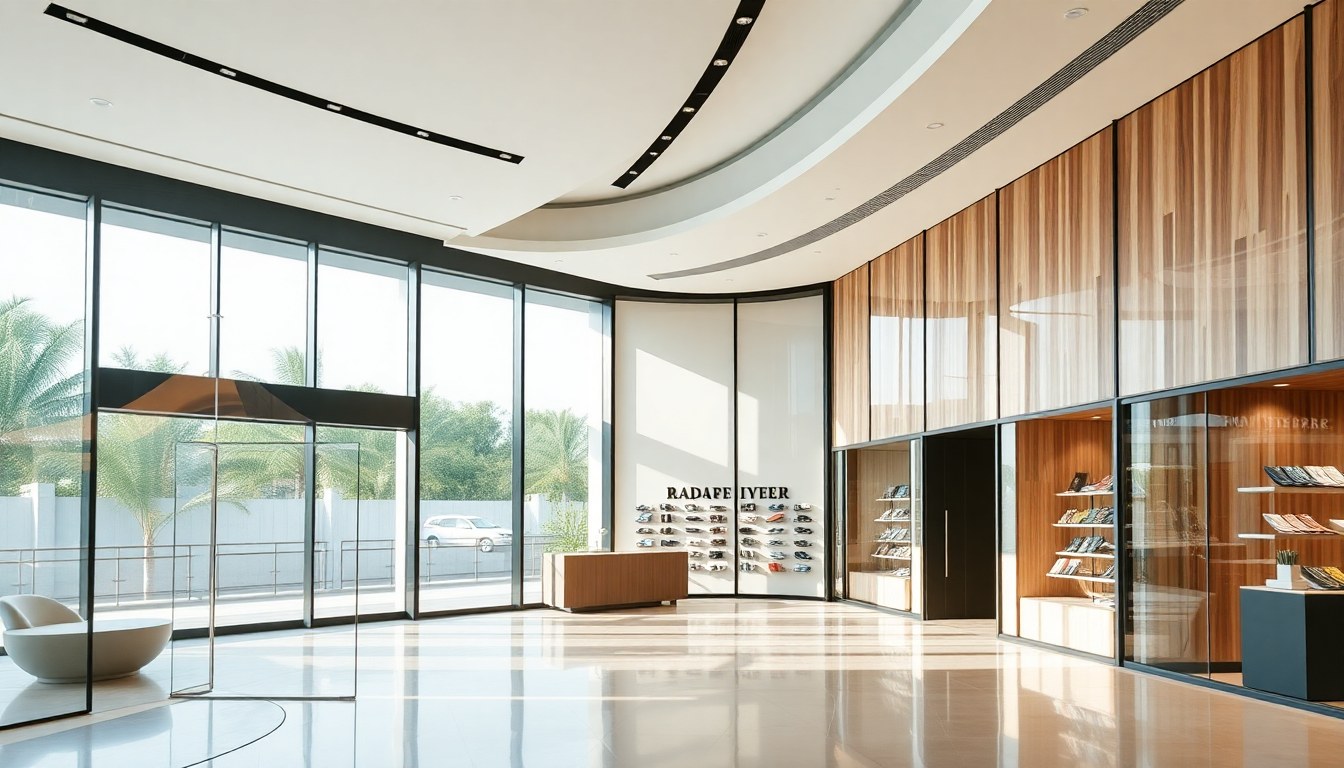
Glare on storefront windows is a silent sales killer—customers can't see your products clearly, and foot traffic drops as a result. Anti-reflective (AR) glass coatings eliminate this problem by reducing light reflection and dramatically improving what shoppers see from the street. For jewelry stores, fashion boutiques, and high-end retailers in cities like Surat and Ahmedabad, AR glass is a proven investment that increases visibility, attracts more customers, and ultimately boosts revenue.
What Is Anti-Reflective Glass and How Does It Work?
Anti-reflective glass features a specialized coating applied to the surface that reduces the amount of light bouncing off the glass. Instead of reflecting light back into the street, the coating allows light to pass through the glass, making the products inside clearly visible from any angle and time of day. This is achieved through a multi-layer coating system that uses optical interference to cancel out reflected light waves.
The coating is typically made of materials like magnesium fluoride, silicon dioxide, or titanium oxide, applied in ultra-thin layers. Each layer is engineered to a precise thickness so that reflected light waves interfere destructively with each other, effectively canceling out the reflection. The result is a nearly invisible window that showcases your merchandise without the distracting glare that normal glass creates.
Why Standard Glass Falls Short for Retail
Regular float glass reflects 4–8% of light on each surface. This might seem small, but when sunlight hits a storefront window at certain angles—especially during morning and evening hours—the reflection becomes intense. Customers passing by see their own reflection or the street behind them instead of your products. This barrier between the customer and your merchandise is a major conversion blocker.
The Impact of AR Glass on Shopfront Visibility and Sales
Retailers who switch to anti-reflective glass report measurable improvements in customer perception and foot traffic. Products displayed behind AR glass appear brighter, more detailed, and more appealing. This enhanced visibility directly influences purchasing decisions, particularly in high-value categories like jewelry, watches, and designer fashion.
Studies in retail optics show that clear product visibility increases dwell time—the amount of time a customer spends looking at a window display. Longer dwell times correlate with higher conversion rates and larger average transaction values. For jewelry retailers in Surat, where the market is highly competitive, AR glass can be the differentiator that captures customer attention.
Measurable Benefits for Jewelry and Fashion Retailers
- Increased foot traffic: Clearer displays attract more window shoppers and encourage store entry
- Extended viewing time: Customers spend more time examining products through AR glass
- Higher perceived quality: Products appear more premium and desirable without glare interference
- Better photography: Store windows look professional in photos, boosting social media presence
- 24/7 visibility: Night displays are equally clear and attractive, extending effective selling hours
Types of Anti-Reflective Coatings: Comparing Your Options
Not all AR coatings are created equal. The coating type you choose affects durability, clarity, maintenance requirements, and cost. Here's what Indian retailers need to know about the main options available in the market.
Hard-Coated AR Glass
Hard-coated AR glass features a durable mineral-based coating fused to the glass surface at high temperatures. This creates a permanent bond that resists scratching, weathering, and chemical exposure. Hard coatings typically reduce reflection to 1–2% and maintain their performance for 10–15 years or longer. They are ideal for storefronts exposed to high foot traffic, harsh weather, or frequent cleaning. The trade-off is higher upfront cost (₹8,000–₹15,000 per square meter, depending on thickness and quality) and longer lead times for custom orders.
Soft-Coated AR Glass
Soft-coated AR glass uses vacuum-deposited layers that are not fused to the surface. These coatings are more affordable (₹4,000–₹8,000 per square meter) and offer excellent optical clarity, reducing reflection to 0.5–1%. However, soft coatings are more susceptible to scratching and environmental damage, and they require more frequent cleaning and maintenance. They work well for protected storefronts or interior displays where exposure is limited. Many retailers in Ahmedabad prefer soft coatings for initial installations to test ROI before committing to harder, more expensive solutions.
Hybrid AR Coatings
Hybrid coatings combine the best of both worlds: they offer the durability of hard coatings with the optical performance of soft coatings. These mid-range options (₹6,000–₹12,000 per square meter) are increasingly popular among Indian retailers because they balance cost, performance, and longevity. They resist moderate scratching and weathering while maintaining excellent clarity over 8–12 years.
Installation, Maintenance, and Long-Term Care
Proper installation and maintenance are critical to maximizing the lifespan and performance of AR glass. Unlike standard glass, anti-reflective coatings require specific handling and cleaning protocols to prevent damage.
Installation Best Practices
AR glass must be installed by experienced professionals who understand the sensitivity of the coating. During installation, the glass should be handled with clean gloves, and the coating should never come into direct contact with tools or unprotected surfaces. In Surat and Ahmedabad, reputable glass suppliers provide installation services as part of the package. Always ensure the installer has experience with AR coatings and provides a warranty (typically 5–10 years for hard coatings).
Cleaning and Maintenance
AR-coated glass requires gentler cleaning than standard glass. Use soft, lint-free cloths and mild, non-abrasive cleaning solutions. Avoid harsh chemicals, scouring pads, or high-pressure washers, which can damage the coating. For storefronts, monthly gentle cleaning with distilled water and a microfiber cloth is ideal. Hard-coated AR glass is more forgiving and can tolerate occasional stronger cleaning, but soft coatings need extra care.
- Use distilled or deionized water to prevent mineral deposits
- Apply cleaning solution to the cloth, never directly to the glass
- Wipe gently in circular motions; avoid scrubbing
- Dry immediately with a clean microfiber cloth to prevent streaks
- Schedule professional cleaning 2–3 times per year for optimal appearance
Calculating ROI: Is AR Glass Worth the Investment?
The cost of AR glass installation ranges from ₹4,000 to ₹15,000 per square meter, depending on the coating type and glass specifications. For a typical jewelry store shopfront (10–15 square meters), total investment ranges from ₹40,000 to ₹2,25,000. While this seems significant, the ROI can be substantial when you factor in increased foot traffic and higher conversion rates.
ROI Calculation Example
Consider a jewelry store in Surat with a 12-square-meter shopfront. Using a hard-coated AR glass at ₹10,000 per square meter, the total investment is ₹1,20,000. If AR glass increases foot traffic by just 15% and conversion rates by 10%, a store averaging ₹50,000 in daily sales could see an additional ₹7,500 in daily revenue. This translates to ₹2,25,000 per month or ₹27,00,000 annually—meaning the initial investment pays for itself in less than a month.
Even conservative estimates show payback within 3–6 months for most retail operations. After that, the improved visibility continues to generate incremental revenue with minimal additional cost. Fashion retailers and luxury brands report similar or even better returns, as their products are highly visual and benefit dramatically from glare-free display.
Choosing the Right AR Glass Supplier in India
Quality varies significantly among suppliers. When sourcing AR glass for your shopfront, prioritize suppliers who offer certifications, warranties, and professional installation services. In Surat and Ahmedabad, several established glass suppliers specialize in retail applications and understand the local market.
Key criteria for selecting a supplier include: proven experience with retail installations, transparent pricing without hidden costs, warranty coverage of at least 5 years, professional installation and training, and post-installation support. Request samples or visit completed installations before committing to a large order. Ask for references from other retailers in your area who have already invested in AR glass.
Frequently Asked Questions
Does anti-reflective glass reduce the amount of light entering the store?
No. AR coatings are designed to transmit light, not block it. In fact, they allow more usable light to enter the store by eliminating the wasted light that would normally be reflected back outside. Your store may actually feel brighter with AR glass because the light is being used more efficiently.
Can anti-reflective coating be applied to existing shopfront glass?
Yes, but with limitations. Soft-coated AR can sometimes be applied to existing glass, though results may be less durable than factory-applied coatings. Hard coatings must typically be applied during manufacturing. For best results and longevity, replacing the glass with factory-coated AR glass is recommended. Your supplier can advise on the best approach for your specific situation.
How long does anti-reflective coating last?
Hard-coated AR glass lasts 10–15 years or longer with proper maintenance. Soft-coated AR typically lasts 5–8 years. The lifespan depends on environmental factors (sun exposure, humidity, pollution), maintenance practices, and the specific coating quality. Regular gentle cleaning and avoiding harsh chemicals significantly extend the coating's life.
Is anti-reflective glass suitable for all types of retail stores?
AR glass is particularly beneficial for jewelry, luxury fashion, watches, and high-end accessories where product visibility is critical to sales. It's also valuable for cosmetics, electronics, and art galleries. Any retail business where customers make purchasing decisions based on what they see through the window will benefit from AR glass. Even supermarkets and convenience stores see improved visibility for displayed products.
What's the difference between anti-reflective and anti-glare glass?
Anti-reflective glass reduces light reflection through optical coatings, maintaining crystal clarity. Anti-glare glass uses a frosted or textured surface to scatter light and reduce glare, but this comes at the cost of visibility and detail. For retail shopfronts where you want customers to see products clearly, anti-reflective glass is the superior choice.
Ready to transform your shopfront visibility and boost sales? Explore verified glass suppliers on glassy.in who specialize in anti-reflective coatings for retail applications. Compare quotes, read customer reviews, and connect with experienced installers in your city today.