
Glass Guides
Skylight Glass: Types, Insulation & Condensation Prevention
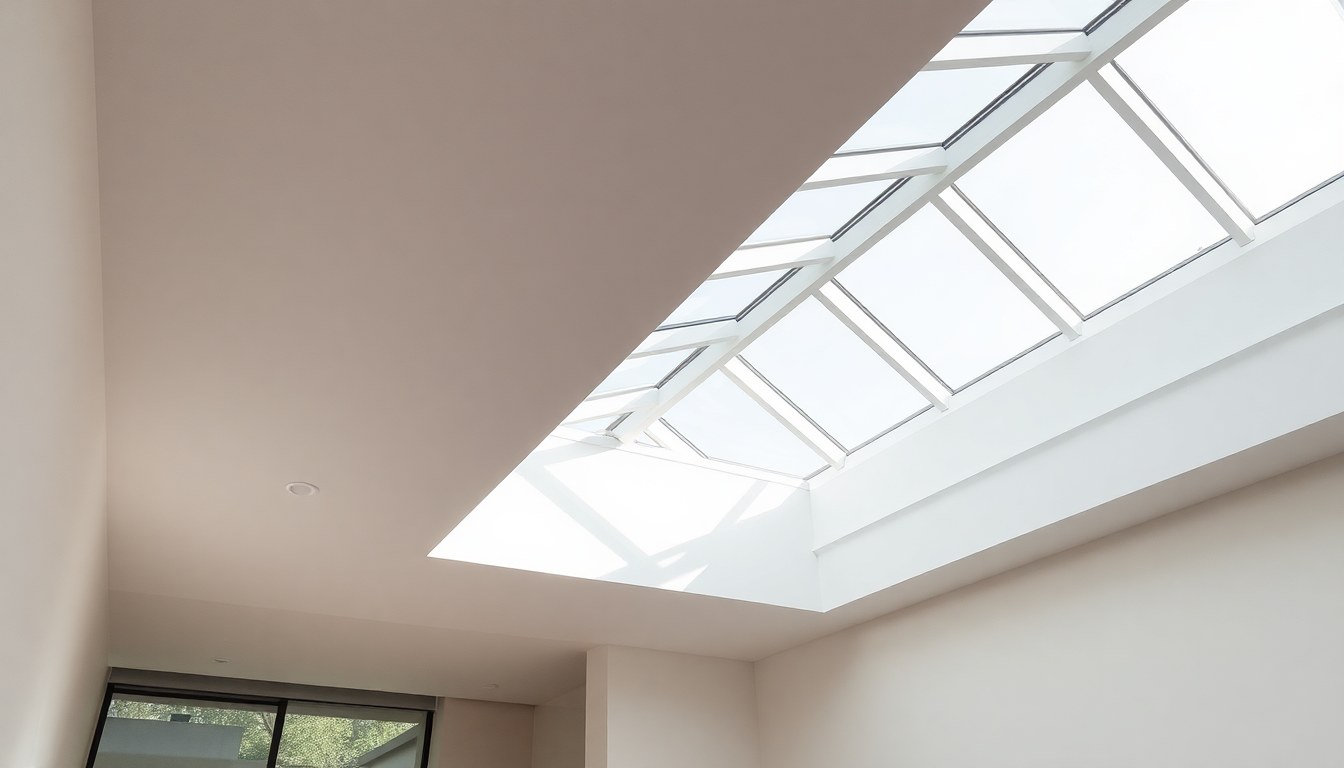
Skylights flood interiors with natural light and create an open, airy feel—but only when the right glass and installation methods are in place. Condensation buildup, heat loss, and poor weatherproofing turn skylights into liabilities rather than assets. This guide covers the glass types, insulation standards, and practical condensation prevention strategies that work for residential and commercial properties across India.
Understanding Skylight Glass Types
Skylight glass falls into two main categories: single-pane and insulated glass units (IGUs). Single-pane skylights are cheaper upfront but offer minimal thermal resistance, making them prone to condensation in humid climates like coastal regions and monsoon zones. They transfer heat rapidly, driving up cooling costs in summer and heating costs in winter.
Insulated glass units (IGUs), also called double-glazed or triple-glazed skylights, consist of two or three panes separated by air or inert gas (typically argon). This air gap acts as a thermal barrier, dramatically reducing heat transfer. For Indian climates, double-glazed IGUs are the standard choice; triple-glazed options are less common but offer superior performance in high-altitude or extremely cold regions.
Single-Pane vs. IGU Performance
- Single-pane: U-value around 5.8 W/m²K; minimal insulation; prone to condensation; lower cost (₹2,000–₹4,000 per sq. m)
- Double-glazed IGU: U-value around 2.8–3.2 W/m²K; good thermal resistance; condensation risk reduced; cost ₹5,000–₹8,000 per sq. m
- Triple-glazed IGU: U-value around 1.8–2.2 W/m²K; excellent insulation; minimal condensation; cost ₹8,000–₹12,000+ per sq. m
U-value (thermal transmittance) measures heat loss—lower numbers mean better insulation. For skylights in Delhi, Mumbai, Bangalore, and Hyderabad, double-glazed IGUs offer the best balance of cost and performance.
Thermal Performance and Insulation Ratings
Thermal performance determines how much heat enters or exits through the skylight. In India's tropical and subtropical climates, summer solar gain is a major concern; in winter months, heat loss matters less but still affects comfort and energy bills. The Solar Heat Gain Coefficient (SHGC) measures how much solar radiation passes through the glass—lower SHGC values reduce cooling loads.
Low-emissivity (Low-E) coatings are applied to one or both panes inside an IGU. These microscopically thin metallic layers reflect infrared radiation while allowing visible light through, reducing heat transfer by 20–40%. Low-E coatings are essential for skylights in warm climates and can reduce air-conditioning costs significantly over the skylight's lifespan.
Choosing the Right SHGC and Low-E Coating
- High SHGC (0.6–0.8): Allows more solar heat; useful in cold climates or north-facing skylights
- Medium SHGC (0.4–0.6): Balanced; suitable for most Indian climates
- Low SHGC (0.2–0.4): Reflects heat; ideal for south-facing and west-facing skylights in hot zones
- Low-E coating: Reduces U-value by 10–15%; standard in modern IGUs
Specifying the correct SHGC and Low-E configuration during purchase prevents overheating, reduces UV fading of interiors, and extends the life of HVAC systems. Always consult with glass suppliers familiar with your city's climate zone.
Condensation: Causes and Prevention
Condensation occurs when warm, humid air contacts a cold surface—the glass pane. In India's monsoon season or in humid kitchens and bathrooms, this is a common problem. Single-pane skylights are especially vulnerable because their outer surface becomes very cold relative to indoor air temperature. The condensation then drips inside, damaging insulation, wood frames, and ceilings.
IGUs dramatically reduce condensation risk because the inner pane stays warmer. However, even IGUs can develop condensation between the panes if the seal fails, indicating a manufacturing defect or installation error. Interior condensation (on the inner surface) is usually a ventilation and humidity issue; condensation between panes is a structural failure.
Practical Condensation Prevention Strategies
- Install IGUs: Double-glazed skylights keep the interior pane warmer, preventing surface condensation
- Improve ventilation: Use exhaust fans in kitchens and bathrooms; open windows on dry days to reduce indoor humidity
- Control humidity: Use dehumidifiers in monsoon months; maintain indoor humidity between 30–50%
- Insulate the frame: Thermal breaks in aluminum frames prevent cold bridging
- Proper installation: Ensure tight seals around the skylight frame; poor installation allows cold air infiltration
- Use condensation channels: Modern skylight frames include drainage channels that direct moisture away from the interior
If condensation appears between the panes, the IGU seal has failed and the unit must be replaced. This typically happens after 10–15 years but can occur sooner if the skylight was poorly manufactured or installed. Reputable suppliers like those listed on glassy.in provide warranties covering seal failure.
Weatherproofing and Installation Best Practices
A skylight's performance depends as much on installation as on the glass itself. Poor flashing, inadequate sealants, and misaligned frames allow water infiltration, especially during heavy rains common in monsoon regions. Water damage leads to mold, structural decay, and loss of insulation effectiveness.
Proper weatherproofing involves multi-layer protection: the skylight frame must be sealed with high-quality silicone or polyurethane sealant, flashing must overlap roof materials correctly, and drainage channels must be clear of debris. On sloped roofs, the flashing should extend 150–200 mm above the skylight opening and overlap roof tiles or sheets properly.
Installation Checklist
- Measure the opening accurately; order IGU with thermal breaks and Low-E coating
- Install flashing before placing the skylight frame; ensure flashing overlaps roof materials
- Seal all frame edges with professional-grade sealant; avoid cheap caulks that degrade in UV
- Install condensation channels and ensure they drain toward the exterior
- Test for leaks during the next rainfall; address any drips immediately
- Apply a protective film or shade inside to reduce solar gain and glare (optional but recommended)
Hiring qualified installers is critical. Many water leaks traced to skylights are actually installation failures, not glass defects. Verify installer credentials and ask for references from previous projects in your area.
Cost Analysis and ROI
Skylight costs vary widely based on size, glass type, frame material, and installation complexity. A small (1 sq. m) single-pane skylight might cost ₹8,000–₹15,000 installed, while a 2 sq. m double-glazed IGU skylight with aluminum frame and professional flashing could reach ₹30,000–₹50,000. Large commercial skylights with custom shapes cost substantially more.
Despite higher upfront costs, IGUs deliver long-term savings through reduced cooling and heating bills. In warm climates like Hyderabad or Pune, a well-insulated skylight with low SHGC can save 10–20% on air-conditioning costs, depending on skylight size and orientation. Over 15–20 years, these savings often exceed the initial investment difference between single-pane and IGU options.
Cost Factors
- Glass type: IGU costs 2–3× more than single-pane but lasts longer and performs better
- Size: Larger skylights have lower per-square-meter costs due to economies of scale
- Frame material: Aluminum is cheaper than vinyl or wood but conducts heat more easily; thermal breaks are essential
- Installation: Complex roof shapes, high-altitude locations, and custom flashing increase labor costs by 30–50%
- Warranty: Premium suppliers offer 10–15 year warranties; budget brands offer 5 years
Always obtain quotes from multiple suppliers and clarify what is included: glass, frame, flashing, sealant, and installation labor. Some suppliers bundle these; others charge separately. Comparing total installed cost, not just glass price, ensures you get true value.
Frequently Asked Questions
What is the best glass type for skylights in humid Indian climates?
Double-glazed IGUs with Low-E coating and argon fill are ideal for humid regions like coastal areas and monsoon zones. The air gap and Low-E layer keep the interior pane warm, preventing condensation. Single-pane skylights are unsuitable for these climates due to persistent condensation and poor insulation.
Can condensation between skylight panes be fixed without replacing the unit?
No. Condensation between panes indicates a broken seal, which cannot be repaired. The IGU must be replaced. This is why purchasing from reputable suppliers with strong warranties is important—seal failure is a manufacturing defect and should be covered under warranty for at least 10 years.
How much can a well-insulated skylight reduce energy bills?
In warm climates, a properly specified skylight with low SHGC and Low-E coating can reduce cooling costs by 10–20%, depending on size and orientation. The exact savings depend on your location, current HVAC efficiency, and how much direct sun the skylight receives. South and west-facing skylights have the greatest impact on cooling loads.
What maintenance do skylights require?
Clean the glass twice yearly to remove dust and debris, which reduces light transmission and can trap heat. Check flashing and sealants annually, especially before monsoon season, to ensure no cracks or gaps exist. Clear drainage channels of leaves and dirt. If you notice any water stains or condensation inside, have the installation inspected immediately.
Are there any government incentives or certifications for energy-efficient skylights in India?
While India does not currently offer specific skylight rebates, energy-efficient windows and skylights may qualify for GRIHA (Green Rating for Integrated Habitat Assessment) certification in green building projects. Some states offer tax benefits for solar-passive design features, which include optimized skylights. Check with your local municipal authority or green building council for current programs.
Conclusion: Invest in Quality Skylights for Long-Term Comfort
Skylights are valuable architectural features that enhance natural light, reduce daytime energy use, and improve occupant well-being. However, choosing the wrong glass type or installation method turns them into sources of condensation, heat loss, and water damage. Double-glazed IGUs with Low-E coatings, proper thermal breaks, and professional installation deliver superior performance across India's diverse climates.
Whether you're planning a residential renovation in Delhi, a commercial office in Bangalore, or a hospitality project in Goa, selecting the right skylight glass and installer is crucial. Browse verified glass suppliers and installation experts on glassy.in, India's largest glass-business directory, to find trusted partners who understand your local climate and building codes. Request detailed quotes, compare warranties, and invest in skylights that perform reliably for decades.