
Glass Guides
Glass Skylight Condensation Problems: Root Causes and Ventilation Solutions
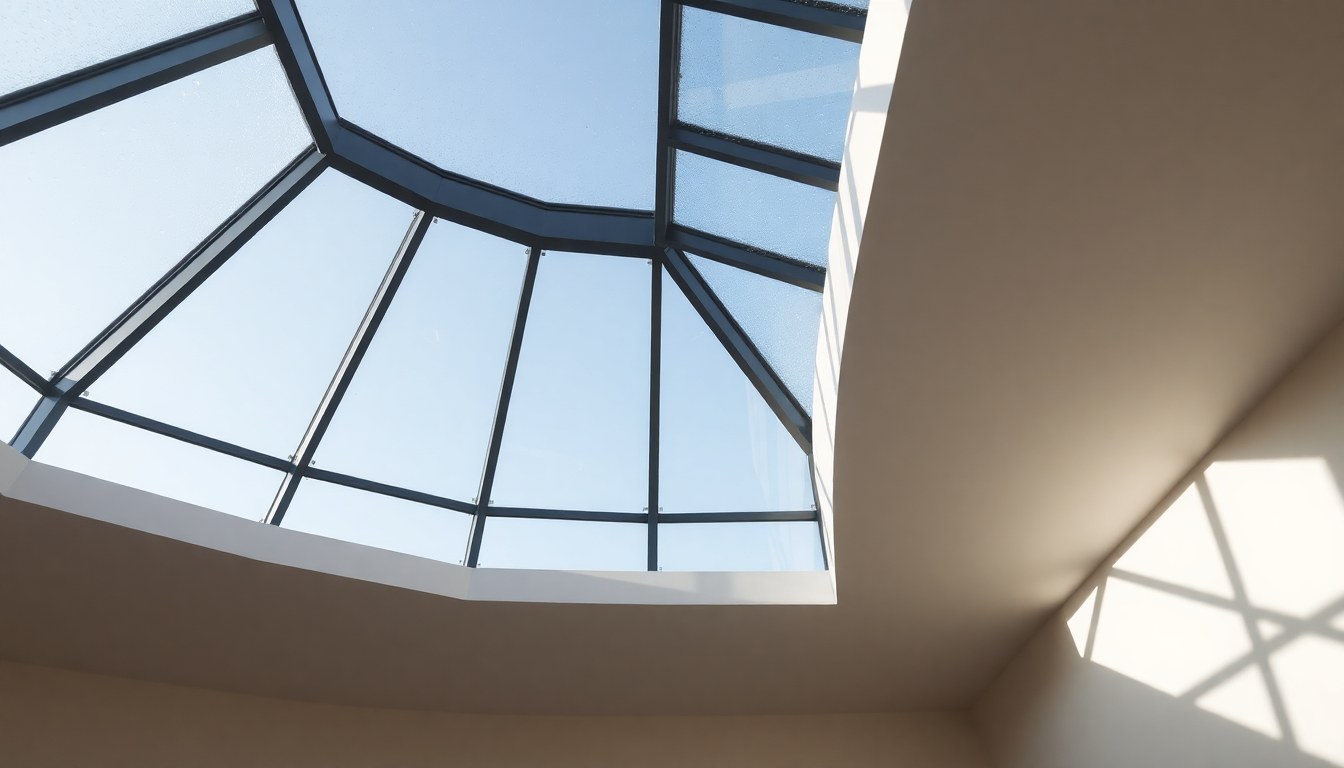
Skylights flood your home with natural light, but condensation fogging the glass defeats their purpose. Whether you're dealing with morning mist that clears by noon or persistent wetness that damages wooden frames, the root cause usually traces back to one of three culprits: poor indoor ventilation, excessive humidity, or inadequate thermal insulation. Understanding which problem you face—and which solution actually works—saves you from expensive, unnecessary upgrades and points you toward the fix that delivers real results.
Why Skylights Develop Condensation: The Physics Behind the Fog
Condensation forms when warm, moist air contacts a cold surface. Inside your home, this happens when interior humidity meets the cooler glass of a skylight, especially on winter mornings or during monsoon season in India. The temperature difference between indoors and outdoors creates a condensation point right on the glass surface—exactly where you don't want it.
The severity depends on three variables working together. First, indoor humidity levels: kitchens, bathrooms, and laundry areas pump moisture into the air. Second, outdoor temperature: winter nights and cool mornings make skylight glass colder, increasing condensation risk. Third, air circulation: stagnant air around the skylight traps moisture instead of moving it away. In Indian homes, this problem intensifies during monsoon months when outdoor humidity climbs above 80%, and again in winter when heating systems dry indoor air while outdoor temperatures drop, creating the perfect condensation storm.
The Role of Dew Point
The dew point is the temperature at which air becomes saturated and releases moisture. If your skylight glass temperature falls below the dew point of your indoor air, condensation appears. A skylight in an unheated attic space on a 5°C winter morning might reach 2°C—well below the dew point of warm, humid indoor air at 18°C. The glass becomes a moisture magnet.
Diagnosing Your Skylight Condensation: Interior vs. Exterior
Before investing in solutions, identify where the condensation forms. This single detail determines whether you need ventilation fixes, IGU upgrades, or both.
Interior Condensation (Inside Your Home)
If moisture appears on the room-facing side of the skylight, your home is too humid or lacks adequate airflow. This is the most common scenario in Indian homes, especially in kitchens and bathrooms. Interior condensation responds well to ventilation and dehumidification—no expensive glass replacement needed. Simply improving air circulation often solves the problem within weeks.
Exterior Condensation (Between Glass Panes or Outside)
Moisture trapped between the two glass panes of a double-glazed unit signals a failed seal. The insulating gas has escaped, and moisture has entered. This requires IGU (Insulated Glass Unit) replacement. Exterior condensation on the outer glass surface is less serious—it typically clears as outdoor temperatures rise—but persistent exterior condensation suggests the skylight lacks proper ventilation or thermal performance.
Root Causes of Skylight Condensation in Indian Homes
Understanding the specific conditions in your home helps you target the right solution.
Poor Indoor Ventilation
Modern Indian homes prioritize air conditioning and sealed windows for energy efficiency, which traps moisture indoors. Without cross-ventilation or mechanical exhaust, humidity accumulates around skylights. Kitchens without range hoods, bathrooms without exhaust fans, and laundry areas without proper ducting are major culprits. When warm, humid air rises and hits a cold skylight, condensation is inevitable.
High Indoor Humidity
Typical indoor humidity should stay between 30–50%. In Indian homes during monsoon, humidity often exceeds 70%. Cooking, bathing, drying clothes indoors, and poor ventilation push humidity levels dangerously high. Each activity adds moisture; without removal mechanisms, it collects on the coldest surface—your skylight.
Inadequate Thermal Insulation (Single-Pane or Poor-Quality IGU)
Single-pane skylights offer almost no insulation. The glass temperature closely matches outdoor temperatures, making condensation more likely. Even budget double-glazed units with poor seals or thin air gaps (less than 6 mm) provide inadequate thermal resistance. In winter or during cool nights, the glass becomes cold enough to trigger condensation even with moderate indoor humidity.
Attic Space Issues
If your skylight opens into an unheated attic, warm indoor air rising through the attic space encounters the cold skylight. Poor attic ventilation traps this moisture-laden air, increasing condensation risk. Attics without soffit vents, ridge vents, or gable vents become humidity chambers.
Ventilation Solutions: When Airflow Fixes Work Best
If your condensation is interior (on the room side) and your skylight seals are intact, ventilation improvements often eliminate the problem within weeks—and cost far less than glass replacement.
Install or Upgrade Exhaust Fans
Bathroom exhaust fans should run for 20–30 minutes after showers. Kitchen range hoods should vent moisture outdoors, not recirculate it. In Indian homes, many exhaust fans vent into attics instead of outside, defeating their purpose. Ensure all bathroom and kitchen exhaust ducts terminate outside your home, not in the attic. This single fix stops a major moisture source.
Improve Cross-Ventilation
Open windows on opposite sides of your home for 15–20 minutes daily, even in winter or monsoon. This flushes humid air outdoors and prevents stagnation around skylights. In air-conditioned homes, schedule brief cross-ventilation windows during cooler hours to refresh indoor air without overworking your AC.
Use Dehumidifiers Strategically
In rooms with skylights, a dehumidifier maintaining 40–50% humidity prevents condensation. Portable units cost ₹5,000–₹15,000 and work well in bedrooms or living rooms with skylights. For whole-home humidity control, consider a ducted dehumidifier integrated with your HVAC system—a larger investment (₹30,000–₹80,000) but more effective long-term.
Enhance Attic Ventilation
If your skylight opens into an attic, ensure proper attic ventilation. Install or unblock soffit vents (intake) and ridge vents or gable vents (exhaust). This creates air circulation that removes moisture before it reaches the skylight. In Indian climates, attic ventilation also reduces cooling loads in summer.
Install Skylight Blinds or Cellular Shades
While not a permanent fix, cellular shades with honeycomb insulation create an air gap between the shade and glass, reducing the temperature difference that triggers condensation. They also block heat gain in summer and heat loss in winter. Cost ranges from ₹3,000–₹10,000 per skylight depending on size and quality.
When IGU Upgrades Are Necessary
If ventilation improvements don't solve condensation within 4–6 weeks, or if you see moisture between glass panes, your skylight's thermal performance is the problem.
Signs Your Skylight Needs IGU Replacement
- Condensation persists despite improved ventilation and humidity control
- Moisture trapped between glass panes (failed seal)
- Single-pane skylight in a cold climate zone
- Visible frost on the glass on winter mornings
- Drafts or heat loss around the skylight frame
Choosing High-Performance IGU Options
Modern insulated glass units dramatically reduce condensation risk. Double-glazed units with low-emissivity (Low-E) coatings reflect heat back indoors while allowing light through, keeping glass warmer and reducing condensation. A 6 mm air gap with argon gas filling provides better insulation than standard air gaps. Cost in India: ₹400–₹800 per square foot depending on size and coating quality.
Triple-glazed skylights offer maximum thermal performance, ideal for very cold regions or homes in northern India. They maintain warmer glass surfaces, virtually eliminating condensation. Cost: ₹600–₹1,200 per square foot—higher upfront, but justified in extreme climates.
Warm-edge spacers (foam or silicone instead of aluminum) reduce heat loss at the frame edge, keeping the entire glass perimeter warmer and less prone to condensation. This is a worthwhile upgrade when replacing an IGU.
Vented vs. Sealed Skylights: Which Is Right for Your Home?
When replacing a skylight, you'll choose between vented (operable) and sealed (fixed) designs. Each has trade-offs for condensation management.
Vented Skylights
Vented skylights open to allow hot air and moisture to escape. They're excellent for kitchens, bathrooms, and attics where humidity spikes. Opening a vented skylight for 10–15 minutes immediately removes moisture. However, they cost 20–30% more than sealed skylights (₹8,000–₹20,000+ installed), require regular maintenance, and can leak if seals degrade. In monsoon-prone areas, they demand careful operation to avoid rain entry.
Sealed Skylights
Sealed (fixed) skylights don't open but cost less and require minimal maintenance. They work well paired with exhaust fans and dehumidifiers. In high-humidity areas, sealed skylights alone may not prevent condensation—you must manage humidity through ventilation and mechanical systems. Cost: ₹5,000–₹15,000 installed depending on size and glass quality.
Best practice for Indian homes: Use sealed skylights with high-performance IGU in living areas and bedrooms. Reserve vented skylights for kitchens and bathrooms where moisture is generated. Pair all skylights with proper exhaust fans and cross-ventilation.
Practical Action Plan: Solving Your Skylight Condensation
Follow this step-by-step approach to eliminate condensation without unnecessary expense.
- Identify the condensation location. Interior (room side) or exterior (between panes or outside)? Interior condensation responds to ventilation; exterior suggests IGU failure.
- Measure indoor humidity. Use a ₹500–₹1,500 hygrometer. If humidity exceeds 60%, focus on dehumidification and exhaust fans first.
- Upgrade exhaust fans. Ensure bathroom and kitchen fans vent outdoors, not into the attic. Cost: ₹2,000–₹8,000.
- Establish cross-ventilation. Open windows opposite the skylight for 15–20 minutes daily. Free and immediate.
- Add a portable dehumidifier. If humidity remains high after step 3, invest in a unit. Cost: ₹5,000–₹15,000.
- Wait 4–6 weeks. Monitor condensation. If it clears, ventilation was the issue. If it persists, proceed to step 7.
- Inspect the skylight seal. Check for moisture between panes or visible damage. If the seal is failed, replace the IGU.
- Upgrade to high-performance IGU. Choose Low-E double or triple glazing with warm-edge spacers. Cost: ₹8,000–₹25,000+ depending on size and type.
Frequently Asked Questions
Does opening a skylight stop condensation?
Yes, temporarily. Opening a vented skylight releases humid air and immediately reduces condensation. However, this is a short-term fix. The underlying humidity problem returns unless you also improve ventilation, add exhaust fans, or reduce moisture generation. Vented skylights are most useful in kitchens and bathrooms where moisture spikes are predictable.
Will upgrading to double-glazing completely prevent skylight condensation?
Double-glazing significantly reduces condensation risk by keeping glass warmer, but it doesn't eliminate it if indoor humidity is extremely high. A high-performance double-glazed skylight with Low-E coating combined with proper ventilation and humidity control prevents condensation in most Indian homes. If humidity regularly exceeds 70%, even excellent glass will fog occasionally—you must also manage moisture sources.
Is skylight condensation damaging?
Yes, over time. Persistent moisture damages wooden frames, promotes mold growth, and can leak into insulation, reducing its effectiveness. Interior condensation that drips onto ceilings or walls causes staining and structural damage. Address condensation within weeks, not months, to prevent costly repairs.
How often should I run exhaust fans to prevent skylight condensation?
Run bathroom exhaust fans during and for 20–30 minutes after showers. Run kitchen range hoods while cooking and for 10 minutes after. In high-humidity climates or monsoon season, consider running exhaust fans for longer or installing humidity-activated fans that run automatically when humidity exceeds a set level. Cost for smart exhaust fans: ₹3,000–₹6,000.
Can I fix skylight condensation without replacing the glass?
Yes, if the glass seal is intact and condensation is interior (on the room side). Improving ventilation, adding exhaust fans, using dehumidifiers, and enhancing cross-ventilation solve most condensation problems without glass replacement. Only if condensation persists despite these measures, or if you see moisture between panes, does the skylight itself need replacement.
Find Quality Skylights and Glass Solutions on Glassy.in
Skylight condensation is frustrating, but it's solvable. Whether you need ventilation advice, high-performance glass replacement, or expert installation, connect with verified glass suppliers and skylight specialists in your city through Glassy.in. Browse catalogs, compare pricing, and read reviews from homeowners who've solved their skylight problems. Visit Glassy.in today to find the right solution for your home.