
Glass Guides
Low-E Coated Glass for Skylights: Summer Heat Rejection in Bangalore Homes
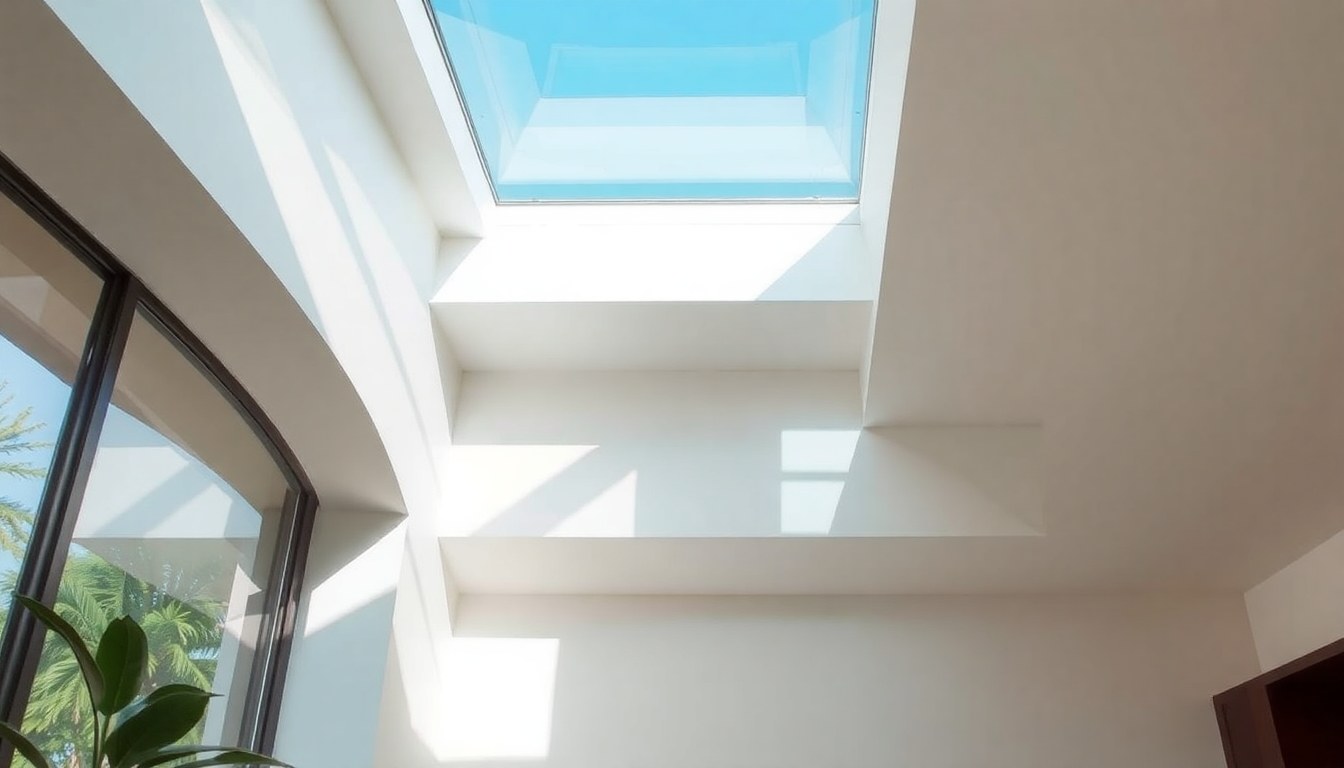
Skylights flood homes with natural daylight, but in Bangalore's scorching summers, they also pour in unwanted solar heat that sends air-conditioning bills soaring. Low-emissivity (low-E) coated glass offers a proven solution: it blocks up to 70% of infrared radiation while allowing visible light through, keeping interiors bright and cool. For homeowners in Bangalore's hot climate, understanding how low-E skylights work and their real cost-benefit tradeoff is essential to making an informed investment.
What Is Low-E Glass and How Does It Work?
Low-emissivity glass is standard glass coated with an ultra-thin, transparent metallic layer—typically silver, tin oxide, or chromium—that reflects infrared (heat) radiation while transmitting visible light. The coating is so thin (often less than a micron) that it's invisible to the naked eye, yet it fundamentally changes how the glass interacts with solar energy.
When sunlight hits a low-E coated skylight, the metallic layer acts like a selective mirror. Visible light (which our eyes need) passes through freely, but infrared wavelengths—the heat component of sunlight—bounce back outward. This selective transmission is what makes low-E glass different from standard tinted or reflective glass, which reduces both light and heat indiscriminately.
Types of Low-E Coatings
- Hard-coat (pyrolytic): Applied during glass manufacturing at high temperatures; more durable and scratch-resistant, suitable for exterior-facing surfaces.
- Soft-coat (sputtered): Applied after manufacturing in a vacuum chamber; offers superior heat rejection but requires protective glazing and is typically used in sealed insulated glass units.
For skylights in Bangalore, soft-coat low-E glass in a double-glazed or laminated unit is the industry standard, as it provides maximum thermal performance and is protected from the elements by the sealed unit design.
Summer Heat Rejection in Bangalore's Climate
Bangalore experiences intense solar radiation, particularly between March and May, when outdoor temperatures exceed 35°C and direct sunlight on a horizontal skylight can create surface temperatures above 60°C. Standard clear glass skylights transmit nearly 85% of incident solar energy into the home, forcing air-conditioning systems to work overtime.
A low-E coated skylight reduces solar heat gain coefficient (SHGC) to 0.25–0.35, compared to 0.86 for clear glass. This means a low-E skylight lets in only 25–35% of the sun's heat, while still admitting 70–75% of visible light. For a typical Bangalore home with a 2 m² skylight, this translates to preventing 100–150 watts of heat gain during peak afternoon hours—equivalent to the cooling load of a small room.
Quantifiable Cooling Impact
Independent studies on residential cooling in tropical climates show that upgrading to low-E skylights can reduce annual cooling energy consumption by 15–25%, depending on skylight area, orientation, and existing insulation. In Bangalore, where air-conditioning typically runs 6–8 months per year, homeowners with 3–4 m² of skylight area can expect electricity savings of ₹2,000–₹5,000 annually, assuming current tariffs of ₹6–₹8 per unit.
However, these savings are most pronounced in homes with good overall insulation and efficient air-conditioning systems. Poorly insulated homes or those relying on window air-conditioning units may see lower returns.
Balancing Heat Rejection with Natural Light
One concern homeowners raise is whether low-E coatings dim the interior or create a yellowish or bluish tint. Modern soft-coat low-E glasses, particularly those optimized for tropical climates, are nearly colorless and maintain excellent light transmission (70–78% of visible light passes through). The human eye perceives this as bright, natural daylight.
The key is selecting the right low-E formulation. Some coatings prioritize heat rejection at the expense of light (useful in extreme climates like Death Valley but unnecessary in Bangalore), while others balance both. For Bangalore skylights, specifying a low-E coating with a visible light transmittance (VLT) above 70% ensures the space remains bright throughout the day.
Seasonal Flexibility Consideration
Unlike fixed tinted glass, low-E skylights cannot be "turned off" in winter when solar heat gain is desirable. However, Bangalore's winters (December–February) are mild, with average highs of 28–30°C, so heat loss through skylights is minimal. The year-round heat rejection benefit outweighs the negligible winter heating advantage, making low-E the right choice for Bangalore.
Cost-Benefit Analysis for Bangalore Homeowners
A low-E coated skylight unit (typically 1.2 m × 1.2 m, double-glazed, with aluminum frame) costs ₹18,000–₹28,000 installed, compared to ₹8,000–₹12,000 for a standard clear glass skylight. The premium is ₹10,000–₹16,000 per unit, or roughly 150–200% more expensive.
At annual savings of ₹2,500–₹4,500 per skylight (conservative estimate for a 2 m² unit in Bangalore), the payback period ranges from 2.5 to 6 years. After payback, the savings accumulate as pure benefit. Most low-E skylights carry a 10–15 year warranty on the coating, ensuring the performance persists well into the payback and beyond.
Additional Intangible Benefits
- UV protection: Low-E coatings block 99% of ultraviolet radiation, protecting furniture, artwork, and flooring from fading.
- Improved comfort: Reduced radiant heat from skylights creates a more pleasant indoor environment without cold spots or glare.
- Smaller HVAC load: Lower cooling demand can defer the need to upsize air-conditioning systems in future renovations.
- Environmental impact: Reduced electricity consumption lowers your carbon footprint and aligns with green building goals.
Installation and Specification Tips
When specifying low-E skylights for a Bangalore home, work with architects or glazing specialists who understand tropical climates. UHA Mumbai and 78 Design Studio are experienced in high-performance glass selection for commercial and residential projects in India's hot zones.
Key specifications to request:
- Soft-coat low-E in sealed double-glazed or laminated unit: Never use soft-coat low-E as monolithic glass; it must be protected within a sealed unit.
- SHGC ≤ 0.35 and VLT ≥ 70%: Ensure the coating prioritizes heat rejection without excessive dimming.
- Tempered or laminated glass: For safety, especially in areas prone to hail or where people work below.
- Proper frame insulation: Aluminum frames should have thermal breaks to prevent heat conduction around the glass.
- Professional installation: Seal gaps around the skylight frame to prevent air leakage, which can undermine thermal performance.
Architects like Site Practice and SIRA INTERIORS often integrate advanced glazing into holistic thermal design strategies, ensuring skylights work in concert with ventilation, shading, and insulation.
Common Misconceptions About Low-E Skylights
Myth 1: Low-E glass blocks all heat. Low-E glass reduces heat transmission but does not eliminate it. On a 35°C summer day, a low-E skylight will still allow some heat into the home—just significantly less than clear glass. It is a heat-reduction tool, not a perfect thermal barrier.
Myth 2: Low-E skylights are always worth the investment. In climates with mild summers or low electricity costs, the payback period may exceed 10 years, making the investment marginal. Bangalore's intense summer heat and moderate electricity tariffs make low-E a sound investment, but individual circumstances vary.
Myth 3: All low-E coatings perform the same. Coatings vary significantly in their spectral properties. A coating optimized for cold climates (to reflect interior heat back in) may perform poorly in Bangalore, where you want to reject solar heat. Always specify a tropical-climate-optimized low-E coating.
Frequently Asked Questions
Do low-E skylights reduce natural light significantly?
No. Modern soft-coat low-E glasses transmit 70–78% of visible light, which is imperceptible to the human eye as dimming. The interior will appear as bright as with standard glass, but without the associated heat gain. The difference becomes apparent only when comparing side-by-side installations.
Can I apply a low-E coating to my existing skylight?
Soft-coat low-E cannot be applied to existing glass; it must be part of a sealed insulated glass unit manufactured in a factory. Hard-coat low-E can theoretically be applied to existing monolithic glass, but it offers inferior heat rejection for skylights. If your skylight is over 10 years old, replacement with a new low-E unit is recommended.
How long does the low-E coating last?
Soft-coat low-E coatings inside sealed glass units are protected from weathering and typically last 15–25 years without degradation. Most manufacturers warrant the coating for 10–15 years. Proper installation and seal integrity are critical; if the seal fails, moisture can degrade the coating.
Are low-E skylights worth it in Bangalore?
Yes, for most Bangalore homeowners. The intense summer heat, long cooling season (6–8 months), and moderate electricity costs create a favorable payback period of 2.5–6 years. If you plan to stay in your home for at least 5 years, low-E skylights are a worthwhile investment in comfort and savings.
What about combining low-E skylights with shading devices?
Combining low-E skylights with external shading (such as louvers or roller blinds) provides maximum heat rejection—up to 85–90%—and gives you flexibility to admit heat in winter or on cooler days. However, shading devices add cost and maintenance. Low-E alone is usually sufficient for Bangalore; shading is a complementary upgrade for premium performance.
Conclusion: Making the Right Choice for Your Bangalore Home
Low-E coated skylights are a proven, cost-effective upgrade for Bangalore homes seeking to balance natural daylight with summer heat control. By rejecting 65–75% of solar heat while maintaining excellent light transmission, they reduce cooling loads, lower electricity bills, and enhance indoor comfort—all without dimming interiors or altering aesthetics.
With payback periods of 2.5–6 years and performance warranties of 10–15 years, low-E skylights make financial and environmental sense in Bangalore's hot, humid climate. The key is specifying the right coating (soft-coat low-E optimized for tropical climates) and ensuring professional installation to maximize thermal performance.
Ready to explore low-E skylight options for your Bangalore home? Browse vetted glass suppliers, installers, and architects on glassy.in, India's largest glass-business directory. Find local experts who understand Bangalore's climate and can design skylights tailored to your home's thermal needs.