
Glass Guides
Low-E Coated Glass for Skylights: Reduce Heat Gain in Bangalore Summers
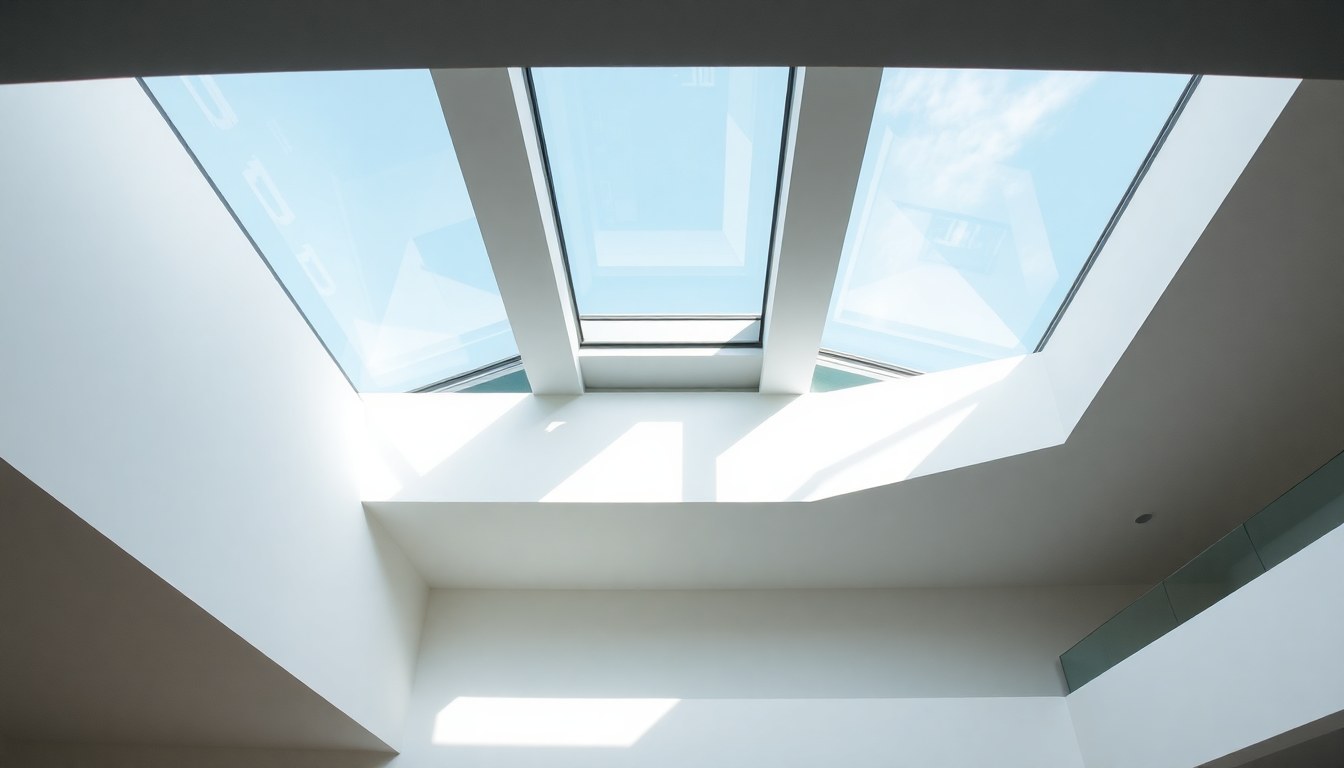
Bangalore's tropical climate brings brilliant sunlight year-round, but uninsulated skylights can turn your home into an oven during peak summer months. Low-emissivity (low-E) coated glass offers a proven solution: it transmits visible light while reflecting infrared heat back outside, keeping interiors cooler without sacrificing natural illumination. This guide explains how low-E technology works, why it matters for skylight installations, and how to specify the right product for your property.
Understanding Low-E Coatings and How They Work
Low-emissivity coatings are microscopically thin metallic layers—typically silver, tin oxide, or similar materials—applied to glass surfaces during manufacturing. These coatings are invisible to the naked eye but highly effective at controlling heat transfer. The coating reflects long-wave infrared radiation (heat) while allowing short-wave visible light to pass through, creating a selective filtering effect.
In a skylight, this means summer sun enters your space as visible light (which you want), but the infrared component bounces back before it can warm your interior (which you don't want). The result is cooler rooms and lower air-conditioning load. Unlike traditional reflective films or tinted glass, low-E coatings don't darken the space or create a greenish tint—the glass remains clear and neutral.
Two Types of Low-E Coatings
- Hard-coat (pyrolytic): Applied during glass manufacturing at high temperatures. More durable, suitable for exterior surfaces, and widely available in India. Slightly lower solar control performance but excellent longevity.
- Soft-coat (sputtered): Applied after manufacturing in a vacuum chamber. Superior heat rejection and light transmission, but requires protective glazing in exposed installations. More common in premium residential projects.
For Bangalore skylights, hard-coat low-E glass is typically the safer, more cost-effective choice because it withstands UV exposure and weather without degradation.
Why Skylights Are Heat Gain Problem Areas
Skylights are inherently vulnerable to solar gain because they face the sky directly, receiving unfiltered sunlight for 8–10 hours daily during peak seasons. Unlike vertical south-facing windows, skylights receive intense midday sun at near-perpendicular angles, maximizing heat transmission. In Bangalore, where summer temperatures regularly exceed 32°C, an uncoated skylight can raise ceiling-level temperatures by 5–8°C above ambient conditions.
Traditional solutions—heavy curtains, blinds, or reflective films—either block natural light entirely or create maintenance headaches. Low-E coated glass solves this paradox: it keeps heat out while preserving the daylight benefit that makes skylights valuable in the first place. Architects and interior designers working on residential and commercial projects increasingly specify low-E skylights as a baseline requirement rather than an upgrade.
Thermal Performance and Energy Savings in Bangalore
Low-E coated glass is rated by its Solar Heat Gain Coefficient (SHGC) and U-value. For Bangalore's climate, you want a low SHGC (ideally 0.25–0.40) to minimize solar heat penetration, and a moderate U-value (0.25–0.35 W/m²K) to reduce conductive heat transfer. Hard-coat low-E glass typically achieves SHGC values around 0.40–0.50, while soft-coat variants can reach 0.20–0.30.
Energy savings depend on skylight area and your cooling schedule. A typical 2 m² skylight with standard clear glass might add 400–600 W of heat load on a summer afternoon. Switching to low-E coated glass reduces this to 100–200 W—a 60–70% reduction. Over a cooling season (April–June in Bangalore), this translates to 5–15% lower air-conditioning energy use, depending on building design and occupancy patterns. For a residential property, expect savings of ₹1,500–₹4,000 per summer season; commercial buildings see proportionally larger absolute savings.
Additional Thermal Benefits
- Reduced peak ceiling temperatures preserve comfort near skylights and allow more flexible furniture placement.
- Lower HVAC cycling reduces compressor wear and extends equipment life.
- Improved thermal comfort near skylights means less reliance on localized fans or supplementary cooling.
- Winter heat retention is modest in Bangalore (low-E also reflects outgoing heat), but not negligible on cool mornings.
Specification and Installation Considerations
Choosing the right low-E skylight requires matching the coating to your building's orientation, window-to-wall ratio, and climate control budget. North-facing skylights benefit from low-E coatings year-round; south and west-facing skylights need them urgently. East-facing skylights should use moderate-performance low-E glass to balance morning light and heat.
Work with architects or structural engineers familiar with glazing specifications—professionals like those at Groove Designs and DK Architecture Design regularly incorporate low-E solutions into residential and commercial projects. They can assess your skylight placement, calculate expected solar loads, and recommend appropriate coating grades.
Installation Best Practices
- Frame selection: Use aluminum or thermally broken frames to minimize edge conduction. Avoid uninsulated steel frames in high-gain orientations.
- Double or triple glazing: Combine low-E coating with multiple panes (insulating glass units) for maximum thermal resistance. A double-glazed unit with low-E on the outer pane is standard; triple glazing is overkill for Bangalore but valuable in premium projects.
- Proper sealing: Ensure gaskets and sealants are UV-resistant and rated for tropical humidity. Poor seals negate low-E benefits and cause condensation issues.
- Orientation and shading: Even with low-E glass, external shading (overhangs, louvers) further reduces heat gain. Design skylights with 0.5–1.0 m overhangs on south and west faces.
- Ventilation: If your skylight is operable, ensure hardware allows easy opening for cross-ventilation on cool mornings and evenings.
Cost-Benefit Analysis and ROI
Low-E coated glass costs 20–35% more than standard clear glass. A typical residential skylight (1.5–2.5 m²) with low-E coating costs ₹8,000–₹15,000 installed, versus ₹5,000–₹10,000 for uncoated glass. Commercial projects with larger skylight areas benefit from economies of scale.
Return on investment depends on energy prices and cooling schedules. In Bangalore, with electricity rates around ₹6–₹8 per kWh, a 5–15% reduction in cooling energy translates to a payback period of 4–8 years for residential properties. Commercial buildings with continuous cooling often see payback in 2–4 years. Beyond payback, low-E coatings add resale value (10–15% premium for energy-efficient features) and improve occupant comfort immediately.
Interior designers and architects working on premium residential projects—such as those at Satya Interiors—increasingly recommend low-E skylights as a standard specification, treating the modest cost premium as a baseline investment in durability and performance rather than an optional upgrade.
Maintenance and Long-Term Performance
Low-E coated glass requires minimal maintenance. Hard-coat variants are as durable as standard glass and tolerate aggressive cleaning. Soft-coat low-E is more delicate and should be cleaned gently with soft cloths and mild detergent. Both types maintain their thermal performance indefinitely—the coating does not degrade, fade, or lose effectiveness over time.
In Bangalore's humid climate, ensure proper ventilation around skylights to prevent condensation on the interior pane. This is a design issue (adequate air circulation) rather than a coating issue. If condensation appears persistently, it signals inadequate ventilation or a seal failure, not low-E degradation.
UV exposure does not damage low-E coatings. The metallic layer is protected by the glass itself and is not affected by tropical sunlight. Periodic cleaning (quarterly or semi-annually, depending on dust levels) keeps the glass transparent and maximizes light transmission.
Frequently Asked Questions
Does low-E coating reduce natural light in skylights?
No. Hard-coat low-E glass maintains 85–90% visible light transmittance, comparable to standard clear glass. You may perceive a very slight reduction in brightness, but it is imperceptible to most people and far outweighed by the thermal benefit. Soft-coat low-E can achieve 90%+ transmittance. The coating selectively blocks infrared (heat) while passing visible light, so your skylight remains bright and airy.
Can I retrofit low-E coating to an existing skylight?
Retrofitting a coating to installed glass is not practical or durable. Instead, replace the entire glazing unit with low-E coated glass. This is a straightforward job for experienced glaziers and costs ₹4,000–₹8,000 per unit depending on size. The frame and structure remain unchanged.
Which is better for Bangalore: hard-coat or soft-coat low-E?
Hard-coat low-E is recommended for most Bangalore applications. It is more durable in tropical weather, requires no protective glazing, and costs less. Soft-coat low-E offers superior heat rejection (SHGC as low as 0.20) and is ideal for premium commercial buildings or homes with very large skylight areas where maximum cooling is critical. For typical residential skylights, hard-coat is the practical choice.
How much can I expect to save on electricity with a low-E skylight?
Savings depend on skylight size, orientation, and cooling usage. A 2 m² south-facing skylight with low-E coating typically saves ₹2,000–₹5,000 annually in air-conditioning costs in Bangalore. Larger skylights or multiple units save proportionally more. The payback period is usually 4–8 years, after which savings are pure benefit.
Does low-E coating help in winter or only summer?
In Bangalore, the benefit is primarily summer cooling because winters are mild and short. However, low-E coating does reflect some outgoing heat back indoors on cool mornings and evenings, modestly improving winter comfort. The summer benefit far outweighs any winter consideration in tropical climates.
Conclusion and Next Steps
Low-E coated glass is a proven, cost-effective solution for reducing heat gain through skylights in Bangalore's hot climate. By combining visible light transmission with infrared reflection, low-E coatings deliver natural daylight without the thermal penalty of standard glass. Whether you're designing a new home, renovating an existing property, or specifying skylights for a commercial project, low-E coatings should be your baseline choice.
Ready to upgrade your skylights? Browse qualified glass suppliers, architects, and installation professionals on glassy.in, India's largest glass-business directory. Find local experts in Bangalore who specialize in low-E coated glass and thermal-performance glazing solutions tailored to your climate and budget.