
Glass Guides
Mirrored Glass Ceilings: Installation, Weight Load, and Safety Standards
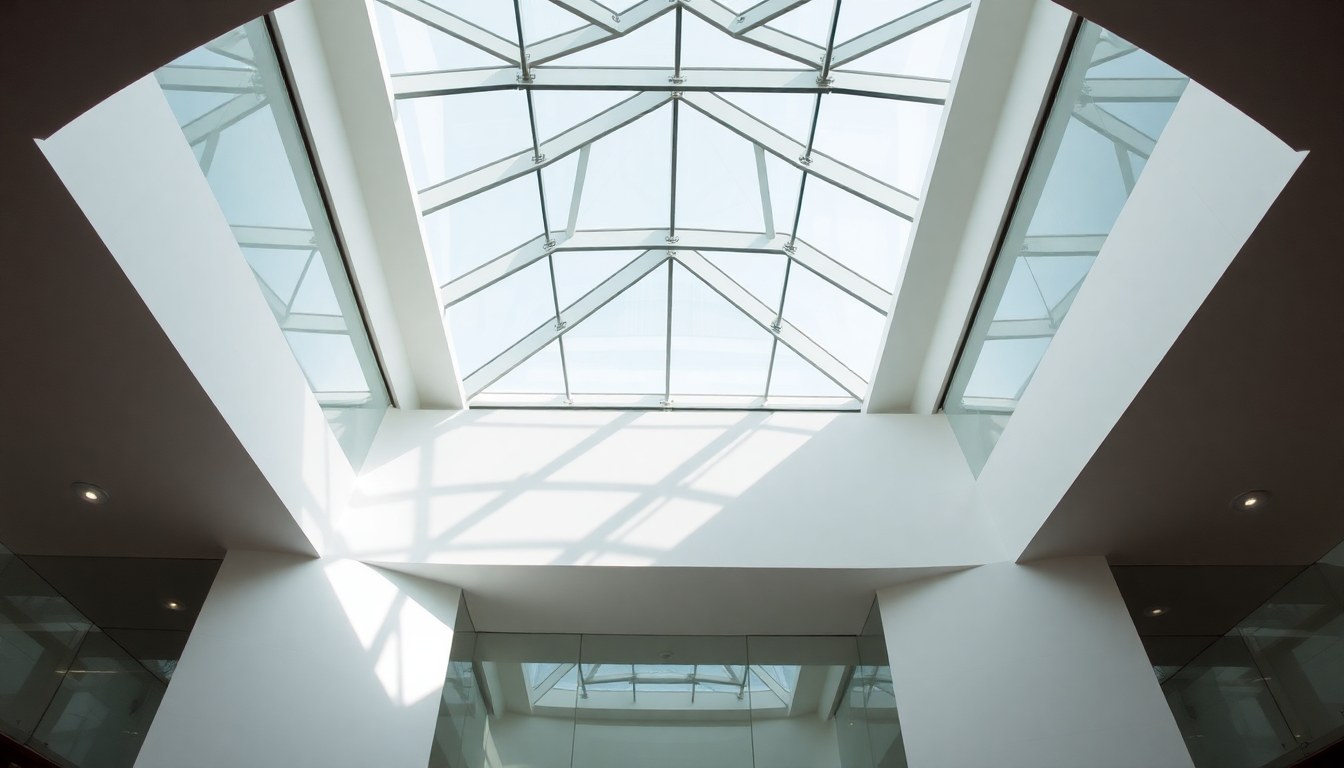
Mirrored glass ceilings create stunning visual depth and amplify natural light in commercial spaces, retail stores, and hospitality venues across India. However, installing these elegant architectural features requires careful structural planning, accurate weight load calculations, and strict adherence to safety standards. This technical guide walks you through everything you need to know about suspended mirrored glass ceilings—from material selection to installation protocols and regulatory compliance.
Understanding Mirrored Glass Ceiling Systems
Mirrored glass ceilings are suspended architectural elements composed of mirror-coated glass panels mounted on a structural framework. Unlike traditional drop ceilings, mirrored systems reflect light and space, making interiors appear larger and brighter. These systems are popular in shopping malls, restaurants, corporate offices, and luxury hotels throughout Indian metropolitan areas like Mumbai, Delhi, Bangalore, and Hyderabad.
The primary components of a mirrored glass ceiling system include the glass panels (typically 4mm to 6mm thickness), aluminum or steel suspension frames, mounting hardware, and structural support anchors. The choice of materials directly impacts the weight load capacity and safety performance of the entire installation.
Types of Mirrored Glass Used
- Float Glass with Mirror Coating: Standard 4mm or 5mm float glass with reflective coating applied to the rear surface
- Tempered Mirrored Glass: Heat-treated for increased strength and safety; breaks into small, harmless pieces if fractured
- Laminated Mirrored Glass: Multiple glass layers bonded with interlayer material; prevents shattering and maintains structural integrity if damaged
- Beveled Mirrored Glass: Edges cut at angles for aesthetic appeal; requires careful handling due to increased fragility
Weight Load Calculations and Structural Requirements
Accurate weight calculations form the foundation of safe mirrored glass ceiling installation. A single 4mm mirrored glass panel measuring 1 meter × 1 meter weighs approximately 15-16 kilograms, while 6mm panels weigh around 22-24 kilograms. These calculations must account for the glass itself, the aluminum frame, mounting brackets, and additional hardware.
Before installation begins, a structural engineer must assess the building's load-bearing capacity. The supporting structure—whether steel beams, RCC columns, or existing ceiling structures—must safely support the total suspended weight plus a safety factor of at least 1.5 times the calculated load. This safety margin ensures protection against unexpected stresses, vibration, and environmental factors.
Load Distribution Principles
Proper load distribution prevents stress concentration on any single point. In mirrored glass ceiling systems, loads are distributed across multiple suspension points rather than concentrated at one location. Engineers typically space suspension points 1.2 to 1.5 meters apart horizontally and 1.2 meters apart vertically to ensure even weight distribution.
The following table provides typical weight estimates for common mirrored glass ceiling configurations:
- 4mm Float Mirrored Glass (1m²): 15-16 kg
- 5mm Float Mirrored Glass (1m²): 18-20 kg
- 6mm Float Mirrored Glass (1m²): 22-24 kg
- Aluminum Frame System (per 1m²): 3-5 kg
- Total System Load (per 1m²): 20-30 kg
For a 100 square meter installation with 5mm mirrored glass, the total weight ranges from 2,000 to 3,000 kilograms. Structural support must be designed to handle this load safely across the entire ceiling area.
Safety Standards and Compliance in India
Mirrored glass ceiling installations in India must comply with several regulatory standards and building codes. The primary governing standards include IS 2250 (Code of Practice for Structural Safety of Buildings), IS 875 (Code of Practice for Design Loads), and local building bylaws established by municipal corporations.
The Bureau of Indian Standards (BIS) provides guidelines for glass and glazing systems. For suspended ceilings, compliance with IS 6533 (Code of Practice for Installation and Maintenance of Suspended Ceilings) is essential. Additionally, all glass products must carry ISI certification, confirming they meet quality and safety benchmarks.
Key Safety Requirements
- Tempered or Laminated Glass: Use safety glass types that prevent dangerous shards from falling if breakage occurs
- Structural Certification: Obtain calculations and approval from a qualified structural engineer
- Installation by Licensed Contractors: Only certified glass installation contractors should handle the work
- Regular Inspection: Conduct quarterly visual inspections and annual professional audits
- Maintenance Records: Maintain detailed logs of all installations, repairs, and inspections
Installation Best Practices and Procedures
Proper installation is critical for long-term safety and performance of mirrored glass ceilings. The process begins with site assessment and structural verification, followed by framework installation, glass panel mounting, and final safety testing.
Pre-Installation Phase
Before work begins, the installation team must verify the structural capacity of the building. This includes checking existing ceiling structures, identifying load-bearing elements, and confirming that the building's design can accommodate the additional weight. Environmental factors such as humidity, temperature fluctuations, and vibration sources must also be assessed, as these affect glass performance and longevity.
Framework Installation
The suspension framework is installed using heavy-duty anchors bolted directly to structural elements. Aluminum profiles or steel channels form a grid pattern, with suspension rods hanging from these anchors. All fasteners must be stainless steel or galvanized to prevent corrosion. The framework is leveled precisely using laser levels and spirit levels to ensure uniform panel alignment and proper load distribution.
Glass Panel Mounting
Glass panels are mounted onto the framework using specialized clips and brackets designed to accommodate thermal expansion and contraction. Each panel is carefully positioned and secured, with gaps left between panels to allow for movement without stress. Rubber or silicone gaskets are used to cushion glass edges and prevent direct contact with metal frames, which could cause stress fractures over time.
Post-Installation Testing
After installation, the entire system undergoes rigorous testing. Load tests confirm that all suspension points are properly secured and that the structure distributes weight evenly. Visual inspections check for alignment, proper spacing, and secure fastening. A safety certificate is issued by the installing contractor and structural engineer, documenting that the installation meets all applicable standards.
Common Installation Challenges and Solutions
Mirrored glass ceiling installations often encounter challenges related to structural limitations, environmental conditions, and building age. Understanding these challenges helps prevent costly mistakes and safety issues.
Inadequate Structural Support
Older buildings, particularly those constructed before modern building codes, may have insufficient load-bearing capacity. In such cases, reinforcement strategies include installing additional support beams, using lighter glass panels, or reducing the total ceiling area. Structural engineers can recommend cost-effective solutions that maintain aesthetic appeal while ensuring safety.
Thermal and Moisture Issues
Temperature fluctuations cause glass and metal frames to expand and contract at different rates. This differential expansion can create stress on fasteners and mounting points. Solutions include using flexible mounting systems, allowing adequate gaps between panels, and applying protective coatings to prevent moisture damage to mirror backing. In humid climates common to coastal Indian cities, anti-corrosion treatments are essential for aluminum and steel components.
Vibration and Seismic Considerations
Buildings in seismically active zones or near high-traffic areas experience vibrations that can loosen fasteners and stress glass panels. Installations in such areas require additional bracing, vibration-damping materials, and more frequent inspection schedules. For buildings in earthquake-prone regions, engineers may recommend using laminated glass, which remains intact even if cracks develop.
Maintenance and Ongoing Safety Management
Regular maintenance extends the life of mirrored glass ceilings and ensures continued safety. Maintenance schedules should include monthly visual inspections, quarterly professional assessments, and annual comprehensive audits conducted by certified contractors.
Cleaning should be performed carefully using non-abrasive cloths and pH-neutral cleaning solutions specifically formulated for mirrors. Harsh chemicals, abrasive scrubbers, and excessive water can damage the mirror coating and corrode fasteners. Safety inspections should check for loose fasteners, cracks, moisture penetration, and signs of corrosion or deterioration.
Documentation is crucial for liability protection and regulatory compliance. Maintain records of all installations, repairs, cleaning, and inspections. This documentation proves due diligence if safety issues arise and helps identify patterns requiring corrective action.
Cost Considerations for Mirrored Glass Ceiling Installation
The cost of mirrored glass ceiling installation varies based on glass type, panel size, structural complexity, and location within India. Basic installations with standard 4mm float mirrored glass typically range from ₹800 to ₹1,200 per square meter, including materials and labor. Tempered or laminated glass options cost ₹1,500 to ₹2,500 per square meter due to manufacturing complexity and enhanced safety features.
Structural reinforcement, if required, adds significant costs. Complex installations in heritage buildings or areas with stringent safety requirements may reach ₹3,000 to ₹4,000 per square meter. While higher upfront costs may seem burdensome, investing in quality materials, proper installation, and professional engineering ensures long-term safety, reduces maintenance expenses, and protects against liability issues.
Frequently Asked Questions
What is the maximum weight a mirrored glass ceiling can support?
The maximum weight depends entirely on the building's structural design and load-bearing capacity. A properly engineered installation with adequate support beams can support mirrored glass ceilings covering hundreds of square meters. However, each installation requires individual structural assessment by a qualified engineer. The safety factor must be at least 1.5 times the calculated load to account for unexpected stresses and environmental factors.
Is tempered glass necessary for mirrored glass ceilings?
While not always mandatory, tempered or laminated glass is strongly recommended for safety. Standard float glass shatters into large, sharp pieces if broken, creating serious injury risks. Tempered glass breaks into small, relatively harmless pieces, while laminated glass remains intact even if cracks develop. For installations in areas with high foot traffic or above occupied spaces, safety glass is essential and often required by building codes.
How often should mirrored glass ceilings be inspected?
Professional inspections should occur at least annually, with monthly visual checks performed by building maintenance staff. Quarterly inspections are recommended for installations in humid climates, seismically active zones, or high-vibration environments. After any major weather events, earthquakes, or structural work in the building, additional inspections should be conducted immediately.
Can mirrored glass ceilings be installed in old buildings?
Yes, but structural assessment is critical. Older buildings may require reinforcement to safely support the additional weight. Options include installing lighter panels, reducing the ceiling area, adding support beams, or using hybrid systems that combine mirrored glass with lighter materials. A structural engineer must evaluate the building's capacity before installation proceeds.
What cleaning products are safe for mirrored glass ceilings?
Use only pH-neutral, non-abrasive cleaning solutions specifically formulated for mirrors. Avoid vinegar-based cleaners, harsh chemicals, and abrasive scrubbers that damage the mirror coating. Distilled water with a small amount of mild dish soap works well. Always use soft, lint-free cloths and wipe gently. Never allow excess water to accumulate, as moisture can penetrate seals and corrode fasteners.
Connect with Glass Professionals on Glassy.in
Mirrored glass ceiling installation requires expertise, precision, and adherence to strict safety standards. If you're planning a mirrored glass ceiling project in India, connect with certified glass contractors, structural engineers, and installation specialists through Glassy.in, India's largest glass-business directory. Browse verified professionals, compare quotes, and find trusted partners who understand Indian building codes and safety requirements. Visit Glassy.in today to find the right glass solutions for your project.