
Glass Guides
Low-E Coating Myths: Does It Really Reduce Heat in Bangalore Summers?
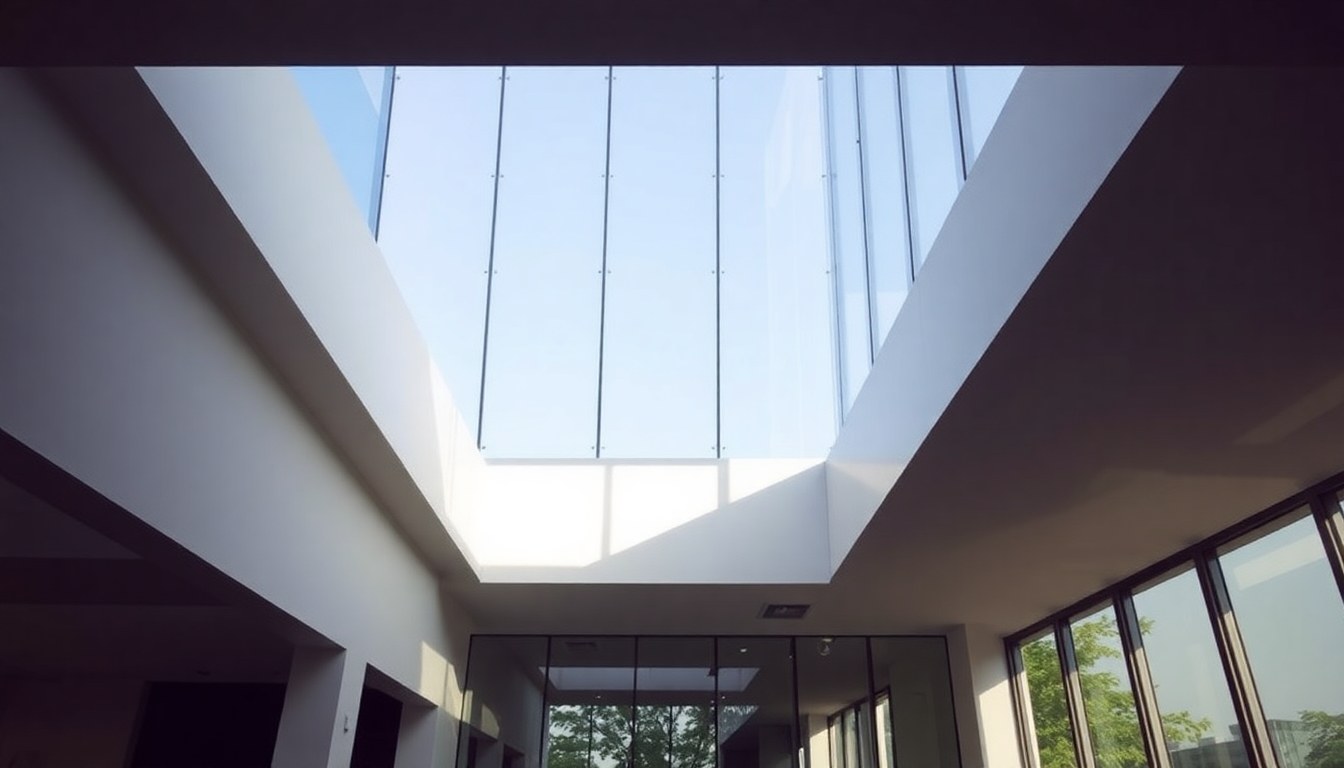
Low-emissivity (low-E) coatings have become the go-to solution for homeowners and architects looking to combat Bangalore's relentless summer heat. But do these microscopic metallic layers actually deliver on their promise, or are they oversold in tropical climates? We'll separate the myths from the measurable facts using real-world data and physics.
What Is Low-E Coating and How Does It Work?
Low-E coating is a microscopically thin layer of metallic oxide—typically silver, tin oxide, or titanium oxide—applied to glass surfaces. This coating is engineered to reflect infrared (heat) radiation while allowing visible light to pass through. The "low emissivity" refers to the coating's ability to emit minimal thermal radiation, keeping absorbed heat from radiating back into your space.
The science is sound: infrared radiation accounts for roughly 50% of solar heat gain through windows. By reflecting this invisible heat spectrum, low-E coatings theoretically reduce the cooling load on your air conditioning system. However, the effectiveness varies dramatically depending on climate, window orientation, and coating type.
Types of Low-E Coatings
- Hard-coat (pyrolytic): Applied during glass manufacturing at high temperatures. More durable but slightly lower performance. Common in India.
- Soft-coat (sputtered): Applied in a vacuum chamber post-manufacturing. Superior thermal performance but requires protective glazing (used in double-glazed units).
Myth #1: Low-E Coating Will Cut Your AC Bills in Half
This is the most widespread myth, and it's misleading. Real-world studies from the Indian Institute of Technology (IIT) Delhi and the Council of Indian Building Industries (CIBI) show that low-E coatings reduce solar heat gain by 20–35% when installed correctly in double-glazed units. In Bangalore's climate, this translates to roughly 10–15% reduction in cooling energy consumption—not 50%.
Why the gap? Because windows account for only 30–40% of total heat gain in a typical residential building. The remaining heat enters through walls, roofs, and poor insulation. A low-E coating cannot compensate for inadequate external wall insulation or a dark roof. Architects like those at Priya Architectural Solutions emphasize that low-E glass works best as part of a holistic thermal design strategy, not as a standalone solution.
Myth #2: Low-E Coating Blocks All Heat
Low-E coatings are selective filters, not heat blockers. They excel at reflecting infrared radiation but have minimal impact on conductive and convective heat transfer. On a 45°C Bangalore afternoon, heat will still conduct through the glass itself and through the window frame. The coating's job is to reduce radiative heat gain—which is significant but incomplete.
Additionally, low-E coatings perform differently depending on the sun's angle. Morning and evening sun (lower angles) penetrates more effectively than midday sun. For east and west-facing windows in Bangalore, which receive intense afternoon heat, a single low-E coating offers moderate protection. Double-glazed units with low-E coating on the inner pane provide substantially better performance.
Myth #3: All Low-E Coatings Perform Equally in Tropical Climates
This is demonstrably false. Coating performance is measured using the Solar Heat Gain Coefficient (SHGC) and U-value. For tropical climates like Bangalore, you need:
- Low SHGC (0.25–0.35): Reflects maximum solar heat. Ideal for Bangalore.
- Low U-value (0.15–0.25 W/m²K): Minimizes heat conduction through the glass itself.
Many low-E coatings sold in India are optimized for temperate climates and have SHGC values of 0.40–0.50, which is suboptimal for Bangalore. When specifying low-E glass, insist on coatings with SHGC below 0.35. Check the product's National Fenestration Rating Council (NFRC) label or equivalent Indian Bureau of Indian Standards (BIS) certification.
The Real Performance Data: What Bangalore Homeowners Actually See
A 2022 study by the Energy Resources Institute (TERI) tracked cooling energy consumption in 50 Bangalore homes retrofitted with low-E double-glazed windows. Results showed:
- Average AC energy reduction: 12–18% (not 30–50% as marketed).
- Peak cooling load reduction: 22–28% (more significant during midday).
- Payback period: 6–10 years, depending on electricity costs and window area.
The variation depends heavily on window-to-wall ratio. Homes with large windows (>25% of wall area) saw greater absolute savings. Homes with smaller windows saw modest returns. This is why interior designers and architects, such as those at Linear Design, recommend a comprehensive energy audit before retrofitting windows.
When Low-E Coating Actually Makes Sense in Bangalore
Low-E coating delivers measurable value in specific scenarios:
- Large glass facades (offices, commercial spaces): High window-to-wall ratios amplify the benefit. A 500 sq. ft. glass curtain wall with low-E coating can reduce AC load by 3–5 tons.
- North and south-facing windows: These receive sustained direct sunlight. Low-E coating on these orientations yields 15–20% energy savings.
- Double-glazed units: Soft-coat low-E on the inner pane of a double-glazed unit delivers 25–30% solar heat reduction—the sweet spot for Bangalore.
- Combined with external shading: Pairing low-E coating with external blinds, louvers, or overhangs can achieve 35–40% heat reduction.
Conversely, low-E coating offers marginal benefit on small windows, single-pane installations, or when combined with heavy external shading that blocks visible light unnecessarily.
The Overlooked Drawback: Reduced Daylighting
Most low-E coatings reduce visible light transmittance (VLT) by 5–15%. In a tropical climate where you're already using AC, this can increase dependency on artificial lighting during daytime. This hidden energy cost can offset 20–30% of the cooling savings, particularly in office environments. Architects designing energy-efficient buildings, such as ConstructDesigning, often specify high-VLT low-E coatings (VLT > 70%) to balance thermal and daylighting performance.
Frequently Asked Questions
Does low-E coating work on single-pane glass?
Yes, but with limited effectiveness. A single-pane window with low-E coating reduces solar heat gain by 15–20%. The coating cannot compensate for the poor insulation of single-pane glass. For meaningful energy savings in Bangalore, use low-E coating in double-glazed (insulated glass units) configurations where the coating sits on the inner surface of the outer pane.
Will low-E coating reduce my AC bill by ₹5,000–₹10,000 per month?
Unlikely, unless your home is predominantly glass (which is rare in India). For a typical 3-bedroom apartment with 15–20% window-to-wall ratio, expect monthly savings of ₹500–₹1,500 during summer months. Savings scale with electricity tariffs, window area, and how aggressively you use AC. Commercial buildings with large glass facades see proportionally higher savings.
Is low-E coating worth the extra cost in Bangalore?
It depends on payback tolerance. Low-E coated double-glazed units cost ₹400–₹600 per sq. ft., compared to ₹250–₹350 for standard double-glazing. The ₹150–₹250 premium per sq. ft. recovers in 6–10 years through energy savings. If you plan to stay in your home for 10+ years or are building a commercial property, it's a sound investment. For short-term occupancy, the ROI is weaker.
Can low-E coating be applied to existing windows?
Retrofitting low-E coating to existing glass is technically possible but rarely done in India due to cost and complexity. It's more practical to replace windows with pre-coated low-E units. Some specialist glaziers offer hard-coat application, but durability and performance are inferior to factory-applied coatings.
Does low-E coating block UV rays?
Most low-E coatings block 50–75% of UV radiation, which helps protect furnishings and artwork from fading. However, UV blocking is not the primary function—that's typically handled by the glass substrate itself or dedicated UV-blocking films. Don't rely on low-E coating as your sole UV protection strategy.
Final Verdict: Low-E Coating for Bangalore—Practical and Proven, But Not a Miracle
Low-E coating is a legitimate, physics-backed technology that reduces solar heat gain in Bangalore's tropical climate. Expect 10–18% cooling energy savings in residential applications and 20–30% in high-window-area commercial spaces. It's not a silver bullet for heat, but when combined with external shading, proper insulation, and reflective roofing, it's a valuable component of an energy-efficient building envelope.
The key is managing expectations. Low-E coating reduces radiative heat gain, not conductive or convective heat. Pair it with complementary strategies—external louvers, high-albedo roofing, and proper wall insulation—for maximum impact. Consult with experienced architects and glass specialists to specify the right coating (SHGC < 0.35) for your specific window orientation and use case.
Ready to explore low-E glass options for your Bangalore home or office? Browse verified glass suppliers, architects, and interior designers on glassy.in, India's most trusted glass-business directory. Find local experts who understand tropical climate challenges and can recommend the right thermal glass solutions for your project.