
Glass Guides
Insulated Glass Units (IGU) for False Ceiling Applications: Thermal & Acoustic Benefits
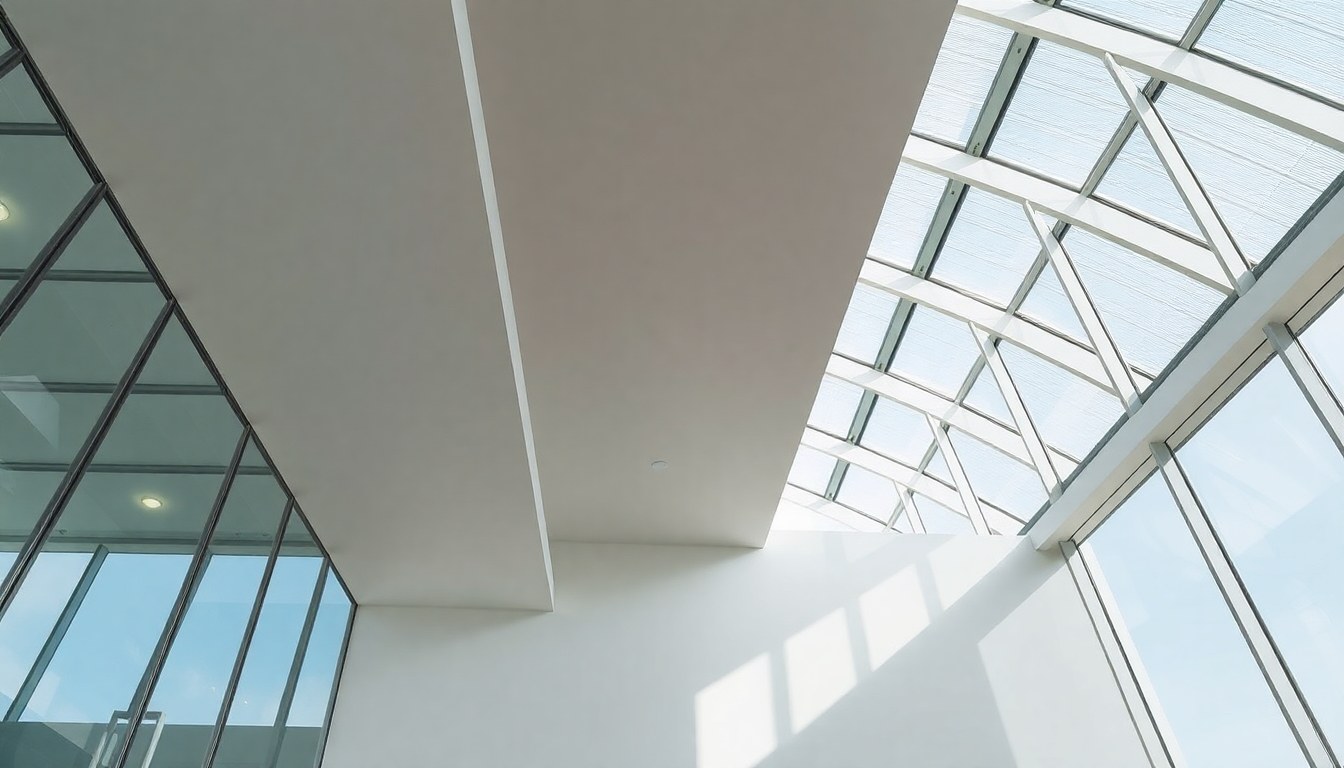
False ceiling systems have become standard in modern Indian buildings, offering aesthetic appeal and functional benefits like concealing utilities and improving acoustics. When integrated with Insulated Glass Units (IGUs), false ceilings transform into sophisticated thermal and sound-control solutions that significantly reduce energy consumption and enhance indoor comfort. This guide explores how IGU technology works within false ceiling applications and why architects and builders are increasingly adopting this combination for premium residential and commercial projects.
Understanding Insulated Glass Units (IGUs)
An Insulated Glass Unit consists of two or more panes of glass separated by a sealed air gap or inert gas (typically argon or krypton). This design creates a thermal barrier that prevents heat transfer between indoor and outdoor environments. The spacer bar between panes is engineered to minimize heat conduction, and the seal is hermetically closed to maintain the gas layer's integrity over the unit's lifespan, typically 10-20 years.
IGUs are measured by their U-value (thermal transmittance), which indicates how much heat passes through the unit. Lower U-values mean better insulation. Standard IGUs in the Indian market typically achieve U-values between 1.5 to 3.0 W/m²K, depending on glass thickness, gap width, and gas fill. High-performance IGUs can reach U-values as low as 0.8 W/m²K, making them ideal for climate-controlled commercial spaces and premium residential applications.
IGUs in False Ceiling Systems: Design Integration
Integrating IGUs into false ceiling frameworks requires careful structural planning. False ceilings traditionally use lightweight materials like gypsum board, mineral wool, or PVC panels suspended from the main structure. Adding IGUs increases load capacity requirements, necessitating reinforced aluminum or steel suspension systems. The IGU panels are typically mounted within aluminum frames that attach to the main grid structure, creating a sealed, thermally efficient ceiling assembly.
The installation process involves several key steps. First, structural engineers assess the building's load-bearing capacity and design appropriate suspension systems. Next, aluminum frames are installed to specifications, ensuring perfect alignment and seal integrity. IGU panels are then carefully positioned and secured, with silicone sealants applied to create airtight joints. Finally, the system is tested for air-tightness and thermal performance before the ceiling is fully integrated with the building's HVAC system.
Load-Bearing Capacity Considerations
IGU panels are heavier than conventional false ceiling materials—typically 20-30 kg per square meter depending on glass thickness and gas fill. This requires upgraded suspension systems, often using 1.2mm thick aluminum channels instead of standard 0.9mm profiles. Spacing between support points must be reduced, and additional cross-bracing may be necessary. Professional architects and structural consultants like Banashree Constructions or Advaith Consultants can ensure proper load distribution and safety compliance.
Thermal Insulation Benefits
India's diverse climate zones—from tropical coastal regions to temperate northern plains—create significant heating and cooling demands. IGU false ceilings address this challenge by creating a thermal break between conditioned interior spaces and unconditioned attic areas or external environments. In commercial buildings with suspended false ceilings, this translates to 15-25% reduction in HVAC energy consumption, depending on existing insulation levels and climate zone.
The thermal resistance of IGU systems works through multiple mechanisms. The air gap between glass panes traps heat, preventing radiation and conduction. Argon gas, commonly used in Indian IGU products, has lower thermal conductivity than air, enhancing insulation performance. The low-emissivity (Low-E) coatings often applied to inner glass surfaces reflect infrared radiation, further reducing heat transfer. In summer, this prevents external heat from entering air-conditioned spaces; in winter, it retains interior warmth.
Energy Cost Savings
A typical office building in Mumbai or Bangalore with 5,000 square meters of false ceiling space could save ₹2-3 lakhs annually on air conditioning costs by upgrading to IGU false ceilings. These savings compound over the system's 15-20 year lifespan, making the initial investment (typically ₹800-1,200 per square meter) recoverable within 4-6 years. Hospitals, data centers, and manufacturing facilities with continuous climate control see even faster payback periods.
Acoustic Performance and Sound Control
Noise pollution is a growing concern in Indian urban centers. False ceiling systems already provide acoustic benefits by creating an air cavity above the ceiling plane, but IGUs enhance this performance through multiple pathways. The sealed glass panes act as sound barriers, particularly effective against mid-to-high frequency noise (1,000-4,000 Hz). The air gap between IGU panes provides additional sound absorption, while mineral wool or acoustic foam installed above the IGU layer further dampens noise.
Sound Transmission Class (STC) ratings measure acoustic performance. Standard false ceilings achieve STC 30-35; IGU-based systems typically reach STC 40-45, representing a meaningful reduction in perceived noise. For commercial applications like office buildings, call centers, and hotels, this translates to quieter work environments and improved employee productivity. Residential applications benefit from reduced traffic noise, neighbor disturbance, and HVAC system sounds.
Noise Reduction Applications
- Office Buildings: Reduces open-plan office noise, improving concentration and reducing stress-related health issues
- Hospitals and Clinics: Minimizes patient disturbance from corridors and equipment, supporting faster recovery
- Hotels: Prevents inter-room noise transmission, enhancing guest experience and reputation
- Residential Apartments: Isolates living spaces from neighbor noise and building systems
- Educational Institutions: Creates quieter classrooms and study areas, improving learning outcomes
Practical Installation and Maintenance
Installing IGU false ceiling systems requires specialized expertise. The hermetic seal that provides thermal and acoustic benefits is also the system's critical vulnerability. Any breach allows moisture ingress and gas loss, degrading performance. Installation must follow strict protocols: maintaining proper humidity levels during installation, using compatible sealants, and ensuring correct frame alignment to prevent stress on glass edges.
Maintenance is straightforward but essential. The glass surfaces require periodic cleaning with appropriate products—never use abrasive cleaners that damage Low-E coatings. The sealed air gap requires no maintenance, but periodic inspection of seals and frames ensures longevity. Most manufacturers provide 10-year warranties on IGU units and 5-year warranties on seals. In India's humid climate, particularly in coastal regions, selecting IGUs with superior seal technology is crucial for preventing premature failure.
Maintenance Best Practices
- Clean glass surfaces monthly with soft microfiber cloths and mild soap solutions
- Inspect seals and frames quarterly for signs of deterioration or moisture
- Ensure HVAC systems maintain proper humidity levels (30-50%) to prevent condensation
- Document maintenance activities and seal inspections for warranty purposes
- Address any visible condensation between panes immediately, as this indicates seal failure
Cost Analysis and ROI Considerations
The investment in IGU false ceiling systems varies based on glass specifications, gas fill, frame materials, and regional labor costs. In metropolitan areas like Delhi, Mumbai, and Bangalore, typical costs range from ₹800 to ₹1,500 per square meter for complete installation, compared to ₹300-500 for conventional false ceilings. While the upfront premium is substantial, the operational savings and performance benefits justify the investment for most commercial and premium residential projects.
Return on investment calculations must consider multiple factors: energy savings, acoustic performance value (particularly in commercial settings where productivity improvements matter), maintenance cost reductions, and building value appreciation. A commercial property with superior thermal and acoustic performance commands premium rental rates and attracts quality tenants. Residential projects benefit from increased resale value and buyer appeal, often recovering the IGU premium within 3-5 years through higher sale prices.
Selecting Quality IGU Products and Suppliers
India's glass industry includes both established manufacturers and emerging suppliers. When selecting IGU products for false ceiling applications, prioritize suppliers offering certified products with proper documentation. Look for units manufactured to IS 13343:2021 (Indian Standard for sealed insulating glass units) and tested for thermal performance, air-tightness, and durability. Reputable suppliers provide detailed specifications, performance certifications, and comprehensive warranties.
Professional glass dealers and interior designers can guide material selection. Firms like Spectrum Interior and Kajal Glass Shop offer consultation services for false ceiling applications. Architectural visualization specialists like 3D Architectural Visualization can help stakeholders understand the final appearance and performance characteristics before installation begins.
Climate-Specific Considerations for India
India's varied climate zones require tailored IGU specifications. Coastal regions (Mumbai, Goa, Kochi) experience high humidity and salt air corrosion; here, select IGUs with enhanced seal technology and corrosion-resistant spacer bars. Hot-dry regions (Delhi, Jaipur, Pune) benefit from Low-E coatings that reflect solar heat; these can reduce cooling loads by 20-30%. Temperate regions (Bangalore, Hyderabad) see balanced heating and cooling demands, making standard IGU configurations cost-effective.
Monsoon regions require particular attention to humidity management. The air gap in IGUs must remain dry; moisture ingress indicates seal failure. Installing dehumidification systems and ensuring proper HVAC operation becomes critical. In tropical regions with year-round high humidity, selecting IGUs with desiccant-filled spacer bars (which absorb moisture within the unit) provides additional protection against condensation formation.
Frequently Asked Questions
What is the typical lifespan of IGU false ceiling systems?
IGU false ceiling systems typically last 15-20 years, with the glass and frame lasting the full period and seals potentially requiring attention after 10-12 years in humid climates. The sealed air gap remains intact if the unit's hermetic seal is not compromised. Proper maintenance, humidity control, and avoiding mechanical stress extend system longevity significantly. In India's humid regions, selecting high-quality seals and performing regular inspections helps prevent premature failure.
Can IGU false ceilings be retrofitted into existing buildings?
Yes, retrofit installation is possible but requires structural assessment to ensure the existing suspension system can support the additional weight. The main structure must be capable of handling 20-30 kg per square meter additional load. Retrofits typically involve removing the existing false ceiling, upgrading the suspension framework, and installing new IGU panels. This process is more expensive than new construction installation but remains economically viable for buildings seeking significant energy and acoustic improvements.
How do IGU false ceilings perform in India's humid climate?
IGUs perform well in humid climates when properly specified and maintained. The key is selecting units with desiccant-filled spacer bars and superior seal technology designed for high-humidity environments. Regular humidity monitoring (maintaining 30-50% relative humidity) and proper HVAC operation prevent condensation issues. In coastal regions, corrosion-resistant spacer bars and frames are essential. With these precautions, IGU systems provide reliable performance throughout India's monsoon and tropical climates.
What acoustic performance improvement can I expect from IGU false ceilings?
IGU false ceiling systems typically improve Sound Transmission Class (STC) ratings by 10-15 points compared to conventional false ceilings. Standard ceilings achieve STC 30-35; IGU systems reach STC 40-45. This translates to a noticeable reduction in perceived noise—approximately 50% less sound transmission. The improvement is most significant for mid-to-high frequency noise (office chatter, traffic, HVAC sounds). Combined with acoustic foam above the IGU layer, even greater sound reduction is achievable.
Are IGU false ceiling systems cost-effective for residential applications?
For premium residential projects, IGU false ceilings are cost-effective when considering long-term benefits. The initial investment (₹1,000-1,500 per square meter) is offset by energy savings, improved comfort, acoustic benefits, and increased property value. A 2,000 square meter residential space might spend ₹20-30 lakhs on IGU installation but gain ₹40-50 lakhs in property value appreciation and save ₹2-3 lakhs annually on air conditioning. For budget-conscious projects, conventional false ceilings remain the standard choice, though IGUs are becoming increasingly popular in mid-range and luxury segments.
Conclusion: Elevating Building Performance with IGU Technology
Insulated Glass Units represent a sophisticated solution for modern false ceiling applications, delivering measurable thermal insulation and acoustic performance improvements. For architects, builders, and property owners in India seeking to enhance energy efficiency, reduce operational costs, and improve indoor comfort, IGU false ceiling systems offer compelling value. The technology is particularly well-suited for commercial buildings, hospitality properties, healthcare facilities, and premium residential projects where thermal control and noise reduction directly impact occupant satisfaction and operational efficiency.
Explore glassy.in's comprehensive directory of glass suppliers, architects, and interior designers specializing in advanced ceiling solutions. Whether you're planning a new project or retrofitting an existing building, connecting with qualified professionals ensures proper specification, installation, and long-term performance of your IGU false ceiling system. Browse our listings to find trusted partners who can transform your building's thermal and acoustic performance today.