
Glass Guides
Laminated Glass vs Toughened Glass for Kitchen Backsplashes: Which Resists Heat Better?
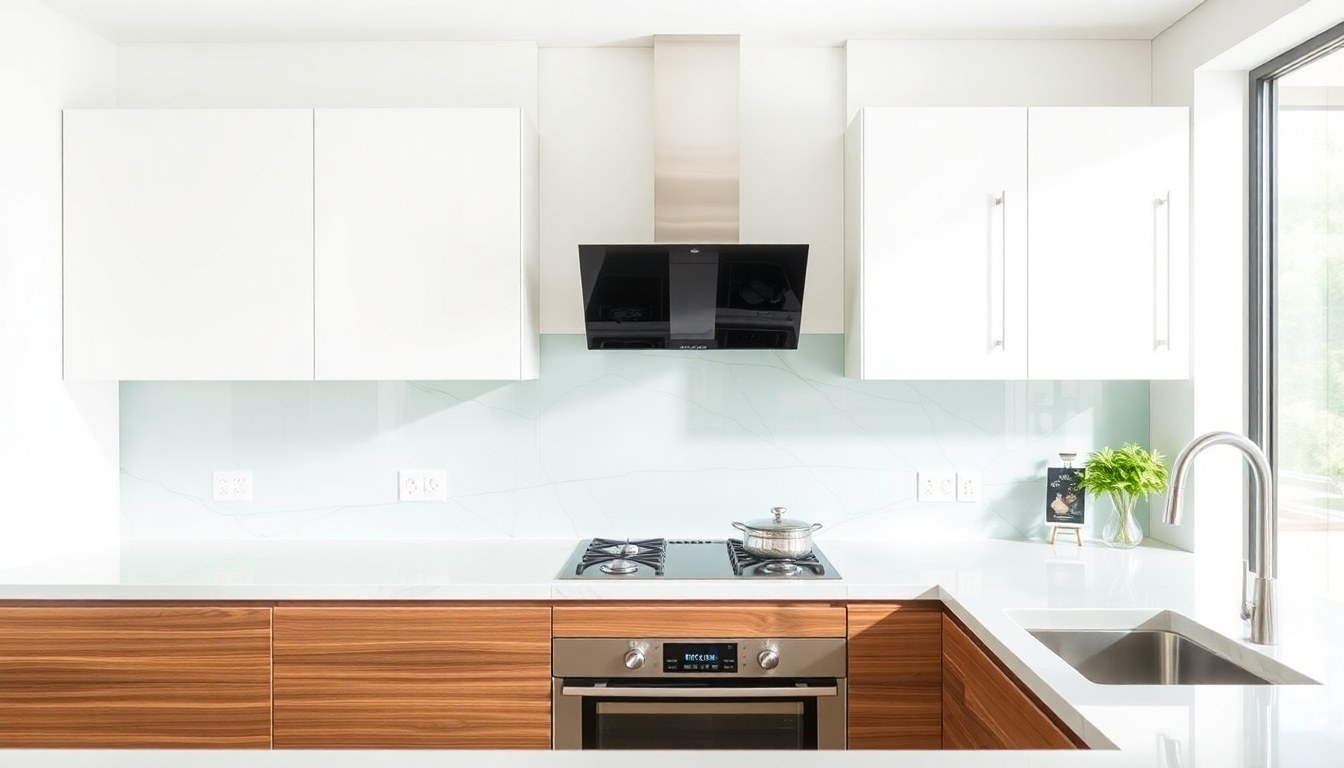
When renovating your kitchen, selecting the right backsplash material can dramatically improve both aesthetics and functionality. Laminated and toughened glass are two popular choices that offer distinct advantages, but they respond very differently to heat exposure. Understanding these differences is essential to ensure your backsplash withstands daily cooking demands while maintaining its beauty for years to come.
Understanding Laminated Glass for Kitchen Backsplashes
Laminated glass consists of two or more glass panes bonded together with a polyvinyl butyral (PVB) interlayer. This construction creates a strong, flexible material that has become increasingly popular in modern kitchen design. The interlayer acts as an adhesive and safety feature, holding the glass together if it breaks rather than shattering into dangerous shards.
The primary advantage of laminated glass is its versatility in design. You can incorporate decorative patterns, colors, and even custom artwork between the layers. This makes it an excellent choice for homeowners who want their backsplash to be a statement piece. Laminated glass also provides sound dampening properties, reducing kitchen noise—a benefit often overlooked but appreciated in busy households.
Heat Resistance of Laminated Glass
Here's where laminated glass shows a significant limitation: the PVB interlayer has a lower melting point than glass itself, typically around 80-100°C. While this may seem adequate for most kitchen applications, sustained or direct heat exposure can cause the interlayer to soften, discolor, or even delaminate. This is particularly problematic if your backsplash is directly behind a stovetop or in line with cooking heat.
Laminated glass performs adequately in low to moderate heat situations, such as areas near countertops or away from direct stovetop exposure. However, if you frequently use high-heat cooking methods or have an open flame cooktop, you'll need to maintain proper ventilation and spacing between the glass and heat source. Most manufacturers recommend keeping laminated glass at least 30-40 cm away from direct heat sources.
Understanding Toughened Glass for Kitchen Backsplashes
Toughened glass (also called tempered glass) undergoes a specialized heating and rapid cooling process that creates internal compressive stress. This treatment increases the glass's strength to approximately four to five times that of ordinary annealed glass. The result is a material that can withstand significant thermal and mechanical stress without compromising structural integrity.
The manufacturing process involves heating glass to around 650°C and then rapidly cooling it with jets of cold air. This creates a layer of compression on the glass surface while the interior remains in tension. When toughened glass does break, it shatters into small, relatively harmless granules rather than sharp shards—a crucial safety feature in kitchen environments where children or accidents are concerns.
Heat Resistance of Toughened Glass
Toughened glass significantly outperforms laminated glass in heat resistance. It can withstand temperatures up to 250°C without damage, making it ideal for kitchen backsplashes positioned directly behind stovetops. This high heat tolerance means you don't need to worry about thermal stress from cooking activities, steam, or even occasional splashes of boiling water.
The superior heat resistance of toughened glass comes from its molecular structure. The internal stress distribution allows the glass to absorb and dissipate heat more effectively than standard or laminated glass. This makes it the preferred choice for professional kitchens and home cooks who use their stoves frequently and intensively.
Durability and Longevity Comparison
Both materials offer excellent durability when properly installed, but they age differently. Toughened glass maintains its structural integrity indefinitely—the tempering process is permanent and doesn't degrade over time. Laminated glass, while initially strong, may gradually lose adhesion between layers if exposed to prolonged heat or moisture, potentially leading to visible separation or cloudiness.
In terms of impact resistance, toughened glass is superior. Its strength makes it more resistant to accidental bumps, dropped utensils, or impacts from cookware. Laminated glass, while safer when it breaks, is more susceptible to cracking from direct impacts. However, if your backsplash is in a low-traffic area away from the main work zone, this distinction becomes less critical.
- Toughened glass: Permanent strength, excellent thermal stability, superior impact resistance
- Laminated glass: Initial strength, potential long-term degradation under heat, better design flexibility
Installation and Maintenance Considerations
Installation requirements differ between these two materials, and this affects both cost and feasibility. Toughened glass must be cut and shaped before tempering, as it cannot be cut, drilled, or modified after the process. This means you need precise measurements and design plans before ordering. Once installed, toughened glass is relatively straightforward to mount using standard glass clips or adhesive.
Laminated glass offers more flexibility during installation since you can cut and drill it after manufacturing. This advantage can reduce installation time and cost, particularly if your kitchen layout requires custom sizing. However, this flexibility doesn't offset its heat limitations in high-temperature zones.
Maintenance Requirements
Both materials are easy to maintain, requiring only regular cleaning with glass cleaner and a soft cloth. Toughened glass is more resistant to thermal shock from temperature changes (such as using cold water to clean a hot backsplash), making it more forgiving during daily use. Laminated glass should be cleaned more gently and allowed to cool before exposure to cold water, as rapid temperature changes can stress the interlayer.
Cost Analysis and Value for Money
Pricing varies based on thickness, size, and customization, but generally toughened glass costs 15-25% more than standard laminated glass. For a typical 1.5-meter backsplash in an Indian kitchen, you can expect laminated glass to cost between ₹8,000-₹15,000, while toughened glass ranges from ₹10,000-₹20,000. These prices vary significantly based on your location and supplier.
When evaluating cost, consider the long-term value. Toughened glass's superior heat resistance and durability often justify the initial investment, particularly if you plan to stay in your home for many years. Laminated glass offers better value if your backsplash is positioned away from direct heat sources and you prioritize design flexibility and aesthetics.
For professional guidance on selecting the right glass type for your kitchen layout, consider consulting with experienced interior designers like Royal Kitchens and Interiors, which specializes in modular kitchens and glass integration.
Which Should You Choose for Your Kitchen?
The decision ultimately depends on your specific kitchen layout, cooking habits, and design priorities. Choose toughened glass if your backsplash will be directly behind a stovetop, you cook frequently with high heat, you prioritize safety and durability, or you want a material that requires minimal maintenance over decades. Toughened glass is also the better choice if you have young children in the home.
Choose laminated glass if your backsplash is positioned away from direct heat sources, you want maximum design flexibility with custom patterns or colors, you're working with a limited budget, or you prefer the aesthetic qualities of decorative interlayers. Ensure proper ventilation and maintain adequate distance from heat sources if you select laminated glass.
Many modern kitchens use a combination approach: toughened glass directly behind the stovetop and laminated glass with decorative elements in other areas. This hybrid solution balances functionality with design aesthetics. Suppliers like City Glass Palace and Aluminium Fabrication can help you source both materials and plan a mixed installation.
Frequently Asked Questions
Can laminated glass be used behind a cooktop?
Laminated glass can be used behind a cooktop if proper precautions are taken, including maintaining at least 30-40 cm distance from the heat source and ensuring excellent ventilation. However, toughened glass is the safer and more durable choice for this application. If you prefer the aesthetic benefits of laminated glass, consider using it in areas away from direct heat and reserving toughened glass for the immediate backsplash area behind your cooking surface.
Does toughened glass scratch easily?
Toughened glass is more scratch-resistant than laminated glass due to its superior hardness. However, no glass is completely scratch-proof. Regular use of abrasive cleaners or rough scouring pads can cause fine scratches on any glass surface. To maintain your toughened glass backsplash, use soft cloths and non-abrasive glass cleaners, and you'll enjoy a pristine appearance for years.
What happens if toughened glass breaks?
When toughened glass breaks, it shatters into small, relatively harmless granules rather than sharp shards. This is a significant safety advantage, especially in kitchens where people are working with sharp objects and hot surfaces. The granular breakage pattern makes cleanup easier and reduces injury risk. However, the entire panel will need replacement since toughened glass cannot be repaired.
Is laminated glass soundproof?
Laminated glass provides sound dampening properties due to its PVB interlayer, which absorbs sound vibrations. While it's not completely soundproof, it can noticeably reduce kitchen noise from appliances, running water, and cooking activities. If noise reduction is important to you, laminated glass is the better choice between these two options.
How long do these backsplashes typically last?
Toughened glass backsplashes can last 20-30 years or longer with proper care, as the tempering process is permanent and doesn't degrade. Laminated glass typically lasts 15-20 years, depending on heat exposure and environmental conditions. The interlayer in laminated glass may gradually lose adhesion over time, particularly in high-heat environments, which can reduce its lifespan.
Make Your Kitchen Backsplash Decision with Confidence
Choosing between laminated and toughened glass for your kitchen backsplash is an important decision that affects both your cooking experience and your kitchen's long-term durability. Toughened glass offers superior heat resistance and longevity, making it ideal for backsplashes behind stovetops. Laminated glass provides design flexibility and aesthetic appeal for areas away from direct heat.
Ready to transform your kitchen with the perfect glass backsplash? Browse verified glass suppliers, interior designers, and installation experts on glassy.in, India's largest glass-business directory. Find local professionals in your city who can help you source, design, and install the ideal backsplash material for your home.