
Glass Guides
Laminated Glass for Shopfront Security: Blast Resistance & Burglary Prevention
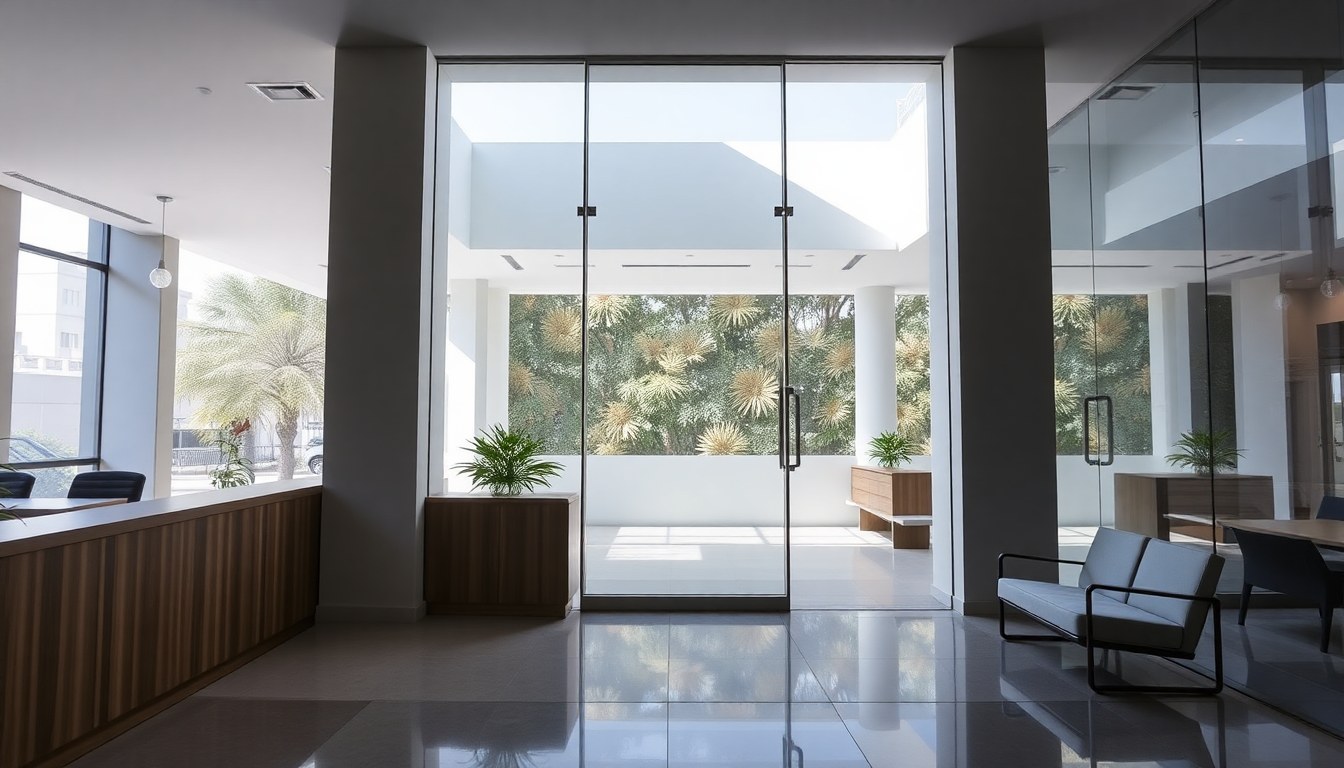
Retail storefronts face growing threats from smash-and-grab burglaries, vandalism, and in high-risk zones, blast impacts from explosions. Security-grade laminated glass has become the gold standard for protecting these vulnerable entry points, combining multiple layers of glass with polyvinyl butyral (PVB) interlayers to absorb impact energy and prevent shattering. This technical guide explores how laminated glass works, the standards that define its protective capabilities, and the real-world trade-offs between cost and security for Indian retailers.
How Laminated Glass Protects Against Impact and Blast
Laminated glass functions as a composite material—typically two or more panes of annealed or toughened glass bonded together with a PVB interlayer. When struck by force, the interlayer absorbs kinetic energy and holds glass fragments in place, preventing them from scattering. This "hold-back" effect is crucial: it delays penetration, reduces flying shards that cause injury, and makes the glass significantly harder to break through in a burglary attempt.
In blast scenarios, laminated glass performs differently than in burglary resistance. A blast wave creates both positive pressure (pushing inward) and negative pressure (pulling outward). Thicker PVB interlayers and multiple glass layers distribute this pressure over time, reducing peak stress on the material. The glass may crack, but the interlayer keeps it intact, preventing fragmentation that would otherwise allow blast energy and shrapnel to enter the building.
The Role of PVB Interlayers
Polyvinyl butyral (PVB) is a thermoplastic resin that bonds glass panes together while providing damping and flexibility. Standard PVB interlayers range from 0.38 mm to 1.52 mm in thickness. A single 0.38 mm layer offers basic impact resistance suitable for general burglary prevention. For enhanced blast resistance, manufacturers stack multiple layers: two 0.76 mm interlayers, three 0.76 mm layers, or even custom configurations up to 3 mm total thickness.
The thicker the PVB, the greater the energy absorption and delay before penetration occurs. However, thickness also increases cost, weight, and installation complexity. Retailers must balance protection level against practical constraints like frame strength and installation logistics.
Security Standards and Impact Testing for Laminated Glass
Several international standards govern security-grade laminated glass. Understanding these helps retailers specify the right product for their risk profile.
EN 356 Standard (European Impact Resistance)
EN 356 is the most widely referenced standard in India and Europe. It classifies laminated glass into six protection levels (P1A through P5A) based on impact resistance using a 4.11 kg steel ball dropped from increasing heights. P1A represents minimal protection (dropping from 1.5 m), while P5A demands the ball be dropped from 9 m without penetration. Most shopfront applications target P2A (3 m drop) to P3A (6 m drop), balancing cost and realistic threat scenarios.
EN 356 also includes a manual attack test where trained testers use hammers and chisels to attempt penetration over 3 minutes. This simulates burglary tools and is more relevant to retail security than the ball-drop test alone.
BS 5544 Standard (UK Resistance to Manual Attack)
BS 5544 focuses on resistance to hand tools and is increasingly adopted in India for burglary prevention. It rates glazing from 1 to 8, with Level 1 resisting 2 minutes of hammer and chisel attack and Level 8 resisting sustained attack for 15+ minutes. Shopfronts typically require Level 3 or 4 for effective burglary deterrence.
GSA Blast Resistance Standards
For high-risk areas or government buildings, the U.S. General Services Administration (GSA) publishes blast-resistant glass specifications. These define performance across blast pressure levels measured in pounds per square inch (PSI). Indian retailers in sensitive zones may reference these standards, though local building codes and insurance requirements usually take precedence.
PVB Thickness and Protection Levels: A Practical Breakdown
Choosing the right laminated glass thickness requires understanding what each configuration offers and its cost implications.
- Single 0.38 mm PVB (basic laminated): Meets EN 356 P1A. Prevents casual break-ins and vandalism. Typical cost: ₹800–1,200 per square meter. Suitable for low-risk urban retail.
- 0.76 mm PVB (P2A equivalent): Resists 3-meter ball drop and 2–3 minutes of manual attack. Cost: ₹1,200–1,800 per sq. m. Recommended for standard shopfronts in metropolitan areas.
- 1.52 mm PVB (P3A equivalent): Withstands 6-meter ball drop and 5+ minutes of sustained tool attack. Cost: ₹2,000–3,000 per sq. m. Ideal for jewelry stores, electronics retailers, and high-value goods.
- Dual or triple interlayers (2.28–3+ mm total): P4A–P5A performance with significant blast resistance. Cost: ₹3,500–6,000+ per sq. m. Reserved for maximum-security applications or government/institutional buildings.
Installation costs add 30–50% to material costs, depending on frame replacement needs and site complexity. A 10 sq. m shopfront with 1.52 mm PVB laminated glass might cost ₹20,000–30,000 installed—a meaningful investment but recoverable through insurance discounts and reduced theft losses.
Blast Resistance vs. Burglary Prevention: Understanding the Difference
While both threats benefit from laminated glass, the protection mechanisms differ. Burglary resistance prioritizes delay—making penetration slow enough that an intruder abandons the attempt or is apprehended. Blast resistance prioritizes fragment containment and structural integrity to protect occupants from flying glass and pressure waves.
A shopfront protecting against burglary needs moderate thickness (0.76–1.52 mm PVB) and manual attack resistance. A storefront in a blast-prone zone requires thicker interlayers and testing to higher pressure specifications. Some retailers in sensitive areas combine laminated glass with additional measures: security film overlays, protective frames, and polycarbonate backing panels.
Insurance and Risk Assessment
Insurance providers often specify minimum laminated glass standards for coverage. A policy might require EN 356 P2A for standard coverage but offer premium discounts for P3A or higher. In cities like Mumbai, Delhi, and Bangalore with documented retail theft patterns, insurers frequently mandate laminated glass. Retailers should obtain insurance requirements in writing before specifying glass to ensure compliance and maximize coverage.
Installation and Maintenance Considerations
Laminated glass requires proper installation to function as designed. The PVB interlayer bonds only if glass panes are clean and frames are precise. Poor installation can reduce impact resistance by 20–30%.
- Frame strength: Frames must be rigid enough to support the additional weight of thick laminated glass. Aluminum frames typically suffice, but older wooden frames may need reinforcement.
- Gasket and sealant: Use high-quality structural silicone sealants rated for laminated glass. Inferior sealants can fail under impact, compromising the entire assembly.
- Regular inspection: Laminated glass can develop micro-cracks over years that weaken impact resistance. Annual inspection by a qualified glazier identifies damage early.
- Cleaning: Use mild detergent and soft cloths. Abrasive cleaners can damage the PVB interlayer at edges.
Professional installation from a certified glazier is non-negotiable. DIY or low-cost installation voids warranties and may fail during an actual threat event.
Cost vs. Protection Trade-offs for Retailers
The decision to invest in security-grade laminated glass depends on theft risk, product value, location, and insurance incentives. A small bookstore in a low-crime suburb may justify only basic 0.38 mm laminated glass. A jewelry store or electronics retailer in a high-theft area should invest in P3A (1.52 mm) or higher.
Return on investment (ROI) calculation: If theft losses average ₹50,000 annually and laminated glass reduces losses by 60–80%, the investment pays for itself within 2–3 years. Insurance premium reductions (typically 10–15% for qualified laminated glass) accelerate payback further. Additionally, laminated glass enhances storefront appearance and brand perception, particularly in premium retail segments.
Phased installation is an option: secure the main display windows first, then extend protection to secondary entry points as budget allows. Prioritize windows facing the street and areas displaying high-value merchandise.
Frequently Asked Questions
What is the difference between laminated glass and tempered glass for security?
Tempered glass is heat-treated to be stronger but shatters into small cubes when broken, offering no penetration resistance. Laminated glass holds fragments together via PVB interlayers, delaying and often preventing penetration. For security, laminated glass is superior. Laminated tempered glass combines both technologies for maximum protection.
How long does it take to break through security-grade laminated glass?
EN 356 P2A laminated glass typically resists 2–3 minutes of sustained hammer and chisel attack. P3A resists 5+ minutes. Most burglars abandon attempts after 3 minutes due to noise and effort. Thicker PVB (1.52 mm and above) extends resistance time significantly, making break-ins impractical.
Can laminated glass be cut or drilled?
Laminated glass can be cut or drilled during manufacturing but is extremely difficult to cut after installation without specialized equipment. Attempting to cut installed laminated glass with standard tools is time-consuming and loud, making it impractical for burglars. This is one reason laminated glass is effective—it eliminates the quick-cut entry method.
Does laminated glass provide UV protection?
Yes. PVB interlayers block 99% of UV radiation, protecting merchandise from fading and reducing interior heat gain. This is a secondary but valuable benefit, especially for apparel and cosmetics retailers.
What is the typical lifespan of laminated glass?
High-quality laminated glass lasts 20–30 years or longer if properly installed and maintained. PVB interlayers can degrade if exposed to extreme heat or moisture, but interior shopfront installations rarely encounter such conditions. Regular inspection ensures early detection of any degradation.
Conclusion: Protecting Your Retail Investment
Security-grade laminated glass is a proven, cost-effective defense against burglary and blast impact. By understanding PVB thickness standards, impact testing protocols, and real-world protection levels, retailers can make informed decisions aligned with their risk profile and budget. Whether you operate a small shopfront or a chain of stores across India, investing in appropriate laminated glass reduces theft losses, lowers insurance premiums, and demonstrates commitment to security and customer safety.
Explore vetted glass suppliers and installation specialists through the glassy.in directory to find the right laminated glass solution for your shopfront security needs.