
Glass Guides
Frosted Glass vs Etched Glass: Durability and Maintenance Compared
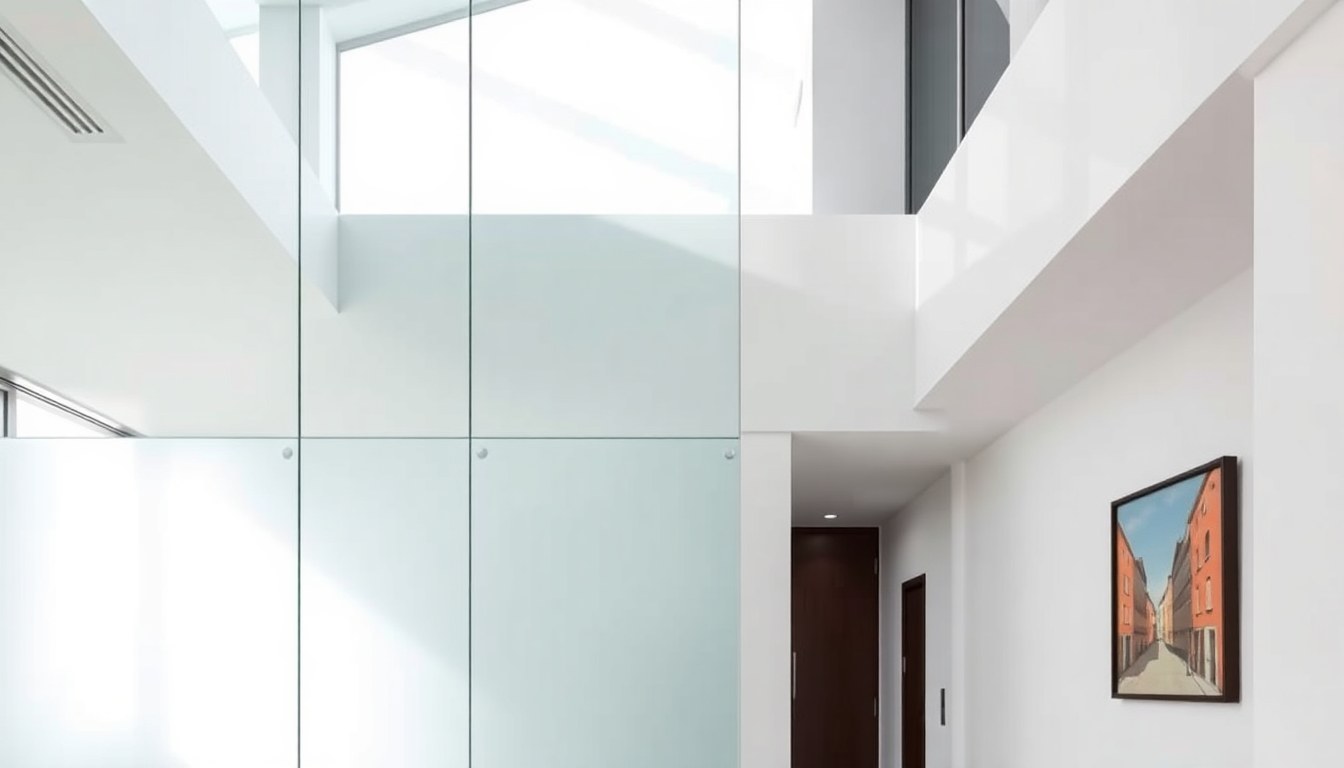
Frosted and etched glass finishes are popular choices for privacy, décor, and light diffusion in Indian homes and offices, but they behave very differently when it comes to durability and upkeep. Understanding the maintenance demands and longevity of each finish helps you make a choice that won't leave you frustrated after a few months of monsoon season or dust accumulation. This guide compares these two finishes head-to-head across durability, cleaning difficulty, cost, and real-world performance in Indian climates.
Understanding Frosted and Etched Glass: The Basics
Frosted glass is created by sandblasting or acid-treating the surface of clear glass to diffuse light and obscure visibility. The process leaves a fine, uniform texture across the glass that scatters light evenly, creating a milky appearance. This finish is reversible in some cases—the glass itself remains intact, and the frosted layer is purely surface-level.
Etched glass, by contrast, involves chemically or mechanically removing microscopic layers of glass to create patterns, designs, or an overall textured surface. The etching process physically alters the glass structure itself, making it a permanent modification. Etched designs can range from subtle all-over textures to intricate artistic patterns, offering greater customization than frosted finishes.
Key Structural Differences
- Frosted glass: Surface texture only; glass core remains smooth and solid
- Etched glass: Microscopic pits and grooves cut into the glass itself
- Visual clarity: Frosted appears uniformly hazy; etched can show fine detail in patterns
- Light diffusion: Both scatter light, but etched designs may create visual interest
Durability: Which Finish Lasts Longer?
Frosted glass finishes are generally more durable than etched glass in terms of resistance to wear and degradation. Because the frosted layer is a surface treatment applied to intact glass, the underlying material remains uncompromised. However, the frosted coating can gradually wear away with frequent cleaning, abrasive contact, or exposure to harsh weather. In Indian climates with heavy monsoons and dust, this wear becomes noticeable after 3–5 years of regular use on exterior or high-traffic surfaces.
Etched glass is inherently more fragile because the etching process removes material from the glass itself. The microscopic pits and grooves created during etching act as stress points where cracks can initiate. In areas prone to thermal shock—such as kitchen windows or doors exposed to sudden temperature changes—etched glass is more likely to develop fine cracks over time. Once a crack starts in etched glass, it tends to propagate along the weakened lines, potentially compromising the entire pane.
Performance in Indian Humidity and Climate
High humidity and temperature fluctuations common in Indian cities like Mumbai, Bangalore, and Kolkata test both finishes differently. Frosted glass handles moisture reasonably well; the surface texture can trap condensation, but the glass beneath remains sound. Etched glass, however, is more vulnerable. Water seeping into the microscopic grooves can cause stress during freeze-thaw cycles (less common in India, but relevant in hill stations), and prolonged moisture exposure can weaken the edges of etched patterns.
Dust and pollution accumulation is a serious concern in both finishes. Etched surfaces trap more particles because of their deeper texture, making them appear dirtier faster and requiring more aggressive cleaning to restore clarity. Frosted surfaces, being shallower, shed dust more easily and maintain a cleaner appearance with routine wiping.
Maintenance and Cleaning: Effort and Methods
Frosted glass is significantly easier to maintain than etched glass. Routine cleaning with a soft microfiber cloth and a mild glass cleaner (like a 1:1 vinegar-and-water solution) is usually sufficient. The smooth, uniform texture of frosted glass doesn't harbor debris, and streaks are less visible on the hazy surface. Weekly dusting and monthly deep cleaning keep frosted glass looking fresh with minimal effort.
Etched glass demands more careful and frequent maintenance. The grooves and pits in etched patterns trap dust, mineral deposits, and moisture, making them appear dull and discolored faster. Cleaning etched glass requires gentle brushing with a soft toothbrush or soft-bristled brush to dislodge particles from the grooves, followed by careful wiping with a damp cloth. Abrasive scrubbing or harsh chemicals can damage the delicate etched lines and cause the design to blur or fade.
Recommended Cleaning Products and Techniques
- Frosted glass: Vinegar solution, isopropyl alcohol, or commercial glass cleaners; microfiber cloth or soft sponge
- Etched glass: Mild soap and warm water; soft-bristled brush for grooves; avoid vinegar on some etches (test first)
- Frequency: Frosted: weekly dusting, monthly deep clean; Etched: weekly dusting with brush, bi-weekly wash
- Avoid: Frosted: high-pressure water sprays; Etched: abrasive powders, steel wool, harsh solvents
For both finishes, hard water deposits are a concern in Indian cities with high mineral content in tap water. Using distilled water for final rinses or installing a water softener reduces mineral buildup and keeps both finishes clearer longer.
Cost Comparison and Long-Term Value
Frosted glass typically costs ₹200–₹400 per square foot for basic sandblasted or acid-frosted finishes in Indian markets. Etched glass, especially with custom designs or intricate patterns, ranges from ₹300–₹800 per square foot or higher, depending on design complexity and artisanal work. For a standard 5x3 feet window, frosted glass might cost ₹3,000–₹6,000, while etched glass could run ₹4,500–₹12,000.
However, the long-term value calculation must account for maintenance costs and replacement frequency. Frosted glass, being easier to maintain and more durable, incurs lower upkeep costs over 5–10 years. Etched glass, requiring professional cleaning or more frequent DIY maintenance, accumulates higher operational costs. Additionally, if etched glass cracks due to stress points in the grooves, replacement costs are higher because of the custom design element. Frosted glass damage is usually easier and cheaper to repair or replace.
Cost Breakdown Over 10 Years (Per 5x3 ft Window)
- Frosted glass: Initial ₹3,000–₹6,000 + maintenance ₹500–₹1,000/year = ₹8,000–₹16,000
- Etched glass: Initial ₹4,500–₹12,000 + maintenance ₹1,000–₹2,000/year + potential replacement ₹5,000–₹10,000 = ₹14,500–₹32,000
For budget-conscious homeowners, frosted glass offers better value over time. For those prioritizing aesthetics and willing to invest in maintenance, etched glass's design appeal may justify the higher cost.
Aesthetic Longevity: Clarity and Appearance Over Time
Frosted glass maintains a consistent, clean appearance for many years if properly maintained. The uniform hazy finish doesn't fade or change color, and it resists yellowing even under prolonged UV exposure. However, the frosted layer itself can gradually wear away in high-traffic areas or where the glass is frequently touched, revealing small patches of clear glass. This wear is slow and usually not noticeable for 5+ years.
Etched glass, while beautiful initially, can lose its visual impact over time. Dust and mineral deposits settle into the grooves, making fine details harder to see and the overall pattern appear muddy. UV exposure can also cause some etching compounds or dyes (if colored etching is used) to fade. Professional cleaning can restore some clarity, but repeated aggressive cleaning eventually dulls the crisp lines of the etching.
In Indian homes with heavy dust and pollution, etched glass loses its aesthetic appeal faster than frosted glass. Homeowners in cities like Delhi or industrial areas often find that etched designs look significantly less striking after 2–3 years, whereas frosted glass remains visually consistent.
Which Finish Is Right for Your Home?
Choose frosted glass if you prioritize ease of maintenance, durability, and long-term cost savings. It's ideal for high-traffic areas, bathrooms, kitchens, and exterior windows where weather exposure and frequent cleaning are expected. Frosted glass is also the better choice in dusty or humid Indian climates where you want minimal upkeep.
Choose etched glass if you value custom design, artistic appeal, and are willing to invest time and money in regular professional cleaning. Etched glass works well for interior partitions, decorative panels, or low-traffic areas where it won't face harsh environmental stress. If you live in a controlled, dust-free environment (rare in India), etched glass can remain beautiful for years.
Frequently Asked Questions
Can frosted glass be made to look like etched glass?
Partially. Fine frosted finishes can mimic the hazy appearance of etching, but they won't have the depth or fine detail of true etched designs. If you want the look of etching without the durability concerns, ask your glass supplier about high-quality frosted finishes with subtle texture variations. However, true etched designs with intricate patterns cannot be replicated with frosting alone.
Which finish is better for bathroom windows in Indian monsoon climates?
Frosted glass is the clear winner for bathrooms. The moisture-heavy environment of monsoon season makes etched glass vulnerable to water seeping into grooves and causing stress. Frosted glass handles condensation well and dries quickly without trapping moisture. It's also easier to wipe clean after showers, which is essential in humid climates.
How often should etched glass be professionally cleaned?
In dusty Indian cities, etched glass should be professionally cleaned every 6–12 months to maintain its appearance. DIY cleaning with soft brushes can be done monthly, but professional cleaning with specialized tools and solutions is recommended at least once a year. Frosted glass rarely needs professional cleaning and can be maintained with regular home cleaning.
Does frosted glass become transparent over time?
Frosted glass doesn't become fully transparent, but the frosted layer can gradually wear away in high-contact areas, revealing small patches of clear glass. This process takes many years (5–10+) with normal use. To slow wear, avoid touching the frosted surface frequently and use gentle cleaning methods. If significant wear occurs, the glass can be re-frosted, though this is an additional expense.
Is etched glass more prone to cracking than frosted glass?
Yes. Because etching removes material from the glass, it creates microscopic stress points where cracks can initiate and propagate. Frosted glass, being a surface treatment on intact glass, is structurally stronger. Etched glass is more vulnerable to thermal shock, pressure, and impact, especially in Indian climates with temperature fluctuations.
Make Your Choice with Confidence
Both frosted and etched glass offer privacy and aesthetic appeal, but frosted glass wins on durability, maintenance ease, and long-term cost-effectiveness—especially in Indian climates with high humidity and dust. Etched glass delivers superior design customization but demands more care and investment. Evaluate your priorities, climate, and maintenance willingness before deciding. For expert advice on sourcing high-quality frosted or etched glass in your area, explore the verified glass suppliers and manufacturers listed on glassy.in, India's largest glass-business directory.