
Glass Guides
Reeded & Fluted Glass: Texture, Privacy & Where to Use It
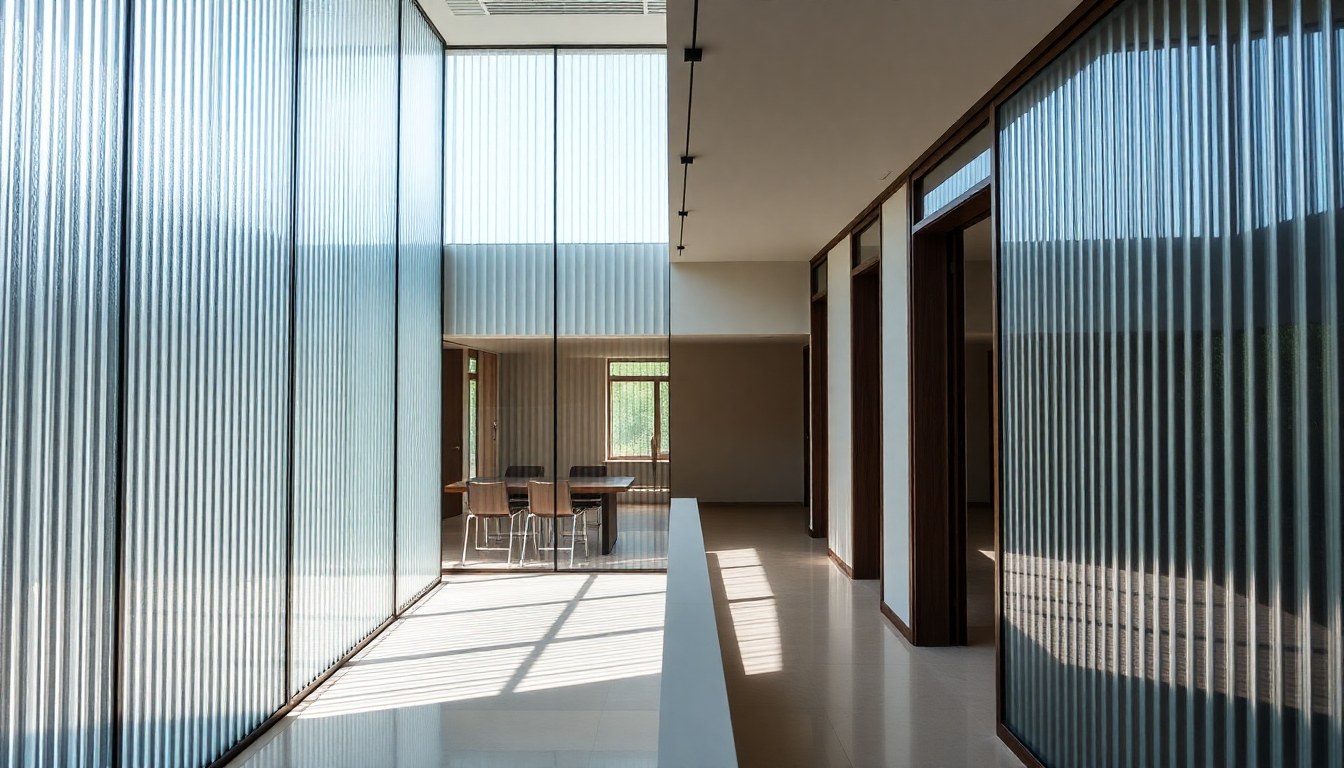
Reeded and fluted glass has become a go-to choice for homeowners and designers across India who want to balance aesthetics with privacy. These textured glass patterns create visual interest while diffusing light and obscuring views—making them ideal for kitchens, bathrooms, office cabins, and partition walls. Whether you're renovating a Mumbai apartment or designing a Bangalore office space, understanding how these glass types work will help you make the right choice for your needs.
What Are Reeded and Fluted Glass?
Reeded and fluted glass are textured glass products created during the manufacturing process by rolling molten glass over patterned surfaces. The result is a surface with parallel ridges or grooves that catch light in distinctive ways. While the terms are sometimes used interchangeably, there are subtle differences: reeded glass typically features thinner, more closely spaced lines, while fluted glass has deeper, more pronounced grooves.
These patterns are created using industrial rollers that impress the texture into the glass while it's still hot and malleable. The texture remains consistent across the entire sheet, creating a uniform appearance that works well in both traditional and contemporary design schemes. The manufacturing process doesn't compromise the structural integrity of the glass—it remains as strong and durable as clear glass of the same thickness.
Common Pattern Variations
- Vertical reeds: Straight lines running top to bottom, commonly used in cabinet doors and partition walls
- Horizontal flutes: Grooves running side to side, often preferred for bathroom windows and kitchen backsplashes
- Diagonal patterns: Lines at angles, offering a modern aesthetic for contemporary interiors
- Cross-hatched designs: Intersecting lines creating a grid effect, popular in office partitions
How Reeded and Fluted Glass Controls Light and Privacy
The primary appeal of reeded and fluted glass lies in its ability to obscure vision while still allowing light to pass through. The ridges and grooves scatter light rays, preventing a clear line of sight from one side to the other. However, the level of privacy depends on the depth and spacing of the texture, the thickness of the glass, and the angle of light hitting the surface.
During daylight hours, reeded glass provides moderate to high privacy depending on the pattern density. At night, when interior lights are on and exterior areas are dark, the privacy level decreases slightly because backlighting can create silhouettes. For maximum nighttime privacy in sensitive areas like bathrooms, consider pairing reeded glass with a frosted or sandblasted finish, or using thicker glass (8mm or 10mm) rather than standard 6mm sheets.
Light Diffusion and Aesthetics
Reeded and fluted glass diffuses light beautifully, creating soft, diffused illumination rather than harsh glare. This makes them excellent for spaces where you want to reduce glare without completely blocking natural light. In kitchens, this means you get good visibility for cooking while maintaining privacy from neighbors. In office cabins, employees benefit from natural light without the distraction of movement or silhouettes from outside.
The texture also creates interesting shadow patterns when sunlight passes through at low angles—particularly striking during early morning or late afternoon hours. These dynamic light effects add visual depth to otherwise plain walls and can make a space feel more sophisticated and thoughtfully designed.
Applications in Kitchens and Dining Areas
Kitchens are one of the most popular applications for reeded and fluted glass in Indian homes. Glass cabinet doors with reeded texture allow you to display dishware and decorative items while maintaining a cohesive, finished look. The texture hides dust and fingerprints better than clear glass, reducing maintenance requirements—a practical advantage in busy kitchens.
For kitchen windows and backsplashes, fluted glass provides privacy from adjacent buildings or street-facing views while still allowing natural light to brighten the workspace. Many homeowners in cities like Delhi, Bangalore, and Hyderabad use reeded glass for kitchen partition walls that separate cooking areas from living spaces, creating visual interest without completely blocking sightlines or light flow.
Design Considerations for Kitchen Applications
- Pair vertical reeds with modern cabinetry for a streamlined look
- Use horizontal flutes in backsplash applications to complement countertop lines
- Consider the direction of light sources when choosing pattern orientation
- Combine reeded glass with stainless steel or aluminum frames for contemporary kitchens
- Select appropriate thickness (6mm, 8mm, or 10mm) based on cabinet door span and weight
Office Cabins and Partition Walls
In commercial spaces, reeded and fluted glass strikes the perfect balance between openness and privacy. Office cabins with reeded glass walls allow natural light to flow throughout the workspace while giving employees a sense of privacy and separation from colleagues. This design approach has become increasingly popular in Indian corporate offices, where open-plan layouts are common but privacy remains important for focused work.
Partition walls using fluted glass can divide large office spaces without creating the closed-off feeling of solid walls or the transparency of clear glass. The texture also helps reduce noise transmission slightly, adding a subtle acoustic benefit to the visual privacy. For meeting rooms and conference areas, reeded glass partitions create professional-looking enclosures that still feel connected to the broader workspace.
Specifications for Commercial Applications
Commercial-grade reeded glass typically comes in thicker specifications (8mm, 10mm, or 12mm) to ensure durability and safety compliance. The glass should meet Indian Standards (IS) requirements for safety glass in public buildings. Many office designs incorporate reeded glass with aluminum framing systems that allow for easy installation, modification, and reconfiguration as business needs change.
Bathroom and Moisture-Prone Areas
Bathrooms are ideal spaces for reeded and fluted glass because the texture provides excellent privacy while the glass itself is moisture-resistant. Shower enclosures with fluted glass maintain a spa-like aesthetic while preventing visibility of the shower interior. Bathroom windows with reeded glass allow ventilation and natural light while blocking views from outside—crucial in densely populated Indian cities where privacy is at a premium.
The textured surface of reeded glass can accumulate mineral deposits and soap residue more easily than smooth glass because water collects in the grooves. Regular cleaning with a soft brush and appropriate glass cleaner will keep the texture looking fresh. For high-moisture areas, ensure proper ventilation and consider using tempered glass for added safety.
Choosing the Right Reeded or Fluted Glass for Your Space
Selecting the appropriate reeded or fluted glass depends on several factors: the level of privacy required, the direction and intensity of light in your space, your design aesthetic, and your budget. Standard reeded glass in 6mm thickness typically costs between ₹400–₹800 per square foot in India, while thicker or custom patterns may range from ₹800–₹1,500 per square foot.
Consider the orientation of your pattern carefully. Vertical reeds work well in narrow spaces and tall cabinet doors, while horizontal flutes complement wider applications and create a sense of continuity. Test samples in your actual space if possible—the way light interacts with the texture changes throughout the day, and seeing it in context helps you make the best decision.
Thickness and Safety Considerations
- 6mm reeded glass: Standard residential use, cabinet doors, non-load-bearing applications
- 8mm fluted glass: Shower enclosures, partition walls, areas with higher impact risk
- 10mm+ glass: Commercial partitions, large-span applications, areas requiring enhanced safety
- Tempered option: Always choose tempered glass for bathrooms, shower areas, and any application where safety is critical
Frequently Asked Questions
How much privacy does reeded glass actually provide?
Reeded glass provides moderate to high privacy during daylight hours, preventing clear sightlines while allowing light through. At night with interior lighting, privacy decreases slightly because backlighting can create silhouettes. For maximum privacy in sensitive areas like bathrooms, combine reeded glass with frosted finishes or use thicker glass (8mm or 10mm). The specific privacy level depends on the texture density, glass thickness, and lighting conditions.
Is reeded glass more expensive than clear glass?
Yes, reeded and fluted glass typically costs 20–40% more than standard clear glass because of the specialized manufacturing process. Standard 6mm reeded glass ranges from ₹400–₹800 per square foot in India, while thicker or custom patterns cost more. The added expense is justified by the privacy, light diffusion, and aesthetic benefits it provides, especially in high-visibility areas like kitchens and offices.
Can reeded glass be tempered for safety?
Absolutely. Reeded glass can be tempered during manufacturing, making it much safer for bathrooms, shower enclosures, and high-traffic areas. Tempered reeded glass is stronger than annealed (non-tempered) glass and will break into small, relatively harmless pieces if damaged. Always specify tempered glass for applications where safety is important, particularly in wet areas or spaces accessible to children.
How do I clean reeded and fluted glass?
Clean reeded glass regularly with a soft brush and appropriate glass cleaner to prevent mineral deposits and soap residue from accumulating in the grooves. Use a squeegee or soft cloth for drying. For stubborn deposits, a mixture of white vinegar and water works well. Avoid abrasive scrubbers that can scratch the glass surface. Regular maintenance keeps the texture looking fresh and maintains the clarity of light diffusion.
What's the difference between reeded and fluted glass?
Reeded glass typically features thinner, more closely spaced lines, while fluted glass has deeper, more pronounced grooves. The terms are often used interchangeably in the market. The choice between them depends on your privacy needs, aesthetic preference, and the specific application. Fluted patterns generally provide slightly more privacy due to deeper grooves, while reeded patterns offer a more subtle, refined appearance.
Find Quality Reeded and Fluted Glass Suppliers on Glassy.in
Ready to add reeded or fluted glass to your home or office? Explore India's largest glass-business directory at glassy.in to connect with verified glass suppliers, manufacturers, and installers in your city. Whether you need cabinet glass for your Bangalore kitchen, partition walls for a Delhi office, or shower enclosures for your Mumbai bathroom, you'll find trusted professionals ready to deliver quality products and expert installation.