
Glass Guides
Frosted Glass vs Acid-Etched Glass: Design & Durability Comparison
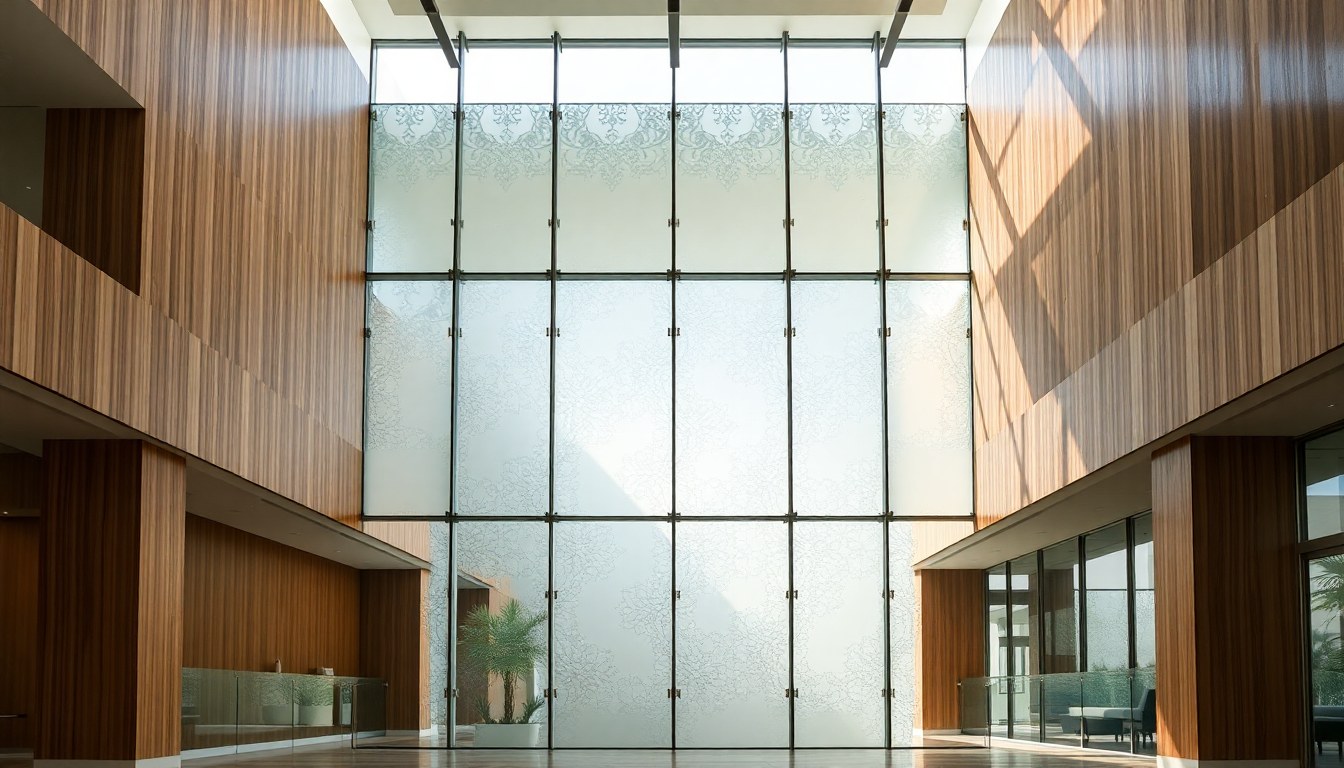
Frosted and acid-etched glass are popular choices for privacy, aesthetics, and modern interiors across India, but they're created through entirely different processes with distinct longevity and maintenance profiles. Understanding the technical differences between these two finishes will help you choose the right material for your bathroom, office partition, or shopfront—and avoid costly mistakes down the line.
What is Frosted Glass?
Frosted glass is created by sandblasting or grinding the surface of clear glass with fine abrasive particles, which scatters light and creates a translucent, milky appearance. This mechanical process removes a thin layer of the glass surface, creating thousands of microscopic pits that diffuse light evenly. The result is a soft, uniform finish that obscures visibility while still allowing light to pass through.
The frosting process is relatively quick and can be applied to almost any glass thickness or size. In India, frosted glass is widely used in bathroom windows, office partitions, and decorative applications because it offers immediate privacy without requiring additional curtains or blinds. The finish is consistent across the entire surface and doesn't require special sealing or coating.
What is Acid-Etched Glass?
Acid-etched glass is produced by applying a chemical solution—typically hydrofluoric acid or a safer alternative like ammonium bifluoride—to the glass surface. This chemical process dissolves the silica in the glass, creating a frosted appearance similar to sandblasting but through a different mechanism. The acid reacts with the glass itself rather than physically abrading it.
The acid-etching process allows for greater precision and can create decorative patterns, gradients, and designs that would be difficult to achieve with sandblasting alone. The chemical reaction produces a slightly smoother surface compared to frosted glass, though both appear visually similar to the naked eye. This method is commonly used for designer glass panels, architectural features, and high-end residential projects across metropolitan areas like Mumbai, Delhi, and Bangalore.
Key Differences in Production Methods
Sandblasting (Frosted Glass)
- Uses compressed air to force fine abrasive particles against the glass surface
- Creates a rough, mechanically abraded finish with visible micro-pits
- Faster process suitable for large-scale production
- Can be applied to pre-installed glass or during manufacturing
- No chemical residue or toxic fumes involved
Chemical Etching (Acid-Etched Glass)
- Applies hydrofluoric acid or safer alternatives to dissolve the glass surface
- Creates a chemically altered finish that's slightly smoother than sandblasted
- Allows for intricate patterns and custom designs
- Requires careful handling and proper safety protocols
- Produces a more uniform, controlled finish
Durability & Longevity Comparison
Frosted glass is highly durable and resistant to wear because the surface has been mechanically altered but remains chemically stable. The sandblasted finish doesn't degrade from UV exposure, temperature changes, or moisture—making it ideal for bathrooms and outdoor applications. Over time, frosted glass may accumulate dust or soap residue in the micro-pits, but the underlying finish remains unchanged for decades.
Acid-etched glass is equally durable in terms of chemical stability, but the etched surface can be slightly more prone to staining and discoloration because the chemical reaction creates a porous surface that traps particles more easily. However, both finishes are permanent and won't fade, peel, or require reapplication. In humid environments like Indian bathrooms, both perform well as long as they're properly maintained.
Environmental Factors
Neither frosted nor acid-etched glass is significantly affected by:
- Temperature fluctuations (common in Indian climates)
- High humidity and moisture exposure
- Direct sunlight and UV rays
- Thermal stress from heating or cooling
The primary difference is that acid-etched surfaces may show water spots and mineral deposits more visibly than frosted surfaces, particularly in areas with hard water—a common issue in cities like Delhi and parts of North India.
Maintenance & Cleaning Differences
Frosted glass requires regular cleaning to maintain its appearance, as dust and soap scum settle into the micro-pits created by sandblasting. Cleaning is straightforward: use a soft cloth with mild detergent and water, or a glass cleaner designed for frosted surfaces. Avoid abrasive scrubbers that could damage the finish. For bathroom applications, squeegee the glass after each shower to prevent water spots and mineral buildup.
Acid-etched glass is cleaned similarly, but the chemical surface can be slightly more delicate. Use pH-neutral cleaners and avoid acidic or alkaline products that might interact with the etched surface. Vinegar-based cleaners should be avoided, as they can alter the appearance of the finish over time. The good news: acid-etched glass often resists fingerprints better than frosted glass because of its slightly smoother texture.
Maintenance Schedule
- Weekly: Wipe with a dry, soft cloth to remove dust
- Bi-weekly: Clean with mild soap and water or pH-neutral glass cleaner
- Monthly: Deep clean to remove mineral deposits and buildup
- Quarterly: Inspect for damage or discoloration
Best Applications: Partitions, Bathrooms & Shopfronts
Office Partitions & Interior Dividers
Both frosted and acid-etched glass work excellently for office partitions. Frosted glass is more economical and faster to install, making it ideal for standard corporate spaces. Acid-etched glass offers design flexibility—you can incorporate company logos, patterns, or gradient effects—making it better for premium office environments or branded spaces. In Indian corporate hubs like Bangalore's IT corridor or Mumbai's financial district, acid-etched glass with custom designs is increasingly popular.
Bathroom Applications
Frosted glass is the go-to choice for bathroom windows and shower enclosures because it provides privacy, allows light diffusion, and is easy to maintain. The sandblasted finish resists soap scum buildup better than smooth glass and is highly durable in wet environments. Acid-etched glass also works well in bathrooms but requires slightly more careful cleaning to prevent mineral spotting, particularly in regions with hard water.
Shopfronts & Retail Displays
For shopfronts, acid-etched glass has a distinct advantage because it allows branding, decorative elements, and custom designs that catch customer attention. Frosted glass is better suited for privacy applications or creating visual separation without complete opacity. Many high-end retail stores in Delhi's Connaught Place or Mumbai's Fort area use acid-etched glass for aesthetic impact and brand differentiation.
Cost Comparison & Value for Money
Frosted glass is generally more affordable than acid-etched glass. The sandblasting process is faster and requires less specialized equipment or chemical handling. You can expect frosted glass to cost ₹300–₹800 per square foot depending on thickness and supplier, while acid-etched glass typically ranges from ₹500–₹1,200 per square foot due to the precision and design work involved.
If your project requires custom designs, patterns, or branding, acid-etched glass offers better value despite the higher upfront cost. For straightforward privacy and light diffusion, frosted glass is the cost-effective choice. Both are significantly cheaper than frosted films or adhesive privacy coatings that need replacement every few years.
Frequently Asked Questions
Can frosted glass be converted to acid-etched glass or vice versa?
No, the two processes are distinct and cannot be reversed or converted. Frosted glass is mechanically altered, while acid-etched glass is chemically altered. If you want to change finishes, you would need to replace the glass entirely. Choose carefully during the initial design phase to avoid costly replacements.
Which finish is better for areas with hard water?
Frosted glass performs slightly better in hard-water areas because water spots and mineral deposits are less visible on the textured surface. Acid-etched glass can show spotting more clearly due to its smoother surface. If you live in a hard-water region, regular cleaning and a water-softening system will help both finishes maintain their appearance.
Is acid-etched glass safe to install indoors?
Yes, acid-etched glass is completely safe once installed. The chemical process is completed during manufacturing, and the finished product contains no residual acid or toxic substances. The glass itself is chemically inert and poses no health risks. However, ensure your installer sources the glass from reputable manufacturers who follow proper chemical handling protocols during production.
How long do frosted and acid-etched finishes last?
Both finishes are permanent and will not fade, peel, or degrade over time. With proper maintenance, frosted and acid-etched glass can last 20+ years or the lifetime of the building. The underlying glass remains structurally sound indefinitely; only the surface finish requires regular cleaning to maintain appearance.
Which is better for outdoor applications?
Both frosted and acid-etched glass perform well outdoors and are unaffected by UV exposure, temperature swings, or rain. Frosted glass may require more frequent cleaning in dusty environments, while acid-etched glass is slightly more resistant to dust accumulation. For coastal areas with salt spray, ensure the glass edges are properly sealed to prevent moisture ingress.
Conclusion
Frosted glass and acid-etched glass are both excellent choices for privacy, design, and durability—but they serve different needs. Choose frosted glass for cost-effective privacy in bathrooms, partitions, and standard commercial applications. Choose acid-etched glass when you need custom designs, branding, or premium aesthetics for retail or high-end residential projects.
Ready to source high-quality frosted or acid-etched glass for your project? Browse verified glass suppliers, manufacturers, and installers across India on glassy.in—the country's most comprehensive glass business directory. Compare quotes, read reviews, and connect with trusted professionals in your city today.