
Glass Guides
Troubleshooting Condensation in IGU Windows: Causes & Solutions
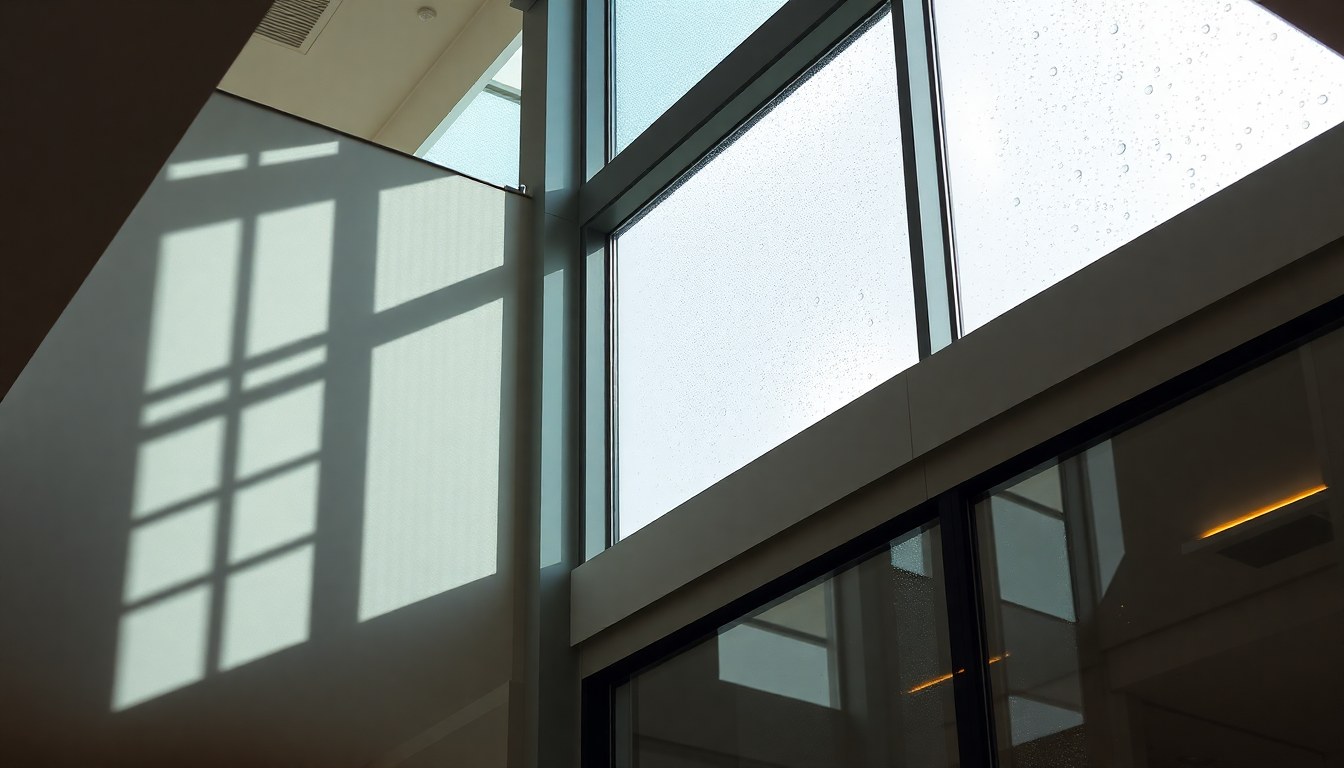
If you've noticed moisture or fogging appearing between the glass panes of your double-glazed windows, you're dealing with a common but serious problem in insulated glass units (IGUs). This internal condensation indicates that your window's seal has failed, allowing humid air to penetrate the sealed cavity where desiccant materials should be absorbing moisture. Understanding the root causes and knowing how to address them will help you restore clarity to your windows and prevent further damage to your home's thermal performance.
What Are IGU Windows and How Do They Work?
Insulated Glass Units (IGUs), commonly known as double-glazed or double-pane windows, consist of two or more glass panes separated by a spacer bar and sealed around the perimeter. The cavity between the panes is filled with dry air or inert gas (typically argon or krypton) and contains desiccant materials—usually silica gel or molecular sieves—that absorb any residual moisture during manufacturing.
This design creates an insulating air pocket that reduces heat transfer, improves energy efficiency, and minimizes outside noise. When functioning properly, an IGU can significantly lower your heating and cooling costs. However, when the seal fails, the entire system breaks down, and moisture infiltrates the cavity, causing the fogging you see between the panes.
Primary Causes of IGU Window Condensation
Seal Failure and Perimeter Degradation
The most common cause of internal window fogging is the failure of the primary or secondary seal that holds the IGU together. These seals are typically made of butyl or polyisobutylene rubber, which degrades over time due to exposure to UV radiation, temperature fluctuations, and moisture. In India's climate, where temperatures can swing dramatically between seasons and humidity levels remain high, seals often deteriorate faster than in temperate regions.
The primary seal (located between the spacer bar and glass) and secondary seal (the outer perimeter sealant) work together to keep the cavity hermetically sealed. Once either seal begins to crack or separate, humid air from outside enters the cavity, overwhelming the desiccant's capacity to absorb moisture. This process typically happens gradually, so you may notice small patches of fogging that expand over weeks or months.
Desiccant Saturation
Even before a complete seal failure, desiccant materials can become saturated, especially in high-humidity environments. Silica gel and molecular sieves have a finite capacity to absorb moisture. Once saturated, they cannot prevent condensation from forming on the inner glass surfaces. This is particularly problematic in coastal areas or regions with monsoon seasons, where humidity levels remain elevated for extended periods.
Poor manufacturing practices can also contribute to desiccant issues. If the desiccant was not properly activated before assembly or if it was exposed to moisture during production, it may lose effectiveness prematurely. Quality control during manufacturing is critical to the long-term performance of IGU windows.
Thermal Stress and Expansion
Temperature variations cause glass and the spacer bar to expand and contract at different rates. Over time, this repeated thermal stress can create micro-fractures in the sealant or cause the spacer bar to shift, breaking the seal. In India, where direct sunlight can heat window glass to 60-70°C on summer days while nighttime temperatures drop significantly, this stress is particularly acute.
Identifying Window Seal Failure: Early Warning Signs
- Fogging between panes: The most obvious sign. Condensation that appears only between glass layers (not on the interior or exterior surfaces) indicates a sealed cavity breach.
- Permanent moisture: Unlike surface condensation that wipes away, internal moisture persists because it's trapped inside the sealed unit.
- Visible mineral deposits: Hard water deposits or white residue on the inner glass surfaces suggest repeated moisture intrusion and evaporation cycles.
- Reduced insulation: You may notice increased drafts or higher heating/cooling bills as the insulating air layer becomes compromised.
- Discoloration or mold: In severe cases, moisture can lead to mold growth on the spacer bar or glass edges, visible as dark spots or staining.
Solutions for IGU Window Condensation
Short-Term Measures
If you've just noticed fogging and want to confirm the diagnosis, try this simple test: on a cold morning, check whether the condensation appears only between the panes or also on the room-facing surface. Internal fogging indicates seal failure. You can also run a dehumidifier in the affected room to reduce indoor humidity temporarily, which may slow the fogging process while you arrange a permanent fix.
Improve ventilation by opening windows regularly, especially after showers or cooking, to reduce humidity levels in your home. This won't fix the underlying seal failure but can minimize the appearance of fogging.
Professional Inspection and Diagnosis
Contact a qualified glass professional or window installer to assess the extent of seal failure. They can determine whether the issue is confined to one or two units or affects multiple windows. A thermal imaging inspection can reveal where seals are compromised. Professionals like Dzyner in Somajiguda or Flow Architects can provide expert evaluation and recommend the best course of action for your specific situation.
Replacement of Failed IGU Units
In most cases, the only permanent solution is to replace the failed IGU with a new one. Individual glass panes cannot be replaced within a sealed unit—the entire IGU must be removed and a new unit installed. When ordering replacement units, specify:
- Glass thickness and type (tempered, tinted, low-emissivity, etc.)
- Cavity width (typically 6mm, 9mm, or 12mm)
- Gas fill (air, argon, or krypton)
- Desiccant type and quality
Quality manufacturers use superior sealants, better desiccants, and more robust spacer bars designed to withstand India's climate extremes. Investing in premium IGU replacement now can prevent recurrence of the problem for 10-15 years or longer.
Window Frame and Installation Considerations
Sometimes seal failure is accelerated by poor installation or frame damage. Ensure that the window frame is structurally sound, properly sealed around the perimeter, and not subjected to excessive movement or stress. If your home has settled or if the frame has warped, this can put pressure on the IGU and contribute to seal failure.
When replacing units, use qualified installers who follow proper techniques: correct spacer placement, appropriate sealant application, and proper curing time. Interior designers and architects like Concept Craves can coordinate with experienced glass suppliers to ensure your replacement windows are installed correctly.
Prevention: Extending IGU Window Lifespan
While seal failure is sometimes inevitable, you can extend the life of your IGU windows through proper maintenance and environmental control:
- Manage indoor humidity: Keep relative humidity between 30-50% using dehumidifiers or air conditioning during monsoon seasons.
- Regular cleaning: Clean the exterior and interior glass surfaces to prevent debris from accumulating at seals.
- Inspect seals annually: Look for visible cracks, separation, or discoloration in the sealant, especially after extreme weather.
- Avoid thermal shock: Don't spray cold water on hot windows or place heating devices directly against glass in winter.
- Maintain proper ventilation: Ensure that window frames and surrounding areas have adequate air circulation to prevent moisture buildup.
Cost Considerations and Warranty Issues
The cost of replacing a failed IGU varies based on window size, glass type, and location. In India, expect to pay ₹3,000 to ₹8,000 per square meter for quality replacement units, plus installation. Some premium options with advanced coatings or gas fills may cost more.
Check your window warranty—many manufacturers offer 5-10 year guarantees on seal integrity. If your windows are within the warranty period, you may be eligible for free or discounted replacement. Document the fogging with photographs and contact the manufacturer or installer promptly to file a claim.
For new window installations or major renovations, consult with experienced architects like Sakriya Homes or Advaith Consultants who can specify high-performance IGU windows suited to India's climate and your building's thermal requirements.
When to Replace vs. Repair
In nearly all cases, replacing the failed IGU is the only viable solution. Attempts to "reseal" or "repair" a fogged window from the outside are temporary at best and often ineffective. Some companies offer services that drill small holes to inject desiccant or sealant, but these do not restore the original hermetic seal and may void your warranty.
If only one or two units in your home are affected, targeted replacement is cost-effective. If multiple windows show signs of seal failure, it may indicate a systemic installation issue, and you should investigate the root cause before replacing all units.
Frequently Asked Questions
Can I repair a fogged IGU window without replacing it?
Unfortunately, no. Once the seal has failed and moisture has entered the cavity, the only permanent solution is to replace the entire IGU unit. Temporary measures like dehumidifiers or injected sealants may mask the problem briefly but do not restore the window's insulating properties or prevent further deterioration.
How long do IGU windows typically last in India?
Quality IGU windows can last 10-15 years or longer in India's climate, though this depends heavily on installation quality, maintenance, and environmental factors. Coastal regions and areas with high humidity may experience seal failure sooner. Investing in premium units with superior sealants and desiccants can extend lifespan to 20+ years.
What's the difference between internal and external window condensation?
External condensation (on the outside of the window) is normal and indicates good insulation—the glass is cold, and warm outdoor air condenses on it. Internal condensation on room-facing surfaces suggests high indoor humidity and poor ventilation. Condensation between the glass panes, however, indicates seal failure and requires IGU replacement.
Will replacing my IGU windows reduce my electricity bills?
Yes, new IGU windows with intact seals and modern coatings (like low-emissivity glass) can reduce cooling costs by 15-30% compared to failed units that have lost their insulating properties. Over time, the energy savings can offset the replacement cost, especially in hot climates where air conditioning usage is high.
Should I replace all my windows if one IGU fails?
Not necessarily. If only one or two units show fogging, replace only those. However, if multiple windows across your home are affected, investigate whether a systemic installation problem exists. Consult with a glass professional or architect to assess whether the failures are isolated or indicate a broader issue with your window system.
Take Action Today
Condensation in IGU windows is a sign that your home's thermal envelope is compromised. Don't delay in addressing this issue—the longer you wait, the more your cooling efficiency suffers and the higher your energy bills climb. Explore the glassy.in directory to connect with qualified glass suppliers, architects, and installers in your area who can assess your windows and provide quality replacement solutions tailored to India's climate.