
Glass Guides
Glass Skylight Installation Guide: Structural Support, Sealing & Maintenance
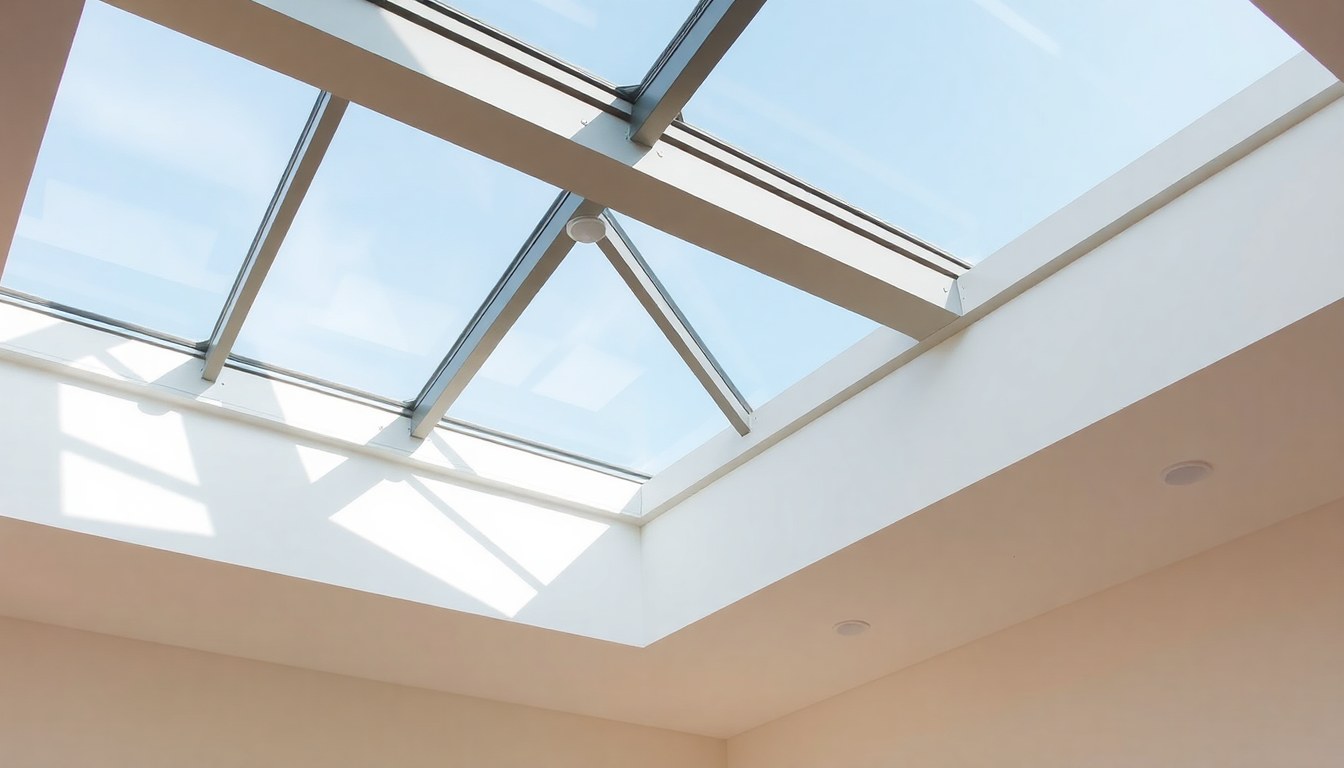
Glass skylights transform any room by flooding it with natural light and creating a sense of openness that artificial lighting simply cannot replicate. However, improper installation can lead to water leaks, structural damage, and energy loss—common problems in Indian homes where monsoon seasons and temperature fluctuations demand robust weatherproofing. This guide walks you through every step of skylight installation, from assessing your roof's structural capacity to maintaining your skylight year-round.
Understanding Structural Requirements for Skylight Installation
Before cutting into your roof, you must evaluate whether your home's structure can support a skylight. The roof framing, beam spacing, and overall load-bearing capacity determine what size and type of skylight you can safely install. Most Indian residential roofs are designed for standard loads, but adding a heavy glass skylight requires reinforcement in specific areas.
Begin by identifying the roof's composition and framing pattern. Concrete roofs (common in urban India) require different installation techniques than pitched tile or metal roofs. Measure the distance between roof beams or joists—standard spacing is 16 inches or 24 inches apart. If your beams are spaced wider, you'll need additional support structures. For skylights larger than 3 feet by 3 feet, consult a structural engineer to ensure your roof can handle the concentrated load and stress points created by the installation.
Load Calculations and Roof Assessment
The weight of a glass skylight includes the glass panes, frame, and any additional glazing materials. A typical double-glazed skylight weighs 15–25 kg, while larger units can exceed 50 kg. Your roof must support this weight plus live loads from rain accumulation, wind pressure, and potential foot traffic during maintenance. In monsoon-prone regions like Kerala, Maharashtra, and Assam, wind loads and water weight are significantly higher.
Perform a visual inspection of your roof from both inside and outside the attic space. Look for signs of existing damage, sagging, or moisture. If you notice any structural weakness, water stains, or pest damage, address these issues before installation. Document your findings with photos and measurements—this information will be invaluable when working with contractors or engineers.
Choosing the Right Skylight Type and Materials
Glass skylights come in several varieties, each suited to different climates and budgets. Understanding your options helps you select a product that balances durability, energy efficiency, and cost.
Single-Glazed vs. Double-Glazed Skylights
Single-glazed skylights are cheaper (₹8,000–₹15,000 for a 2x2 ft unit) but offer poor insulation and are prone to condensation in humid climates. Double-glazed skylights (₹18,000–₹35,000) have an air gap between panes that reduces heat transfer and prevents condensation, making them ideal for Indian summers and monsoons. Triple-glazed options exist but are expensive and rarely necessary in India unless your home is in a high-altitude, cold region.
Fixed vs. Openable Skylights
Fixed skylights are stationary and less expensive, while openable skylights allow ventilation and heat escape—valuable in hot climates. Openable models cost 30–40% more but improve natural air circulation, reducing air-conditioning dependency. In cities like Delhi and Bangalore, where summer temperatures soar, openable skylights provide significant energy savings.
Step-by-Step Installation Process
Proper installation is critical to preventing leaks and ensuring longevity. Follow these steps carefully, or hire a qualified contractor experienced with skylight installations in your region.
1. Planning and Marking the Opening
Mark the skylight location on your roof from inside the attic using a drill bit or chalk line. The opening should be 2 inches smaller than the skylight frame on all sides to allow for flashing and sealant. Avoid placing skylights directly above electrical wiring, plumbing, or HVAC ducts. Once marked, drill a pilot hole through the roof at each corner of your planned opening.
2. Cutting the Roof Opening
From the exterior, use a reciprocating saw or jigsaw to cut along your marked lines. If you have a concrete roof, use a diamond blade and wet saw to prevent dust. For tile or metal roofs, carefully remove tiles or sections before cutting. Work slowly and carefully—rushing this step can cause uneven cuts and weak edges that compromise weatherproofing.
3. Installing Roof Flashing
Flashing is the metal or rubber component that channels water away from the skylight frame and onto the roof surface. This is perhaps the most critical weatherproofing element. Install flashing according to your roof type:
- Pitched tile roofs: Slide the flashing under the tiles above the opening and over the tiles below. Secure with roofing nails or screws and seal with silicone.
- Metal roofs: Rivet or screw flashing directly to the roof sheet, overlapping seams by at least 2 inches.
- Concrete roofs: Use a rubber or PVC flashing boot sealed with polyurethane sealant or bituminous membrane.
4. Positioning and Securing the Skylight Frame
Carefully lift the skylight frame into the opening. It should rest evenly on the flashing with no gaps. Check for level using a spirit level in multiple directions. Secure the frame using the manufacturer's provided fasteners—typically stainless steel bolts or screws. Over-tightening can crack the glass, so apply even, moderate pressure.
5. Sealing and Weatherproofing
Apply a bead of polyurethane sealant or silicone caulk (rated for outdoor use) around the entire perimeter where the frame meets the flashing. In monsoon regions, use a marine-grade sealant rated for high moisture exposure. Allow sealant to cure fully (24–48 hours) before exposing the skylight to rain.
Weatherproofing and Sealing Techniques for Indian Climates
India's diverse climates—from humid coastal regions to dry northern plains—demand region-specific weatherproofing approaches. The monsoon season brings heavy, sustained rainfall that tests every seal and joint in your installation.
Monsoon-Ready Sealing
In regions experiencing heavy monsoons (June–September), double-seal all joints. Apply a primary silicone sealant, allow it to cure, then apply a secondary polyurethane sealant for redundancy. Install a secondary drainage pan or gutter inside your attic space to catch any water that penetrates the primary seal. This "belt and suspenders" approach prevents catastrophic leaks during peak rainfall months.
Thermal Expansion Considerations
Temperature swings in Indian cities can exceed 15°C daily. Glass and metal frames expand and contract at different rates, creating stress on seals. Use flexible, high-movement sealants (rated for ±25% movement) rather than rigid caulks. Check seals annually and re-seal if you notice cracking or separation.
Maintenance Schedule and Seasonal Care
Regular maintenance extends skylight lifespan and prevents costly repairs. Establish a maintenance routine aligned with India's seasons.
Monsoon Season Preparation (May–June)
Before the monsoon arrives, inspect the skylight exterior for debris, cracks, or loose flashing. Clean gutters and drainage areas around the skylight. Check interior seals for any signs of water staining or mold. If you find issues, address them immediately—don't wait until heavy rains begin.
Post-Monsoon Inspection (October)
After monsoons end, thoroughly inspect for water damage, leaks, or seal deterioration. Look for water stains on the interior ceiling around the skylight. Check the attic space for moisture or mold growth. If seals have separated or caulk has cracked, re-seal promptly to prevent damage during the next monsoon.
Summer and Winter Maintenance
In summer, clean the skylight glass quarterly to maintain light transmission. Dust and pollution accumulation reduces natural light by up to 30%. Use a soft brush and mild soap solution—avoid abrasive cleaners that scratch glass. In winter (particularly in northern regions), check for condensation between panes, which indicates a failed seal requiring professional replacement.
Annual Tasks
- Inspect flashing for rust, corrosion, or separation
- Test openable skylights for smooth operation
- Check caulking and re-seal if gaps appear
- Trim tree branches that hang over the skylight
- Inspect interior for any signs of water intrusion
Common Installation Mistakes to Avoid
Learning from others' mistakes saves time, money, and frustration. Here are the most common errors seen in Indian homes:
Insufficient flashing overlap: Flashing must overlap roof materials by at least 2 inches on all sides. Undersized flashing is the leading cause of skylight leaks. Using indoor-rated sealants: Never use interior caulk outdoors. It degrades quickly in UV light and moisture, leading to leaks within months. Always use exterior-rated, flexible sealants. Ignoring structural reinforcement: Cutting roof openings without proper support can cause the roof to sag or crack. If your beams aren't adequate, install additional support beams before cutting. Skipping the secondary drain: A secondary drainage system inside the attic catches leaks before they damage ceilings and insulation.
Cost Estimates for Indian Markets
Skylight installation costs vary by location, size, and material. In major Indian cities:
- Materials: ₹12,000–₹50,000 (depending on size and glazing type)
- Labor: ₹8,000–₹20,000 for standard installations
- Structural reinforcement (if needed): ₹15,000–₹40,000
- Total project cost: ₹35,000–₹110,000 for a typical residential skylight
Prices are higher in metro areas (Mumbai, Delhi, Bangalore) and lower in tier-2 cities. Obtain multiple quotes from local contractors and verify their experience with skylight installations in your specific climate zone.
Frequently Asked Questions
What is the best time to install a skylight in India?
The ideal installation window is October to April, outside the monsoon season. This allows sealants to cure properly without heavy rain exposure. If you must install during monsoon season, ensure all work is completed and cured at least 2 weeks before peak rainfall in your region.
How do I prevent condensation on my skylight?
Condensation occurs when warm, humid indoor air meets cold glass. Double or triple-glazed skylights significantly reduce condensation. Additionally, ensure adequate ventilation in your home, use exhaust fans in kitchens and bathrooms, and maintain indoor humidity below 60%. In humid climates, openable skylights help release excess moisture.
Can I install a skylight on a flat concrete roof?
Yes, concrete roofs are actually ideal for skylights because they provide excellent structural support. Use a rubber or PVC flashing boot sealed with polyurethane or bituminous membrane. Ensure proper slope or drainage to prevent water pooling around the skylight base.
How often should I clean my skylight?
Clean skylights every 3–4 months, or more frequently if you live in a dusty area or near industrial zones. Regular cleaning maintains light transmission and allows you to spot cracks or seal deterioration early. Use a soft brush, mild soap, and water—never use high-pressure washers that can damage seals.
What warranty do skylight manufacturers offer?
Most reputable manufacturers offer 5–10 year warranties on glass and frames, and 2–5 years on seals and gaskets. Read warranty terms carefully—many exclude damage from improper installation, which is why hiring experienced contractors matters. Keep all installation documentation and receipts for warranty claims.
Glass skylights are an excellent investment for Indian homes, bringing natural light and aesthetic appeal while reducing energy costs. Proper installation and maintenance ensure your skylight remains leak-free and beautiful for decades. Whether you're handling installation yourself or hiring a contractor, use this guide to understand every step of the process. Ready to find qualified glass suppliers and skylight installers in your area? Browse the Glassy.in directory to connect with trusted professionals who understand India's unique climate challenges and building requirements.