
Glass Guides
Low-E Coated Glass for Shopfronts: Reduce Heat Loss & Showcase Products
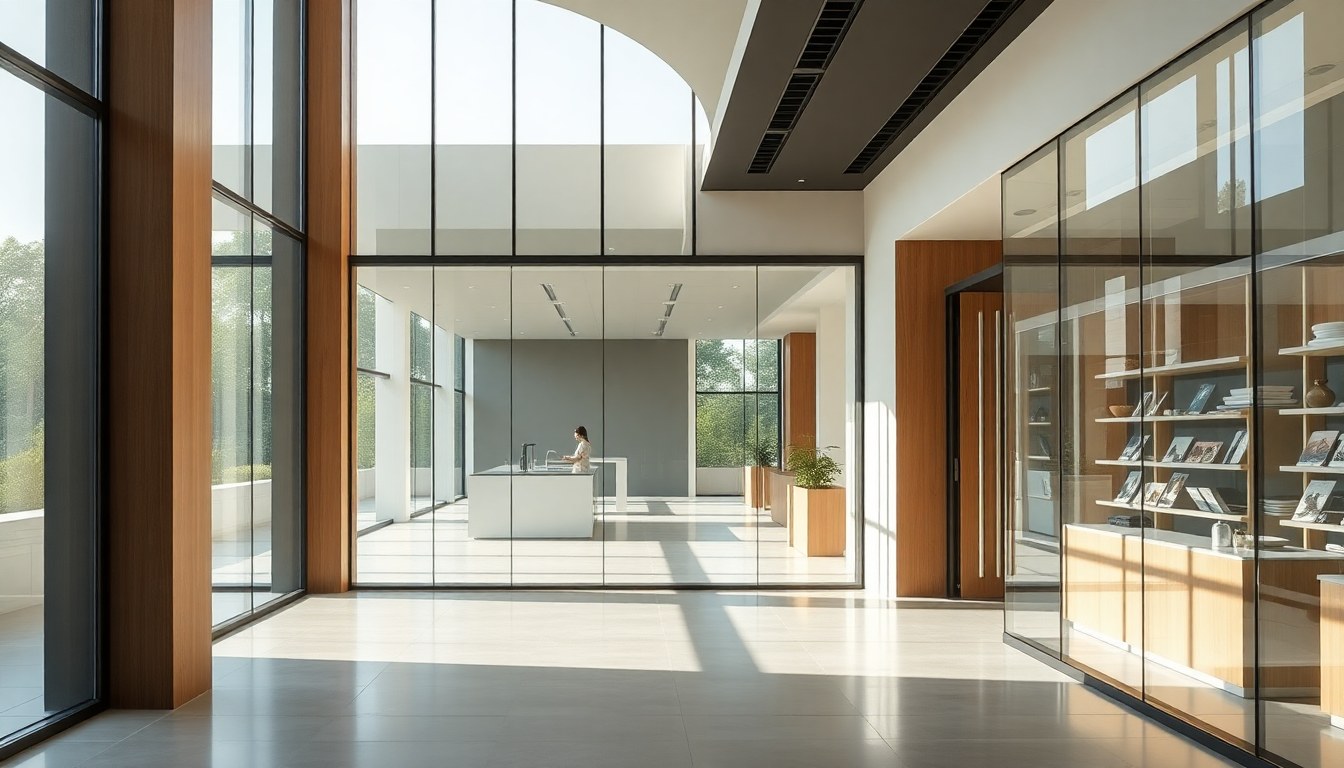
Low-emissivity (low-E) coated glass is transforming retail storefronts across India by dramatically reducing heat loss while maintaining crystal-clear product visibility. This advanced glazing technology uses a microscopically thin metallic coating to reflect infrared radiation back indoors, keeping your shop warmer in winter and cooler in summer—cutting energy bills by 20–30% without compromising the visual appeal that draws customers inside.
What Is Low-E Coated Glass and How Does It Work?
Low-emissivity glass features an invisible metallic or oxide coating—typically silver, tin oxide, or chromium—applied to one or both surfaces of the glass pane. This coating is just nanometers thick, making it completely transparent to the human eye while being highly reflective to infrared heat radiation.
The science is straightforward: ordinary glass allows heat to pass freely in both directions. Low-E coating acts like a thermal mirror, reflecting up to 95% of infrared radiation back into your shop during winter, while allowing visible light and solar heat to enter. In summer, when you need to keep heat out, the coating works in reverse, rejecting unwanted solar gain while maintaining daylight transmission. This dual-action performance makes low-E glass ideal for retail environments where climate control costs are significant.
Types of Low-E Coatings
There are two main categories: hard-coat (pyrolytic) and soft-coat (sputtered). Hard-coat low-E is fused to glass at high temperature during manufacturing, making it durable and suitable for single-pane applications, though it offers slightly lower thermal performance. Soft-coat low-E is applied in a vacuum chamber after glass production and delivers superior insulating properties, typically used in insulated glass units (IGUs) with air or argon gas fills. For shopfronts, soft-coat low-E in double-glazed units is the preferred choice in climate-controlled retail spaces across Indian metros like Delhi, Mumbai, and Bangalore.
Energy Efficiency Benefits for Retail Storefronts
Retail storefronts face unique thermal challenges. Large glazed areas maximize visual merchandising but create significant heat loss in winter and unwanted solar gain in summer. Low-E glass addresses both problems simultaneously, delivering measurable cost savings and environmental benefits.
Heating and Cooling Cost Reduction
Installing low-E coated glass can reduce heating energy consumption by 20–30%, depending on climate, orientation, and existing HVAC efficiency. In Delhi winters, where shopfronts face sustained heating demands, this translates to savings of ₹15,000–₹40,000 annually for a typical 500–1000 sq ft storefront. Cooling savings in summer months add another 10–15% to annual HVAC efficiency gains. Over a 20-year lifespan, these savings easily justify the initial investment premium (typically 15–25% above standard double glazing).
UV Protection and Product Preservation
Low-E coatings also block 95–99% of ultraviolet (UV) radiation, protecting merchandise from fading and degradation. This is particularly valuable for fashion retailers, jewelers, and shops displaying color-sensitive products. Reduced UV penetration extends product shelf life, maintains brand aesthetics, and reduces the need for additional UV-protective window films or interior shading solutions.
Maintaining Product Visibility and Brand Appeal
A common misconception is that low-E glass darkens storefronts or creates a reflective, uninviting appearance. In reality, modern low-E coatings are nearly invisible when viewed from inside the shop, with light transmission typically between 70–80%, comparable to standard clear glass. From the street, the storefront appears bright and inviting, ensuring products remain the focal point rather than the glass itself.
Optimizing Daylight and Aesthetics
Retailers can choose low-E coatings optimized for different priorities. Neutral low-E coatings maintain natural color rendering, ideal for fashion, food, and jewelry retailers where color accuracy is critical. Warm-tinted low-E options add a subtle amber hue that enhances perceived warmth and coziness—popular for cafés and luxury boutiques. The choice depends on your brand identity and product category. Professional glazing consultants in cities like Bangalore and Pune can model daylighting performance before installation, ensuring your storefront maintains its intended visual impact.
Installation and Technical Considerations
Low-E glass for shopfronts is typically installed as part of an insulated glass unit (IGU) in aluminum or steel framing systems. Proper installation is critical to achieving rated thermal performance. The coating must be positioned correctly—on the inner surface of the outer pane in cold climates, or on the inner surface of the inner pane in hot climates—to maximize performance.
Compatibility with Framing and Sealants
Low-E glass works with most modern shopfront frames, though aluminum frames benefit from thermal breaks (insulating strips) to prevent condensation and heat bridging. Ensure your installer uses compatible structural silicone sealants and spacers rated for IGU assembly. Poor sealing can compromise the gas fill (typically argon or krypton) and reduce thermal performance by 20–30%.
Maintenance Requirements
Low-E coated glass requires standard cleaning with mild soap and soft cloths—avoid abrasive materials or harsh chemicals that can damage the coating. The coating is durable and protected within the IGU, so routine window cleaning poses no risk. Exterior surfaces may accumulate dust or pollution residue, particularly in industrial areas, but this does not affect the internal coating's performance.
Cost-Benefit Analysis for Indian Retailers
The decision to invest in low-E glass depends on your location, climate, energy costs, and payback expectations. In northern Indian cities with cold winters (Delhi, Lucknow, Shimla), payback periods typically range from 5–8 years. In moderate climates (Mumbai, Pune), the payback extends to 8–12 years, but combined benefits (reduced cooling, UV protection, brand enhancement) justify the investment.
A 500 sq ft shopfront with 60% glazed area (300 sq ft of glass) might cost ₹2,50,000–₹3,50,000 for high-performance low-E IGUs, compared to ₹1,80,000–₹2,40,000 for standard double glazing. The additional ₹70,000–₹1,10,000 investment is recovered through energy savings, reduced maintenance, and preserved product value within 6–10 years, with benefits continuing for the 20+ year lifespan of the glass.
Real-World Applications and Best Practices
Leading retail chains across India have adopted low-E glass for flagship stores in premium shopping districts. Fashion retailers in Mumbai's Bandra and Delhi's Connaught Place report improved climate control, reduced condensation issues, and enhanced product presentation. Quick-service restaurants and cafés benefit from reduced cooling loads during peak afternoon hours, improving customer comfort and reducing energy demand during peak tariff periods.
Best practices for shopfront low-E installation include: consulting with a structural glazing specialist early in design; modeling thermal and daylighting performance; specifying argon-filled units with warm-edge spacers; ensuring proper frame thermal breaks; and planning for future maintenance access. Many premium retail developments now specify low-E as standard, recognizing it as a cost-effective sustainability feature that appeals to environmentally conscious brands and customers.
Frequently Asked Questions
Does low-E glass reduce natural light entering my shopfront?
No. Modern low-E coatings maintain 70–80% visible light transmission, nearly identical to standard clear glass. The coating is optimized to transmit visible light while reflecting infrared heat, so your storefront remains bright and inviting. Any perceived difference is negligible and often imperceptible to customers.
Can low-E glass be installed in existing shopfront frames?
Yes, low-E glass can replace existing glazing in most aluminum and steel frames, though the frame itself should be in good condition. If your frame lacks thermal breaks or has poor seals, upgrading to a modern thermally broken frame system will maximize the benefits of low-E glass. A professional glazing consultant can assess your existing structure and recommend the best approach.
How much can I save on energy bills with low-E glass?
Savings depend on climate, current energy costs, and existing HVAC efficiency. In cold climates like Delhi, expect 20–30% reduction in heating costs. In moderate climates, savings are 10–20%. For a typical ₹50,000–₹100,000 annual energy bill, low-E glass could save ₹5,000–₹30,000 yearly, with payback in 5–10 years.
Does low-E coating scratch or degrade over time?
No. When installed correctly as part of an insulated glass unit, the low-E coating is protected between glass panes and cannot be scratched or degraded by cleaning or environmental exposure. The coating maintains its performance for 20+ years, the typical lifespan of the glass itself.
Is low-E glass suitable for all retail environments?
Low-E glass is ideal for climate-controlled retail spaces (shops, restaurants, boutiques) where energy efficiency and product protection matter. It's less critical for outdoor kiosks or unheated structures. For color-critical retail (jewelry, fashion, art galleries), ensure your low-E coating is specified for neutral color rendering to avoid any tint shift.
Ready to upgrade your shopfront with energy-efficient low-E glass? Browse qualified glazing suppliers and installers across India on glassy.in, India's largest glass-business directory. Compare products, read reviews, and connect with experts who can design the perfect low-E solution for your retail space.