
Glass Guides
Bathroom Skylight Glass: Waterproofing, Condensation Control & Durability
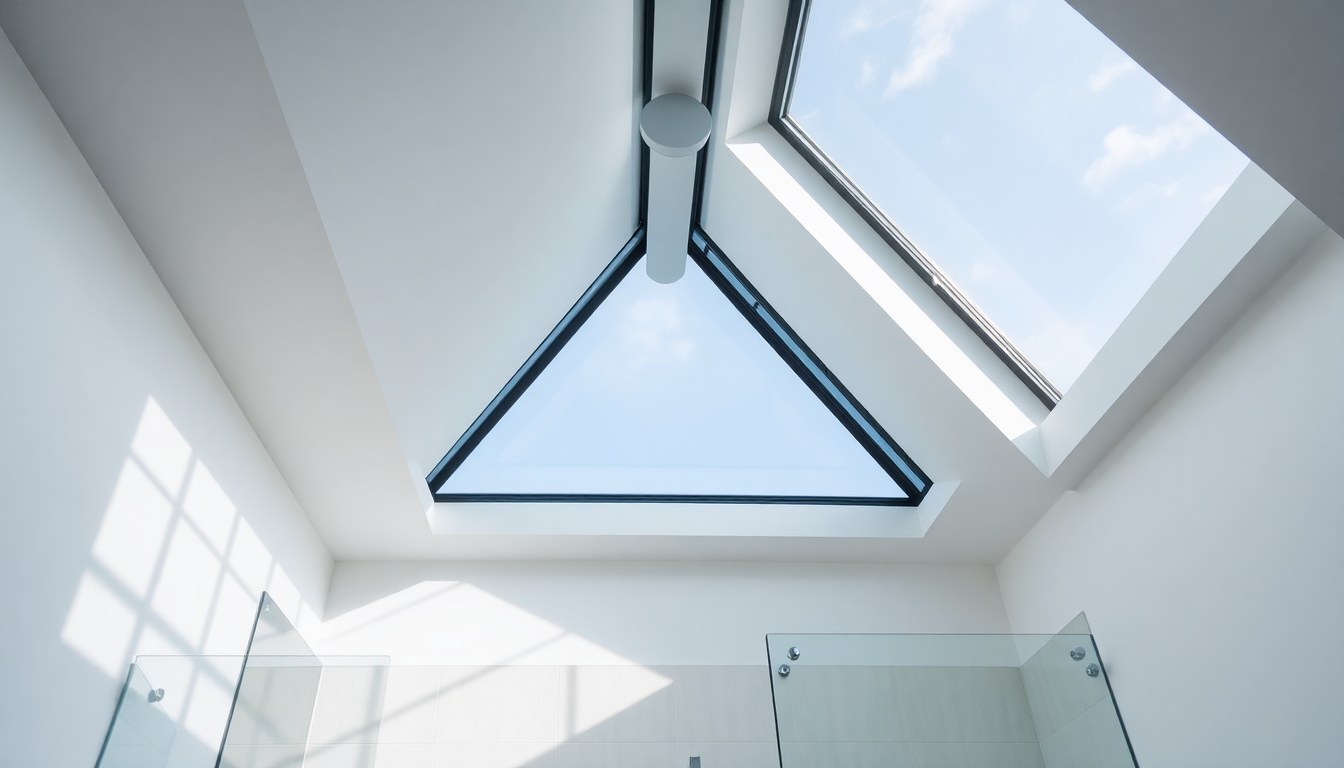
Bathroom skylights flood spaces with natural light and improve ventilation, but they also expose your home to one of the harshest environments in any building—constant humidity, temperature swings, and moisture vapor. In India's tropical and subtropical climates, bathroom skylights face relentless condensation challenges and water ingress risks that demand specialized glass selection and installation practices. This guide explores the technical and practical aspects of choosing skylight glass that performs reliably in humid conditions while preventing costly water damage and mold growth.
Understanding Condensation in Bathroom Skylights
Condensation forms when warm, moisture-laden bathroom air meets cold skylight glass surfaces. During showers, bathing, and daily water use, bathrooms generate significant humidity—often reaching 70–95% relative humidity. When this humid air contacts glass that's cooler than the dew point, water droplets form on the interior surface, potentially running down into walls, insulation, and structural framing.
The problem intensifies in Indian climates where external temperatures fluctuate dramatically between seasons. Winter nights in northern India or cool monsoon mornings in coastal regions create steep temperature differentials across the glass, accelerating condensation. Over time, persistent moisture leads to mold, mildew, wood rot in frames, and compromised insulation performance.
Why Standard Single-Pane Glass Fails
Single-pane skylights offer virtually no thermal resistance. The glass surface temperature drops nearly to outdoor air temperature, making it an ideal condensation surface. Even in moderate humidity, single-pane skylights will sweat continuously during or after hot showers. For bathrooms, single-pane skylights are a false economy—installation costs are low, but moisture damage repairs are expensive and extensive.
Insulated Glass Units (IGUs) for Condensation Prevention
Double-glazed insulated glass units (IGUs) are the minimum standard for bathroom skylights in India. An IGU consists of two panes of glass separated by a sealed air or gas-filled cavity, typically 6–12 mm wide. This air gap acts as a thermal break, keeping the interior pane warmer and significantly reducing condensation risk.
Double-Glazing (2-Pane IGUs)
A standard double-glazed unit with 6 mm clear glass, 6 mm air gap, and 6 mm clear glass performs adequately in most climates. The interior pane remains warmer than a single pane, reducing but not eliminating condensation in high-humidity bathrooms. U-value (thermal transmittance) typically ranges from 2.8–3.2 W/m²K for standard double-glazing, which is acceptable but not optimal for humid environments.
Triple-Glazing and Low-Emissivity Coatings
Triple-glazed units (three panes with two air gaps) offer superior thermal performance, with U-values as low as 1.5–2.0 W/m²K. While costlier than double-glazing, triple-glazing maintains higher interior surface temperatures, dramatically reducing condensation risk. Low-emissivity (Low-E) coatings applied to glass surfaces reflect radiant heat back into the room, further warming the interior pane and improving condensation control.
For bathrooms in India's cooler regions (Himalayas, high-altitude areas) or where monsoon brings prolonged cool, humid weather, triple-glazing with Low-E coatings justifies the investment. In tropical regions with year-round warmth, double-glazing with quality Low-E coating often suffices if ventilation is adequate.
Gas Fills: Argon vs. Air
Standard IGUs are filled with air, but premium units use argon gas—a colorless, odorless, inert gas denser than air. Argon reduces convection within the cavity, improving insulation performance by 5–8% compared to air-filled units. Argon-filled IGUs maintain warmer interior surfaces and better resist condensation. Verify that your skylight supplier uses argon fill for bathroom applications; air-filled units are less expensive but perform noticeably worse in humid conditions.
Waterproofing: Framing and Sealing Systems
Even the best glass won't protect your bathroom if water leaks through the frame or seals. Skylight waterproofing involves multiple layers: the frame material, primary seals, flashing integration, and secondary drainage paths. In India's monsoon regions and areas with heavy rain, robust waterproofing is non-negotiable.
Frame Materials for Wet Environments
Aluminum frames are popular for skylights due to lightweight, corrosion resistance, and modern aesthetics. However, aluminum conducts heat readily, creating thermal bridges that worsen condensation on frame edges. Thermally broken aluminum frames—where the inner and outer aluminum sections are separated by a low-conductivity polymer—perform much better in bathrooms.
Vinyl (uPVC) frames offer excellent thermal insulation and moisture resistance but may warp under intense heat in tropical climates if not UV-stabilized. Wood frames require protective coatings and are generally unsuitable for high-humidity bathrooms unless regularly maintained. For Indian bathrooms, thermally broken aluminum or quality uPVC frames are the practical choices.
Sealing and Gaskets
The seal between glass and frame is critical. Modern skylights use dual-seal systems: a primary structural seal (typically polyisobutylene or PIB) bonds the glass to the frame, while a secondary seal (silicone or EPDM gasket) provides additional moisture protection. Silicone sealants resist moisture and UV degradation better than older polyurethane formulations. Verify that your skylight uses high-quality, bathroom-grade sealants rated for wet environments.
Flashing and Integration with Roof Structure
The skylight frame must integrate seamlessly with roof flashing to direct water away from the building. In pitched roofs, the flashing slopes downward, channeling water safely past the skylight opening. In flat roofs common in urban Indian buildings, proper slope and drainage around the skylight are essential to prevent water pooling. Flashing should be installed by certified professionals who understand local rainfall patterns and roof construction standards.
Ventilation and Active Condensation Management
Waterproof glass and framing prevent leaks, but reducing bathroom humidity is equally important for long-term condensation control. Ventilation removes moisture before it can condense on cold surfaces.
Exhaust Fans and Humidity Control
A properly sized exhaust fan (typically 50–100 CFM for average bathrooms, or 1 CFM per square foot of bathroom area) removes moisture during and after showers. The fan should run for 20–30 minutes post-shower to clear residual humidity. In India's humid climates, exhaust fans are not optional—they're essential infrastructure for any bathroom with a skylight. Ensure ducting runs to the outside (not into attics, which creates moisture problems elsewhere), and clean or replace filters regularly to maintain airflow.
Operable Skylights with Motorized Controls
Some skylight designs include operable (opening) vents that can be manually or motorized opened to allow direct humid air escape. Motorized skylights with humidity sensors automatically open when bathroom humidity exceeds a threshold, providing active moisture management. While more expensive than fixed skylights, motorized vents are valuable in high-humidity bathrooms or homes without adequate ducted exhaust systems. Ensure any motorized skylight has waterproof controls and is installed by professionals familiar with electrical safety in wet environments.
Durability: Glass Strength and Long-Term Performance
Bathroom skylights endure thermal stress, moisture exposure, and occasional impact. Selecting durable glass specifications ensures decades of trouble-free performance.
Tempered Glass for Safety and Strength
Tempered glass is heat-treated to increase strength and change fracture behavior. When tempered glass breaks, it shatters into small, relatively harmless granules rather than sharp shards—a critical safety feature in bathrooms where people shower and are vulnerable. Tempered glass also resists thermal stress better than annealed glass, making it ideal for skylights exposed to rapid temperature changes. Most quality bathroom skylights use tempered glass as standard; verify this specification when purchasing.
Laminated Glass for Enhanced Safety
Laminated glass consists of two or more panes bonded with a plastic interlayer (typically polyvinyl butyral or PVB). If laminated glass breaks, fragments remain adhered to the interlayer, preventing sharp pieces from falling. Laminated glass also reduces noise transmission and provides UV protection. In bathrooms above occupied spaces or in seismic zones (relevant in parts of India), laminated glass adds safety. The trade-off is slightly reduced light transmission and higher cost compared to tempered glass alone.
Coating Protection Against Moisture and Corrosion
High-quality bathroom skylights may feature hydrophobic or oleophobic coatings on exterior surfaces. These coatings encourage water to bead and run off rather than sheet across the glass, reducing spotting and improving durability. Some coatings also inhibit mold and algae growth on exterior surfaces—valuable in tropical India where organic growth on skylights can block light and accelerate glass degradation.
Selecting and Installing Bathroom Skylights: Practical Checklist
When specifying a bathroom skylight, use this checklist to ensure you're investing in a product that will perform reliably in India's humid climate:
- Glass specification: Double-glazed minimum (triple-glazing preferred in cooler regions); Low-E coating for condensation control; tempered glass for safety.
- Frame material: Thermally broken aluminum or UV-stabilized uPVC; avoid unbroken aluminum and untreated wood.
- Sealing: Dual-seal system with silicone or EPDM gaskets; verify bathroom-grade ratings.
- Flashing: Proper integration with roof structure; professional installation by certified installers.
- Ventilation: Exhaust fan sized appropriately; ducting to outside (not attic); humidity sensor or manual control.
- Warranty: Minimum 10-year warranty on glass and seals; longer warranties indicate manufacturer confidence.
- Installation: Certified installer with experience in local climate and building codes; inspect flashing and seals post-installation.
Trusted suppliers like Crystal Glass & Hardware in major Indian cities stock quality skylight glass and can connect you with experienced installers who understand regional humidity challenges.
Frequently Asked Questions
Will a bathroom skylight definitely cause condensation problems?
Not necessarily. Condensation risk depends on glass specification, frame quality, ventilation, and usage patterns. A double-glazed unit with Low-E coating and a properly functioning exhaust fan will minimize condensation in most Indian bathrooms. Single-pane skylights, however, will almost certainly condense. The key is choosing the right glass and managing humidity through ventilation.
Is triple-glazing worth the extra cost for a bathroom skylight?
In tropical regions with year-round warmth, double-glazing with Low-E coating is usually sufficient if ventilation is good. In cooler regions or where monsoon brings prolonged humid, cool weather, triple-glazing significantly reduces condensation risk and justifies the 20–30% price premium. Consider your local climate and the bathroom's ventilation capacity before deciding.
Can I use standard window glass in a skylight opening?
No. Skylights experience different stresses than vertical windows—thermal cycling is more extreme, and water exposure is more severe. Skylight glass must be tempered, properly sealed in a frame designed for overhead installation, and integrated with flashing. Standard window glass and frames are not suitable and will fail prematurely in bathroom conditions.
How often should I clean and maintain a bathroom skylight?
Exterior cleaning depends on local dust and pollution—quarterly in most urban areas, more frequently in dusty regions. Interior cleaning is typically annual unless you notice condensation or water marks. Check seals and flashing annually for signs of deterioration, especially after monsoon season. Well-maintained skylights last 20–30 years; neglected ones may fail in 10–15 years.
What should I do if my bathroom skylight develops persistent condensation?
First, ensure the exhaust fan runs for 20–30 minutes post-shower and that ducting isn't blocked. Second, check that the skylight isn't installed directly above the shower—relocating if possible reduces moisture exposure. Third, inspect seals and flashing for leaks (water inside the frame indicates seal failure). If condensation persists despite good ventilation and sealed frames, the IGU may have failed internally; contact the installer or manufacturer for warranty service.
Conclusion and Next Steps
Bathroom skylights enhance natural light and ventilation but demand careful selection to withstand India's humid climates. Double-glazed or triple-glazed units with Low-E coatings, thermally broken frames, quality seals, and proper flashing provide the foundation for condensation control and waterproofing. Pair these specifications with a sized exhaust fan and you'll enjoy decades of trouble-free skylight performance.
Ready to specify a bathroom skylight? Browse the glassy.in directory to connect with glass suppliers, skylight manufacturers, and certified installers in your region. Share your climate, bathroom size, and ventilation setup to receive tailored recommendations and competitive quotes.