
Glass Guides
Low-E Glass Coating: How It Reduces Heat & Saves Energy in Bangalore Summers
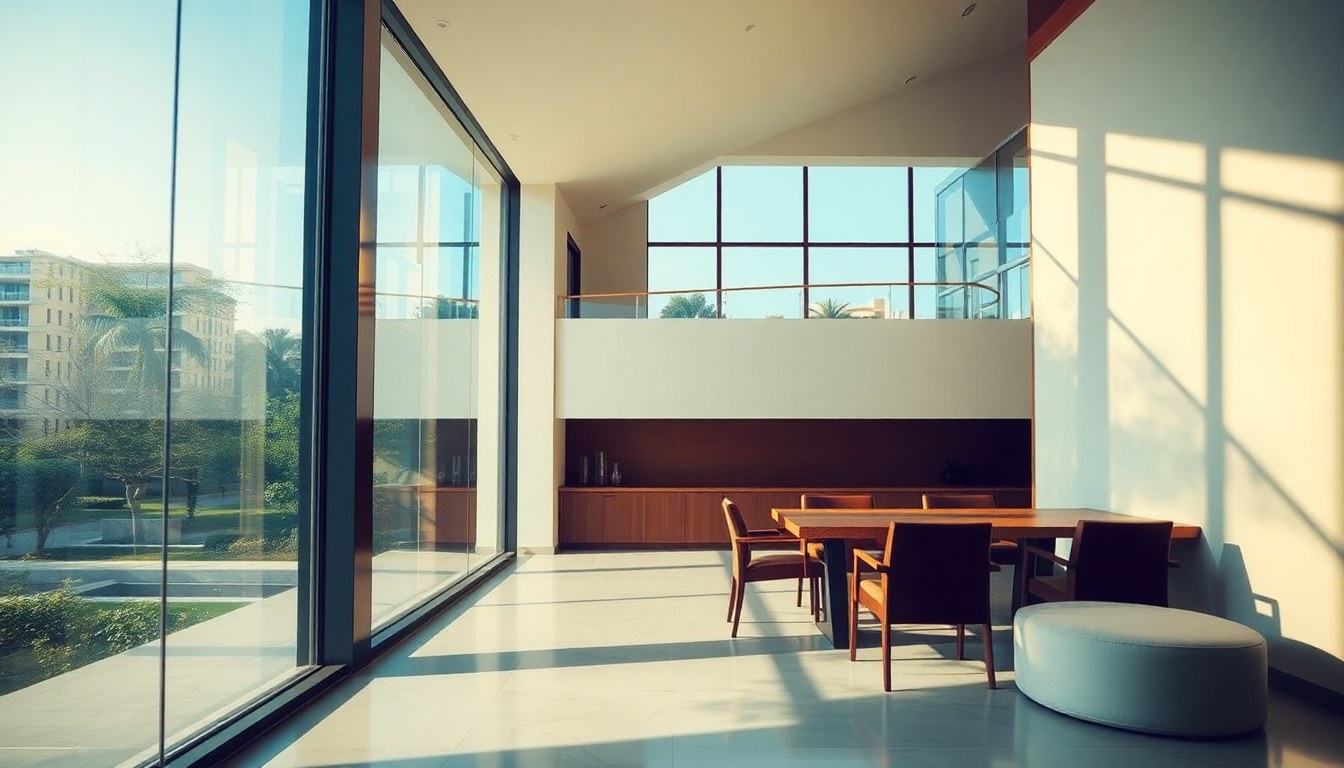
Bangalore summers are relentless, and air-conditioning bills can drain both your wallet and the environment. Low-emissivity (low-E) glass coating is a smart, proven technology that reflects infrared heat back outside while letting visible light pass through, keeping your home or office cooler without sacrificing brightness. In this guide, we'll break down how low-E coatings work, why they're essential for Indian climates, and how much you can realistically save on energy costs.
What Is Low-E Glass Coating?
Low-emissivity glass is standard float glass treated with a microscopically thin metallic oxide coating—usually silver, tin oxide, or titanium oxide. This coating is invisible to the naked eye but acts as a thermal mirror, reflecting up to 70% of infrared (heat) radiation while allowing 70–80% of visible light to pass through. The result is a window that keeps heat out in summer and retains warmth in winter, making it a year-round energy solution.
The coating is applied during manufacturing (hard-coat or pyrolytic process) or after production (soft-coat or sputtered process). Hard-coat low-E glass is more durable and affordable, while soft-coat versions offer superior thermal performance but require protective handling during installation. Both are widely available in Bangalore's glass market and suit different budgets and building requirements.
How the Coating Works at the Molecular Level
Infrared radiation carries heat energy. When sunlight hits a regular window, infrared rays pass straight through, warming the interior. Low-E coatings contain metallic particles that absorb this infrared energy and re-emit it outward, preventing it from entering your space. The visible light spectrum (which our eyes perceive) passes through largely unaffected, so your rooms remain bright and naturally lit. This selective filtering is the key to low-E glass's effectiveness.
Solar Heat Gain and UV Protection in Bangalore's Climate
Bangalore's average summer temperature hovers around 28–32°C, but direct sunlight through untreated windows can raise indoor temperatures by 5–10°C in a matter of hours. This forces air-conditioning systems to work harder, consuming more electricity and driving up monthly bills. Low-E coatings reduce solar heat gain coefficient (SHGC)—a measure of how much solar radiation passes through glass—typically lowering it from 0.86 (standard glass) to 0.30–0.50 (low-E glass).
Beyond heat reduction, low-E coatings block 99% of harmful UV rays, protecting furniture, artwork, and flooring from fading. This dual benefit—cooler interiors and fade-resistant interiors—makes low-E glass especially valuable for homes with large windows or commercial spaces with expensive furnishings. Residents and business owners in Bangalore have reported noticeably less sun damage to carpets, curtains, and upholstery after switching to low-E windows.
Comparing Standard Glass vs. Low-E Glass in Bangalore Heat
- Standard Float Glass: SHGC of 0.86; allows most solar heat to pass through; minimal UV protection.
- Low-E Coated Glass: SHGC of 0.30–0.50; reflects 60–70% of solar heat; blocks 99% of UV rays.
- Tinted Glass: Reduces glare and heat but darkens interiors; lower light transmission than low-E.
- Reflective Glass: Highly effective for heat but creates a mirror effect; less suitable for residential use.
For Bangalore's climate, low-E glass offers the best balance of thermal performance, natural light, and aesthetic appeal.
Energy Savings and Cost-Benefit Analysis for Bangalore Homes
The financial return on low-E glass installation depends on window area, current glass type, and local electricity rates. In Bangalore, where air-conditioning runs 8–10 hours daily during summer months, low-E windows can reduce cooling energy consumption by 20–30%. For a 2,000 sq. ft. residential apartment with 150 sq. ft. of window area, this translates to savings of ₹3,000–₹6,000 per month during peak summer, or ₹36,000–₹72,000 annually.
The upfront cost of low-E glass is higher than standard glass—typically ₹400–₹800 per square foot compared to ₹150–₹300 for regular float glass. However, the payback period is generally 3–5 years in Bangalore's climate, after which savings accumulate as pure benefit. For commercial buildings with larger window areas and continuous air-conditioning, payback periods can be as short as 2–3 years.
Long-Term ROI Calculation
Consider a typical Bangalore home installing 200 sq. ft. of low-E glass at ₹600 per sq. ft. (total ₹1,20,000 investment). If monthly savings during summer average ₹4,000 and winter savings add another ₹1,500 monthly, annual savings reach ₹66,000. The investment breaks even in approximately 20 months, with continued savings thereafter. Over 20 years (typical window lifespan), cumulative savings exceed ₹13 lakhs, making low-E glass a sound long-term investment for homeowners and property developers alike.
Installation and Compatibility with Bangalore's Architecture
Low-E glass integrates seamlessly into both new construction and retrofit projects. When working with architects and builders in Bangalore, specify low-E coatings early in the design phase to ensure proper frame selection and installation methodology. Aluminum, uPVC, and wooden frames all work with low-E glass; the key is ensuring proper sealing to maximize thermal efficiency.
Professional installation is critical. Improper sealing or frame gaps can negate 30–40% of low-E glass benefits. Reputable glass suppliers in Bangalore, such as those listed on the glassy.in directory, offer installation services and can advise on frame materials and insulation strategies. Architects like BUILD LIFE ARCHITECTS & CONSTRUCTION in Basaveshwar Nagar often collaborate with specialized glass installers to ensure optimal thermal performance in residential and commercial projects.
Maintenance and Durability
Low-E glass requires no special maintenance beyond regular cleaning with mild soap and water. The coating is bonded to the glass surface and does not degrade from normal use. Hard-coat low-E glass, more common in India, can withstand weathering and mechanical stress better than soft-coat versions. Most manufacturers offer 10–25 year warranties on low-E coatings, providing peace of mind for long-term installations.
Government Incentives and Green Building Standards
India's Ministry of Power and various state governments have promoted energy-efficient building materials through tax benefits and subsidies. While direct subsidies for low-E glass are limited, installations that reduce overall building energy consumption may qualify for incentives under schemes like the Energy Conservation Building Code (ECBC) or LEED/IGBC green building certifications. Bangalore, as a tech hub with growing green building initiatives, increasingly sees low-E glass in LEED-certified commercial projects.
For homeowners, investing in low-E glass can reduce property tax assessments in some municipalities if the building achieves higher energy efficiency ratings. Consulting with your local municipal corporation or a green building consultant can clarify eligibility for your specific project.
Choosing the Right Low-E Glass for Your Space
Not all low-E coatings are identical. Manufacturers offer different grades optimized for heating-dominated climates (like northern India) versus cooling-dominated climates (like Bangalore). For Bangalore, choose a low-E coating with a lower solar heat gain coefficient (SHGC ≤ 0.40) to maximize cooling benefits. Conversely, if your building has significant shading or you prioritize winter warmth, a higher SHGC (0.50–0.60) may be more appropriate.
Work with glass suppliers and architects to match coating specifications to your building's orientation, window size, and usage patterns. South and west-facing windows, which receive the most intense afternoon sun in Bangalore, benefit most from aggressive low-E coatings. North-facing windows may use lighter coatings to preserve natural light without excessive cooling demands.
Real-World Applications in Bangalore
Bangalore's IT parks, corporate offices, and premium residential complexes increasingly feature low-E glass. Office buildings with extensive glass facades have reported 25–35% reductions in air-conditioning costs after retrofitting with low-E windows. Residential projects in areas like Whitefield, Indiranagar, and Koramangala have adopted low-E glass to meet buyer expectations for modern, energy-efficient homes. Developers working with firms like YES Design & Construction in Rajajinagar have successfully integrated low-E glass into mid-range and premium residential developments, demonstrating that energy efficiency is no longer a luxury but an expectation.
Frequently Asked Questions
Does low-E glass reduce natural light entering my home?
No. Low-E coatings allow 70–80% of visible light to pass through, so your rooms remain naturally bright. The coating is designed to block infrared (heat) radiation, not visible light. Many homeowners are pleasantly surprised that their homes feel lighter and cooler simultaneously after installing low-E glass.
How much can I save on my electricity bill with low-E glass in Bangalore?
Savings depend on window area and current cooling patterns, but typical residential installations reduce cooling costs by 20–30% during summer months. For a 2,000 sq. ft. apartment, this could mean ₹3,000–₹6,000 monthly savings during peak season. Commercial buildings often see larger absolute savings due to larger window areas and continuous air-conditioning.
Is low-E glass suitable for all window types and frames?
Yes. Low-E glass works with aluminum, uPVC, wooden, and steel frames. The critical factor is proper installation and sealing to prevent air leaks, which can compromise thermal performance. Consult your glass supplier or architect to ensure your frame selection complements the low-E coating.
What is the lifespan of low-E glass coating?
Low-E coatings are bonded to the glass surface and are designed to last as long as the glass itself—typically 20–30 years or more. Most manufacturers offer 10–25 year warranties. The coating does not degrade from normal weathering or cleaning with standard glass cleaners.
Can I retrofit existing windows with low-E glass, or do I need to replace entire frames?
You can retrofit low-E glass into existing frames if the frames are structurally sound and properly sealed. However, older frames may have gaps or poor insulation that reduce the effectiveness of new glass. For maximum energy savings, replacing both glass and frames is often recommended, though retrofitting low-E glass alone still provides meaningful benefits.
Conclusion: Invest in Comfort and Savings
Low-E glass coating is a proven, cost-effective solution for reducing heat gain and energy consumption in Bangalore's hot climate. With payback periods of 3–5 years and cumulative savings exceeding ₹10 lakhs over the window's lifespan, the investment makes financial and environmental sense. Whether you're building a new home, renovating an existing property, or managing a commercial space, low-E glass should be a priority specification.
Ready to explore low-E glass options for your project? Visit glassy.in, India's largest glass-business directory, to connect with certified glass suppliers, installers, and architects in Bangalore who specialize in energy-efficient glazing solutions. Get quotes, compare options, and find the perfect low-E glass product for your needs today.