
Glass Guides
Tinted Glass for Balconies: Privacy, Heat Control & Design Options
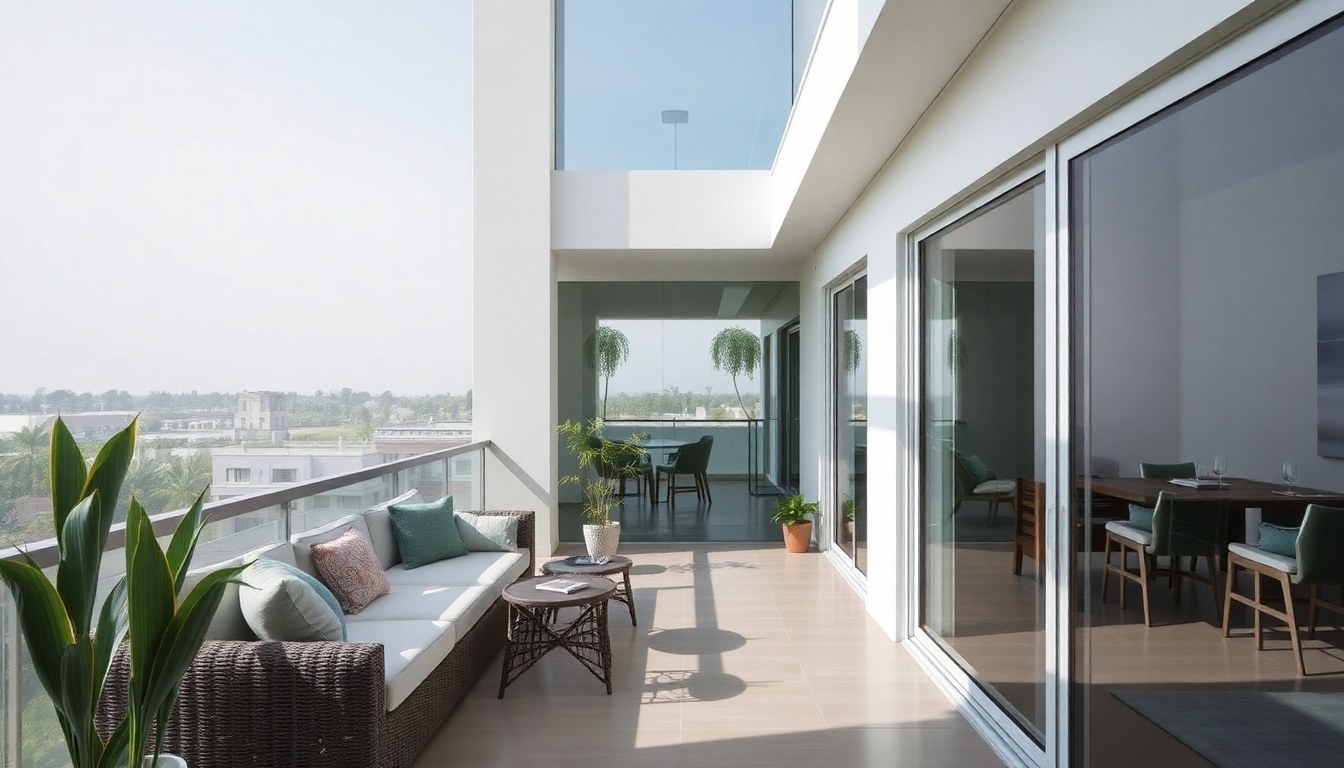
Balcony railings are one of the most visible elements of any apartment's exterior, yet they often receive minimal attention during design planning. Tinted glass balcony railings solve multiple problems at once: they provide privacy from neighbours and street-level onlookers, reduce unwanted solar heat from entering your home, and offer a sleek, modern aesthetic that elevates your property's curb appeal. Whether you're renovating an existing balcony or designing a new one, understanding the different tinted glass options available can help you make an informed choice that balances functionality with style.
Understanding Tinted Glass: What It Is and How It Works
Tinted glass is standard float glass infused with metallic oxides or organic dyes during the manufacturing process. These additives absorb and reflect a portion of incoming solar radiation, reducing the amount of heat that passes through the glass into your living space. Unlike reflective coatings applied after production, tinted glass has the colour integrated throughout its thickness, ensuring consistent performance and appearance from any viewing angle.
The effectiveness of tinted glass is measured by its solar transmission (ST) value—the percentage of solar energy that passes through the glass. A lower ST value indicates better heat rejection. For balcony railings in Indian climates, ST values typically range from 0.30 to 0.60, depending on the tint type and thickness. Additionally, most quality tinted glass blocks 99% of harmful UV radiation, protecting your skin and preventing furniture fading inside your home.
Key Performance Metrics
- Solar Transmission (ST): Lower values (0.30–0.45) provide superior heat control; higher values (0.50–0.60) allow more light while still offering heat reduction
- Light Transmission (LT): The percentage of visible light passing through; typically 40–70% for tinted balcony glass
- UV Protection: Most tinted glass blocks 99% of UV-A and UV-B radiation
- Shading Coefficient (SC): Relative to clear glass; lower SC means better heat rejection
Bronze Tinted Glass: Warmth and Elegance
Bronze tint is the most popular choice for balcony railings across Indian residential projects. Its warm, neutral tone complements both traditional and contemporary architecture, making it versatile for apartment complexes ranging from heritage buildings in cities like Bangalore and Delhi to modern high-rises in Mumbai and Hyderabad. Bronze glass absorbs heat effectively while maintaining a sophisticated appearance that doesn't feel too dark or oppressive from inside the home.
Bronze tinted glass typically has a solar transmission value between 0.45 and 0.55, offering a balanced compromise between heat control and natural light transmission. This means you'll retain adequate daylight on your balcony while still reducing solar gain by approximately 45–55%. The warm aesthetic of bronze also tends to hide fingerprints and dust better than lighter tints, making maintenance easier in urban environments where air pollution is a concern.
Bronze Glass Applications and Aesthetic Benefits
- Pairs well with wooden window frames, aluminium profiles, and stainless steel railings
- Creates a warm, inviting appearance that doesn't isolate the balcony from the building's interior
- Provides excellent privacy during daytime hours while allowing outward visibility from inside
- Reduces glare on television screens and computer monitors inside the apartment
Gray Tinted Glass: Neutral and Versatile
Gray tint offers a more neutral aesthetic compared to bronze, making it ideal for minimalist and contemporary apartment designs. Gray glass provides balanced heat rejection with solar transmission values typically ranging from 0.40 to 0.50, while delivering superior visual clarity and a modern appearance. Many architects and interior designers prefer gray tint for premium residential projects because it doesn't impose a warm or cool colour cast on the surrounding environment.
Gray tinted glass works particularly well in mixed-use developments and high-rise apartments where visual consistency across multiple units is important. It's also an excellent choice if your apartment has large glass windows or doors on the balcony side, as the neutral tone won't clash with interior décor schemes. The downside is that gray glass can show dust and fingerprints more visibly than bronze, requiring more frequent cleaning in dusty Indian cities.
Gray Glass Design Considerations
- Best suited for contemporary, Scandinavian, and minimalist interior styles
- Provides superior colour-neutral light transmission, ideal for photography and art studios
- Offers strong privacy without compromising the sense of space
- Works seamlessly with glass-dominant architectural styles
Blue Tinted Glass: Cool Aesthetics and Modern Appeal
Blue tinted glass has gained popularity in recent years, particularly in coastal cities like Mumbai, Goa, and Kochi, where the blue tone harmonizes with the surrounding environment. Blue glass provides excellent solar control with ST values typically between 0.35 and 0.50, making it one of the better heat-rejection options. The cool aesthetic of blue tint also psychologically conveys a sense of openness and connection to the sky, which many apartment buyers find appealing.
Blue tint comes in various intensities, from subtle light blue to deep ocean blue. Lighter shades maintain better light transmission and work well in apartments where natural light is limited, while deeper blues offer superior privacy and heat control. Blue glass is particularly effective in south-facing and west-facing balconies, which receive the most intense solar radiation during afternoon hours in the Northern Hemisphere (and morning hours in Southern India).
Blue Glass Performance and Style
- Superior solar rejection in the 0.35–0.45 ST range, ideal for hot climates
- Creates a contemporary, premium appearance that appeals to younger apartment buyers
- Excellent for properties near water bodies or with sky-facing views
- Available in various intensities to match specific design requirements
Choosing the Right Tinted Glass for Your Apartment
Selecting the appropriate tinted glass for your balcony railing depends on several factors: your apartment's orientation, local climate, interior design style, and privacy requirements. South-facing and west-facing balconies in cities like Delhi, Ahmedabad, and Bangalore experience intense afternoon heat and benefit most from darker tints with lower ST values. North-facing balconies in cooler regions can accommodate lighter tints that maximize natural light.
Consider consulting with experienced glass dealers and interior designers who understand local building codes and climate conditions. Professionals like City Glass Palace and Aluminium Fabrication can provide samples and performance data specific to your location. If you're planning a comprehensive renovation, working with an interior designer experienced in glass installations ensures cohesive design integration.
Decision-Making Checklist
- Determine your balcony's primary orientation (north, south, east, or west)
- Assess your privacy needs and preferred level of outward visibility
- Review your apartment's interior colour palette and architectural style
- Check local building regulations and HOA guidelines regarding glass tints
- Request performance data and samples from multiple suppliers before finalizing
- Consider long-term maintenance requirements and cleaning frequency
Heat Control Performance: Quantifiable Benefits
The primary functional advantage of tinted glass is heat reduction. In Indian climates, where summer temperatures regularly exceed 35°C, tinted glass balcony railings can reduce solar heat gain by 40–60% compared to clear glass. This translates to lower air conditioning costs, improved comfort, and reduced strain on electrical systems during peak summer months.
Bronze glass (ST 0.45–0.55) reduces cooling loads by approximately 45–50%, gray glass (ST 0.40–0.50) by 50–55%, and blue glass (ST 0.35–0.50) by 50–65%, depending on the specific product and thickness. Over a 10-year period, the energy savings from tinted glass balcony railings can offset the initial installation cost, particularly in apartments with south or west-facing exposures. Many builders in metropolitan areas now specify tinted glass as standard to meet energy efficiency regulations and appeal to environmentally conscious buyers.
UV Protection and Interior Preservation
Beyond heat control, tinted glass provides comprehensive UV protection that extends the life of interior furnishings, artwork, and upholstery. Unfiltered UV radiation fades fabrics, damages wood finishes, and causes discoloration in paints and wall coverings. Quality tinted glass blocks 99% of UV-A and UV-B radiation, preserving your apartment's interior for decades.
This benefit is particularly valuable in apartments with valuable artwork, antique furniture, or designer textiles. The cumulative effect of UV protection also reduces health risks associated with prolonged sun exposure on your balcony, making the space safer for children and elderly family members who spend extended time outdoors.
Installation and Maintenance Considerations
Tinted glass balcony railings are typically installed using aluminium or stainless steel frames with structural silicone sealants to ensure water-tightness and durability. Professional installation is critical—improper sealing can lead to water infiltration, mould growth, and structural damage over time. Always hire certified installers who understand local building codes and have experience with high-rise installations.
Maintenance involves regular cleaning with mild soap and water. Avoid abrasive scrubbers or harsh chemicals that can damage the glass surface or sealants. In coastal areas prone to salt spray, more frequent cleaning is necessary to prevent mineral buildup. Most quality tinted glass is highly durable and requires minimal maintenance beyond routine cleaning.
Cost Considerations and Budget Planning
Tinted glass balcony railings cost approximately ₹800–₹1,500 per square foot in India, depending on the tint type, glass thickness, frame material, and installation complexity. Bronze and gray tints typically fall in the mid-range (₹900–₹1,200 per sq ft), while specialty blue tints may cost slightly more. The initial investment is recouped through energy savings and enhanced property value, particularly in premium residential markets.
When budgeting, account for structural assessment, professional installation, and potential frame upgrades. Consulting with experienced glass suppliers like Crystal Glass & Hardware can help you identify cost-effective solutions without compromising quality or performance.
Frequently Asked Questions
What is the difference between tinted glass and reflective glass for balcony railings?
Tinted glass has colour integrated throughout its thickness during manufacturing, providing consistent appearance and performance from any angle. Reflective glass has a metallic coating applied to the surface, which creates a mirror-like effect and higher solar rejection but can appear more industrial. For residential balconies, tinted glass is generally preferred for its aesthetic appeal and softer appearance. Reflective glass is more common in commercial buildings and high-security applications.
Will tinted glass balcony railings reduce natural light inside my apartment?
Tinted glass reduces light transmission by 30–60%, depending on the tint type and intensity. Bronze and gray tints typically maintain 40–60% light transmission, meaning your apartment will still receive adequate natural light. Lighter tints preserve more light, while darker tints offer superior privacy and heat control. If natural light is a priority, choose lighter shades or consider combining tinted glass with complementary window treatments.
Can I see outside clearly from inside my apartment through tinted glass?
Yes, you can see outside clearly from inside during daytime hours. Tinted glass provides one-way visibility during the day—you can see out, but people outside see a tinted reflection. At night, when interior lights are on, visibility reverses. If complete privacy is essential, consider combining tinted glass with privacy films or frosted sections on lower portions of the railing.
How long does tinted glass last, and does the tint fade over time?
Quality tinted glass has a lifespan of 20–30 years or more. The tint is integrated into the glass and does not fade significantly over time. However, the sealants and frames may require maintenance or replacement after 10–15 years depending on climate conditions. Regular cleaning and proper maintenance ensure longevity. Avoid exposing tinted glass to extreme temperature fluctuations or mechanical stress, which can cause stress fractures.
Are there any building regulations or restrictions on tinted glass in Indian apartments?
Most Indian municipalities and building codes allow tinted glass in residential balconies, but specific regulations vary by city and housing society. Some HOAs restrict tint darkness or colour choices to maintain visual consistency. Always check with your building management and local municipal corporation before installation. Architects and designers familiar with local regulations, such as BIM Modeller Consulting Services, can guide you through compliance requirements.
Transform Your Balcony with Quality Tinted Glass
Tinted glass balcony railings are a smart investment that enhances privacy, reduces energy costs, and elevates your apartment's aesthetic appeal. Whether you choose the warmth of bronze, the neutrality of gray, or the modern appeal of blue, quality tinted glass delivers measurable benefits for years to come. Explore verified glass suppliers and installers on glassy.in to find trusted professionals in your city who can help you select and install the perfect tinted glass solution for your balcony.