
Mirrors
Mirror Glass Installation for Retail Fitting Rooms: Space & Psychology
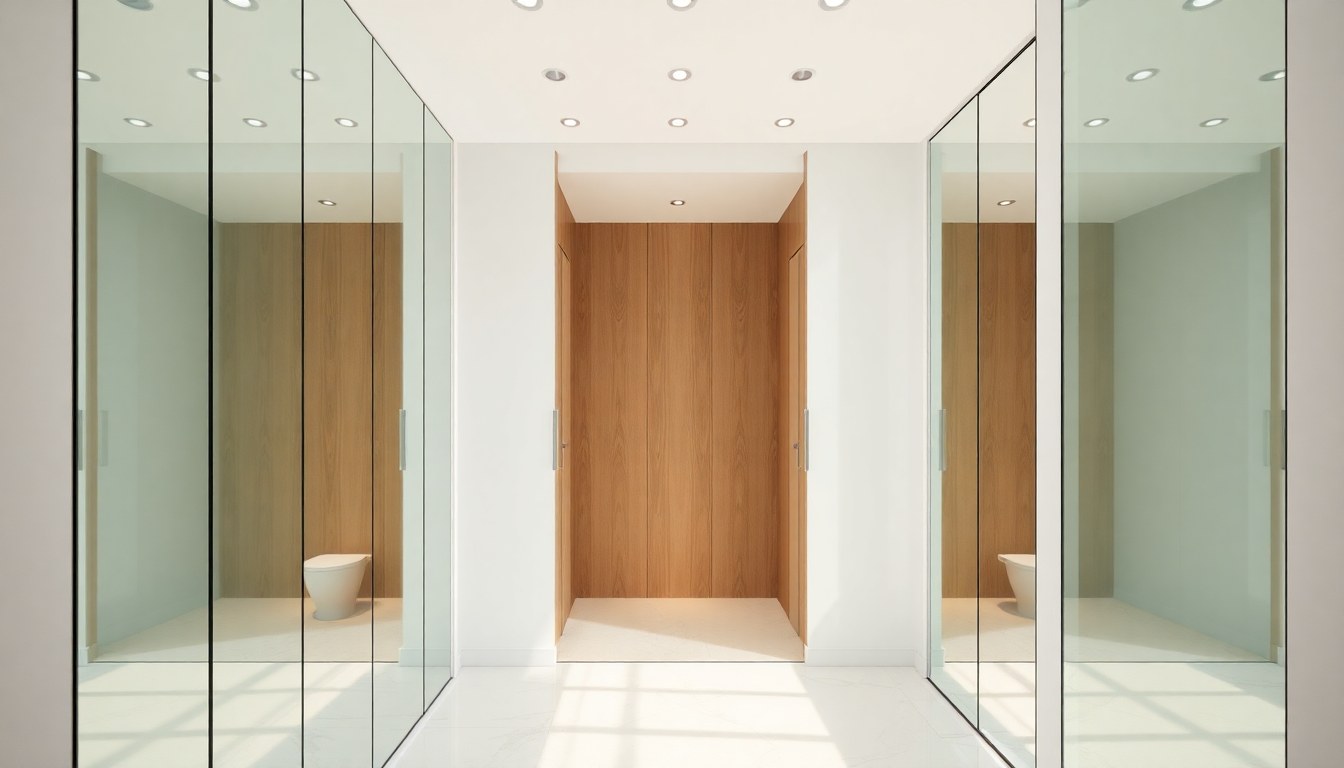
The fitting room mirror is far more than a reflective surface—it's a critical touchpoint that influences customer confidence, purchase decisions, and overall shopping experience. Proper mirror glass installation in retail dressing rooms combines optical precision with spatial design to create an environment where customers feel comfortable and confident trying on clothes. This guide covers the technical and psychological aspects of selecting, positioning, and installing mirrors that enhance your retail space.
Understanding Mirror Glass Types for Retail Environments
Not all mirror glass is created equal, especially in high-traffic retail settings. The quality of the glass directly impacts image clarity, color accuracy, and customer perception. Standard float glass mirrors are affordable but prone to distortion and color shifts, while premium options like low-iron glass deliver superior optical clarity and truer color representation.
Low-iron (also called extra-clear) glass eliminates the greenish tint found in standard mirrors, making it ideal for fashion retail where color accuracy matters. This glass costs 20-40% more than conventional mirrors but justifies the investment through improved customer satisfaction. For budget-conscious retailers, silver-backed float glass with proper backing protection offers a reasonable middle ground, though it may show slight color shifts under certain lighting conditions.
Thickness and Safety Considerations
Fitting room mirrors should be at least 6mm thick to prevent warping and ensure durability in busy retail environments. Thicker glass (8-10mm) is preferable for large installations and high-traffic areas, as it resists bending and maintains optical clarity over years of use. All mirrors in retail spaces must meet Indian safety standards (IS 2553) and have proper backing to prevent injury if breakage occurs.
- 6mm glass: Suitable for small to medium mirrors in moderate-traffic areas
- 8mm glass: Recommended for large fitting room mirrors and high-traffic locations
- 10mm+ glass: Best for floor-to-ceiling installations and premium retail environments
Optimal Angle Positioning for Realistic Reflection
Mirror angle is psychology in practice. A mirror tilted even slightly backward (away from the viewer) creates a slimming effect that boosts customer confidence, while a forward tilt can create unflattering distortion. The ideal angle for fitting room mirrors is a gentle 5-10 degree backward tilt from vertical, which provides a realistic yet psychologically favorable reflection.
This positioning should be calculated based on the typical eye level of your customer base. For most retail environments, position the mirror so that the center of reflection aligns with customer eye level when standing naturally. The mirror should extend from approximately 30cm above floor level to at least 180-190cm in height to allow customers to view their full outfit from head to toe, including footwear.
Height and Coverage Specifications
A common mistake is installing mirrors that are too small or positioned too high. Customers need to see their complete appearance, including how clothes fit at the shoulders, waist, hips, and ankles. For most retail applications, a minimum mirror height of 150cm is acceptable, but 180-200cm is strongly recommended for fashion retail.
The width should accommodate the natural viewing distance—typically 60-90cm wide for individual fitting rooms. For group fitting areas, consider larger panels or multiple mirrors positioned to avoid customers bumping into each other while viewing their reflections.
Lighting Integration: Clarity Meets Flattery
Mirror quality means nothing without proper lighting. Poor lighting creates shadows, color distortion, and an unflattering appearance that drives customers away. Optimal fitting room lighting should be bright enough for customers to see outfit details clearly, yet warm enough to feel welcoming and flattering.
Install LED lights at approximately 3000-3500K color temperature (warm white) positioned around the mirror frame rather than directly above it. Side-mounted lights at eye level eliminate harsh shadows and provide even illumination across the entire reflection. Aim for 300-500 lux of illumination in the fitting room—bright enough to assess fabric quality and fit, but not so intense as to create a clinical feel.
Lighting Placement Best Practices
- Vertical strips: Mount LED strips along both sides of the mirror frame for balanced, shadow-free lighting
- Overhead option: If ceiling-mounted, use diffusers and position lights 30-45 degrees off-center to prevent direct overhead shadows
- Avoid backlighting: Never place bright lights behind the mirror, as this creates silhouettes and reduces detail visibility
- Dimmable controls: Allow staff to adjust brightness for different times of day and clothing types
Consider the color temperature of ambient retail lighting as well. If your store uses cool-toned (5000K+) overhead lighting, ensure fitting room mirrors have warmer accent lighting to prevent color cast mismatches that confuse customers about how garments will look in natural light.
Installation Techniques for Distortion-Free Results
Even premium mirror glass delivers poor results if installation is sloppy. The wall surface must be perfectly flat and level—any deviation greater than 3mm per meter will cause visible distortion. Use a laser level to check wall flatness before installation, and address any irregularities with skim coating or shimming.
Mirror adhesive is the standard method for retail fitting rooms, offering a clean appearance without visible hardware. Use high-quality mirror mastic (silicone-based adhesive rated for mirrors) applied in 10-15cm horizontal beads across the wall. Ensure adequate coverage—typically 40-50% of the mirror's back surface—to prevent sagging or separation over time.
Step-by-Step Installation Process
- Prepare the wall: Clean thoroughly, allow to dry completely, and verify flatness with a laser level
- Mark the installation area: Use chalk or pencil to outline the exact position, accounting for the 5-10 degree backward tilt
- Apply adhesive: Use mirror mastic in horizontal beads, spacing them 10-15cm apart for adequate support
- Position the mirror: Carefully lift and press the mirror into place, using spacers to maintain the desired tilt angle
- Support during curing: Use temporary bracing or suction cups to hold the mirror in position while adhesive cures (typically 24-48 hours)
- Seal edges: Apply silicone sealant around the mirror perimeter to prevent moisture ingress and protect the backing
- Install trim: Add aluminum or wooden trim around edges for a finished appearance and added safety
Temperature and humidity control during installation is crucial. Avoid installing mirrors in environments below 10°C or above 40°C, and ensure humidity levels are between 40-60%. These conditions affect adhesive curing and can lead to incomplete bonding or future separation.
Psychological Impact: How Mirror Design Affects Sales
Research in retail psychology consistently shows that customers who feel confident in fitting rooms are significantly more likely to complete purchases. A well-designed mirror installation—with accurate reflection, flattering lighting, and proper positioning—removes psychological barriers to buying. Conversely, poor mirrors create doubt and hesitation, leading to abandoned purchases and negative customer reviews.
The mirror's angle and lighting create what psychologists call the "confidence zone." When customers see themselves looking good (not artificially slimmed, but genuinely well-lit and clearly reflected), they're more likely to buy. This effect is particularly pronounced in fashion retail, where 40-50% of purchase decisions happen in the fitting room based on how clothes look on the customer.
Additionally, mirrors create a sense of privacy and personal space. Positioning mirrors to prevent customers from seeing other shoppers or staff members (unless they choose to look) increases comfort and encourages longer dressing room stays, which correlates with higher purchase values.
Maintenance and Longevity Considerations
Retail fitting room mirrors require regular maintenance to preserve optical clarity and safety. Establish a weekly cleaning schedule using soft microfiber cloths and mirror-specific cleaners that won't damage the backing. Avoid abrasive materials or ammonia-based products, which can degrade the reflective coating over time.
Inspect mirrors monthly for signs of backing deterioration (dark spots or clouding), adhesive separation, or moisture ingress. In humid climates like coastal Indian cities, seal the mirror edges with quality silicone to prevent water from reaching the backing. Replace mirrors showing significant backing damage immediately, as this compromises both appearance and safety.
Budget for mirror replacement every 7-10 years in high-traffic retail environments, or sooner if damage occurs. Proper installation and maintenance can extend this timeline, making the initial investment in quality glass and professional installation highly cost-effective.
Frequently Asked Questions
What's the ideal mirror size for a single fitting room?
A mirror measuring 60-90cm wide by 180-200cm tall is ideal for individual fitting rooms. This allows customers to see their complete outfit from head to toe while accommodating natural viewing distances. For smaller spaces, 150cm height is acceptable but less preferable. Avoid mirrors smaller than 150cm tall, as customers cannot assess how clothes fit at the ankles.
Should fitting room mirrors be tilted, and by how much?
Yes, a gentle 5-10 degree backward tilt (away from the viewer) is recommended. This angle provides a psychologically favorable reflection while maintaining optical accuracy. The exact angle can be adjusted based on your customer demographic—younger customers may prefer less tilt, while others appreciate the confidence boost of a slightly more tilted angle. Always test the angle during installation before permanently adhering the mirror.
What color temperature lighting works best for fitting rooms?
Use LED lights in the 3000-3500K range (warm white) for fitting rooms. This temperature is flattering and feels welcoming while still providing enough brightness (300-500 lux) to see outfit details clearly. Avoid cool white (5000K+) lighting, which can make skin tones appear washed out and clothes look less appealing. If your main retail space uses cool lighting, create a distinct warm-light zone in fitting areas.
Can I use standard float glass mirrors instead of low-iron glass to save money?
Standard float glass is more affordable (20-40% cheaper) but has a noticeable greenish tint that distorts colors, particularly problematic for fashion retail. If budget is tight, consider using low-iron glass for the main fitting room mirrors and standard glass for secondary or accent mirrors. The investment in quality glass typically pays for itself through improved customer satisfaction and increased sales.
How do I prevent moisture damage to mirrors in humid retail environments?
Seal all mirror edges thoroughly with silicone-based sealant to prevent moisture from reaching the backing. Ensure adequate ventilation in fitting rooms, and maintain humidity levels between 40-60% using air conditioning or dehumidifiers if necessary. In coastal areas, inspect mirrors monthly for signs of backing deterioration and replace any showing dark spots or cloudiness immediately.
Conclusion: Investing in Customer Confidence
Mirror glass installation in retail fitting rooms is both an art and a science. The combination of high-quality glass, optimal angle positioning, thoughtful lighting, and professional installation creates an environment where customers feel confident and confident customers buy more. Whether you're opening a new retail space or upgrading existing fitting rooms, these principles apply across fashion, home goods, and specialty retail.
Ready to transform your fitting rooms into confidence-boosting spaces? Explore verified mirror glass suppliers and installation experts on glassy.in, India's largest glass-business directory. Connect with professionals who understand retail requirements and can deliver the quality and precision your business deserves.