
Mirrors
Mirror Glass for Gym & Yoga Studios: Anti-Shatter Standards & Installation
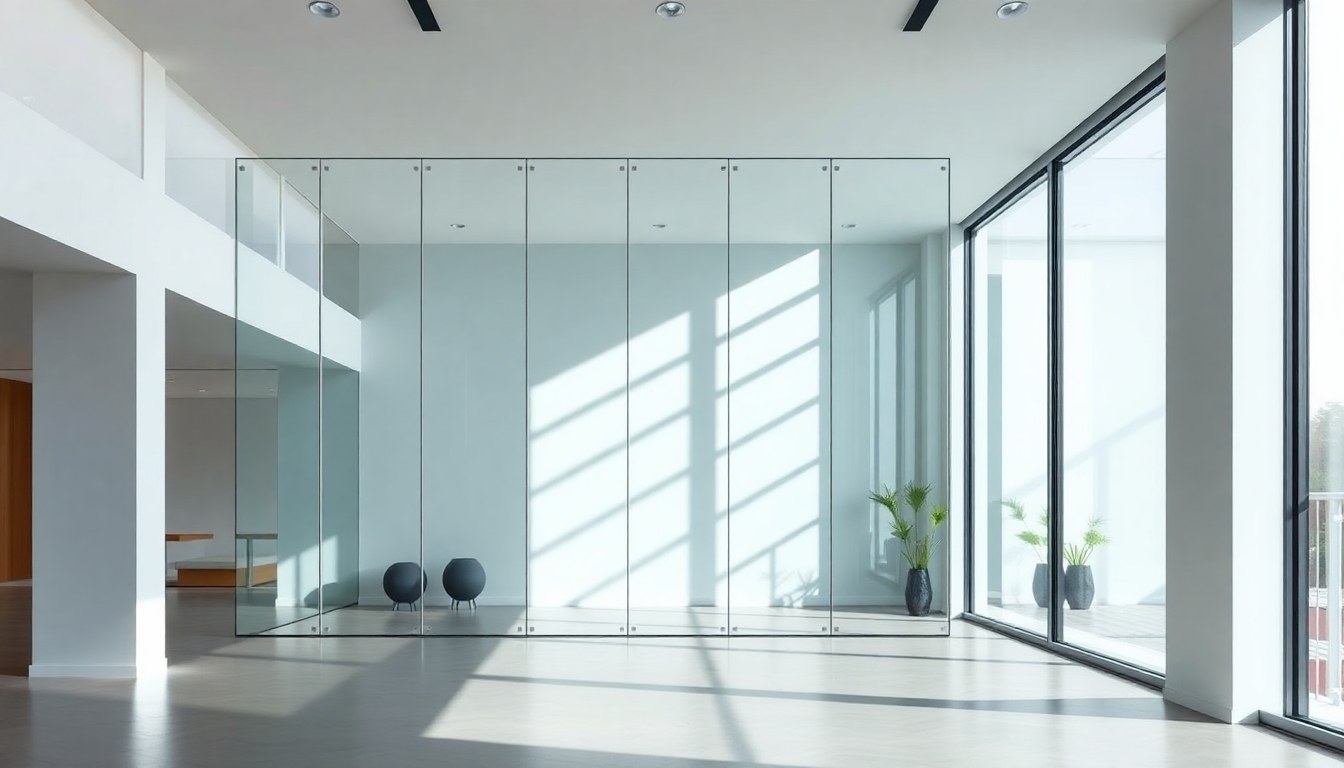
Mirrors are essential in gyms and yoga studios—they help members monitor form, build confidence, and create an illusion of space. But in high-impact environments where dumbbells drop and equipment moves constantly, standard mirror glass poses serious safety risks. Choosing the right anti-shatter mirror glass and installing it correctly protects your members, reduces liability, and ensures your facility meets Indian safety codes.
Why Anti-Shatter Mirror Glass Matters in Fitness Spaces
Standard annealed glass shatters into large, jagged shards when impacted—a serious hazard in active environments. A dropped weight, a misplaced barbell, or even an accidental collision can crack or shatter conventional mirrors, creating dangerous fragments that can cause cuts and injuries. In yoga studios, where members work barefoot on mats, broken glass is particularly risky.
Anti-shatter mirror glass—typically tempered or laminated—is engineered to withstand impacts and either crumble into small, relatively harmless pieces (tempered) or remain intact even when cracked (laminated). This makes it the only responsible choice for gyms, CrossFit boxes, dance studios, and yoga facilities across India.
Understanding Anti-Shatter Mirror Glass Types
Tempered Mirror Glass
Tempered glass undergoes a heating and rapid cooling process that strengthens it to 4–5 times the strength of annealed glass. When tempered glass breaks, it fractures into small, relatively blunt cubes rather than sharp shards. This significantly reduces injury risk and cleanup difficulty.
Tempered mirrors are ideal for gyms and yoga studios because they offer excellent optical clarity, are affordable compared to laminated options, and are widely available across Indian cities like Mumbai, Bangalore, Delhi, and Pune. A 6mm tempered mirror typically costs ₹400–₹600 per square foot, depending on size and supplier.
Laminated Mirror Glass
Laminated mirrors consist of two or more glass panes bonded with a polyvinyl butyral (PVB) interlayer. Even if the glass cracks, the interlayer holds the pieces together, preventing them from falling. This is the safest option but also the most expensive.
Laminated mirrors are best for high-risk areas—such as near equipment racks or in CrossFit boxes where heavy weights are frequently dropped. A 6mm laminated mirror costs ₹800–₹1,200 per square foot. While pricier, the durability and safety benefits justify the investment for premium facilities.
Indian Safety Standards & Compliance
In India, mirror glass installations in public spaces, including gyms and studios, should comply with IS 2553:2008 (Indian Standard for Safety Requirements for Mirrors) and IS 13321:1992 (Safety Glass and Safety Glazing in Buildings). These standards define safety classifications, backing requirements, and edge finishing to minimize injury risk.
For fitness facilities, mirrors are classified as Category A (high-impact areas) or Category B (standard areas). High-impact zones—such as weight rooms and functional training areas—must use tempered or laminated glass with a minimum thickness of 6mm. Yoga studios and low-impact areas can sometimes use 5mm tempered glass, though 6mm is recommended for consistency and durability.
Always verify with your local municipal corporation or building department before installation. Some states and cities have additional safety bylaws, and non-compliance can result in fines or forced removal of unsafe installations.
Backing Adhesives & Wall Mounting Best Practices
Choosing the Right Adhesive
The adhesive holding mirrors to the wall is just as critical as the glass itself. Poor adhesive can allow mirrors to fall during an earthquake or if the wall shifts. In India's seismic zones (particularly in the Himalayas and northeastern regions), this is a serious consideration.
Use mirror-specific silicone sealant or polyurethane adhesive rated for glass bonding. Never use standard construction adhesive or cement—these don't flex with temperature changes and can cause stress fractures. Leading brands like Dow Corning, Sika, and 3M produce mirror adhesives that meet Indian standards and are available at most glass suppliers.
Wall Preparation & Installation Steps
Proper wall preparation ensures long-lasting mirror installation:
- Surface Inspection: Walls must be clean, dry, smooth, and free of dust, paint flakes, or moisture. Use sandpaper (120–150 grit) to level any uneven spots.
- Moisture Check: Test the wall for dampness using a moisture meter. Moisture content should be below 12%. In humid climates (coastal areas like Mumbai or Goa), allow extra drying time or apply a moisture barrier.
- Primer Application: Apply a glass-bonding primer to both the wall and the mirror backing. This improves adhesive grip and prevents peeling.
- Adhesive Application: Apply mirror adhesive in a grid pattern—not continuous beads. Use ¼-inch beads spaced 6 inches apart. This allows air to escape and prevents air pockets.
- Mounting: Press the mirror firmly against the wall, starting from the center and working outward. Use shims or spacers to keep the mirror level. Hold pressure for 24–48 hours before allowing weight or stress.
- Edge Sealing: Once the adhesive sets, seal the edges with silicone caulk to prevent moisture ingress.
Support Systems for Large Mirrors
For mirrors larger than 2 meters in height or 1.5 meters in width, use mechanical support systems in addition to adhesive. Aluminum or stainless steel frames, top-mounted channels, or bottom support rails distribute weight evenly and provide backup support if adhesive fails. This is especially important in earthquake-prone areas and for very large installations in premium gyms.
Installation Costs & Budget Estimates for Indian Facilities
Mirror glass costs in India vary by region, glass type, and installation complexity. Here's a realistic breakdown:
| Glass Type | Thickness | Cost per Sq Ft | Installation Cost per Sq Ft | Total per Sq Ft |
|---|---|---|---|---|
| Tempered Mirror | 5mm | ₹350–₹500 | ₹150–₹250 | ₹500–₹750 |
| Tempered Mirror | 6mm | ₹400–₹600 | ₹150–₹250 | ₹550–₹850 |
| Laminated Mirror | 6mm | ₹800–₹1,200 | ₹200–₹300 | ₹1,000–₹1,500 |
Example Project Cost: A 200 sq ft mirror installation (one wall in a 20x10 ft room) using 6mm tempered glass would cost approximately ₹1,10,000–₹1,70,000 including materials, labor, and adhesives. Laminated glass for the same space would run ₹2,00,000–₹3,00,000.
Prices are higher in metro cities (Delhi, Mumbai, Bangalore) and lower in tier-2 cities. Always get quotes from at least three local suppliers, and ensure they include installation, adhesive, edge finishing, and a warranty (typically 2–5 years for labor and materials).
Common Installation Mistakes to Avoid
Even with quality materials, poor installation can compromise safety:
- Using Wrong Adhesive: Construction adhesive or silicone caulk alone is not sufficient. Use mirror-specific polyurethane or silicone sealant.
- Skipping Primer: Primer improves adhesive bonding and prevents edge peeling. Never skip this step.
- Inadequate Curing Time: Rushing installation before adhesive fully sets (usually 24–48 hours) can cause mirrors to slip or fall.
- Uneven Wall Surface: Installing mirrors on uneven walls creates stress points and increases breakage risk. Always level the wall first.
- Ignoring Moisture: In humid climates, moisture trapped behind mirrors causes adhesive failure and backing degradation. Ensure proper ventilation and moisture barriers.
- Skipping Mechanical Support for Large Mirrors: Adhesive alone is not reliable for mirrors over 2 meters tall. Add top channels or support rails.
Maintenance & Safety Inspections
After installation, establish a regular maintenance schedule to ensure mirrors remain safe:
- Inspect mirrors monthly for cracks, edge separation, or backing deterioration.
- Clean mirrors gently with a soft cloth and glass cleaner—avoid abrasive materials.
- Check adhesive edges quarterly, especially in humid areas. Reapply silicone caulk if gaps appear.
- Test mirror firmness by pressing gently on the surface. It should not flex or shift.
- After earthquakes or heavy impacts, inspect all mirrors immediately for damage.
- Replace any cracked or damaged mirrors promptly, even if the damage is minor.
Document all inspections and maintenance work. This protects your facility legally and demonstrates due diligence if an injury occurs.
Frequently Asked Questions
What thickness of tempered mirror glass is safe for gyms?
For gyms and yoga studios, 6mm tempered mirror glass is the industry standard. It provides excellent durability and safety in high-impact environments. While 5mm tempered glass is cheaper, 6mm offers better protection against weights, equipment impacts, and accidental collisions. Always check local building codes—some Indian municipalities mandate 6mm minimum for public fitness facilities.
Can I use regular mirror glass instead of tempered glass in a yoga studio?
No. Regular annealed mirror glass is unsafe for any fitness facility. When broken, it shatters into large, razor-sharp shards that cause serious cuts. Even in low-impact yoga studios where the risk is lower than in gyms, members work barefoot, making broken glass especially dangerous. Always use tempered or laminated mirror glass, and verify compliance with IS 2553:2008.
How long does mirror adhesive take to cure, and when can mirrors be used?
Most mirror-specific polyurethane and silicone adhesives cure in 24–48 hours. However, full cure strength (where mirrors can safely bear their own weight and resist impacts) typically takes 7 days. Do not allow members to use the gym or studio during the first 48 hours, and avoid applying stress to mirrors for at least one week after installation.
Are laminated mirrors worth the extra cost?
Laminated mirrors cost 2–3 times more than tempered mirrors but offer superior safety because they remain intact even when cracked. For high-risk areas—such as free-weight zones, CrossFit boxes, or functional training areas where heavy impacts are common—laminated glass justifies the investment. For standard yoga studios and low-impact areas, quality tempered glass is sufficient and cost-effective.
What should I do if a mirror cracks or breaks?
Immediately close the affected area and prevent member access. If it's tempered glass, small cracks may not require immediate replacement, but monitor them closely. If it's laminated glass, the mirror is still safe (it won't fall), but visibility is compromised and replacement is recommended. Contact your supplier or installer for professional removal and replacement. Never attempt DIY removal—broken mirror glass is hazardous.
Finding the right mirror glass supplier and installer is crucial for your gym or yoga studio's safety and compliance. Browse verified glass suppliers, installers, and mirror specialists in your city on glassy.in—India's largest glass-business directory. Compare quotes, read reviews, and connect with experts who understand anti-shatter standards and fitness facility requirements.