
Mirrors
Mirror Glass Maintenance in High-Humidity Bathrooms: Prevent Tarnishing
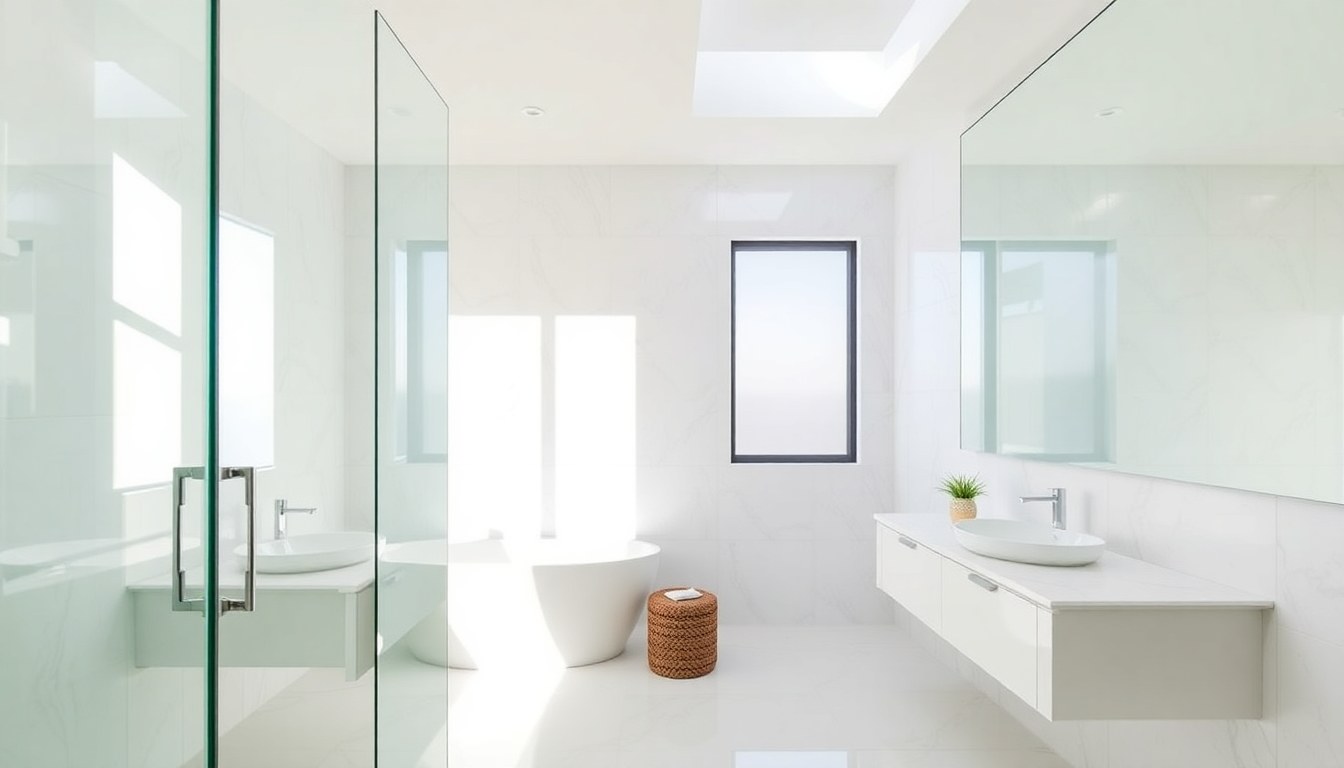
Bathroom mirrors are essential fixtures that endure constant exposure to steam, moisture, and temperature fluctuations—conditions that accelerate tarnishing and backing degradation. Without proper maintenance, even premium mirrors can develop dark spots, cloudy patches, and corroded edges within months. This guide provides actionable strategies to protect your mirror glass and maintain its clarity for years to come.
Understanding Mirror Tarnishing in Humid Environments
Mirror tarnishing occurs when moisture penetrates the backing layer—typically a reflective coating of aluminum or silver applied to the glass rear. In high-humidity bathrooms, water vapor condenses on and around the mirror, seeping into microscopic gaps at the edges and backing seams. This moisture reacts chemically with the reflective coating, creating oxidation that appears as dark spots, cloudiness, or a mottled surface.
The backing degradation process accelerates in bathrooms because humidity levels regularly exceed 60–80%, especially during and after hot showers. Temperature swings between hot and cold also cause the glass and backing to expand and contract at different rates, creating stress fractures that allow moisture ingress. Edge corrosion—where the silvering breaks down along the mirror's perimeter—is one of the earliest signs of tarnishing and indicates that your maintenance routine needs adjustment.
Ventilation: Your First Line of Defense
Proper air circulation is the most effective way to prevent mirror tarnishing. A functioning exhaust fan removes moisture-laden air before it settles on mirror surfaces. Install an exhaust fan rated for your bathroom size (typically 50–100 CFM for standard bathrooms) and run it during and for 20–30 minutes after showers. If your bathroom lacks an exhaust fan, consider installing one—this is one of the best investments for mirror longevity.
Beyond mechanical ventilation, open windows whenever weather permits to allow cross-ventilation. Even 10 minutes of window opening after a shower significantly reduces ambient humidity. In monsoon seasons or humid climates like those in coastal Indian cities (Mumbai, Kochi, Goa), maintaining consistent air movement is critical. Dehumidifiers can also help in bathrooms with persistent moisture issues, particularly in smaller, enclosed spaces.
Ventilation Best Practices
- Run exhaust fans during showers and for 30 minutes afterward
- Clean exhaust fan grilles monthly to maintain airflow efficiency
- Ensure ductwork vents outside, not into attics or walls
- Open windows for 10–15 minutes daily if possible
- Consider a bathroom dehumidifier for high-moisture areas
Daily and Weekly Cleaning Routines
Regular cleaning removes moisture droplets and prevents them from drying on the mirror surface, which accelerates tarnishing. After each shower, wipe your mirror with a soft, dry cloth or microfiber towel to eliminate condensation. This simple step prevents water spots and reduces the time moisture sits on the glass.
For weekly deep cleaning, use a mirror-specific cleaner or a mixture of equal parts white vinegar and distilled water. Spray the solution lightly onto the cloth (not directly onto the mirror, as excess liquid can seep into edges) and wipe in circular motions. Distilled water is crucial—tap water contains minerals that leave residue and can contribute to edge corrosion. Avoid harsh abrasive cleaners or scouring pads, which scratch the glass and damage the backing layer.
Cleaning Materials to Use and Avoid
- Recommended: Microfiber cloths, distilled water, white vinegar, commercial mirror cleaners (ammonia-based)
- Avoid: Tap water, abrasive sponges, steel wool, bleach-based cleaners, excessive liquid spraying
Protecting Mirror Edges and Backing
Mirror edges are the most vulnerable areas because the backing material is exposed at the perimeter. Moisture easily infiltrates here, causing rapid corrosion. To protect edges, apply a waterproof sealant or edge-sealing tape specifically designed for mirrors. These products create a moisture barrier that prevents water from reaching the backing layer. Apply sealant to all four edges during installation or as preventive maintenance, and reapply every 2–3 years or if you notice the seal deteriorating.
When installing mirrors, ensure they are mounted with proper spacing from the wall. Mirrors pressed directly against damp walls trap moisture between the glass and wall surface, accelerating tarnishing. Leave at least 2–3 cm of clearance and ensure the wall behind the mirror is properly waterproofed. In bathrooms with tile walls, use waterproof adhesive and caulk any gaps around the mirror frame.
Edge Protection Installation Tips
- Clean edges thoroughly with rubbing alcohol and let dry completely
- Apply waterproof sealant or edge tape to all four edges
- Press firmly and smooth out air bubbles
- Allow sealant to cure for 24 hours before exposing to moisture
- Inspect and touch up seals annually
Controlling Bathroom Humidity Levels
Maintaining humidity between 30–50% is ideal for mirror preservation and overall bathroom health. Use a hygrometer (humidity meter) to monitor levels—these are inexpensive and widely available in India at electronics shops and online retailers. If humidity consistently exceeds 60%, it's time to upgrade your ventilation strategy.
Beyond exhaust fans, reduce moisture generation by taking shorter showers (20 minutes or less), using cold water when possible, and keeping bathroom doors closed during showers to contain steam. Ensure your bathroom has adequate insulation and that pipes don't sweat excessively—pipe insulation can reduce condensation. In particularly humid climates, a dedicated bathroom dehumidifier running 1–2 hours daily can make a significant difference.
Addressing Early Tarnishing and Damage
If you notice early signs of tarnishing—small dark spots or cloudiness—act quickly. Sometimes these can be halted with improved maintenance before the damage becomes permanent. Increase ventilation, ensure daily wiping, and apply edge sealant if not already done. However, once the backing is extensively corroded, the mirror typically cannot be restored and replacement is the only option.
For minor edge corrosion, you can apply a thin layer of mirror backing sealant or clear nail polish to seal the affected area temporarily. This buys time but is not a permanent solution. If tarnishing covers more than 10–15% of the mirror surface or affects the central viewing area, replacement is more practical than attempting repair. Budget ₹3,000–₹15,000 for a quality bathroom mirror depending on size and frame finish, with installation adding ₹1,000–₹3,000.
Seasonal Maintenance Checklist
Different seasons bring different humidity challenges. During monsoon (June–September in most of India), humidity peaks and requires maximum vigilance. Increase ventilation duration, run dehumidifiers more frequently, and inspect mirrors weekly for early tarnishing signs. Summer heat combined with monsoon moisture creates ideal conditions for backing degradation, so this is your critical season.
In winter, heating systems dry indoor air but can also cause condensation when warm air meets cold mirror surfaces. Maintain consistent bathroom temperature and continue regular ventilation. Spring and autumn are ideal times for deep cleaning and sealant reapplication. Create a seasonal checklist and set phone reminders to stay consistent with maintenance.
Frequently Asked Questions
How long does it take for a mirror to tarnish in a humid bathroom?
Tarnishing speed depends on humidity levels, ventilation, and mirror quality. With poor ventilation and humidity above 70%, visible tarnishing can appear within 6–12 months. With proper maintenance and humidity control, a quality mirror can last 10–15 years or longer without significant degradation.
Can tarnished mirrors be repaired or restored?
Minor surface spots can sometimes be halted with improved maintenance, but once the backing layer is corroded, restoration is not possible. The reflective coating cannot be reliably reapplied to existing mirrors. Replacement is the practical solution for extensively tarnished mirrors.
What's the best type of mirror for humid bathrooms?
Look for mirrors with high-quality aluminum or silver backing, waterproof edge seals, and backed by reputable manufacturers. Some premium mirrors include moisture-resistant backing treatments. Avoid cheap mirrors with thin backing or poor edge finishing, as these tarnish quickly. When purchasing, ask suppliers about humidity resistance and warranty coverage.
Is an exhaust fan really necessary if I open windows?
While window opening helps, an exhaust fan is more reliable because it actively removes moisture regardless of weather. Windows may not be practical during monsoon or winter, and opening them doesn't always remove enough moisture. An exhaust fan is the most effective single investment for bathroom mirror longevity.
How often should I reseal mirror edges?
Inspect edge seals annually and reapply waterproof sealant every 2–3 years or whenever you notice deterioration. In high-humidity climates like coastal regions, annual resealing may be necessary. The cost is minimal (₹200–₹500 per mirror) compared to replacement (₹3,000+).
Protecting your bathroom mirror from tarnishing is an ongoing commitment, but the effort pays dividends in longevity and clarity. By controlling humidity, maintaining consistent cleaning routines, and sealing vulnerable edges, you can keep your mirror looking pristine for years. When you're ready to upgrade or replace a damaged mirror, explore the extensive selection of quality mirror suppliers and manufacturers listed on glassy.in, India's largest glass-business directory. Find trusted local suppliers, compare specifications, and connect with installation professionals—all in one place.