
Mirrors
Mirrored Glass Walls: Amplifying Space in Small Bangalore Apartments
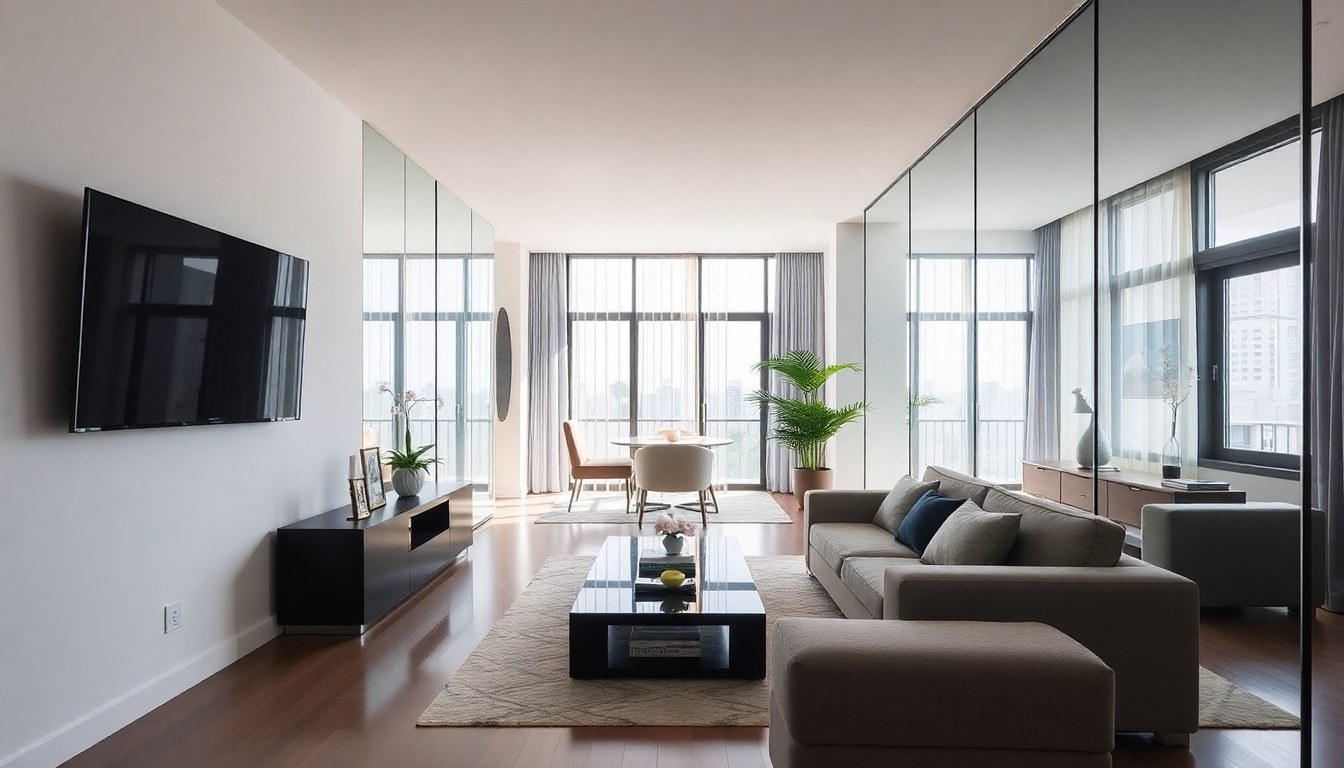
Bangalore's real estate market has made compact apartments the norm for many urban professionals and growing families. If you're living in a 1 or 2 BHK flat, you know how quickly rooms can feel cramped and claustrophobic. Mirrored glass walls are one of the most effective interior design solutions to visually expand small spaces, reflect natural light, and create an illusion of depth—all without structural changes or major renovations. This guide walks you through proven strategies, installation methods, and maintenance tips to maximize your apartment's potential.
Why Mirrored Glass Walls Work for Small Spaces
The science behind mirrors is simple: they reflect light and create visual depth. When strategically placed, a mirrored glass wall bounces natural light from windows throughout the room, making it feel brighter and more open. For Bangalore apartments with limited natural light or north-facing rooms, this effect is particularly valuable. Mirrors also create a psychological sense of expansion—your brain perceives the reflected space as an extension of the actual room.
Unlike heavy architectural changes or expensive renovations, mirrored glass walls are relatively affordable and non-invasive. They work in living rooms, bedrooms, kitchens, and even bathrooms. The key is strategic placement and choosing the right mirror type for your space and budget.
Strategic Placement of Mirrored Glass Walls in Bangalore Apartments
Opposite Windows and Light Sources
The most effective placement for mirrored glass walls is directly opposite or adjacent to windows. This positioning maximizes light reflection and creates the strongest sense of depth. If your apartment has a window in the living room, consider installing a mirrored wall on the opposite side. The reflected daylight will bounce around the room multiple times, significantly brightening even dark corners. This strategy is especially valuable during Bangalore's monsoon season when natural light is limited.
Corner Installations
Corners are often wasted space in small apartments. Installing mirrored glass panels in corners creates an optical illusion that extends the room outward. A full-height mirror in a corner beside a sofa or bed makes the space feel wider and taller. For a ₹15,000–₹30,000 investment, you can transform how an entire room feels without moving a single piece of furniture.
Accent Walls and Partial Coverage
You don't need to mirror an entire wall. A mirrored accent wall—covering 60–70% of one side—provides the visual expansion benefit while maintaining visual balance and reducing costs. Many Bangalore homeowners opt for mirrored panels on the wall behind the TV unit or above a bedroom headboard. This approach blends functionality with aesthetic appeal and keeps your design from feeling overwhelming.
Types of Mirrored Glass Solutions for Apartments
Full-Length Mirror Panels
Full-length mirror panels are standard 6mm or 8mm silvered glass sheets mounted directly on walls. They're affordable (₹300–₹600 per square foot installed) and highly reflective. The downside is that they require professional installation and can show dust, fingerprints, and water spots easily. They work best in dry areas like bedrooms and living rooms.
Anti-Corrosive and Coated Mirrors
For kitchens and bathrooms where moisture is high, anti-corrosive mirrors with special coatings prevent fungal growth and deterioration. These cost slightly more (₹400–₹700 per square foot) but last significantly longer in Bangalore's humid climate. The coating also reduces fingerprint visibility, making maintenance easier.
Mirrored Glass Tiles and Modular Panels
Smaller mirrored tiles (12x12 inches to 24x24 inches) offer flexibility in design. You can create geometric patterns, mix with non-mirrored tiles, or arrange them in creative layouts. Modular panels are easier to install yourself or with minimal professional help, making them budget-friendly for renters. Prices range from ₹200–₹500 per square foot depending on quality.
Frameless vs. Framed Options
Frameless mirrored walls create a seamless, modern look that feels more spacious. Framed mirrors with wooden, metal, or aluminum borders add a design element and can hide installation imperfections. Frameless options cost 10–15% more but deliver superior visual impact for small spaces.
Installation Tips for Mirrored Glass Walls
Wall Preparation and Surface Assessment
Before installation, your wall must be clean, dry, and structurally sound. Inspect for cracks, dampness, or uneven surfaces. Bangalore's monsoon humidity can cause moisture issues, so ensure your walls are properly sealed and waterproofed. Use a moisture meter to check; walls should have less than 12% moisture content before mirror installation. If you detect dampness, address it first with waterproofing treatments.
Professional Installation vs. DIY
While DIY mirror installation is possible for small accent walls or renters using adhesive strips, full-wall installations should be done by professionals. Mirrors are heavy and require proper structural support, especially for 8mm or 10mm thick glass. Professional installers in Bangalore charge ₹50–₹150 per square foot for labor, depending on wall condition and complexity. They use appropriate adhesives, spacers, and fasteners to ensure safety and longevity.
Safety Considerations
Mirrors must be securely fastened to prevent accidents. Use high-quality mirror adhesive (silicone-based for bathrooms, acrylic for dry areas) combined with mechanical fasteners for large installations. Ensure proper ventilation behind mirrors to prevent moisture buildup. If you have young children, avoid floor-to-ceiling mirrors in bedrooms and use safety films on large installations.
Design Combinations and Styling Tips
Mixing Mirrors with Other Materials
The most sophisticated small-space designs combine mirrored glass with other materials. Pair mirrored panels with wooden accents, textured wallpaper, or painted sections to create visual interest without overwhelming the space. A living room might feature a mirrored accent wall with a wooden frame or a bedroom with mirrored panels flanking a non-mirrored feature wall. This balanced approach keeps the design feeling intentional rather than purely functional.
Lighting Coordination
Mirrors amplify whatever light they reflect. Coordinate your mirror placement with strategic lighting. LED wall lights, pendant fixtures, or track lighting placed near mirrored surfaces create dramatic effects and maximize brightness. Warm white LEDs (2700K) create a cozy ambiance, while cool white (4000K) enhances the sense of spaciousness. This is particularly effective in Bangalore apartments where evening natural light is limited.
Color and Decor Harmony
Mirrored walls reflect your decor, so choose complementary colors and furnishings. Light, neutral tones on opposite walls enhance the reflective effect. Avoid overly colorful or busy patterns directly opposite mirrors, as the reflection can feel chaotic. Instead, use mirrors to reflect calming elements—green plants, artwork, or soft furnishings—to create a serene environment.
Maintenance and Care of Mirrored Glass Walls
Keeping mirrored glass walls clean and clear is essential for maintaining their space-amplifying effect. Dust and water spots reduce reflectivity and make rooms feel smaller. Use a soft microfiber cloth and glass cleaner (or a mixture of vinegar and water) to wipe mirrors weekly. For stubborn spots, use a squeegee after spraying with cleaner. Avoid abrasive sponges or harsh chemicals that can damage the reflective coating.
In Bangalore's humid climate, moisture management is critical. Ensure proper ventilation around mirrors, especially in bathrooms and kitchens. If you notice black spots or fungal growth behind mirrors, it indicates moisture issues that need immediate attention. Anti-corrosive mirrors resist this better, but regular inspection prevents costly damage. Seal any gaps between mirrors and walls with silicone caulk to prevent water infiltration.
For renters, adhesive-backed mirror tiles and removable options offer maintenance advantages—you can easily replace damaged sections without professional help. These cost slightly more upfront but provide flexibility and peace of mind regarding your deposit.
Cost Considerations and Budget Planning
A typical 100 square foot mirrored wall installation in a Bangalore apartment costs ₹25,000–₹50,000, including materials and labor. Smaller accent walls (30–50 square feet) run ₹10,000–₹20,000. If you're working with a tight budget, prioritize high-impact areas: opposite windows, corners, or behind furniture. Modular tile options allow you to spread costs over time, adding sections as budget allows.
Compare quotes from multiple glass suppliers and installers. Established companies in Bangalore's Whitefield, Koramangala, and Indiranagar areas offer competitive rates and warranty coverage. Some suppliers offer design consultations free of charge, helping you maximize your investment's visual impact.
Frequently Asked Questions
Are mirrored walls safe for apartments with children?
Yes, with proper precautions. Use tempered or safety-coated glass for all installations, especially in children's rooms. Secure mirrors firmly to walls with both adhesive and mechanical fasteners to prevent accidents. Avoid floor-to-ceiling mirrors in play areas, and consider safety films that hold glass together if breakage occurs. Professional installation ensures compliance with safety standards.
Can mirrored walls be installed in rental apartments?
Absolutely. Renters can use adhesive-backed mirror tiles, removable mirror panels, or freestanding full-length mirrors without damaging walls. Adhesive strips designed for mirrors hold securely while remaining removable. Modular tile systems are particularly renter-friendly, allowing you to customize your space without permanent changes. Always check your lease agreement before installation.
How do mirrored walls perform in Bangalore's humid climate?
Standard mirrors can develop spots and fungal growth in high humidity. Use anti-corrosive, coated mirrors specifically designed for humid climates. Ensure proper ventilation around installations, especially in bathrooms and kitchens. Regular maintenance and moisture control are essential. Professional installers familiar with Bangalore's climate can recommend the best options for your specific location.
What's the best alternative if I can't install permanent mirrored walls?
Freestanding full-length mirrors, mirrored furniture (like side tables or cabinets), and removable adhesive-backed tiles all provide similar benefits without permanent installation. Leaning a large mirror against a wall opposite a window creates significant visual impact. These alternatives cost ₹5,000–₹15,000 and work well for renters or those wanting flexibility.
How long do mirrored glass walls last?
Well-installed mirrors with proper maintenance last 15–20 years or longer. The reflective coating can deteriorate over time, especially in humid conditions, but anti-corrosive mirrors extend lifespan significantly. Regular cleaning and moisture control maximize durability. If spots or deterioration appear, professional re-coating is sometimes possible, though replacement is often more cost-effective.
Ready to transform your Bangalore apartment with mirrored glass walls? Browse verified glass suppliers, mirror installers, and design consultants on the glassy.in directory. Find local professionals in your area, compare quotes, and get expert guidance for your small-space design project today.